
Leopard Gecko vs Blue Tongue Skink: How Much Lizard Do You Actually Want?
Leopard gecko vs blue tongue skink: compact desktop pet vs room-demanding floor lizard. Find out which fits your space, budget, and lifestyle before you buy.

✓Recommended Gear
In this guide, we cover everything you need to know and recommend 6 essential products. Check prices and availability below.
TL;DR: Leopard geckos are compact, low-maintenance pets (20-gallon enclosure, insects only, ~$50/year in food) best suited for keepers who want a calm, easy-to-handle lizard without a large space commitment. Blue tongue skinks are significantly larger (18–24 inches), need a 4-foot enclosure, eat an omnivorous diet of vegetables, proteins, and fruit, and cost considerably more to set up and feed — but they are more interactive and dog-like in temperament. Both live 15–20+ years, so the main differentiator is how much space, cost, and dietary variety you're willing to commit to.
You want a docile, handleable lizard that actually tolerates people. You have narrowed it to two: the leopard gecko and the blue tongue skink. Both are ground-dwelling. Both are calm. Both are excellent for beginners.
But here is the question nobody asks out loud: how much lizard do you actually want?
A leopard gecko fits on your palm and lives in a tank you can fit on a desktop. A blue tongue skink is the size of a small cat, needs a four-foot enclosure, eats a mixed diet that includes canned dog food, and requires a proper UVB lamp you have to research and buy carefully. These are not interchangeable animals. The right choice depends almost entirely on how much space, time, and commitment you have — not just which one looks cooler at the pet store.
This guide skips the basics everyone else covers and answers the real question: which one actually fits your life?
At a Glance: The Numbers That Matter
| Category | Leopard Gecko | Blue Tongue Skink |
|---|---|---|
| Scientific name | Eublepharis macularius | Tiliqua scincoides |
| Adult size | 7-10 inches | 18-24 inches |
| Adult weight | 45-80g | 300-600g |
| Lifespan | 15-20+ years | 15-20+ years |
| Enclosure minimum | 40-gallon (36×18×18 in) | 4×2×2 ft (48×24×24 in) |
| Warm side temp | 88-92°F | 95-105°F basking spot |
| Cool side temp | 75°F | 75-80°F |
| Humidity | 30-40% | 40-60% (Indonesian: 60-80%) |
| Diet | Insects only | Omnivore: dog food + greens + insects |
| UVB required? | Beneficial, not required | Required — Zone 3-4 |
| Setup cost | $150-300 | $300-500 |
| Monthly cost | $15-30 | $25-50 |
| Handling style | One hand, palm rest | Two hands, cradled body |
Those numbers tell a story. Now let's make them real.
Head-to-Head Specs
Side-by-side comparison
| Feature | Leopard Gecko | Blue Tongue Skink |
|---|---|---|
| Adult Size | ★7-10 inches | 18-24 inches |
| Adult Weight | ★45-80g | 300-600g |
| Enclosure Minimum | ★40-gallon (36×18×18 in) | 4×2×2 ft enclosure |
| Setup Cost | ★$150-300 | $300-500 |
| Monthly Food Cost | ★$15-30 | $25-50 |
| Diet | ★Insects only | Omnivore (dog food, greens, insects, fruit) |
| UVB Lighting | ★Beneficial, not required | Required (Zone 3-4) |
| Lifespan | 15-20+ years | 15-20+ years |
Our Take: Leopard geckos win on space, cost, and simplicity; blue tongue skinks require more commitment but offer greater interaction.
Size Reality Check: 8 Inches vs 22 Inches in Your Home
The size difference between these two animals is not cosmetic — it changes every single aspect of ownership.
An adult leopard gecko at 8-10 inches weighs roughly as much as two AA batteries. You can pick it up with one hand, hold it in your palm, and put it on your shoulder. Its enclosure — a standard 40-gallon tank at 36 inches long — fits on a bookshelf, a dresser, or a desk. You barely notice it in a room.
A blue tongue skink is a completely different scale of animal. At 18-24 inches and up to 600 grams, it is the rough size and weight of a full-grown kitten. Its enclosure minimum is 4 feet long by 2 feet wide by 2 feet tall — that is a piece of furniture. A 4×2×2 ft enclosure occupies serious floor or shelf space and weighs over 60 pounds fully set up. You do not tuck it away on a nightstand.
Pro Tip: Before buying a blue tongue skink, measure your intended enclosure space with masking tape on the floor or shelf. A 4×2 ft footprint is 8 square feet — roughly the size of a twin mattress. If that footprint gives you pause, the leopard gecko is probably your lizard.
What the Size Difference Means in Practice
For a leopard gecko, the size means you can have a fully functional, enriched enclosure without dedicated room space. College dorm? Works. Studio apartment? Works. Shared bedroom? Works. The animal fits the modern urban living situation that a lot of reptile buyers actually have.
For a blue tongue skink, the size means you need a dedicated wall or floor section. You need a proper stand rated for the weight. You need room to open the enclosure fully for cleaning — and cleaning a 4×2×2 ft enclosure is a 20-minute task versus a 5-minute task for a leopard gecko setup. The skink also needs to be placed somewhere with consistent temperature and away from drafts, which further limits placement options.
The skink is not difficult, but it is a commitment to dedicated physical space. If you are renting and moving frequently, or sharing a space with roommates who may object to a large reptile setup, the leopard gecko is the practical choice.
| Space Factor | Leopard Gecko | Blue Tongue Skink |
|---|---|---|
| Minimum enclosure footprint | 36×18 in (~4.5 sq ft) | 48×24 in (~8 sq ft) |
| Fits on furniture | Yes — shelf or desk | Needs a dedicated stand |
| Setup weight (full) | ~15-25 lbs | 60-80+ lbs |
| Cleaning time | ~5 minutes | ~20 minutes |
| Suitable for small apartments | Yes | Possible but tight |
| Furniture disruption | Minimal | Significant |
For enclosure recommendations for either animal, see our best leopard gecko enclosures and best blue tongue skink enclosures guides.
Space & Setup Reality Check
Leopard Gecko Footprint
36×18 inches (~4.5 sq ft)
Fits on shelf, desk, or dresser
Blue Tongue Skink Footprint
48×24 inches (~8 sq ft)
Needs dedicated stand or floor space
Fully Assembled Weight
Gecko: 15-25 lbs | Skink: 60-80+ lbs
Size affects furniture stress & portability
Cleaning Time
Gecko: ~5 min | Skink: ~20 min
Larger enclosure = more maintenance
Renting/Moving Friendly
Gecko: Yes | Skink: Challenging
Skink's size makes frequent relocation difficult
The Diet Gap: A Bowl of Bugs vs a Full Meal Prep
Leopard geckos eat insects. Blue tongue skinks eat a balanced omnivore diet that you have to actually think about.
This is the second-biggest practical difference between these two animals, and it is one that most comparison articles gloss over.
Leopard Gecko: Simple Insect Rotation
A leopard gecko eats live insects — primarily dubia roaches, crickets, and black soldier fly larvae (BSFL) as staples. You gut-load the feeders for 24-48 hours before offering them, dust with calcium powder at every feeding, and add a D3 + multivitamin supplement once or twice a week. That is the full feeding protocol.
Adults eat every 3-5 days. A feeding session takes five minutes. The insects are inexpensive — a month of feeder insects for one adult gecko costs roughly $10-20. For the full diet breakdown, see our leopard gecko diet guide.
The main drawback: you are keeping live insects. Dubia roaches are quiet and odorless, but they are still roaches in a container in your home. Crickets chirp. This bothers some people more than others.
Pro Tip: If live insects are a dealbreaker, leopard geckos can eat canned or dried insects as treats, but they need live prey as their primary diet for proper feeding stimulation. You cannot reliably substitute with just freeze-dried insects long-term.
Blue Tongue Skink: The Omnivore Meal Plan
A blue tongue skink diet looks like this:
- 50% protein: high-quality canned dog food (brands like Purina Pro Plan, Royal Canin), cooked lean meat, feeder insects, or snails
- 40% leafy greens and vegetables: collard greens, squash, green beans, bell pepper
- 10% fruit: papaya, blueberries, mango (in moderation)
You are assembling a balanced meal, not just dropping insects into a tank. A feeding session involves chopping or portioning vegetables, mixing components together, and offering an appropriately sized portion. The blue tongue skink diet guide covers the full breakdown of what to feed and what to avoid.
The protein source of canned dog food surprises new keepers. It is not a shortcut — it is actually one of the most nutritionally complete and cost-effective protein sources for skinks, recommended by experienced keepers and referenced in ReptiFiles' blue tongue skink care guide. But it means your grocery shopping now includes sourcing reptile-appropriate dog food.
Adults eat every 2-3 days. Monthly food costs run $25-40 depending on what proteins you use.
| Diet Factor | Leopard Gecko | Blue Tongue Skink |
|---|---|---|
| Diet type | Insectivore | Omnivore |
| Feeding frequency (adult) | Every 3-5 days | Every 2-3 days |
| Prep time per feeding | ~5 min | ~10-15 min |
| Live insects required? | Yes — primary food | Optional (supplement) |
| Salad preparation needed? | No | Yes — every few days |
| Monthly food cost | $10-20 | $25-40 |
| Supplements | Calcium + D3 + multivitamin | Calcium + D3 |
| Complexity | Low | Moderate |
Explore feeder insect options for leopard geckos or dive into our blue tongue skink diet guide for exact meal plans and portion sizes.
Diet & Feeding Comparison
Side-by-side comparison
| Feature | Leopard Gecko Diet | Blue Tongue Skink Diet |
|---|---|---|
| Primary Foods | ★Live insects (dubia roaches, crickets, BSFL) | 50% protein (dog food/lean meat), 40% greens, 10% fruit |
| Feeding Frequency | ★Every 3-5 days | 2-3x weekly |
| Prep Time per Meal | ★~5 minutes | ~15-20 minutes (chopping, mixing, portioning) |
| Monthly Cost | ★$10-20 | $25-40 |
| Planning Complexity | ★Simple rotation, minimal thought | Balanced diet planning required |
| Downside | Live insects in home (roaches/crickets) | Daily prep, higher cost, must avoid toxic foods |
Our Take: Leopard geckos offer plug-and-play feeding; blue tongue skinks demand meal planning but provide richer dietary engagement.
Can You Pick It Up With One Hand?
Yes — your leopard gecko. No — your blue tongue skink. And that distinction defines the entire handling experience.
Handling is where the size difference becomes most personal. It changes how you interact with your animal every single time you take it out.
Leopard Gecko Handling: The Desktop Pet Experience
A leopard gecko at 45-80 grams sits comfortably in one cupped palm. It is warm, smooth, and surprisingly pleasant to hold. Most leopard geckos become docile within 2-4 weeks of regular handling. They walk slowly from hand to hand, stop and sit, and will often settle on a warm forearm or shoulder for extended periods.
Handling a leopard gecko is low-stakes and relaxed. You can handle it while watching television, working at a desk, or reading. You are not managing a substantial animal — you are sitting with a small, calm lizard that tolerates (and many keepers believe enjoys) warm contact.
Leopard geckos are also forgiving of handling mistakes that beginners make. If they get away from you, they move slowly enough to catch before they disappear. They almost never bite, and the bite of a small gecko is negligible. VCA Animal Hospitals notes that leopard geckos are one of the most reliably handleable reptiles available to beginners.
Pro Tip: Leopard geckos are crepuscular — most active at dusk and dawn. Schedule handling sessions in the late afternoon or early evening when they are naturally alert and active. Midday handling often catches them mid-sleep.
Blue Tongue Skink Handling: The Two-Handed Animal
A blue tongue skink at 300-600 grams and up to 22 inches long is a genuinely substantial reptile. You need two hands to hold one properly — one hand under the chest and front legs, the other supporting the back half and tail. They are heavy enough that holding one for 30 minutes causes real arm fatigue if you are not used to it.
Blue tongue skinks are sometimes described as "dog-like" in temperament, and the comparison is apt. They are calm, curious, and many will actively push toward being held. A well-socialized BTS will walk toward you when you open the enclosure, nose around your hands, and settle comfortably on your chest or lap for extended periods. VCA Animal Hospitals describes them as among the most personable lizard species available in the hobby.
The trade-off: early taming takes patience. Many blue tongue skinks are initially defensive — they will hiss, flatten their body, and display their famous blue tongue as a warning bluff. This is intimidating to new keepers, especially because a 22-inch lizard displaying at you feels genuinely threatening even though they rarely bite. Most skinks tame out of this defensive phase within 4-8 weeks of consistent, calm handling.
Handling a tame blue tongue skink is deeply rewarding — they feel substantial, interactive, and genuinely present in a way that small lizards do not. But they require two hands, a stable surface, and your full attention.
| Handling Factor | Leopard Gecko | Blue Tongue Skink |
|---|---|---|
| Hands required | One | Two |
| Weight in hand | 45-80g (featherweight) | 300-600g (significant) |
| Taming timeline | 2-4 weeks | 4-8 weeks |
| Initial defensiveness | Rare | Common (hiss + blue tongue) |
| Bite severity | Negligible | Uncommon but can bruise |
| Handling session fatigue | None | Possible after 30+ min |
| Suitable for young children | Yes, supervised | 10+ years, supervised |
| "Pet quality" feel | Compact companion | Substantial, dog-like |
For more on leopard gecko taming approaches, see our leopard gecko care guide. For blue tongue skink handling and temperament, see the blue tongue skink species page.
Apartment-Friendly vs Room-Demanding
A leopard gecko fits modern urban living. A blue tongue skink is a lifestyle choice that reshapes your room.
This is the question that decides everything for most buyers: does this animal fit my actual living situation?
The Leopard Gecko Setup: Clean and Contained
A 40-gallon leopard gecko enclosure (36×18×18 in) sits on any standard bookshelf or dresser rated for 30+ lbs. It has a modest footprint. Heat is provided by an under-tank heater or a small halogen bulb — a halogen or ceramic heat emitter keeps the warm side at 88-92°F without requiring elaborate lighting rigs. For our full heating guide, see leopard gecko heating guide.
The electrical footprint is minimal: one heat source, optionally one UVB lamp. Total electricity cost is roughly $3-8/month. Substrate change happens every 4-8 weeks. Cleaning takes five minutes. Spot-cleaning (removing waste) takes one minute per day.
For a leopard gecko, you can set up a beautiful bioactive enclosure with live plants and a cleanup crew that handles waste naturally — or keep it simple with paper towels and tile. Either works. Either is manageable in a small space.
The leopard gecko setup is fundamentally apartment-compatible. Lease agreements that specify "no pets" often have grey areas for small caged animals. A single 40-gallon gecko tank is difficult for a landlord to even notice. (Check your specific lease — this is not legal advice.)
The Blue Tongue Skink Setup: A Dedicated Station
A 4×2×2 ft blue tongue skink enclosure is a major fixture. You need a stand that can hold 60-80+ lbs — most commercially available reptile stands rated for this size cost $80-150 additional. The enclosure itself at minimum costs $300-400 for a quality PVC build like a Zen Habitats or Vision cage.
Inside the enclosure, a BTS needs:
- A basking spot reaching 95-105°F — this requires a powerful halogen or mercury vapor bulb, not a small incandescent
- A proper UVB fixture — the ARCADIA T5 HO 10% or similar spanning at least 50% of the enclosure length. For the full lighting breakdown, see our blue tongue skink lighting guide
- A cool side maintaining 75-80°F
- Humidity at 40-60% for Northern subspecies, or 60-80% for Indonesian subspecies — this requires a hygrometer and potentially a humidity management strategy
The heating guide covers the basking station setup in detail. Getting a BTS enclosure dialed in takes more effort than a leopard gecko setup — there are more variables, more equipment, and more expense. Once established, it is low-maintenance day-to-day, but the setup phase is genuinely more involved.
The Association of Reptile and Amphibian Veterinarians (ARAV) emphasizes that proper UVB is not optional for blue tongue skinks — it is a welfare requirement that significantly impacts long-term health, particularly calcium metabolism and bone density. This is a key distinction from leopard geckos, where UVB is genuinely optional (though beneficial).
Pro Tip: For an Indonesian blue tongue skink (higher humidity requirements), budget an extra $40-80 for a reliable misting system or ultrasonic humidifier. Northern BTS subspecies (Tiliqua scincoides intermedia) are generally easier for beginners due to lower humidity demands.
| Setup Factor | Leopard Gecko | Blue Tongue Skink |
|---|---|---|
| Enclosure minimum | 36×18×18 in | 48×24×24 in |
| Enclosure cost | $80-150 | $200-400 |
| Stand required | Optional | Recommended ($80-150) |
| UVB required | Optional (beneficial) | Required — T5 HO |
| Basking temp | 88-92°F (warm side) | 95-105°F basking spot |
| Humidity management | Passive (30-40%) | Active (40-80%) |
| Monthly electricity | $3-8 | $8-15 |
| Setup complexity | Low | Moderate-High |
| Move-in/move-out | Easy | Significant effort |
For a comprehensive product selection guide for each species, check our best leopard gecko enclosures and best blue tongue skink enclosures.
Exo Terra Glass Terrarium 36x18x18
The ideal 40-gallon footprint for one adult leopard gecko — front-opening for easy access, fits on standard shelving
Check Price on Amazon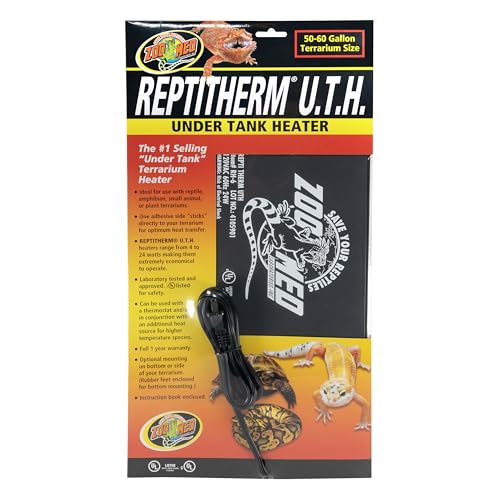
Reptile Under Tank Heater UTH
Primary heat source for leopard gecko warm side — pairs with a thermostat to maintain 88-92°F safely
Check Price on Amazon
Arcadia T5 HO UVB Fixture Reptile
The gold-standard UVB fixture for blue tongue skinks — required for Ferguson Zone 3-4 output across the enclosure
Check Price on AmazonLifetime Cost Breakdown
Both species live 15-20+ years. Over a 15-year ownership period, the cost difference is meaningful.
| Cost Category | Leopard Gecko (15 yr) | Blue Tongue Skink (15 yr) |
|---|---|---|
| Initial animal | $50-150 | $150-400 |
| Initial setup | $150-300 | $300-500 |
| Monthly ongoing (avg) | $22 | $38 |
| 15-year ongoing total | ~$3,960 | ~$6,840 |
| Estimated lifetime total | ~$4,160-4,410 | ~$7,140-7,340 |
Neither species is expensive in the reptile hobby. But the blue tongue skink costs roughly $3,000 more over a 15-year ownership period — primarily from higher food, UVB bulb replacement (every 6-12 months for T5 HO), and substrate needs in a larger enclosure.
Product Recommendations
For a leopard gecko setup:
- Exo Terra Glass Terrarium 36×18×18 — ideal enclosure size for one adult LG
- [Repti-Zoo Under Tank Heater](https://www.amazon.com/dp/B07KKHZPMG?tag=krawlo-20 — primary heat source, pairs with a thermostat
- Reptile calcium powder with D3 — dust feeders at every meal
- Reptile substrate coconut fiber mix — bioactive-compatible substrate option
For a blue tongue skink setup:
- [Arcadia T5 HO UVB fixture 24-inch](https://www.amazon.com/dp/B09R98Z93P?tag=krawlo-20 — the gold standard UVB for BTS
- [Halogen flood reptile basking bulb 75W](https://www.amazon.com/dp/B0006L2UBU?tag=krawlo-20 — cheap, effective basking spot heat
- [Digital reptile thermometer hygrometer](https://www.amazon.com/dp/B07GR65CNT?tag=krawlo-20 — critical for monitoring both temperature and humidity
Shedding: Simple vs Watchful
Both species shed their skin as they grow, but the process is quite different in practice.
A leopard gecko sheds every 4-6 weeks as a juvenile, slowing to every 6-8 weeks as an adult. They eat their own shed immediately — you will often not even see it happen. The main thing you need to provide is a humid hide (a small enclosed hide with damp sphagnum moss) to soften the shed. Retained shed on toes is the main risk, and a 15-minute warm water soak resolves most cases. Our shedding guide covers the full process.
A blue tongue skink shed is an event. At 18-24 inches, they shed in large sections and the process can take 24-72 hours. They often rub against enclosure decorations to remove loose skin. Incomplete shed on the toes or tail tip requires attention — soak first, gentle assistance second. Our BTS shedding guide covers emergency retained shed protocols. Because Indonesian subspecies require higher humidity, maintaining shed health is more active than with a Northern BTS or leopard gecko.
Lifestyle Match: Which Animal Fits YOUR Life?
This is the only question that actually matters.
You Are the Right Person for a Leopard Gecko If...
You live in a studio apartment, college dorm, or shared home with limited space. You want a pet you can hold and interact with daily in a low-key way. You are not squeamish about insects but do not want to manage a complex diet. You are on a budget and want a reptile that does not require major upfront investment in equipment. You travel occasionally and need a pet a friend or basic sitter can manage.
Leopard geckos are also ideal for anyone who has never kept a reptile before and wants a manageable first experience. They are forgiving of beginner mistakes in ways that larger, more metabolically demanding animals are not. If you want to graduate to a blue tongue skink after a few years, a leopard gecko is an excellent first step.
You Are the Right Person for a Blue Tongue Skink If...
You have a dedicated room or significant floor/shelf space. You enjoy the process of preparing food and want an animal with genuine dietary complexity. You want a reptile that is more interactive, more personable, and commands presence in a room. You are comfortable with a larger upfront investment and the research that goes into a proper UVB setup. You have experience with reptiles or are willing to put in extra time during the setup and taming phase.
The blue tongue skink rewards patient, engaged owners with one of the best personalities in the reptile hobby. Many BTS keepers describe them as the most dog-like reptile they have ever kept — and that description consistently holds up in keeper communities.
Lifestyle Scenario Quick Reference
| Your Situation | Recommended | Reason |
|---|---|---|
| Studio apartment | Leopard Gecko | Space constraints |
| Frequent mover | Leopard Gecko | Small, lightweight setup |
| First reptile ever | Leopard Gecko | Forgiving, low-complexity |
| Budget under $300 total | Leopard Gecko | Setup + animal under $300 |
| Want a "wow" animal for guests | Blue Tongue Skink | Impressive, personable |
| Enjoy meal prep / cooking | Blue Tongue Skink | Complex diet is satisfying |
| Have reptile experience | Either | Both excellent |
| Kids aged 6-9 | Leopard Gecko | One-hand, slow, forgiving |
| Kids aged 10+ | Either | BTS with supervision |
| Renting / landlord issues | Leopard Gecko | Discreet setup |
The Decision Framework
Ask yourself three questions, in order:
1. Do I have 4+ square feet of dedicated enclosure space? If no: leopard gecko. If yes: continue.
2. Am I willing to research and invest in a proper UVB setup? If no: leopard gecko. If yes: continue.
3. Do I want an animal that feels substantial and commands a room? If yes: blue tongue skink. If no: leopard gecko.
Neither answer is wrong. A leopard gecko kept well is a 15-20 year companion that is a joy to own. A blue tongue skink kept well is one of the most impressive and personable reptiles a beginning or intermediate keeper can own. The difference is entirely about fit — how much space, time, and complexity you want in your life.
For more context before deciding, read our best pet lizards for beginners guide and check our leopard gecko species page and blue tongue skink species page. If you are comparing the BTS to another popular ground-dwelling lizard, our bearded dragon vs leopard gecko guide covers how a bearded dragon stacks up against the simpler gecko. And if your new reptile ever seems unwell, our reptile illness signs guide helps you know when to call a vet.
Recommended Gear
Exo Terra Glass Terrarium 36x18x18
The ideal 40-gallon footprint for one adult leopard gecko — front-opening for easy access, fits on standard shelving
Check Price on AmazonReptile Under Tank Heater UTH
Primary heat source for leopard gecko warm side — pairs with a thermostat to maintain 88-92°F safely
Check Price on AmazonArcadia T5 HO UVB Fixture Reptile
The gold-standard UVB fixture for blue tongue skinks — required for Ferguson Zone 3-4 output across the enclosure
Check Price on Amazon
Halogen Flood Light Bulb Reptile Basking
Affordable and effective basking spot heat for blue tongue skink enclosures — produces the 95-105°F basking temperature required
Check Price on Amazon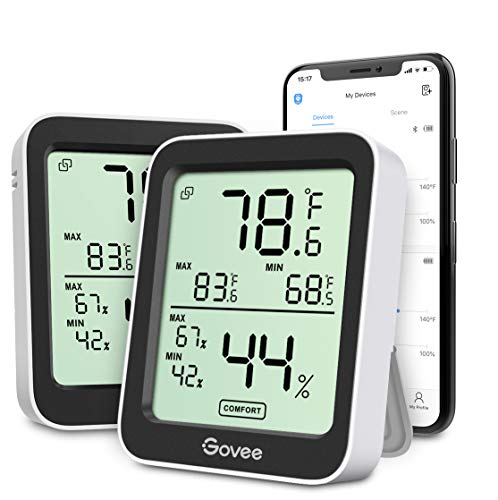
Digital Reptile Thermometer Hygrometer
Essential for monitoring both temperature and humidity in any reptile enclosure — especially important for BTS humidity management
Check Price on AmazonReptile Calcium Powder D3 Supplement
Required supplement for both species — dust feeder insects for leopard geckos, add to BTS food mix for bone health
Check Price on AmazonFrequently Asked Questions
Yes, meaningfully so. A blue tongue skink requires a larger enclosure (4×2×2 ft vs a 40-gallon tank), mandatory UVB lighting, a complex omnivore diet involving dog food and salad preparation, and higher setup costs ($300-500 vs $150-300). Leopard geckos are one of the easiest reptiles for beginners. Blue tongue skinks are manageable but require more research and equipment investment before you bring one home.
References & Sources
Related Articles

Blue Tongue Skink vs Bearded Dragon: Which Large Lizard Is Right for You?
Blue tongue skink vs bearded dragon: same size, same price — but one eats dog food and the other needs the strongest UVB in the hobby. Find your match.

Bearded Dragon vs Leopard Gecko: Which Pet Lizard Is Right for You?
Bearded dragon vs leopard gecko: compare daily care time, UVB lighting needs, diet complexity, brumation risk, and true costs to find your ideal lizard.

Leopard Gecko vs Crested Gecko: Key Differences for Beginners
Leopard gecko vs crested gecko — honest side-by-side comparison of care difficulty, handling temperament, diet, lifespan, setup costs, and which is best for beginners.