
Blue Tongue Skink Shedding Guide: One-Piece Sheds, Stuck Toe Emergencies & Subspecies Humidity
Blue tongue skinks shed in one piece like snakes — and stuck shed on toes can cause tissue death within days. Learn the complete BTS shedding guide here.

✓Recommended Gear
In this guide, we cover everything you need to know and recommend 6 essential products. Check prices and availability below.
TL;DR: Blue tongue skinks shed in one complete piece (like a sock), with juveniles shedding every 4-6 weeks and adults every 6-8 weeks. Stuck shed on toes is the most urgent complication — treat with 20-30 minute warm soaks; Northern subspecies need 40-50% ambient humidity, while Indonesian species need 60-70% to shed cleanly.
You wake up to find your blue tongue skink's enclosure littered with shed skin — and something is off. The shed is not in patches like your beardie produces. It came out in one long, translucent sleeve, almost like a sock turned inside out. You are not sure if this is normal or alarming.
It is completely normal — and it is one of the most important things to understand about blue tongue skinks. BTS shed in a single complete piece, more like a snake than a lizard, which changes everything about how you identify problems, set up the enclosure, and respond to stuck shed emergencies. More critically: stuck shed on toes and tail tips is not a minor inconvenience for a BTS. It is a genuine medical emergency that can cause permanent tissue damage within days.
This guide covers the full picture — the biology behind one-piece shedding, how to set the right humidity for your specific subspecies, how to read pre-shed signs, and exactly what to do when things go wrong.
One-Piece Shedding: How BTS Shed Differently From Other Lizards
Blue tongue skinks shed their skin in a single complete piece — intact from snout to tail tip — which is unusual among lizards and makes them much more like snakes in their shedding biology.
Most lizards shed in patches. Bearded dragons shed body sections over several days, with facial and belly skin releasing at different times. Leopard geckos do something similar, losing skin in loosely sequential chunks. You would not find a complete intact gecko skin sitting in the enclosure.
Blue tongue skinks, by contrast, shed the entire outer skin layer as a continuous envelope — old skin separates uniformly from the new layer beneath, peeling away from the snout and rolling backward to the tail. The result is a complete, inside-out shed skin that you can recognize as a perfect hollow replica of your skink.
Why This Changes Stuck Shed Detection
Because the shed is one piece, problems look different with BTS than with patch-shedding lizards. There is no patchwork of retained areas to spot during an active shed. Instead, look for:
- Constriction rings on toes — Old skin that did not release rolls into a tight band around the toe base
- Pale ring at the tail tip — A visible seam where old skin stopped releasing
- Skin cap remaining on the snout — The shed started but did not fully peel back from the face
- Overall tight, uncomfortable-looking skin — The shed partially separated but remains adhered across large areas
A complete shed means nothing remains. After a clean shed, run your hands along every digit and the tail tip. A BTS that shed cleanly yesterday can still have a hairline ring of old skin on a single toe that you missed.
How Long Does a BTS Shed Take?
The pre-shed phase (behavioral and color changes) spans 7-14 days. The actual physical shedding event — once the skin begins peeling — typically takes 30 minutes to a few hours. It is often completed overnight.
| Life Stage | Shed Frequency |
|---|---|
| Hatchlings (0–4 months) | Every 2–4 weeks |
| Juveniles (4–18 months) | Every 4–6 weeks |
| Sub-adults (18–36 months) | Every 6–8 weeks |
| Adults (3+ years) | Every 8–12 weeks |
Pro Tip: When you find a shed skin, spread it out and examine it before discarding. A complete, intact shed that stretches without tearing indicates ideal humidity. A brittle, fragmented, or papery shed is your enclosure telling you humidity was too low during that cycle.
BTS Shed Frequency by Life Stage
Hatchlings (0–4 months)
Every 2–4 weeks
Fastest growing stage
Juveniles (4–18 months)
Every 4–6 weeks
Still rapid growth
Sub-adults (18–36 months)
Every 6–8 weeks
Approaching adult size
Adults (3+ years)
Every 8–12 weeks
Slowest shed cycle
Reading the Signs: How to Know a Shed Is Coming
The most reliable pre-shed indicator in blue tongue skinks is color dulling — the normally vivid banding fades to a washed-out, grayish tone approximately 1-2 weeks before shedding.
This happens because lymphatic fluid accumulates between the old skin layer and the newly forming layer beneath. The fluid layer scatters light differently than normal skin, causing the characteristic muted appearance.
Behavioral changes follow the color change:
- Reduced appetite or complete food refusal — Completely normal; do not force-feed
- Increased hiding — BTS become more reclusive and defensive during pre-shed
- Eyes appear cloudy, bluish, or dull — Unlike snakes that go fully opaque, BTS eyes typically appear slightly hazy rather than dramatically milky
- Irritability and handling refusal — Pre-shed skin is physically sensitive; a normally docile skink may hiss or flatten defensively
- Rubbing the snout and face on enclosure furniture — The skink attempts to create a starting point for the shed to peel from at the nose tip
None of these behaviors require intervention. They are the shed process working correctly. Your job during this phase is to verify humidity is in the correct range for your subspecies (see the next section) and ensure the enclosure substrate is adequate.
What NOT to Do During Pre-Shed
- Do not increase handling — Unnecessary stress during pre-shed can interrupt the process
- Do not remove the hide or rearrange the enclosure — Stability is important
- Do not withhold food indefinitely — After the shed completes, appetite returns. If it does not return within 3-5 days post-shed, check temperatures and enclosure conditions
- Do not mist heavily in humid-intolerant subspecies — More on this in the subspecies section below
Pro Tip: Keep a simple photo log of your skink during pre-shed periods. Comparing the dull pre-shed color to the vivid post-shed color is one of the most satisfying visual indicators that your husbandry is correct — bright, rich color post-shed means the new skin layer is healthy.
Pre-Shed Signs to Watch For
What you need to know
Color dulling 1–2 weeks before shedding is the most reliable pre-shed indicator
Look for reduced appetite, increased hiding, and cloudiness in eyes during pre-shed
Behavioral irritability and snout rubbing indicate the shed process is progressing normally
Do not increase handling, rearrange the enclosure, or withhold food during pre-shed
Shedding by Subspecies: Humidity Needs for Indonesian vs Northern vs Eastern
This is the section most BTS guides skip entirely — and it is the most critical factor in preventing stuck shed. Different BTS subspecies evolved in radically different climates, and their humidity requirements during shedding are not interchangeable.
Treating an Indonesian BTS the same as a Northern BTS on humidity is one of the most common causes of chronic dysecdysis in captive skinks.
Indonesian Blue Tongue Skinks — Tiliqua gigas
Indonesian BTS require enclosure humidity of 60-80% year-round, with the higher end of that range preferred during shedding. They originate from the humid tropical forests and lowland scrub of Indonesia and New Guinea, where ambient humidity rarely drops below 70% even in dry seasons.
In a dry enclosure, Indonesian BTS develop chronic stuck shed, respiratory issues, and degraded skin quality within months. Their shed layer requires sustained moisture to separate cleanly.
Recommended setup for Indonesian subspecies:
- Substrate: Coconut fiber or coconut fiber blended with orchid bark (4-6 inch deep layer)
- Mist the substrate — not the skink directly — once daily or every other day
- Humid hide: a large enclosed hide filled with damp sphagnum moss, accessible year-round
- Monitor with a digital hygrometer; target 70% during pre-shed, 60-65% outside of shed
Subspecies in this group include: Tiliqua gigas gigas (Common Indonesian), T. g. evanescens (Kei Island), T. g. keyensis (Tanimbar). Tanimbar BTS are sometimes kept at slightly lower humidity (60-70%) due to their island origin, but still significantly higher than Northern BTS.
Northern Blue Tongue Skinks — Tiliqua scincoides intermedia
Northern BTS require enclosure humidity of 40-60%, with the higher end of that range during pre-shed periods. They originate from the open woodlands and savanna grasslands of northern Australia — seasonal environments with a distinct dry season that produces genuinely low humidity for months at a time.
Northern BTS are the most commonly kept subspecies in the United States and are frequently overhumidified by keepers who apply Indonesian care standards to an Australian species. Chronic high humidity in Northern BTS causes respiratory infections and scale rot.
Recommended setup for Northern subspecies:
- Substrate: Cypress mulch, bioactive mix, or coconut fiber (3-4 inch layer)
- No routine misting; ambient humidity maintained by substrate moisture and enclosure type
- Humid hide: available during pre-shed, can be removed outside of shedding periods
- Monitor with a digital hygrometer; target 55-60% during pre-shed, 40-50% outside of shed
Eastern Blue Tongue Skinks — Tiliqua scincoides scincoides
Eastern BTS fall between Northern and Indonesian in their humidity requirements: target 40-60% ambient humidity, with a humid hide available year-round. They are native to the more temperate regions of eastern and southeastern Australia, where humidity varies seasonally but is generally moderate.
Eastern BTS tolerate slightly more humidity variation than Northerns, but are still distinctly different from Indonesian subspecies. Treat them like Northern BTS with a slightly more forgiving upper limit.
Subspecies Humidity Reference
| Subspecies | Origin Climate | Ambient Target | During Shed | Humid Hide |
|---|---|---|---|---|
| Indonesian (T. gigas) | Tropical/humid | 60–80% | 70–80% | Year-round |
| Tanimbar (T. g. keyensis) | Tropical island | 60–70% | 65–75% | Year-round |
| Northern (T. s. intermedia) | Savanna/dry | 40–60% | 55–60% | Pre-shed only |
| Eastern (T. s. scincoides) | Temperate | 40–60% | 55–60% | Year-round |
| Blotched (T. nigrolutea) | Cool temperate | 40–55% | 50–60% | Pre-shed only |
Accurately monitoring humidity requires a reliable digital hygrometer. The **[Zoo Med Digital Combo Thermometer Hygrometer](https://www.amazon.com/dp/B00U9ODNRO?tag=krawlo-20 reads ±3% accuracy and monitors both temperature and humidity from a single dual-probe unit — position one probe at mid-enclosure height and check the humid hide with the second probe during pre-shed periods. See our best reptile hygrometer guide for full comparisons.
According to ReptiFiles blue tongue skink care, subspecies-appropriate humidity is one of the most commonly misconfigured aspects of BTS husbandry — and one of the leading causes of preventable stuck shed.
Pro Tip: If you are unsure which subspecies you have, ask the breeder or seller for lineage documentation. The physical appearance of Indonesian and Northern BTS can overlap, particularly in juveniles, and misidentification leads to years of incorrect husbandry.
Indonesian vs Northern BTS Humidity Requirements
Side-by-side comparison
| Feature | Indonesian BTS | Northern BTS |
|---|---|---|
| Annual humidity range | 60–80% | 40–60% |
| Humidity during shedding | Higher end (70%+ preferred) | Mid-range (50–60%) |
| Substrate depth | 4–6 inches (coconut fiber/bark) | ★2–4 inches (aspen, cypress) |
| Stuck shed risk without proper humidity | Very high—chronic dysecdysis | ★Moderate—easily preventable |
Our Take: Indonesian BTS require significantly higher humidity year-round; confusing subspecies humidity needs is the leading cause of stuck shed problems.
Substrate Choices That Support Healthy Shedding
Substrate is the primary passive humidity-management tool for BTS — the right substrate holds moisture at the level your subspecies needs without active misting.
For Indonesian and Eastern BTS, a moisture-retaining substrate is non-negotiable. For Northern BTS, substrate choice still matters — you want something that holds moderate humidity without going swampy.
Best Substrates for BTS Shedding
**[Zoo Med Eco Earth Coconut Fiber](https://www.amazon.com/dp/B01CN8ZRYA?tag=krawlo-20 is the most versatile option across subspecies. At a 4-6 inch depth, it holds moisture well for Indonesian BTS when kept slightly damp, or at a drier setting for Northern BTS. It is naturally resistant to mold and holds together well when a skink burrows.
Cypress mulch is an excellent choice for Northern and Eastern BTS. It provides good moisture retention without going waterlogged, is widely available, and creates a natural, forest-floor aesthetic. Avoid cedar or pine — aromatic oils in these woods are toxic to reptiles.
Coconut fiber blended with orchid bark (50/50) creates the best substrate for Indonesian BTS specifically. The orchid bark adds drainage and prevents anaerobic compaction at depth, while the coconut fiber provides moisture retention at the surface layer where your skink moves.
Sphagnum moss should be used inside humid hides rather than as a full-enclosure substrate. It is unmatched for moisture retention and soft texture — ideal for the localized humidity microclimate that supports shedding. Galapagos Sphagnum Moss Natural packs well, resists mold, and a single bag lasts months in a humid hide.
| Substrate | Best For | Humidity Retention | Notes |
|---|---|---|---|
| Coconut fiber (Eco Earth) | All subspecies | High | Most versatile; adjust moisture level by subspecies |
| Cypress mulch | Northern, Eastern | Moderate | Natural look; avoid aromatic woods |
| Coconut fiber + orchid bark | Indonesian | Very High | Best drainage-to-retention ratio |
| Sphagnum moss | Humid hide only | Excellent | Too wet as main substrate; use inside hides |
| Bioactive mix (soil + leaf litter) | All subspecies | Moderate-High | Excellent long-term option; requires more setup |
Pro Tip: Avoid fine particle substrates like calcium sand or playground sand for BTS. During shedding, the skink frequently rubs against the substrate and mouths the floor — fine particles can be ingested, causing impaction, and do nothing for humidity.

Zoo Med Eco Earth Coconut Fiber Substrate
Most versatile substrate across all BTS subspecies — holds moisture well for Indonesians when kept damp, or at a drier setting for Northern BTS.
Check Price on Amazon
Cypress Mulch Reptile Substrate
Ideal substrate for Northern and Eastern BTS — provides moderate humidity retention without going waterlogged, and is widely available at most pet retailers.
Check Price on AmazonThe Toe Constriction Emergency: When Stuck Shed Becomes Dangerous
Retained shed on blue tongue skink toes is a genuine veterinary emergency — not a "wait and see" situation. A ring of old skin on a toe acts as a tourniquet, restricting blood flow. Tissue death can begin within 24-48 hours of constriction.
This is the most critical section in this guide. Most shedding problems in reptile keeping are inconveniences. Toe constriction in BTS is not.
Why BTS Toes Are Especially Vulnerable
Blue tongue skinks have robust, muscular legs with five stout toes. Unlike the delicate pointed toes of leopard geckos, BTS toes are thick and powerful — built for digging. This thickness, paradoxically, makes them more vulnerable to shed constriction. A ring of old skin has more diameter to wrap around, and the tighter the wrap, the faster circulation is compromised.
The toe structure also means constriction is easier to miss. The shed does not always look obviously problematic — it may appear as a slightly rough or dull area at the toe base, not an obvious band of old skin. Run a damp finger along every toe individually after every shed.
Progression of Toe Constriction
| Stage | Appearance | Time from Shed | Action Required |
|---|---|---|---|
| Early | Slightly dull, rough skin ring at toe base | Hours to 1 day | Soak + cotton swab immediately |
| Moderate | Toe tip looks slightly darker; light compression visible | 1–2 days | Soak immediately; vet consult if no release |
| Severe | Toe is visibly dark, swollen above constriction | 2–3 days | Veterinary emergency — do not attempt home removal |
| Critical | Toe is black, cold, and unresponsive | 3+ days | Immediate veterinary emergency |
What to Do Immediately
Do not pull. Do not use tweezers. Do not try to cut the shed ring. Any dry removal attempt tears the tissue underneath the constriction, and the new skin at a constriction point is already under stress.
- Begin the soak protocol immediately (see the next section for full steps)
- If the toe is already darkening (moderate to severe), call a reptile vet while preparing the soak — do not wait to see if soaking alone resolves it
- After a successful soak and release, photograph the toe and monitor daily for the next week. A released constriction can still cause secondary issues if circulation was compromised
- If the toe does not respond to a 20-minute soak, stop and go directly to a reptile vet
Tail Tips Are the Second High-Risk Zone
The tail tip narrows to a point even more dramatically than toes. A ring of retained shed at the tail tip desiccates and tightens within hours. Check the tail tip as carefully as the toes after every shed — run a fingertip along the last 2 inches of tail and feel for any seam of old skin. Unlike leopard gecko tails, BTS tails do not regenerate. Tail tip loss from retained shed is permanent.
For context on how other species handle similar issues, the leopard gecko shedding guide covers toe constriction in a species with much finer toes, while the bearded dragon shedding guide addresses retained patches in a patch-shedding species where the problem looks completely different.
Pro Tip: Build the post-shed toe and tail check into your enclosure maintenance schedule as a non-negotiable task — even if the shed looked perfect. A ring of retained shed is sometimes invisible until you feel for it.
The Soak Technique: Step-by-Step Stuck Shed Removal
The warm soak is the foundation of stuck shed treatment for blue tongue skinks. It works because warm water rehydrates the desiccated old skin layer, allowing it to expand slightly and release its grip on the new skin beneath.
This protocol is specifically developed for BTS — the anatomy, water depth, and tools differ from what works for smaller lizards or snakes.
What You Need
- A clean plastic container with lid (shoebox-sized minimum; BTS are strong swimmers and will attempt to escape)
- A reliable thermometer (aquarium or digital probe)
- Warm water from the tap
- A damp, soft washcloth or microfiber cloth
- Cotton swabs
- Zoo Med Repti Shedding Aid — a conditioning spray that softens retained shed and significantly improves release rates when combined with soaking
- **[Fluker's Repta-Rinse Reptile Rinse](https://www.amazon.com/dp/B0027J0WF0?tag=krawlo-20 — an aloe-based rinse that soothes skin after shed removal
Step-by-Step Protocol
Step 1 — Prepare the soak. Fill the container with 85-90°F water. For a full-grown adult BTS, water depth should reach the belly but allow the skink to hold its head fully above water without effort — approximately 2-3 inches for most adults, shallower for juveniles. BTS can and will drink during soaks; the water must be clean.
Step 2 — Optional pre-soak spray. Lightly mist any visible stuck shed areas with Zoo Med Repti Shedding Aid before placing the skink in water. The conditioning agents begin penetrating the old skin immediately and improve release rates during the soak.
Step 3 — Soak for 15-20 minutes. Place the skink in the container and close the lid loosely (air must circulate). Most BTS will explore the container, attempt to escape for the first few minutes, then settle. The skin visibly softens as the soak progresses — you will see the dull retained areas start to look more pliable.
Step 4 — Washcloth friction. After soaking, lift your skink and let it walk across a damp warm washcloth on a flat surface. The light friction of the cloth often lifts loosened shed from large body areas without any further intervention. Many keepers complete their entire stuck shed removal in this step alone.
Step 5 — Cotton swab work on toes and tail. For retained shed on individual toes or the tail tip, use a damp cotton swab with a gentle rolling motion — never picking, pulling, or prying upward. Work the cotton fibers under the leading edge of the old skin and roll toward the tip. The fibers catch the loosened shed and lift it cleanly. Repeat for each affected toe individually.
Step 6 — Rinse and dry. Apply Fluker's Repta-Rinse to any areas where shed was removed to soothe the new skin. Pat the skink gently dry with a clean cloth and return it to the enclosure at normal temperature. Do not allow the skink to cool significantly during or after the soak — this slows metabolism and recovery.
Step 7 — If shed does not release. Stop after 20 minutes. Do not continue trying to force it. Repeat the full soak the next day. If stuck shed does not release after two consecutive daily soaks, contact a reptile veterinarian. If toes or tail tips are involved and show any darkening, skip the second attempt and go to the vet directly.
Pro Tip: Keep a dedicated BTS soak tub. A lidded plastic shoebox from a dollar store is ideal — it is the right size, easy to clean, and the lid prevents escape without sealing off air. Label it so nobody uses it for anything else.
Zoo Med Repti Shedding Aid
Conditioning spray that softens retained shed before and during soaking — significantly improves release rates on stuck toe and tail shed.
Check Price on Amazon
Fluker's Repta-Rinse Reptile Rinse
Aloe-based rinse that soothes and conditions new skin after stuck shed removal — reduces post-removal irritation and protects the fresh skin layer.
Check Price on AmazonSetting Up a Humid Hide
A humid hide is your most powerful passive tool for supporting clean sheds in blue tongue skinks — and for all subspecies, it is worth having even if your enclosure's ambient humidity is correct.
A humid hide is an enclosed hide box with a moisture-retaining substrate inside. Your BTS enters it when it needs localized high humidity — which it will do instinctively during pre-shed. The hide maintains 70-85% localized humidity without raising overall enclosure humidity, which protects against respiratory issues in drier subspecies.
Building a BTS Humid Hide
Blue tongue skinks need a large hide — small hides cause stress. A hide box appropriate for an adult BTS should be large enough for the skink to fully turn around inside. A plastic storage container with a hole cut in the side or lid works well.
Fill the bottom 2-3 inches with damp Galapagos Sphagnum Moss or coconut fiber. The substrate should be damp enough to feel moist when squeezed but should not drip. Refresh the moss every 3-5 days during pre-shed periods and check weekly for mold development (replace immediately if mold appears).
Position the humid hide on the cool side of the enclosure for Northern and Eastern BTS. For Indonesian BTS, placement on either side is fine — the whole enclosure tends to be warm and humid anyway.
Nutrition's Role in Shed Quality
Shed quality is a direct indicator of overall nutritional status. A BTS that consistently sheds brittle, thin, or fragmented skin despite correct humidity is nutritionally deficient.
Two specific deficiencies are most responsible for shed problems:
Vitamin A deficiency is the primary nutritional cause of dysecdysis in blue tongue skinks. Signs include skin that looks perpetually dull even outside of pre-shed phases, shed that fragments easily, and retained shed across multiple consecutive cycles despite adequate humidity. Supplement with a quality multivitamin containing preformed vitamin A (retinol) — not just beta-carotene, which reptiles convert inefficiently.
Hydration deficiency produces tight, adherent shed. An underhydrated BTS has less lymphatic fluid to build up between the old and new skin layers, meaning the old layer does not separate evenly. Signs include chalky orange urates (healthy urates are white), sunken eyes, and skin that does not spring back when gently pinched. Ensure a large water bowl is always available and mist the greens portion of each meal before serving.
See our complete blue tongue skink diet guide for the full supplement protocol. For BTS specifically, supplementing with Repashy Calcium Plus (calcium + D3 + multivitamin in one) on most feedings significantly reduces the likelihood of vitamin A-related shed problems.
Common Shedding Mistakes BTS Keepers Make
These are the errors that cause preventable stuck shed, toe loss, and veterinary emergencies in blue tongue skinks:
- Applying the same humidity to all subspecies — Indonesian BTS need 60-80%; Northern BTS need 40-60%. Misconfiguring this causes either chronic dysecdysis (too dry) or chronic respiratory infection (too wet).
- Skipping the post-shed toe check — One missed constriction ring on a toe starts the tourniquet clock. Make this a fixed habit.
- Pulling dry stuck shed — Always soak first. Dry removal tears the new skin layer and introduces infection risk.
- No humid hide — Even in subspecies that prefer drier conditions, a humid hide gives the skink a way to self-regulate during pre-shed.
- Wrong substrate for the subspecies — Fine sand provides no humidity support. Aspen dries out too quickly for Indonesian BTS.
- Supplement-only calcium, no multivitamin — Vitamin A deficiency builds slowly across months. Add a multivitamin rotation before you see shed quality degrade.
- Handling during active shedding — The loosened shed is physically sensitive and partially detached. Handling during active shed causes uneven tearing and adherent strips on the new skin.
- Treating stuck shed on a darkening toe with soaking alone — Once a toe shows discoloration, this is a vet case, not a soak case.
For enclosure setup that supports correct humidity gradients and temperatures throughout the year, see our best blue tongue skink enclosures guide. For enclosure hygiene after a shed (shed skin can harbor bacteria in humid environments), see our best reptile disinfectant guide.
When to See a Reptile Vet
Most BTS shed problems resolve with warm soaks and humidity correction. These situations require professional help:
- Any toe that shows darkening (purple, dark brown, or black) — Do not wait for soaking to resolve it. This is a circulation emergency.
- Stuck shed on any toe or tail tip that does not release after one full 20-minute soak — The margin for error on extremity shed is too small for a second attempt if tissue stress is present.
- Shed that does not progress within 14 days of pre-shed signs appearing — May indicate systemic illness, parasites, or severe nutritional deficiency.
- Skin that looks red, inflamed, or ulcerated beneath a retained patch — Indicates infection under the shed.
- Any shed from an Indonesian BTS showing fragmentation despite 70%+ humidity — May indicate internal parasites or vitamin A deficiency requiring diagnosis.
- Post-shed skink that is not eating after 7 days — Combine with a full husbandry audit and vet consult if no environmental cause is found.
According to bluetongueskinks.net, retained shed emergencies on toes and tail tips are among the most common reasons BTS keepers contact emergency reptile vets — and the vast majority are preventable with routine post-shed checks.
Recommended Gear
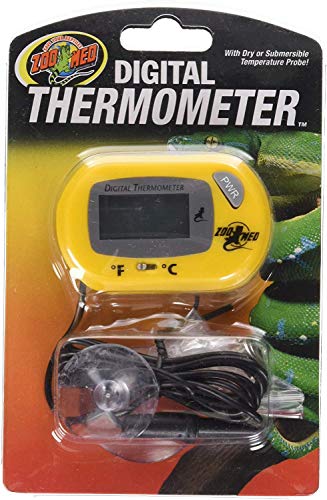
Zoo Med Digital Combo Thermometer Hygrometer
Dual-probe digital accuracy (±3%) for monitoring both ambient and humid-hide humidity simultaneously — essential for subspecies-appropriate humidity management.
Check Price on AmazonZoo Med Eco Earth Coconut Fiber Substrate
Most versatile substrate across all BTS subspecies — holds moisture well for Indonesians when kept damp, or at a drier setting for Northern BTS.
Check Price on AmazonGalapagos Sphagnum Moss Natural
The best humid-hide substrate for BTS — unmatched moisture retention, resists mold, and one bag lasts months in a regularly refreshed hide.
Check Price on AmazonZoo Med Repti Shedding Aid
Conditioning spray that softens retained shed before and during soaking — significantly improves release rates on stuck toe and tail shed.
Check Price on AmazonFluker's Repta-Rinse Reptile Rinse
Aloe-based rinse that soothes and conditions new skin after stuck shed removal — reduces post-removal irritation and protects the fresh skin layer.
Check Price on AmazonCypress Mulch Reptile Substrate
Ideal substrate for Northern and Eastern BTS — provides moderate humidity retention without going waterlogged, and is widely available at most pet retailers.
Check Price on AmazonFrequently Asked Questions
Yes — blue tongue skinks shed their entire outer skin layer as a single complete piece, which is unusual among lizards. The shed peels backward from the snout to the tail tip, often completing in a few hours. A complete, intact shed skin is the best indicator that humidity and nutrition are correct. Multiple fragments or partial sheds indicate humidity was too low during the shed cycle.
References & Sources
- https://reptifiles.com/blue-tongue-skink-care/
- https://bluetongueskinks.net/
- https://www.merckvetmanual.com/exotic-and-laboratory-animals/reptiles/management-and-husbandry-of-reptiles
- https://www.arav.org/
- https://www.rvc.ac.uk/small-animal-vet/general-practice/practice-services/exotic-vet-service/reptile-vet
Related Articles

Blue Tongue Skink Diet & Feeding Guide (By Age)
Complete blue tongue skink diet guide covering the protein-to-vegetable ratio by age, the dog food debate, best protein sources, safe greens, supplements, and the most common feeding mistakes that cause obesity.

Corn Snake Shedding Guide: What's Normal, What to Watch, and When to Relax
Corn snake shedding only needs 40-60% humidity. Screen-top tanks work fine, stuck shed is rare. Here's what to expect and when to worry.

Bearded Dragon Shedding Guide: What's Normal and How to Help
Bearded dragon shedding in patches is normal — learn the pre-shed signs, how to help with stuck shed, and when to see a vet.