
5 Best Pet Lizards for Beginners (2026 Guide)
Discover the best pet lizards for beginners. Comparing bearded dragons, leopard geckos, crested geckos, and more.

✓Recommended Gear
In this guide, we cover everything you need to know and recommend 3 essential products. Check prices and availability below.
TL;DR: The five best beginner lizards are leopard geckos (#1 overall — insect-only, no UVB needed, $150–300 setup), crested geckos, bearded dragons, blue tongue skinks, and ackie monitors — all available captive-bred and handleable. Leopard geckos and crested geckos have the simplest care; bearded dragons and blue tongue skinks offer more interaction but require UVB and larger setups ($300–500). Avoid chameleons, green iguanas, and water dragons as first reptiles — all three punish beginner mistakes severely.
Choosing your first pet lizard is exciting — but picking the wrong species can turn that excitement into frustration fast. Some lizards need complex lighting setups, precise humidity control, or specialized diets that overwhelm new keepers. Others are hardy, forgiving, and genuinely enjoy human interaction.
This guide ranks the five best beginner lizards based on factors that actually matter: ease of care, handleability, cost, space requirements, and availability. Every species on this list is one we'd confidently recommend to someone who has never kept a reptile before.
What Makes a Good Beginner Lizard?
Before diving into specific species, here's what separates a beginner-friendly lizard from an expert-only species:
- Forgiving of mistakes — tolerates minor temperature or humidity fluctuations without getting sick
- Simple diet — doesn't require rare or hard-to-source food items
- Reasonable space — doesn't need a 6-foot enclosure
- Handleable — tolerates regular handling without excessive stress
- Hardy health — doesn't have a long list of species-specific diseases
- Available captive-bred — wild-caught animals are harder to keep and more prone to parasites
- Affordable setup — initial investment is manageable
With those criteria in mind, here are our top five picks.
What Makes a Good Beginner Lizard?
What you need to know
Forgiving of mistakes — tolerates minor temperature or humidity fluctuations without getting sick.
Simple diet — doesn't require rare or hard-to-source food items.
Reasonable space — doesn't need a 6-foot enclosure to thrive.
Handleable — tolerates regular handling without excessive stress.
Hardy health — doesn't come with a long list of species-specific diseases.
Available captive-bred — wild-caught animals are harder to keep and more prone to parasites.
1. Leopard Gecko — Best Overall Beginner Lizard
| Spec | Detail |
|---|---|
| Adult size | 7-10 inches |
| Lifespan | 15-20+ years |
| Enclosure | 20-40 gallon (ground space matters) |
| Diet | Insects (dubia roaches, crickets, mealworms) |
| Temperature | 88-92°F warm side, 75°F cool side |
| Handling | Excellent — docile and rarely bite |
| Cost | $30-100 (gecko) + $150-300 (setup) |
The leopard gecko is our number one recommendation for first-time reptile owners. Here's why:
They're genuinely easy. Leopard geckos don't need UVB lighting (though it's beneficial), don't require misting or high humidity, and thrive at room temperature with simple supplemental heating. Their care requirements are the most forgiving of any commonly kept lizard.
They're handleable. Leopard geckos are naturally docile and rarely bite. They tame down quickly with consistent, gentle handling and seem to genuinely tolerate (some say enjoy) interaction.
They live a long time. With proper care, leopard geckos routinely live 15-20 years, with some reaching 25+. This is a long-term companion, not a short-lived pet.
The downsides: They're nocturnal/crepuscular, so you won't see much activity during the day. They're also insectivores, so you'll need to keep feeder insects on hand.
2. Bearded Dragon — Best for Interaction
| Spec | Detail |
|---|---|
| Adult size | 18-24 inches |
| Lifespan | 10-15 years |
| Enclosure | 120 gallon / 4'x2'x2' (adult) |
| Diet | Omnivore (insects + vegetables) |
| Temperature | 100-110°F basking, 75-80°F cool side |
| Handling | Excellent — the most social lizard |
| Cost | $50-100 (dragon) + $300-500 (setup) |
The bearded dragon is the most popular pet lizard in the world for good reason. If you want a lizard that actually seems to enjoy your company, nothing beats a beardie.
Personality plus. Bearded dragons are diurnal (active during the day), curious, and develop genuine bonds with their owners. They'll watch TV from your shoulder, come to the front of the enclosure when you approach, and often initiate contact.
Omnivorous diet. Adults eat 70-80% vegetables and 20-30% insects, which is actually easier (and cheaper) than feeding a pure insectivore. Salads of collard greens, squash, and bell pepper are simple to prepare.
The downsides: They need a bigger enclosure than leopard geckos (120 gallon minimum), require proper UVB lighting and specific basking temperatures, and the initial setup cost is higher. They're ranked #2 because the setup is more complex, not because the animal is harder to care for day-to-day.
For setup details, check our bearded dragon tank setup guide. A quality **[4x2x2 PVC enclosure](https://www.amazon.com/dp/B0DRSHBP5S?tag=krawlo-20 and proper **[T5 HO UVB lighting](https://www.amazon.com/dp/B09R98Z93P?tag=krawlo-20 are the two most important investments.
3. Crested Gecko — Best Low-Maintenance Option
| Spec | Detail |
|---|---|
| Adult size | 7-9 inches |
| Lifespan | 15-20 years |
| Enclosure | 18"x18"x24" vertical |
| Diet | Commercial diet (Pangea/Repashy) + occasional insects |
| Temperature | 72-78°F (room temperature!) |
| Handling | Good — jumpy but gentle |
| Cost | $40-100 (gecko) + $150-250 (setup) |
The crested gecko wins the low-maintenance category by a wide margin. Their claim to fame: no special heating or lighting required in most homes.
Room temperature care. Crested geckos thrive at 72-78°F, which is normal room temperature for most people. They actually suffer in heat above 82°F. This eliminates the need for heat lamps, basking bulbs, and thermostats — a huge simplification.
Powdered diet. Crested geckos eat commercial crested gecko diet (CGD) — a powder you mix with water into a paste. No live insects required (though occasional crickets are a good supplement). This is the easiest feeding routine of any lizard.
The downsides: They're nocturnal and jumpy, especially when young. They can drop their tails, which don't grow back. And they need daily misting to maintain 60-80% humidity, which is the one extra maintenance step.
4. Blue Tongue Skink — Best for Families
| Spec | Detail |
|---|---|
| Adult size | 18-24 inches |
| Lifespan | 15-20 years |
| Enclosure | 4'x2'x2' (adult) |
| Diet | Omnivore (dog food, vegetables, insects, snails) |
| Temperature | 95-100°F basking, 75-80°F cool side |
| Handling | Excellent — calm and sturdy |
| Cost | $150-400 (skink) + $300-500 (setup) |
The blue tongue skink is essentially a puppy in lizard form. These chunky, ground-dwelling lizards are calm, sturdy, and practically beg to be handled.
Built for handling. Unlike delicate geckos, blue tongue skinks are robust animals that tolerate handling extremely well. Their calm temperament makes them ideal for families with kids (supervised, of course). They rarely bite, and when they do, it's more of a pinch than a real bite.
Simple omnivorous diet. Blue tongue skinks eat a mix of lean protein (turkey, eggs, even high-quality dog food), vegetables, and occasional insects. Their diet is probably the most "normal" of any pet lizard — no need to keep bins of feeder insects.
The downsides: Higher purchase price ($150-400+ depending on subspecies), need a large enclosure, and different subspecies have different humidity requirements (Northern vs. Indonesian). They can also be defensive and huff/puff until tamed down.
5. Veiled Chameleon — Best for Experienced Beginners
| Spec | Detail |
|---|---|
| Adult size | 12-24 inches (males larger) |
| Lifespan | 5-8 years |
| Enclosure | 24"x24"x48" screen cage |
| Diet | Insects (crickets, dubia roaches, hornworms) |
| Temperature | 85-95°F basking, 72°F ambient |
| Handling | Limited — observation pet |
| Cost | $50-200 (chameleon) + $200-400 (setup) |
The veiled chameleon is the most accessible chameleon species and makes our list as a "level 2" beginner pick. It's not the easiest first reptile, but it's manageable for someone who does their research.
Fascinating to watch. Independent eye movement, color changes, ballistic tongue strikes — chameleons are endlessly entertaining to observe. If you're more interested in watching than handling, a veiled chameleon is compelling.
The hardiest chameleon. Compared to panther chameleons or Jackson's chameleons, veiled chameleons tolerate a wider range of conditions and are more forgiving of beginner mistakes.
The downsides: Chameleons are NOT handleable pets. They tolerate minimal handling at best and get stressed easily. They need screen enclosures (not glass), automated misting systems, and precise husbandry.
They're on this list because they're the most beginner-friendly chameleon, not because they're easy overall. If this is your first reptile ever, start with options 1-4.
Quick Comparison Table
| Species | Difficulty | Size | Lifespan | Handling | Setup Cost |
|---|---|---|---|---|---|
| Leopard Gecko | Easy | 7-10" | 15-20 yr | Excellent | $150-300 |
| Bearded Dragon | Easy | 18-24" | 10-15 yr | Excellent | $300-500 |
| Crested Gecko | Easy | 7-9" | 15-20 yr | Good | $150-250 |
| Blue Tongue Skink | Easy-Moderate | 18-24" | 15-20 yr | Excellent | $300-500 |
| Veiled Chameleon | Moderate | 12-24" | 5-8 yr | Limited | $200-400 |
Leopard Gecko vs Bearded Dragon
Side-by-side comparison
| Feature | Leopard Gecko | Bearded Dragon |
|---|---|---|
| Adult Size | 7–10 inches | 18–24 inches |
| Lifespan | 15–20+ years | 10–15 years |
| Enclosure Size | 20–40 gallon | 120 gallon / 4'x2'x2' |
| Diet | Insects only | Insects + vegetables |
| UVB Required | Optional (beneficial) | Required |
| Setup Cost | $150–$300 | $300–$500 |
Our Take: Choose a leopard gecko for the simplest setup. Choose a bearded dragon for maximum personality and hands-on interaction.
Species We Almost Included
Corn Snake — technically not a lizard, but if you're open to snakes, corn snakes are arguably the easiest reptile of all to keep.
Fat-Tailed Gecko — similar to leopard geckos but slightly more humidity-dependent. Great species, but leopard geckos edge them out for pure ease.
Uromastyx — herbivorous desert lizards with fantastic temperaments. Left off the list due to higher heat requirements (120°F+ basking spots) and less availability.
How to Choose Your First Lizard
Still can't decide? Ask yourself these questions:
- Do you want to handle your lizard regularly? → Bearded dragon or blue tongue skink
- Do you want the simplest possible setup? → Crested gecko
- Do you want the best balance of easy + interactive? → Leopard gecko
- Do you have kids who want to participate? → Blue tongue skink
- Are you more interested in watching than handling? → Veiled chameleon
Crested Gecko vs Blue Tongue Skink
Side-by-side comparison
| Feature | Crested Gecko | Blue Tongue Skink |
|---|---|---|
| Difficulty | Easy | Easy–Moderate |
| Handling | Good (jumpy when young) | Excellent — calm and sturdy |
| Diet | CGD powder + occasional insects | Dog food, vegetables, insects |
| Heating Required | None (room temperature) | 95–100°F basking spot |
| Setup Cost | $150–$250 | $300–$500 |
Our Take: Crested geckos are lowest-maintenance — no heat lamps and a powdered diet. Blue tongue skinks are the best family lizard.
Recommended Gear
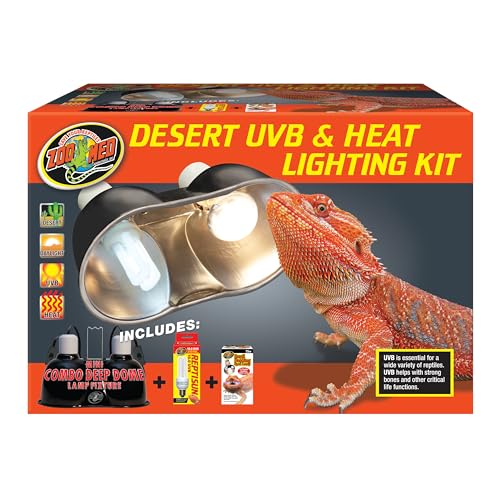
Zoo Med ReptiHabitat Bearded Dragon Kit
All-in-one starter kit with terrarium, lighting, and accessories
Check Price on AmazonExo Terra Glass Terrarium 36x18x18
Versatile front-opening tank suitable for most beginner lizards
Check Price on AmazonRep-Cal Calcium with Vitamin D3
The one supplement every pet lizard owner needs from day one
Check Price on AmazonFrequently Asked Questions
The leopard gecko and crested gecko are tied for easiest. Leopard geckos have simpler humidity needs while crested geckos don't need supplemental heating. Both are low-maintenance, docile, and long-lived.
References & Sources
Related Articles

Reptile Quarantine Guide for New Pets: A Practical 30–90 Day Protocol
Learn how to quarantine a new reptile safely with a beginner-friendly 30–90 day plan, daily checklists, biosecurity rules, illness red flags, and clear vet triggers.

Banded Gecko Care: Complete Guide for Beginners
Banded gecko care decoded: cooler temps than leopard geckos, tail-waving defense, and why these tiny desert natives thrive in compact setups. Start here.

Amazon Tree Boa Care: Complete Guide for Beginners
Learn how to care for an amazon tree boa with expert tips on enclosure setup, temperatures, feeding, and taming. Your complete care guide starts here.