
Bearded Dragon Tank Setup: Complete Guide
Step-by-step bearded dragon tank setup guide with exact temperatures, UVB specs, substrate options, and tested product picks. Includes wild habitat mapping, seasonal cycles, and feeding setup.

✓Recommended Gear
In this guide, we cover everything you need to know and recommend 12 essential products. Check prices and availability below.
TL;DR: A bearded dragon needs a minimum 4×2×2 ft (120-gallon equivalent) enclosure with a T5 HO UVB tube, a halogen basking bulb achieving 100–110°F surface temperature, and a dry substrate (tile, sand-soil mix, or paper towels for babies). Budget $300–600 for a quality full setup — skimping on UVB tube or enclosure size directly causes preventable metabolic bone disease. Elevated basking platforms (branches, slate rocks) are essential since beardies thermoregulate from above and rarely use floor-level heat.
You just brought home a bearded dragon — or you're about to — and now you're staring at a wall of terrariums, bulbs, and substrate bags wondering where to even start. We've been there. The pet store "starter kit" looks convenient, but most of them are too small, missing critical UVB, or packed with substrate that can hurt your dragon.
This guide cuts through the noise. We'll walk you through every component of a proper bearded dragon habitat, explain why each piece matters, and point you to the exact products that experienced keepers actually use. If you're new to bearded dragon care, our bearded dragon care guide covers the full picture beyond the tank.
Where Bearded Dragons Live in the Wild
Every care decision you'll make — tank size, basking temp, humidity level, light schedule, substrate depth — traces back to one source: the arid woodlands and semi-arid scrublands of eastern and central Australia where Pogona vitticeps evolved.
Bearded dragons are native to a massive swathe of Australia: Queensland, New South Wales, Victoria, South Australia, and the Northern Territory. The defining habitat features are consistent:
- Open, semi-arid to arid terrain — sparse vegetation, wide sightlines, minimal ground cover
- Hot, intense sunlight — UV Index regularly hits 12+ in summer
- Dramatic daily temperature swings — daytime air temps 85–105°F (29–40°C), dropping below 60°F (15°C) at night
- Dry air — average annual humidity 20–40%, lower in inland regions
- Sandy-clay substrate — a mix of compacted red earth, sand, and rock
- Elevated perch points — fence posts, fallen logs, rocky outcrops used for thermoregulation and territory display
Bearded dragons are diurnal (active by day) and semi-arboreal — they spend significant time elevated above ground level, basking in direct sunlight to warm up and scanning their territory. When something is off in your enclosure, the root cause almost always points back to a mismatch with these natural conditions.
Mapping Wild Habitat to Captive Care
| Wild Habitat Feature | Captive Equivalent | Why It Matters |
|---|---|---|
| 100+ square meters of territory | Minimum 120-gallon enclosure (4'×2'×2') | Exercise, thermoregulation, reduced stress |
| UV Index 8–12+ at basking sites | T5 HO 12% UVB tube, UVI 4.0–4.5 | Vitamin D3 synthesis, calcium absorption |
| Basking on rocks/logs at 110–120°F surface | Halogen flood bulb, basking surface 100–110°F | Digestion, immune function, activity |
| Air temp drops to 55–65°F at night | Lights off; supplemental heat only if below 65°F | Natural sleep cycle, metabolic reset |
| 20–40% ambient humidity | Enclosure humidity 30–40% | Respiratory health, proper shedding |
| Sandy-clay soil, compacted substrate | 50/30/20 play sand / topsoil / clay mix | Digging behavior, thermoconduction |
| Elevated perch points | Basking platform 8–12" below heat lamp | Access to correct basking zone |
| Open sightlines | Minimal clutter; background on 3 sides | Visual security without overcrowding |
Bearded Dragon Natural Habitat
Wild conditions that drive every care decision
UV Index
8–12+
Among the highest UVB needs of any pet reptile
Daytime Air Temp
85–105°F
29–40°C in eastern/central Australia
Nighttime Temp
Below 60°F
Dramatic drops are natural and healthy
Humidity
20–40%
Arid to semi-arid — one of the driest reptile habitats
Choosing the Right Enclosure
The short answer: get a 4' x 2' x 2' PVC enclosure. It's the sweet spot between cost, performance, and space for an adult bearded dragon. Glass tanks work too, but they lose heat faster and weigh a lot more.
The single most common mistake new owners make is buying a tank that's too small. Adult bearded dragons need a minimum of 120 gallons (48" x 24" x 24"). Many experienced keepers and international welfare guidelines now recommend 6' x 2' x 2' as the true ideal.
Glass vs. PVC vs. Wood
Glass aquariums are the most widely available option. They offer excellent visibility and clean up easily. The downsides? They lose heat quickly, the reflections can stress your dragon, and they're heavy. If you go glass, cover three sides with a background to cut reflections.
PVC enclosures like the [Zen Habitats 4x2x2 PVC Enclosure](https://www.amazon.com/dp/B0DRSHBP5S?tag=krawlo-20 are the gold standard for experienced keepers. They hold heat and humidity better than glass, weigh less, and come in proper 4' x 2' x 2' dimensions. The front-opening doors reduce stress compared to reaching in from above — approaching your dragon from the top mimics a predator swooping down, triggering a defensive response.
Wood enclosures (melamine or sealed plywood) are popular in the DIY community. They're affordable and hold heat well. The trade-off is that they require proper sealing to prevent moisture damage and are harder to clean. Many keepers build custom enclosures to get the exact size they need — just make sure the materials are non-toxic and properly sealed.
Size by Age
| Age | Minimum Enclosure Size | Recommended |
|---|---|---|
| Baby (0-6 months) | 40 gallons (36" x 18" x 18") | 40 gallons |
| Juvenile (6-12 months) | 75 gallons (48" x 18" x 21") | 75 gallons |
| Sub-adult (12-18 months) | 75 gallons | 120 gallons |
| Adult (18+ months) | 120 gallons (48" x 24" x 24") | 4' x 2' x 2' PVC or larger |
Pro Tip: Skip the "starter tank" and go straight to the adult-size enclosure. Babies do not get stressed in large tanks — that's an outdated myth. Just provide multiple hides and cover so they feel secure.

Heating: Basking and Ambient Temperatures
You need a hot basking spot at 100-110°F on one end, and a cool zone at 75-85°F on the other. This thermal gradient lets your beardie shuttle between warm and cool sides to regulate their own body temperature — exactly how they'd behave in the wild Australian outback.
This is the single most important concept in bearded dragon husbandry: thermal zoning. In the wild, bearded dragons move constantly between warm and cool microclimates throughout the day. Your enclosure must replicate this.
Target Temperatures
| Zone | Temperature |
|---|---|
| Basking spot (surface) | 100-110°F (38-43°C) |
| Warm side ambient | 85-90°F (29-32°C) |
| Cool side | 75-85°F (24-29°C) |
| Nighttime (all zones) | Above 65°F (18°C) |
Basking Setup
Use an overhead halogen flood bulb — it's the preferred heat source among experienced keepers. Halogen bulbs produce infrared-A and infrared-B radiation that penetrates deeper into tissue and mimics natural sunlight far better than ceramic heat emitters.
A [Philips 90W Halogen Flood Bulb](https://www.amazon.com/dp/B0D5RG9NHV?tag=krawlo-20 is a proven choice. Mount it on one end of the enclosure, positioned so the basking surface reads 100-110°F. Use a Zoo Med Digital Probe Thermometer to verify — the round dial stick-on thermometers are notoriously inaccurate and can be off by 20°F or more. For the most accurate surface readings, a [digital infrared thermometer gun](https://www.amazon.com/dp/B0FKNBB8WQ?tag=krawlo-20 gives you instant measurements anywhere in the enclosure — surface temp is what your dragon's belly actually contacts, and it can be 15-20°F hotter than the air around it.
Never use heat rocks. They cause thermal burns and have no place in any bearded dragon enclosure.
Nighttime Heating
If your home stays above 65°F at night, you don't need supplemental heating. In the wild, temperatures can drop to 55°F — cooler nights are natural and support healthy brumation cycles and sleep. If it drops below 65°F, use a ceramic heat emitter (CHE) or radiant heat panel. Never use colored "night" bulbs — red and blue lights disrupt sleep cycles even though they look dim to us.
Pro Tip: Put a probe thermometer on the cool side too. If the entire enclosure is hot, your beardie can't thermoregulate and will show signs of chronic stress — glass surfing, arm waving, loss of appetite. Fix the gradient first before troubleshooting behavior.
Thermostats: The Most Important Safety Accessory
Every heat source in your bearded dragon enclosure must be controlled by a thermostat — full stop. Without one, a basking bulb can overheat the enclosure on warm days, or a ceramic heat emitter can run unchecked overnight, creating dangerous temperatures that lead to burns or heat stress.
Dimming thermostats are the best option for halogen and incandescent basking bulbs. They reduce power smoothly, maintaining a stable basking temperature without the constant on/off cycling that shortens bulb life. The Herpstat 1 is the gold standard among serious keepers, while the **[BN-LINK Digital Heat Mat Thermostat](https://www.amazon.com/dp/B01I15S6OM?tag=krawlo-20 is an affordable entry point that works well for CHEs and heat mats.
On/off thermostats are acceptable for ceramic heat emitters and radiant heat panels. They cycle the heat source on and off to maintain the target temperature. Avoid using them with halogen bulbs — the constant cycling will burn the bulb out prematurely.
Where to place the probe: Attach the thermostat probe directly to the basking surface (not dangling in mid-air). The surface temperature is what matters for your dragon's thermoregulation. Use a small piece of electrical tape or a probe suction cup to secure it to the basking rock or branch. According to the Association of Reptile and Amphibian Veterinarians (ARAV), thermal burns from unregulated heat sources are one of the most common preventable injuries in captive reptiles.

Philips 90W Halogen Flood Bulb
Produces natural infrared-A and infrared-B radiation for a proper 100-110°F basking zone
Check Price on AmazonZoo Med Digital Probe Thermometer
Accurate digital readings so you can verify basking and cool side temps — a must-have
Check Price on Amazon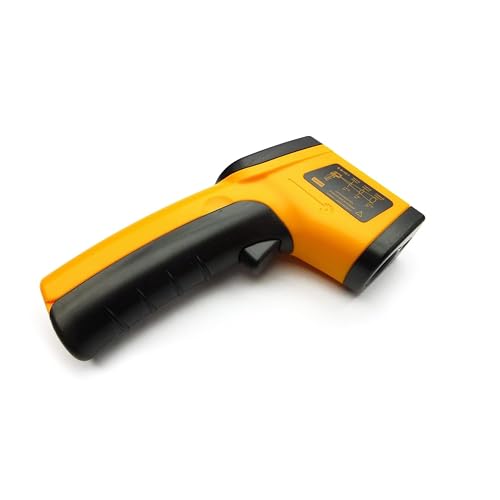
Digital Infrared Thermometer Gun
Instant surface temperature readings anywhere in the enclosure — surface temp is what actually matters for your dragon
Check Price on AmazonBearded Dragon Temperature Zones
Target ranges for each enclosure zone
Basking Spot (surface)
100–110°F
38–43°C
Warm Side Ambient
85–90°F
29–32°C
Cool Side
75–85°F
24–29°C — must exist for thermoregulation
Nighttime (all zones)
Above 65°F
Below 65°F requires supplemental CHE
Humidity
30–40%
Above 60% risks respiratory infection
UVB Lighting: The Non-Negotiable
Without proper UVB, your bearded dragon will develop metabolic bone disease (MBD) — a painful, often fatal condition. UVB enables vitamin D3 synthesis, which is the only way your dragon can absorb calcium from food. The Royal Veterinary College considers proper UVB essential for all captive bearded dragons. This is not optional.
Bearded dragons live at a latitude where the UV Index regularly exceeds 10 — no other commonly kept reptile requires as much UVB. This is the area where most failures happen, and where most commercially packaged "starter kits" fall dangerously short.
UVB Bulb Selection
Use a T5 HO (high output) linear fluorescent tube that spans at least 2/3 of the enclosure length. Your target is a UVI (UV Index) of 4.0-4.5 in the basking area, mapping to the Ferguson Zone 4 recommendation for Pogona vitticeps. The top recommendations:
- Arcadia 12% Desert T5 HO UVB Kit — the top choice among experienced keepers. Comes as a complete fixture plus bulb.
- [Zoo Med ReptiSun 10.0 T5 HO](https://www.amazon.com/dp/B0FF9GHCDC?tag=krawlo-20 — widely available alternative, solid performer.
Avoid compact/coil UVB bulbs. They don't provide adequate coverage across a bearded dragon enclosure and can cause eye problems.
Mounting Distance
The distance between the UVB bulb and the basking spot determines how much UVB actually reaches your dragon:
| Bulb Type | Over Mesh Screen | Inside Enclosure (No Mesh) |
|---|---|---|
| Arcadia 12% T5 HO | 11" from basking spot | 16-17" |
| ReptiSun 10.0 T5 HO | 10-12" | 12-15" |
Mesh screens block 30-40% of UVB output. Many keepers mount the fixture inside the enclosure with a bulb guard to maximize exposure. The basking zone needs to sit within the UVB beam — your dragon should be basking AND getting UVB simultaneously, just as they would under the Australian sun.
Replacement Schedule
Replace your UVB tube every 6 months regardless of brand. The bulb keeps producing visible light long after its UVB output has degraded below useful levels. Mark the install date on the fixture with a piece of tape — don't rely on memory.
Substrate: What to Use and What to Avoid
A 50/30/20 mix of play sand, organic topsoil, and excavator clay is the best all-around substrate for adult bearded dragons. It mimics the compacted, free-draining red clay soil of their natural Australian habitat, supports digging behavior, and holds burrows.
Substrate is the most debated topic in bearded dragon care, so let's break it down by evidence rather than opinion.
Safe Substrates
- Play sand / topsoil / excavator clay mix (50/30/20) — The naturalistic gold standard. Pack it at least 4 inches deep for digging — especially important for females during egg-laying season. Use washed play sand and organic topsoil (no fertilizers). [Jurassic Natural Australian Desert Substrate](https://www.amazon.com/dp/B0C381SBWK?tag=krawlo-20 is a quality pre-mixed option if you don't want to DIY.
- Slate or ceramic tile — Zero impaction risk, holds basking heat well, easy to clean, and helps wear down nails naturally. Many keepers tile the basking zone and use loose substrate elsewhere for enrichment.
- Bioactive substrate mixes — A [bioactive substrate mix](https://www.amazon.com/dp/B07Z5CJ573?tag=krawlo-20 combines topsoil, play sand, and organic matter. According to The Bio Dude, a well-maintained bioactive setup supports natural behaviors and reduces cleaning chores over time.
- Paper towels — Mandatory for babies under 6 months and quarantine situations. No enrichment value, but zero risk.
- Reptile carpet — Easy for beginners but harbors bacteria in the fibers, catches nails, and offers no digging enrichment.
Substrates to Avoid
- Calcium sand — Marketed as "digestible" but clumps when wet and causes fatal impaction
- Walnut shell — Sharp edges cause intestinal damage if ingested
- Wood chips / bark — Too humid, promotes mold, splinter risk
- Corn cob bedding — Molds rapidly, impaction hazard
- Gravel / kitty litter — Impaction and toxicity risks
Pro Tip: Use tile under the basking spot for easy cleanup, and loose substrate on the cool side for digging enrichment. Best of both worlds.

Jurassic Natural Australian Desert Substrate
Pre-mixed naturalistic substrate that supports digging behavior — no DIY mixing required
Check Price on Amazon
Bioactive Substrate Mix for Bearded Dragons
Supports natural digging behavior and reduces cleaning frequency — great for naturalistic setups
Check Price on Amazon
Decor and Enrichment
A bare tank with just a heat lamp is not adequate. Bearded dragons are active, curious lizards that benefit from environmental complexity. The right decor also serves functional purposes — basking platforms position your dragon at the correct UVB distance, and hides reduce stress hormones. A dragon sitting in a bare tank isn't thriving — they're surviving.
Essential Decor
- Basking platform — A flat rock, cork bark flat, or flagstone positioned under the basking bulb at the correct distance from UVB. The surface should reach 100-110°F. Make sure the platform is stable — wobbly decor causes falls and injuries.
- Hides — At least one on the cool side. An Exo Terra Reptile Cave Hide works well and comes in sizes that fit adult bearded dragons. Even bold, confident dragons use hides — skipping this is a stress trigger. A warm-side hide is also beneficial.
- Climbing branches — Bearded dragons are semi-arboreal and spend hours perched on elevated surfaces in the wild. Grapevine, manzanita, and cork bark branches at varying heights encourage exercise and give your dragon visual vantage points.
- Background — A 3D foam background or printed backdrop reduces reflections and provides visual security. Wild beardies use rocks and vegetation as visual breaks — covering three sides replicates that sense of open sightlines without feeling exposed.
Enrichment Ideas
- Rearrange decor every 4-6 weeks for novelty — novel environments stimulate curiosity and prevent boredom-driven glass surfing
- Scatter-feed insects to encourage natural foraging and hunting behavior
- Add a dig box (container with topsoil) for females during egg-laying season
- Provide a shallow water dish for optional soaking
Feeding Essentials Inside the Enclosure
How and where you feed your dragon inside the tank matters more than most keepers realize.
Use a feeding bowl with smooth, high sides for feeder insects. This keeps crickets and roaches from escaping into the substrate. A reptile feeding bowl designed specifically for this is a worthwhile buy.
Always remove uneaten feeder insects within 30 minutes. Live crickets can stress or even bite your dragon if left overnight.
Place fresh greens in a shallow [food dish](https://www.amazon.com/dp/B0009YD68K?tag=krawlo-20 on the cool side of the enclosure. This keeps salads fresh longer and makes cleanup easy.
Pro Tip: Scatter-feeding insects (instead of bowl-feeding) encourages natural hunting behavior and provides exercise — but use a bowl for any feeders your dragon doesn't catch quickly to prevent them hiding in the substrate.
Humidity and Water
Keep humidity between 30-40%. Bearded dragons come from one of Australia's most arid regions. Sustained humidity above 60% increases the risk of respiratory infections. Below 30% causes shedding problems.
- Use a [Zoo Med Digital Hygrometer](https://www.amazon.com/dp/B06XY3X7P9?tag=krawlo-20 to monitor — don't guess
- Provide a shallow water dish your dragon can soak in if desired
- Ensure adequate ventilation with screen tops or vented panels
- Do not mist the enclosure routinely — bearded dragons hydrate primarily through food and occasional soaks, not humid air
Managing Humidity Problems
Humidity too high (above 60%):
- Increase ventilation — ensure the screen top isn't covered or obstructed
- Remove oversized water dishes or switch to a smaller bowl
- Switch to less moisture-retentive substrate (more sand, less topsoil)
- Ensure the enclosure has adequate airflow — PVC enclosures with small vents may need additional ventilation holes
- Check for food decomposing in the substrate or spills from water bowls
Humidity too low (below 30%):
- Add a larger, shallow water dish on the cool side
- Mist lightly in the morning — moisture should evaporate within an hour
- Use slightly more moisture-retentive substrate on the cool side
- Consider a humid hide (a container with damp sphagnum moss) during shedding periods
Consistent humidity problems usually indicate a ventilation or substrate issue rather than a climate problem. Fix the root cause rather than constantly adjusting.
Setting Up Your Enclosure: Step by Step
Here's the complete setup process in order, plus your shopping list:
- Choose your enclosure — Zen Habitats 4x2x2 PVC Enclosure or equivalent 120-gallon minimum, front-opening preferred
- Install your substrate — tile under the basking zone, 50/30/20 mix or Jurassic Natural Australian Desert Substrate on the cool side (paper towels for babies)
- Position your decor — basking platform under the heat lamp position, hides on the cool side, climbing branches at varying heights
- Mount your UVB bulb — Arcadia 12% Desert T5 HO UVB Kit spanning 2/3 of enclosure, inside or on top of mesh
- Set up your basking light — Philips 90W Halogen Flood Bulb aimed at the basking platform, in a lamp dome
- Connect your thermostat — probe on the basking surface, not dangling in air
- Install thermometers and hygrometer — Zoo Med Digital Probe Thermometer x2 (basking + cool side) and Zoo Med Digital Hygrometer
- Set a light timer — BN-LINK Digital Timer for 12-14 hours on, full darkness at night
- Add water and food dishes — shallow water dish, feeding bowl with smooth high sides for insects
- Check all temperatures — use an infrared thermometer gun before introducing your dragon. Basking surface should read 100-110°F, cool side 75-85°F
- Add background — cover three sides to reduce reflections (optional but recommended)
- Introduce your dragon slowly — let them explore at their own pace
Light Cycle and Seasonal Variation
In eastern Australia, day length varies from about 10 hours in winter to 14 hours in summer. This seasonal variation drives brumation behavior in wild dragons. Matching your light schedule to natural seasonal cycles allows your dragon to express this natural behavior safely.
| Season | Light Schedule |
|---|---|
| Spring/Summer | 14 hours light / 10 hours dark |
| Autumn/Winter | 10 hours light / 14 hours dark |
Use a timer or smart plug to automate this. Consistency matters more than the exact hours. Turn ALL lights off at night — bearded dragons require complete darkness to sleep properly.
Seasonal Cycles and Brumation
Most captive beardies will show brumation behavior between October and February in the northern hemisphere (aligned with the Australian winter). Signs include sleeping longer, reduced appetite, seeking cooler spots in the enclosure, and increased lethargy.
This is normal. Matching your light schedule to natural seasonal cycles supports healthy brumation. For a deeper look at this behavior, see our bearded dragon brumation signs guide.
Budget Breakdown: What to Expect
Here's a realistic cost breakdown for a proper adult bearded dragon setup:
| Component | Budget Option | Mid-Range | Premium |
|---|---|---|---|
| Enclosure | Glass 120-gal (~$150) | Zen Habitats 4x2x2 (~$280) | Custom PVC 6x2x2 (~$400+) |
| UVB fixture + tube | ReptiSun 10.0 + hood (~$50) | Arcadia ProT5 12% Kit (~$70) | Arcadia + Solarmeter (~$320) |
| Basking bulb + dome | Halogen flood + clamp lamp (~$15) | Same (~$15) | Same (~$15) |
| Thermostat | BN-LINK on/off (~$20) | Inkbird dimming (~$35) | Herpstat 1 (~$100) |
| Thermometers (x2) | Digital probe x2 (~$15) | Same (~$15) | Temp gun + probes (~$35) |
| Substrate | DIY sand/soil/clay (~$15) | Jurassic Natural (~$25) | BioDude Terra Sahara (~$40) |
| Decor (hides, branches, dishes) | DIY + basics (~$30) | Mid-quality (~$50) | Premium naturalistic (~$100+) |
| Total | ~$295 | ~$490 | ~$1,010+ |
The biggest long-term costs are UVB replacement bulbs ($20-40 every 6 months), electricity ($5-15/month depending on climate), and feeder insects ($15-30/month). Plan for $30-50/month in ongoing costs after the initial setup.
Pro Tip: Don't skimp on the thermostat and UVB. These two items directly affect your dragon's safety and health. Everything else (enclosure, decor, substrate) can be upgraded over time, but unsafe heating and inadequate UVB cause problems from day one.
Bearded Dragon Setup Cost Breakdown
What to budget for
Money-Saving Tip: Never skimp on thermostat and UVB — these directly affect safety and health.
Common Setup Mistakes to Avoid
Most bearded dragon health problems trace back to habitat mistakes — not genetics or bad luck. According to PetMD and ReptiFiles, the majority of health issues seen in captive bearded dragons — from metabolic bone disease to respiratory infections to chronic stress — trace directly back to habitat deficiencies. Here are the ones we see most often:
- Tank too small — The 40-gallon "starter kit" is only adequate for a few months. Budget for the adult enclosure from day one.
- Heat mat as primary heat source — Bearded dragons thermoregulate from above, not below. Heat mats are supplemental at best and dangerous at worst.
- Compact/coil UVB — These don't provide adequate coverage and can cause eye problems. Always use a linear T5 HO tube.
- No temperature verification — "Eyeballing" temperature is not sufficient. Always use digital probe thermometers and an infrared temp gun.
- Colored night bulbs — Red and blue bulbs disrupt sleep. Use a CHE if you need supplemental nighttime heat.
- No cool side — If the entire enclosure is hot, your beardie can't thermoregulate. The cool side must stay below 85°F.
- No hide — Hiding isn't a sign of sickness, it's a sign of a healthy, instinct-driven animal. Every dragon needs a cool-side retreat.
- Lights on 24 hours — Trust the natural cycle. Bearded dragons need complete darkness at night.
- Loose sand for babies — Impaction risk is very real for young dragons. Use paper towels for babies under 6 months.
Ready to light your enclosure properly? Check our best UVB lights for bearded dragons for detailed product reviews and setup tips. For the complete picture of bearded dragon husbandry beyond the tank, explore our bearded dragon care guide. If you're still deciding on a species, our best pet lizards for beginners compares the top five options.
Key Takeaways
What you need to know
Tank too small — the 40-gallon starter kit is only adequate for a few months. Buy the adult 120-gallon enclosure from day one.
Heat mat as primary heat source — bearded dragons thermoregulate from above, not below. Use an overhead halogen bulb.
Compact or coil UVB bulb — these don't provide adequate coverage. Always use a linear T5 HO tube spanning 2/3 of the enclosure.
No temperature verification — never eyeball temps. Always use digital probe thermometers and an infrared temp gun.
Colored night bulbs (red/blue) — these disrupt sleep cycles. Use a ceramic heat emitter if supplemental nighttime heat is needed.
No cool side — if the entire enclosure is hot, your beardie can't thermoregulate.
No hide — every dragon needs a cool-side retreat. Hiding is healthy instinctive behavior.
Loose sand for babies — impaction risk is real for young dragons. Use paper towels under 6 months.
Recommended Gear

Zen Habitats 4x2x2 PVC Enclosure
The gold standard PVC enclosure — front-opening, holds heat, lightweight, and built for adult bearded dragons
Check Price on AmazonPhilips 90W Halogen Flood Bulb
Produces natural infrared-A and infrared-B radiation for a proper 100-110°F basking zone
Check Price on Amazon
Arcadia 12% Desert T5 HO UVB Kit
Complete T5 HO fixture and bulb — the top UVB recommendation among experienced keepers
Check Price on AmazonZoo Med Digital Probe Thermometer
Accurate digital readings so you can verify basking and cool side temps — a must-have
Check Price on AmazonDigital Infrared Thermometer Gun
Instant surface temperature readings anywhere in the enclosure — surface temp is what actually matters for your dragon
Check Price on AmazonJurassic Natural Australian Desert Substrate
Pre-mixed naturalistic substrate that supports digging behavior — no DIY mixing required
Check Price on AmazonBioactive Substrate Mix for Bearded Dragons
Supports natural digging behavior and reduces cleaning frequency — great for naturalistic setups
Check Price on AmazonExo Terra Reptile Cave Hide
Sturdy, natural-looking hide that fits adult bearded dragons and provides essential cool-side retreat
Check Price on Amazon
Zoo Med ReptiSun 10.0 T5 HO
Widely available T5 HO UVB bulb with solid output — a reliable alternative to Arcadia
Check Price on Amazon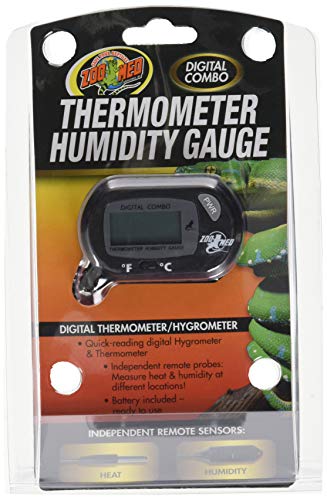
Zoo Med Digital Hygrometer
Accurate humidity monitoring to keep levels in the safe 30-40% range
Check Price on AmazonBN-LINK Digital Timer
Set-and-forget light cycle automation — consistent photoperiod without manual switching
Check Price on AmazonReptile Feeding Bowl
Smooth high sides keep feeder insects contained — prevents crickets from escaping into substrate
Check Price on AmazonFrequently Asked Questions
A quality setup runs $300-600 depending on enclosure choice. PVC enclosures cost $200-400 upfront but outperform glass long-term. Lighting, thermometers, and decor add another $100-200. Plan for $30-50 per month in ongoing costs for UVB bulbs, feeder insects, and electricity.
References & Sources
- https://reptifiles.com/bearded-dragon-care/
- https://arav.org/
- https://arcadiareptile.com/lighting-guide/
- https://www.petmd.com/reptile/bearded-dragon-care-sheet
- https://www.thebiodude.com/blogs/lizard-caresheets/bearded-dragon-bioactive-care-and-maintenance
- https://reptifiles.com/bearded-dragon-care/bearded-dragon-terrarium-size/
- https://reptifiles.com/bearded-dragon-care/bearded-dragon-substrate-housing/
- https://community.morphmarket.com/t/bearded-dragon-care-guide/39833
Related Articles

Leopard Gecko Tank Setup: Enclosure, Heating & Hides for a Ground-Dweller
Leopard geckos need belly heat, not overhead—and a 20-gallon tank is too small for an adult. This setup guide covers floor temps, hide placement, and substrate.

Blue Tongue Skink Tank Setup: Enclosure Size, Substrate & Heating Guide
Forget the pet store 40-gallon advice—blue tongue skinks need at least 4×2×2 feet. This setup guide covers everything from substrate depth to basking temperatures.

Green Iguana Enclosure Setup: Why Most Tanks Fail by Year 3
Adult iguanas need a room-sized enclosure—6×4×6 feet minimum. Most commercial tanks fail by year three. This guide covers what actually works for this demanding species.