
Ball Python Feeding Schedule by Age: The Full Guide
Learn the exact ball python feeding schedule by age, with prey sizing charts, thawing tips, and solutions for feeding strikes — all in one practical guide.

✓Recommended Gear
In this guide, we cover everything you need to know and recommend 5 essential products. Check prices and availability below.
TL;DR: Ball python feeding frequency by age: hatchlings (0–3 months, 50–100g) eat pinky/fuzzy mice every 5–7 days; juveniles (3–12 months) eat every 7 days; sub-adults (1–2 years) eat every 7–10 days; adults (3+ years) eat every 14–21 days. Prey weight should be 10–15% of the snake's body weight at every life stage. Track monthly weights to catch obesity or growth problems early.
Ball pythons are one of the most popular pet snakes in the world. But getting the feeding schedule right is something many new owners struggle with. Feed too often and your snake gains unhealthy weight. Feed too rarely and you risk malnutrition. This guide gives you a clear, age-based feeding schedule so you never have to guess.
Why a Feeding Schedule Matters for Ball Pythons
Ball pythons are ambush predators. In the wild, they don't eat every day. They wait, strike, and then digest for days. Your captive ball python has the same biology. Its digestive system works slowly. Overfeeding stresses that system and leads to regurgitation, obesity, and a shorter lifespan.
A consistent schedule also helps you track your snake's health. If your ball python suddenly refuses food, you'll notice faster. That's your early warning system for illness, stress, or shedding.
Ball pythons can live 20–30 years in captivity. A proper diet from day one sets the foundation for that long, healthy life. The bottom line: A structured feeding schedule protects your snake's health and helps you spot problems early.
Ball Python Feeding Schedule by Age and Weight
Age and body weight are your two best guides for how often to feed and how large the prey should be. Here's a simple reference chart you can use at every life stage.
| Age | Weight | Prey Type | Prey Size | Frequency |
|---|---|---|---|---|
| Hatchling (0–3 months) | 50–100g | Pinky mouse or small fuzzy | 5–10g | Every 5–7 days |
| Juvenile (3–12 months) | 100–300g | Fuzzy to hopper mouse | 10–25g | Every 7 days |
| Sub-adult (1–2 years) | 300–800g | Adult mouse or small rat | 25–60g | Every 7–10 days |
| Young adult (2–3 years) | 800–1,500g | Small to medium rat | 60–150g | Every 10–14 days |
| Adult (3+ years) | 1,500–3,000g+ | Medium to large rat | 150–300g | Every 14–21 days |
Use this chart as a starting point. Your individual snake may need slight adjustments based on body condition, not just age.
The bottom line: Feed hatchlings every 5–7 days and slow down to every 14–21 days for adults. Weight and body condition matter more than a rigid calendar.
Feeding Schedule by Age
Hatchling (0–3 mo)
Every 5–7 days
50–100g, pinky/fuzzy mice
Juvenile (3–12 mo)
Every 7 days
100–300g, fuzzy to hopper mice
Sub-Adult (1–2 yr)
Every 7–10 days
300–800g, adult mouse or small rat
Young Adult (2–3 yr)
Every 10–14 days
800–1,500g, small to medium rat
Adult (3+ yr)
Every 14–21 days
1,500–3,000g+, medium to large rat
How to Choose the Right Prey Size
Prey that's too large can cause regurgitation. Prey that's too small won't give your snake the nutrition it needs. The rule of thumb is to offer prey that's roughly 10–15% of your snake's body weight. Another easy guide: the widest part of the prey should match the widest part of your snake's body.
Here's a quick prey size reference chart:
| Snake Weight | Recommended Prey Weight | Prey Type |
|---|---|---|
| 50–100g | 5–15g | Pinky mouse |
| 100–200g | 10–25g | Fuzzy or hopper mouse |
| 200–400g | 25–50g | Adult mouse |
| 400–700g | 50–90g | Small rat pup |
| 700–1,200g | 90–150g | Small rat |
| 1,200–2,000g | 150–250g | Medium rat |
| 2,000g+ | 200–350g | Medium to large rat |
Always weigh your snake monthly. A kitchen scale accurate to 1 gram is all you need. For a full look at what else your snake needs beyond food, check out the Ball Python Care Guide: Habitat, Diet & Health.
The bottom line: Match prey size to your snake's body width, and aim for prey that's 10–15% of its current body weight.
Prey Size by Snake Weight
50–100g
5–15g prey
Pinky mouse
100–200g
10–25g prey
Fuzzy or hopper mouse
200–400g
25–50g prey
Adult mouse
400–700g
50–90g prey
Small rat pup
700–1,200g
90–150g prey
Small rat
1,200–2,000g
150–250g prey
Medium rat
2,000g+
200–350g prey
Medium to large rat
Fresh, Frozen, or Live? What You Should Feed
Fresh-killed or frozen-thawed rodents are the safest choice for your ball python. Live prey can fight back and seriously injure your snake. Scratches and bites can get infected. They can even blind or kill a snake.
Frozen-thawed feeders are convenient, hygienic, and widely available. You can buy them in bulk and store them in your freezer. Most ball pythons will accept them once properly trained or introduced. If your snake was raised on frozen feeders, you're already in good shape.
Fresh-killed prey is a middle ground. It has the warmth and scent cues of live prey without the bite-back risk. If you're switching a snake from live to frozen, fresh-killed is a useful bridge.
The bottom line: Always use frozen-thawed or fresh-killed prey. Live feeders are risky and unnecessary.
How to Thaw and Warm a Frozen Rodent
Proper thawing matters more than most new owners realize. A cold or partially frozen rodent can cause digestive problems. A rodent that's too hot can burn your snake's mouth and esophagus.
Follow these steps every time:
- Remove the frozen rodent from the freezer the night before, or at least 1–2 hours ahead.
- Place it in a sealed zip-lock bag and submerge it in warm (not hot) water for 20–30 minutes.
- Check that the rodent is fully thawed — the body should be limp and there should be no frozen core.
- Pat the rodent dry before offering it. This makes scenting easier for the snake.
- Use feeding tongs to offer the prey. Never use your hands — you train your snake to associate hand movements with feeding.
The ideal surface temperature of a thawed rodent is around 100–105°F (38–40°C). A simple infrared thermometer makes this easy to check.
The bottom line: Thaw fully, warm to 100–105°F, dry it off, and always use tongs. Never microwave a frozen feeder.
How to Thaw & Warm Frozen Prey
Remove from Freezer
1–2 hoursTake out the frozen rodent the night before or at least 1–2 hours ahead of feeding time.
Submerge in Warm Water
20–30 minutesPlace in a sealed zip-lock bag and submerge in warm (not hot) water.
Check for Full Thaw
Body should be limp with no frozen core remaining.
Tip: Use your fingers to feel for any cold spots inside
Pat Dry
Remove excess water before offering. This helps the snake scent the prey.
Tip: Use a clean paper towel
Verify Temperature & Offer
Ideal surface temperature is 100–105°F (38–40°C). Use feeding tongs to present the prey.
Tip: An infrared thermometer makes this easy to check
How to Offer Food to Your Ball Python
Presentation technique matters. Ball pythons hunt by heat signature and scent. Moving the prey slightly with your tongs mimics a live animal and triggers the feeding response.
Feed your snake in its enclosure when possible. Moving a ball python to a separate feeding bin stresses it unnecessarily and breaks the routine. Contrary to old advice, feeding in the enclosure does not increase aggression in ball pythons.
Wait at least 24–48 hours after your snake eats before handling it. Handling during digestion causes stress and regurgitation. Regurgitation is hard on the snake's body and can set back feeding for weeks.
Always feed at night or in the early evening. Ball pythons are crepuscular — they're most active at dusk and dawn. Offering food when they're naturally alert improves your strike rate.
The bottom line: Use tongs, feed in the enclosure, and don't handle your snake for 48 hours after a meal.
Best Practices for Feeding
What you need to know
Use feeding tongs and move prey slightly to mimic a live animal
Feed in the enclosure, not a separate bin—moving stresses your snake unnecessarily
Wait 24–48 hours after feeding before handling to prevent regurgitation
Feed at night or early evening when ball pythons are most naturally active
Ball Python Feeding by Life Stage: What to Expect
Each life stage has its own quirks. Knowing what's normal helps you stay calm when your snake acts up.
Hatchlings (0–3 months)
Hatchlings are small, nervous, and adjusting to captivity. Some refuse their first few meals. Don't panic. Offer a pinky mouse every 5–7 days. Scenting the prey with a lizard or frog (just rub with a paper towel the lizard wiped on) sometimes helps reluctant feeders.
Your hatchling should be eating reliably within 2–4 weeks of arriving home. If it hasn't eaten in 3–4 weeks and shows no interest, talk to a reptile vet.
Juveniles (3–12 months)
Juveniles are the easiest feeders. They're growing fast and their appetite shows it. Feed every 7 days. Transition from mice to rat pups around 200–300g. Rats are more nutritious and denser than mice, and switching earlier avoids future prey preference problems.
Sub-Adults (1–2 years)
Growth slows slightly. You'll stretch the feeding interval to every 7–10 days. Monitor your snake's weight monthly. A healthy sub-adult should feel firm and muscular, not bony or flabby.
Adults (3+ years)
Adult ball pythons have a slow metabolism. Feeding every 14–21 days is normal. Many healthy adults skip meals during winter months due to seasonal hormonal changes — this is completely normal. Don't force-feed a healthy-weight adult that skips a meal.
Female adults near breeding season may refuse food for months. This is also normal behavior. Temperature and lighting changes can trigger this cycle even in captivity.
The bottom line: Expect feeding to slow significantly as your ball python matures. Seasonal refusals in healthy adults are common and not a cause for alarm.
How to Tell If Your Ball Python Is a Healthy Weight
The spine-check is your simplest tool. Run your fingers gently along your snake's spine. You should feel the spine but not see it prominently. If the spine is clearly visible, your snake may be underweight. If you can't find the spine at all and the sides are very rounded, it may be overweight.
A well-fed ball python has a slightly triangular cross-section when viewed from above. It's widest at the middle and tapers toward the head and tail. Round, "sausage-shaped" snakes are often obese.
Weigh your snake monthly and keep a log. If it's losing weight for three or more consecutive months, rule out illness before assuming diet. Internal parasites, respiratory infections, and IBD (inclusion body disease) all cause weight loss in ball pythons.
The bottom line: Check the spine monthly, log the weight, and watch for trends. A visible spine or a bloated sausage shape are both warning signs.
Supplements: Do Ball Pythons Need Vitamins?
Ball pythons fed whole prey animals — mice and rats — get a complete nutritional package. The bones, organs, and gut content of a rodent contain calcium, phosphorus, vitamins, and minerals your snake needs. You don't need to dust prey or add supplements for a ball python on a standard whole-prey diet.
The exception is if you're feeding prey that was raised on a nutrient-poor diet. This is sometimes called "empty prey" or feeder animals that weren't gut-loaded. Reputable feeder suppliers keep their rodents healthy, which passes nutrition to your snake.
If you're ever in doubt, a reptile vet can run a blood panel and check for deficiencies. It's worth doing at least once for a new ball python, especially if it came from an unknown source.
The bottom line: Whole prey is nutritionally complete. No supplements are needed if your feeders come from a quality source.
Foods That Are Not Safe for Ball Pythons
Ball pythons should only eat properly sized, thawed rodents. There are several things you should never feed them:
- Wild-caught rodents: They carry parasites, bacteria, and pesticides. Never feed mice or rats from the wild.
- Feeder goldfish or frogs: Some keepers try these to trigger reluctant feeders. They introduce disease risk and lack complete nutrition.
- Oversized prey: Anything wider than your snake's body is too large. It can cause choking, regurgitation, or internal injury.
- Insects: Ball pythons are obligate carnivores that eat mammals. Insects are not appropriate prey.
- Human food: Chicken breast, beef, or fish are all inappropriate and can cause serious health problems.
Some keepers worry that a snake eating an ASF (African Soft Fur rat) will refuse regular rats. If you're in that situation, warm the rat slightly warmer, try scenting it, and be patient. Most snakes will switch if offered consistently.
The bottom line: Stick to thawed, appropriately sized mice and rats from reputable suppliers. Nothing wild, no insects, no human food.
How Long Can a Ball Python Go Without Eating?
Healthy adult ball pythons can go 4–6 months without eating without health consequences. In the wild, they may fast during breeding season or through food scarcity. Your snake has the same biology. A few missed meals don't mean something is wrong.
Hatchlings and juveniles have less fat reserve and should not fast for more than 4–6 weeks without a vet check. If a young snake hasn't eaten in a month, it's time to investigate.
Common reasons for refusal include: shedding (snakes often refuse during the pre-shed "blue" phase), seasonal hormonal changes, stress from recent handling or enclosure changes, and illness. For environmental factors that can affect appetite, look at how temperature gradients work in our Corn Snake Heating Guide: Best Heat Sources, Temps & Thermostat Setup — the principles apply to ball pythons too.
The bottom line: Adults can fast for months safely. Young snakes need a vet check if they go 4–6 weeks without eating.
Water: How Much Does a Ball Python Need?
Fresh, clean water should be available at all times. Use a heavy ceramic or stainless bowl that your snake can't tip over. Many ball pythons like to soak, especially before shedding, so the bowl should be large enough for the snake to coil in if it wants.
Change the water every 2–3 days, or immediately if it's contaminated. Ball pythons sometimes defecate in their water bowl, which creates a bacteria risk.
Dehydration is a real problem. Signs include wrinkled skin, incomplete sheds, and sunken eyes. If you notice these, soak your snake in lukewarm water for 20–30 minutes and check your enclosure humidity. Ball pythons need 60–80% humidity.
The bottom line: Always provide fresh water in a bowl large enough to soak in. Change it every 2–3 days and monitor humidity.
Feeding Tips for Picky or Problem Feeders
Ball pythons have a reputation for going on feeding strikes. Most of the time, the solution is environmental rather than the prey itself.
Check these factors first:
- Temperature: The warm side of the enclosure should be 88–92°F (31–33°C). If it's too cool, your snake won't digest properly and loses appetite.
- Humidity: Keep it at 60–80%. Low humidity stresses snakes and suppresses feeding.
- Hide boxes: Your snake needs a tight-fitting hide on both the warm and cool sides. Without security, it's too stressed to eat.
- Handling: Stop all handling for 1–2 weeks with a problem feeder. Give it time to settle.
- Feeding time: Switch to evening or nighttime feeding.
If the environment is correct and your snake still refuses, try these tricks: brain the prey (cut the skull to expose scent), warm the prey slightly hotter, try a different prey type (rat vs. mouse), or cover the enclosure with a cloth during feeding.
Other reptiles can also have finicky appetites — just like the feeding challenges in our Uromastyx Lizard Care Guide: Essential Tips for Beginners, addressing environment first usually solves the problem.
The bottom line: Most feeding strikes are caused by environment, not food preference. Fix the temperature, humidity, and hides before changing prey.
Our Top Picks
Getting the right supplies makes feeding safer and more consistent. Here are our tested recommendations.
1. Reptile Feeding Tongs (12-inch)
Long tongs keep your hands away from the strike zone. Stainless steel won't retain scent like plastic. Look for a pair with a slightly curved tip for better prey control. A good pair of tongs is the single most important feeding accessory you'll own.
[View on Amazon](https://www.amazon.com/dp/B0F1JS95WQ?tag=krawlo-20
2. Frozen Feeder Mice and Rats (Variety Pack)
Buy feeders in bulk to save money and keep a consistent supply. Look for feeders raised on a nutritious diet, humanely killed, and packaged in vacuum-sealed bags. A variety pack lets you transition between sizes as your snake grows.
[View on Amazon](https://www.amazon.com/dp/B0CQVX2FZD?tag=krawlo-20
3. Digital Kitchen Scale (0.1g Precision)
Monthly weigh-ins keep you on top of your snake's body condition. A scale accurate to 0.1g is ideal for hatchlings. The same scale doubles for weighing prey to confirm correct sizing.
4. Infrared Thermometer Gun
Surface temperature accuracy matters for thawing prey correctly. An infrared thermometer gives you an instant read on prey temperature before offering it. It also helps you verify your enclosure's hot spot. Fast, cheap, and genuinely useful.
5. Large Ceramic Water Bowl
A heavy ceramic bowl resists tipping and holds enough water for soaking. Easy to scrub clean, won't leach chemicals, and looks great in any natural-style enclosure. Get one that's at least 8–10 inches wide for an adult ball python.
[View on Amazon](https://www.amazon.com/dp/B0GS5YTXXY?tag=krawlo-20
Ready to Build Your Ball Python's Feeding Routine?
You now have everything you need to feed your ball python correctly at every stage of life. Start with the age-and-weight chart, dial in your thawing technique, and weigh your snake monthly. Adjust the schedule based on your individual snake's body condition, not just the calendar.
If you're setting up a new ball python enclosure or want to review all care basics in one place, our Ball Python Care Guide: Habitat, Diet & Health covers everything from substrate to lighting.
Bookmark this guide and refer back to it whenever you're unsure about prey size or feeding frequency. Your ball python's health depends on consistency, and you've got the roadmap now.
Recommended Gear

Reptile Feeding Tongs (12-inch Stainless Steel)
Keeps your hands safely away from the strike zone. Stainless steel doesn't retain scent like plastic, which can confuse your snake.
Check Price on Amazon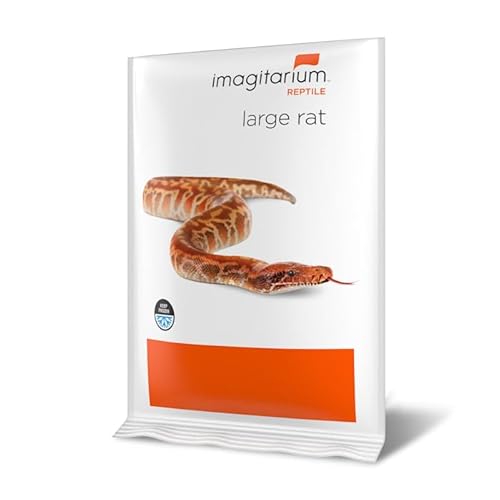
Frozen Feeder Mice and Rats Variety Pack
Buying in bulk saves money and ensures a consistent supply. A variety pack covers hatchling pinkies through adult rat sizes.
Check Price on AmazonDigital Kitchen Scale (0.1g Precision)
Accurate monthly weight tracking helps you catch health problems early and confirm prey is sized correctly for your snake's current weight.
Check Price on AmazonInfrared Thermometer Gun
Confirms thawed prey is at the ideal 100–105°F surface temperature before offering it, and helps you maintain correct enclosure temperatures.
Check Price on Amazon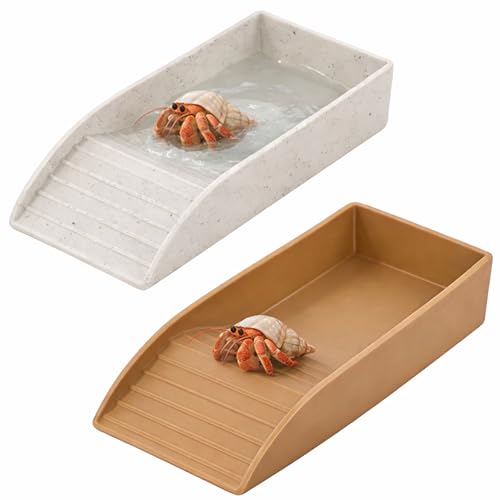
Large Ceramic Reptile Water Bowl
Heavy ceramic won't tip over, resists bacteria buildup, and is large enough for your snake to soak in before a shed — which reduces incomplete sheds significantly.
Check Price on AmazonFrequently Asked Questions
Hatchlings (0–3 months) should be fed every 5–7 days. Juveniles (3–12 months) eat every 7 days. Sub-adults (1–2 years) eat every 7–10 days. Adults (3+ years) eat every 14–21 days. Always adjust based on your snake's body condition and weight.
References & Sources
Related Articles

Ball Python Diet & Feeding Guide: Schedule, Prey Sizing, and Fixing Food Refusal
Ball pythons refuse food more than almost any other pet snake. This complete feeding guide covers schedules, prey sizing, and a step-by-step feeding strike fix.

Hognose Snake Care: Complete Guide for New Keepers
Learn hognose snake care from housing and heating to feeding and handling. This complete guide covers everything beginners need to keep a healthy hognose snake.

Ball Python Common Health Issues: A Complete Guide
Learn the most common ball python health issues — from respiratory infections to mites and scale rot — with clear prevention tips and when to call a vet.