
Hognose Snake Care: Complete Guide for New Keepers
Learn hognose snake care from housing and heating to feeding and handling. This complete guide covers everything beginners need to keep a healthy hognose snake.

✓Recommended Gear
In this guide, we cover everything you need to know and recommend 5 essential products. Check prices and availability below.
TL;DR: Western hognose snakes (Heterodon nasicus) are beginner-friendly snakes that stay small (18–36 inches), rarely bite, and thrive in a 20-gallon enclosure with a warm side of 85–90°F (29–32°C) and a cool side around 75°F (24°C). They are rear-fanged and mildly venomous but pose virtually no risk to humans — reactions are usually mild local swelling. Feed pre-killed or frozen-thawed mice every 5–7 days for juveniles and every 10–14 days for adults.
Hognose snake care is easier than most people think. These small, dramatic reptiles are perfect for beginners and experienced keepers alike. They're hardy, personable, and rarely bite. If you want a snake that's full of personality without a huge time commitment, the western hognose is hard to beat.
What Makes Hognose Snakes Special
Western hognose snakes (Heterodon nasicus) are native to the central United States. They get their name from their upturned snout, which they use to dig through sandy soil. They're relatively small — adults reach 18 to 36 inches. Females grow larger than males.
Their most famous trait is their defensive behavior. When threatened, they flatten their neck like a cobra, hiss loudly, and strike with a closed mouth. If that doesn't work, they roll over and play dead. It's theatrics, not danger. These snakes are rear-fanged and technically venomous, but their venom is harmless to humans.
Hognose snakes are mildly venomous but pose no real danger to people. Keep that in mind if you're comparing them to other beginner snakes like the ball python, which is completely non-venomous.
The bottom line: Hognose snakes are dramatic, safe, and genuinely fun to keep.
Choosing the Right Enclosure
Your hognose snake needs a secure enclosure with good ventilation. For juveniles, a 10-gallon tank works fine. Adults need at least a 20-gallon enclosure — a 20-gallon long is ideal. Females may need a bit more space since they get larger.
Top-opening enclosures work well for hognoses because these snakes are escape artists. A secure lid is non-negotiable. Screen tops provide airflow and help regulate humidity. Front-opening terrariums with locking doors are another solid option.
Avoid enclosures that are too large for juveniles. A small snake in a big space can get stressed and stop eating. Start small and upgrade as your snake grows.
| Enclosure Type | Size | Best For | Pros | Cons |
|---|---|---|---|---|
| Glass tank (screen lid) | 20-gal long | Most keepers | Affordable, visible | Humidity escapes fast |
| PVC enclosure | 24"x18"x6" | Humid climates | Holds heat/humidity | Pricier upfront |
| Plastic tub | 41-qt | Breeders | Cheap, stackable | Not display-worthy |
| Front-opening terrarium | 24"x18"x12" | Display builds | Easy access | Moderate cost |
The bottom line: A 20-gallon long tank with a secure screen lid is the sweet spot for most adult hognose snakes.
Enclosure Comparison for Adult Hognose Snakes
Side-by-side comparison
| Feature | Glass Tank (20-gal long) | PVC Enclosure |
|---|---|---|
| Visibility | ★Excellent for viewing | Limited visibility |
| Cost | ★Affordable (~$30-50) | Pricier upfront |
| Humidity Control | Humidity escapes fast | ★Holds heat & humidity well |
| Ventilation | Good with screen lid | ★Excellent & adjustable |
| Best For | Most beginner keepers | Humid climates |
Our Take: Glass tanks with secure screen lids are the standard choice for most hognose keepers; PVC excels in humid regions.
Temperature and Heating
Hognose snakes need a thermal gradient so they can thermoregulate. Your warm side should sit between 85–90°F (29–32°C). The cool side should stay around 72–78°F (22–26°C). Nighttime temperatures can drop to 65–70°F without issue.
Use an under-tank heater (UTH) paired with a thermostat to heat the warm side. Don't rely on hot rocks or heat lamps alone — surface burns are a real risk. A thermostat keeps the temperature consistent and prevents dangerous spikes.
Always use a digital thermometer to verify your temps. The stick-on thermometers that come with most tanks aren't accurate. Invest in a probe thermometer or an infrared temp gun. Your snake's health depends on it.
The bottom line: A thermostat-controlled under-tank heater is the safest and most reliable heating setup for hognose snakes.
Hognose Temperature & Heating Setup
Warm Side
85–90°F (29–32°C)
Cool Side
72–78°F (22–26°C)
Nighttime Temp
65–70°F (allows natural drop)
Required Equipment
Thermostat + under-tank heater
Temperature Verification
Digital probe thermometer (not stick-on)
Critical for accuracy
Lighting Requirements
Hognose snakes don't need UVB lighting the way lizards do — but it can still benefit them. Low-level UVB (2.0–5.0) helps with vitamin D3 synthesis and may improve their overall health and color. If you keep your snake in a room with natural ambient light, a UVB light is optional. A 12-hour light/dark cycle mimics their natural environment and helps regulate their circadian rhythm.
Avoid keeping your hognose in constant light or constant dark. Both disrupt normal behavior. A simple timer on whatever lighting you use makes this easy to manage.
For comparison, species like the frilled lizard require significantly more intense UVB. Hognose snakes are far more forgiving in this regard.
The bottom line: A low-level UVB light on a 12-hour timer is a simple way to improve your hognose snake's quality of life.
Substrate and Humidity
Hognose snakes come from sandy, arid regions. They love to burrow. The best substrates are loose and easy to dig through. Top choices include:
- Aspen shavings — Affordable, dry, easy to spot-clean
- Coconut fiber — Holds humidity better, great for bioactive setups
- Play sand mixed with topsoil — Mimics natural habitat best
Avoid cedar and pine shavings — their aromatic oils are toxic to reptiles. Paper towels work for quarantine or sick animals, but they're not ideal for permanent setups.
Humidity should stay between 30–50%. Western hognose snakes are prone to respiratory infections if humidity gets too high. During shedding, bump humidity to 50–60% to help them shed cleanly. Add a humid hide on the cool side to give your snake the option to self-regulate.
Keep the substrate 3–4 inches deep. Hognose snakes are dedicated diggers. They'll use every inch.
The bottom line: Loose aspen or a sand-soil mix at 3–4 inches deep keeps your hognose happy, healthy, and actively burrowing.
Substrate & Humidity Guide for Hognose
Ideal Humidity Range
30–50%
Humidity During Shedding
50–60%
Substrate Depth
3–4 inches (for burrowing)
Best Substrates
Aspen shavings, Coconut fiber, or Sand+topsoil mix
Avoid
Cedar & pine (toxic oils)
Paper towels only for quarantine
Feeding Your Hognose Snake
In the wild, hognose snakes specialize in eating toads. In captivity, they eat mice. Juvenile hognoses should eat pinky mice or fuzzy mice every 5–7 days. Adults can eat adult mice or small rats every 7–10 days.
Always feed frozen-thawed prey. Live mice can bite and injure your snake. Thaw prey in warm water until it reaches room temperature. Never use a microwave — uneven heating creates dangerous hot spots.
Some hognoses are picky eaters, especially males. Common tricks to get stubborn feeders eating include:
- Scenting the mouse with a frog or toad (use a dead frog kept in a bag with the mouse)
- Braining the prey item (expose the brain)
- Feeding in a paper bag to reduce distraction
- Trying a different prey size — smaller is often better
Young hognoses sometimes refuse food for weeks. Don't panic. As long as your snake is active and maintaining weight, brief fasting is normal.
The bottom line: Frozen-thawed mice on a regular schedule cover your hognose snake's nutritional needs — keep prey size consistent with the snake's widest body girth.
Hognose Feeding Schedule & Tips
Juvenile Feeding
Pinky or fuzzy mice, every 5–7 days
Adult Feeding
Adult mice or small rats, every 7–10 days
Prey Type
Frozen-thawed only (never live)
Thaw in warm water, not microwave
Prey Size Rule
Match the snake's widest body girth
Picky Eater Tricks
Scent with frog, brain prey, feed in paper bag, try different size
Water and Hydration
Your hognose snake needs access to fresh water at all times. A shallow, heavy ceramic bowl works best — heavy enough that your snake can't tip it over. Change the water every 2–3 days, or immediately if your snake defecates in it.
Don't mist the enclosure regularly. Extra moisture raises humidity and can cause respiratory issues. If your snake seems dehydrated (wrinkled skin, sunken eyes), a 15-minute warm soak can help. This is also useful during stubborn sheds.
Place the water bowl on the cool side of the enclosure. This slows bacterial growth and helps the water stay fresh longer.
The bottom line: A clean, shallow water bowl on the cool side is all the hydration your hognose snake needs.
Handling and Temperament
Hognose snakes have big personalities. They may huff, spread their hood, and act terrifying — but it's almost always bluff. Actual bites from hognose snakes are rare and usually accidental during feeding.
Let new snakes settle in for 1–2 weeks before handling. Start with short, confident sessions — 5 to 10 minutes is plenty. Support your snake's body and move slowly. Avoid handling 48 hours after feeding to prevent regurgitation.
Most hognoses become calm and curious with regular handling. They enjoy exploring and climbing. Some individuals remain defensive throughout their lives — don't take it personally. It's a survival instinct, not a personality flaw.
Never handle during shedding. Your snake's vision is impaired, and it'll be more defensive than usual.
The bottom line: Regular, calm handling sessions build trust over time — most hognoses become curious and docile companions.
Common Health Issues
Hognose snakes are generally robust, but watch for these warning signs:
Respiratory infection (RI): Wheezing, open-mouth breathing, mucus around the nostrils. Usually caused by low temperatures or high humidity. See a vet.
Stuck shed (dysecdysis): Incomplete shedding is often a humidity issue. A 15-minute warm soak and a damp hide usually resolve it.
Mites: Tiny black or red dots crawling on your snake or in the enclosure. Treat with a reptile-safe mite spray and deep-clean the entire enclosure.
Obesity: Common in captive hognoses. Don't feed adult snakes more than once per week. Keep an eye on body condition — you should feel slight ridges, not rolls.
Find a reptile-experienced vet before you need one. An emergency isn't the time to search for a reptile vet. Annual checkups are worth it for peace of mind.
The bottom line: Stable temperatures, correct humidity, and regular visual checks keep most hognose snakes healthy for their 15–20 year lifespan.
Our Top Picks
Here are the products we recommend most for hognose snake keepers. All links use our Amazon affiliate tag.
1. REPTI ZOO Reptile Glass Terrarium
A well-ventilated 20-gallon glass tank with a dual-door top and a raised bottom frame for a UTH. Solid build quality, easy to clean, and secure enough for escape-prone snakes. [View on Amazon](https://www.amazon.com/dp/B08RD16GLP?tag=krawlo-20
2. Zilla Reptile Habitat Décor Hideouts
Hognose snakes need at least two hides — one on the warm side, one on the cool side. These heavy-duty resin hides look natural and are easy to sanitize. [View on Amazon](https://www.amazon.com/dp/B08CVF3JQR?tag=krawlo-20
3. Inkbird Thermostat Temperature Controller
A reliable proportional thermostat that prevents dangerous temperature spikes. Works perfectly with under-tank heaters. One of the best investments you'll make for your reptile setup. [View on Amazon](https://www.amazon.com/dp/B08Y5JDYFY?tag=krawlo-20
4. Zoo Med Aspen Snake Bedding
Clean, dust-free aspen shavings that hognoses love to burrow in. Biodegradable and easy to spot-clean. A 24-quart bag goes a long way. [View on Amazon](https://www.amazon.com/dp/B0009KJ0A2?tag=krawlo-20
5. Fluker's Repta-Temp Remote Sensor Thermometer
A digital probe thermometer that reads both surface and ambient temps accurately. Far more reliable than stick-on dial thermometers. [View on Amazon](https://www.amazon.com/dp/B08R65W98H?tag=krawlo-20
Hognose vs. Ball Python: Which Is Right for You?
Both are popular beginner snakes. Ball pythons are larger (up to 5 feet), completely docile, and non-venomous. Hognose snakes are smaller, more active, and funnier to watch. Check out our ball python care guide if you're still deciding.
Hognose snakes are better for keepers who want a smaller snake with big personality. Ball pythons are better if you want a larger, more traditional pet snake experience.
The bottom line: Both make excellent pets — your choice comes down to size preference and how much theatrical snake behavior you can handle.
Ready to Set Up Your Hognose Enclosure?
You've got everything you need to give your hognose snake an excellent life. Start with a proper enclosure, dial in your temperatures with a thermostat, and use a loose burrowing substrate. The rest falls into place once the basics are solid.
Start with our top-rated thermostat and terrarium combo above. Getting the heating right from day one is the single most important thing you can do for your new snake's health.
Hognose snakes reward patient, consistent keepers with years of personality-packed companionship. You won't regret it.
Recommended Gear

REPTI ZOO 20-Gallon Reptile Glass Terrarium
Dual-door top for easy access, raised bottom frame for under-tank heater, secure locking clips to prevent escapes
Check Price on Amazon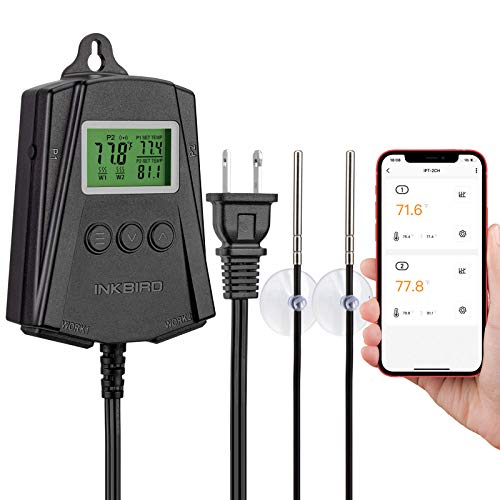
Inkbird Thermostat Temperature Controller
Prevents overheating and cold spikes, proportional control for stable temps, one of the most reliable reptile thermostats available
Check Price on Amazon
Zoo Med Aspen Snake Bedding
Dust-free, biodegradable, allows natural burrowing behavior, easy to spot-clean and maintain
Check Price on Amazon
Zilla Reptile Habitat Décor Hideouts
Heavy resin construction, natural appearance, easy to sanitize, sized appropriately for small to medium snakes
Check Price on Amazon
Fluker's Repta-Temp Remote Sensor Thermometer
Digital probe reads surface and ambient temps accurately, far more reliable than stick-on thermometers included with most tanks
Check Price on AmazonFrequently Asked Questions
Yes. Hognose snakes are one of the best beginner snakes available. They're small, hardy, and rarely bite. Their main quirks are occasional picky eating and dramatic defensive displays, but neither poses a real challenge for new keepers.
References & Sources
Related Articles

Ball Python Feeding Schedule by Age: The Full Guide
Learn the exact ball python feeding schedule by age, with prey sizing charts, thawing tips, and solutions for feeding strikes — all in one practical guide.

Western Hognose Snake Care: A Comprehensive Guide
Learn everything you need to know about western hognose snake care, from setup to feeding, in this detailed guide.

How to Handle a Bearded Dragon: Step-by-Step Guide
A step-by-step guide to handling your bearded dragon safely. Learn how to pick up, hold, and gradually build trust with your beardie at home.