
Ball Python Diet & Feeding Guide: Schedule, Prey Sizing, and Fixing Food Refusal
Ball pythons refuse food more than almost any other pet snake. This complete feeding guide covers schedules, prey sizing, and a step-by-step feeding strike fix.

✓Recommended Gear
In this guide, we cover everything you need to know and recommend 5 essential products. Check prices and availability below.
TL;DR: Ball pythons eat exclusively whole prey — frozen/thawed mice or rats — sized to 10–15% of the snake's body weight and offered every 5–7 days for hatchlings up to every 10–14 days for adults. Warm frozen prey to 100–105°F before offering and wiggle it with tongs to trigger a feeding response. Most feeding strikes are self-resolving; healthy adults can fast 3–6 months safely — check temperatures, humidity, and pre-shed signs before concluding something is wrong.
Ball pythons are one of the most popular pet snakes in the world — but they're also one of the most notorious food refusers. Keeper forums are full of panicked posts from owners whose ball python hasn't eaten in 3, 6, or even 12 weeks.
Here's the thing: most feeding strikes are completely normal and fixable. This guide covers everything from diet basics to a diagnostic flowchart for breaking a feeding strike. For a full overview of this species including temperament and enclosure, see our ball python care guide.
Ball Python Diet Basics
Ball pythons are obligate carnivores that thrive exclusively on whole prey animals. In the wild, they eat small mammals, birds, and occasionally lizards — swallowing prey whole to get complete nutrition from muscle, organs, fat, and bone.
In captivity, the gold standard is frozen/thawed rodents (mice or rats). These cover all of a ball python's nutritional needs when fed at the right size and frequency.
Ball pythons do not require — and should not receive — supplements, fruits, vegetables, or any non-prey foods. Their digestive system is built for one thing: whole prey.
Pro Tip: Always source feeders from a reputable supplier. Feeder rodents raised in poor conditions can carry parasites or nutritional deficiencies that affect your snake's health over time.
Feeding Schedule by Age
The right feeding frequency depends entirely on your snake's age and size. Overfeeding causes obesity; underfeeding stunts growth. Here's the keeper-standard breakdown:
| Age | Prey Size | Frequency |
|---|---|---|
| Hatchling (0–6 months) | Pinky/Fuzzy mouse | Every 5–7 days |
| Juvenile (6–18 months) | Hopper mouse / small rat | Every 7 days |
| Sub-adult (18–36 months) | Small–medium rat | Every 7–10 days |
| Adult (3+ years) | Medium–large rat | Every 10–14 days |
These ranges come from widely accepted keeper protocols and are consistent with guidelines from ReptiFiles' ball python feeding resource and the Zen Habitats ball python food guide.
Adults that are fed weekly tend to become obese — a serious health concern in ball pythons that affects organ function and lifespan.
Pro Tip: Weigh your snake monthly with a digital kitchen scale to track growth and confirm your feeding schedule is appropriate. A healthy juvenile should gain weight consistently but not balloon.
Feeding Schedule by Age
Hatchling (0–6 mo)
Every 5–7 days
Pinky/Fuzzy mouse
Juvenile (6–18 mo)
Every 7 days
Hopper mouse/small rat
Sub-adult (18–36 mo)
Every 7–10 days
Small–medium rat
Adult (3+ years)
Every 10–14 days
Medium–large rat
Prey Sizing and Selection
The single most important feeding rule is prey size: the prey should be roughly the same width as the widest part of your snake's body.
This is often called the 10–15% body weight rule — the prey item should weigh approximately 10–15% of your snake's current body weight. For example, a 500g snake should eat a prey item weighing roughly 50–75g.
Too large: causes regurgitation, stress, and potential internal injury. Too small: leaves the snake unsatisfied and nutritionally underfed over time.
Prey Progression by Life Stage
- Hatchlings: Start on pinky mice (newborn, no fur). Move to fuzzies (light fur) as they grow.
- Juveniles: Transition to hopper mice (fully furred but not adult), then small adult mice.
- Sub-adults: Introduce small rats — more nutritious per gram than mice, better for larger snakes.
- Adults: Switch fully to medium or large rats. Mice at this stage are too small to be nutritionally adequate.
Switching from mice to rats can sometimes trigger a feeding strike — this is one of the most common causes of temporary refusal in juveniles. More on that in the feeding strike section.
Pro Tip: Rats are nutritionally superior to mice for snakes over 300g. Keeper-reported data and breeder guidance consistently recommend making the switch to avoid the "all-mouse diet" problem that leads to picky feeders.
Frozen vs. Live: Safety and Best Practice
Frozen/thawed prey is strongly recommended over live feeding for both safety and convenience.
Live rodents can and do injure snakes — bites to the eyes, face, and body are documented in the keeper community, sometimes causing serious infections or permanent damage. A stressed live rodent left unattended can bite a snake that isn't immediately interested in eating.
The Case for Frozen/Thawed
- Safer: No risk of bite wounds or rodent-transmitted parasites
- Convenient: Buy in bulk, store in freezer for months
- Consistent: Same nutrition every feed, no variation in live prey health
- Humane: Considered more humane than live feeding by most veterinary sources
The PetMD ball python care sheet recommends pre-killed or frozen/thawed prey as the standard for captive ball pythons.
How to Thaw Prey Properly
- Move from freezer to refrigerator the night before (slow thaw)
- Before feeding, submerge in warm (not hot) water for 10–15 minutes until the prey reaches approximately 100–105°F internally
- Dry off excess moisture with a paper towel
- Offer using tongs — never hand-feed
Warm prey triggers a ball python's heat-sensing pit organs, which is often the difference between a reluctant strike and a confident feed.
Pro Tip: Use dedicated stainless steel feeding tongs — like the Zoo Med Feeding Tongs — to keep your hands away from strike range and prevent accidental bites. Tongs also let you wiggle the prey naturally to trigger feeding instinct.
Live vs. Frozen/Thawed Prey
Side-by-side comparison
| Feature | Live Prey | Frozen/Thawed Prey |
|---|---|---|
| Safety | Risk of rodent bites to eyes, face, and body | ★No bite wound or infection risk |
| Convenience | Requires live feeding setup and daily care | ★Buy in bulk, store in freezer for months |
| Nutritional Consistency | Varies with live rodent health | ★Same nutrition every feed |
| Disease/Parasite Risk | Can transmit parasites to snake | ★No parasite transmission |
Our Take: Frozen/thawed prey is the safer, more convenient, and more humane standard for captive ball pythons.
The Feeding Strike: Why Ball Pythons Refuse Food
Ball pythons are notorious for going off food, and it's almost never a sign of serious illness. A feeding strike lasting 2–8 weeks is common and well within normal range for this species.
Understanding why your snake has stopped eating is the key to fixing it without stress.
Diagnostic Flowchart: Start Here
Work through these in order before escalating to a vet:
Step 1 — Check enclosure temperatures This is the #1 cause of feeding refusal. Ball pythons need a warm side of 88–92°F (measured at the surface where they rest) and a cool side of 76–80°F. Ambient air temp should be 78–80°F.
If temps are even slightly off — especially too cool — digestion slows, appetite disappears. A snake that feels too cold will not eat. Use a quality thermostat like the Inkbird ITC-308 Thermostat to maintain precise temperatures. You can also verify with an independent digital thermometer.
See our full ball python heating guide for setup details.
Step 2 — Check humidity Ball pythons need 60–80% relative humidity. Low humidity (under 50%) causes discomfort, especially during shed cycles when the snake feels the need to stay in hides. A snake in pre-shed often refuses food — this is completely normal and resolves after the shed.
Step 3 — Look for a shed in progress Pre-shed signs: opaque/blue-milky eyes, dull skin, increased hide time. During this phase, most ball pythons will not eat. Wait until the shed is complete (usually 1–2 weeks) and offer food 3–5 days later.
Step 4 — Check for breeding season (October–March) This is the most misunderstood cause of long feeding strikes. Ball pythons in the wild experience a seasonal breeding period driven by temperature and photoperiod drops. Adult males — especially — may refuse food for 3–6 months during breeding season. This is called a seasonal fast.
Keeperdata from the A-Z Animals ball python feeding chart and breeder community confirms this is normal. Weight should remain stable. If your snake is losing significant weight (more than 10% body weight), investigate further.
Step 5 — Evaluate recent stress
- New enclosure or cage move
- New home (just acquired snake)
- Changes in the room environment (loud noise, new pets, rearranged cage furniture)
- Handling too frequently
Ball pythons are sensitive to change. A newly acquired snake may refuse food for 4–6 weeks while acclimating — this is extremely common and expected.
Step 6 — Rule out overhandling Ball pythons should not be handled for 48–72 hours after feeding (more on this in the next section). But even outside of that window, excess handling causes stress that suppresses appetite. Keep sessions to 15–20 minutes maximum, no more than 3–4 times per week.
Recovery Strategies for Feeding Strikes
Once you've identified the likely cause, try these approaches:
For temperature/humidity issues: Correct the environment first. Wait 1 week after correcting, then offer food again. Don't offer during the correction period — fix the root cause.
For newly acquired snakes: Leave them completely alone for 2–4 weeks. Minimal handling, minimal disturbance. Then attempt feeding. Patience is the only tool here.
For prey switching issues (mice to rats): Try scenting a rat with mouse bedding or a used mouse. Some keepers also try offering a frozen/thawed mouse first to restart eating, then gradually transition.
Braining (cutting the skull to expose brain tissue) is a commonly discussed technique in the keeper community to stimulate reluctant feeders via enhanced scent. Some keepers report success; use as a last resort before vet consultation.
Changing the feeding setup: Try a paper bag or small feeding container. Some ball pythons prefer the enclosed space and darkness — it mimics the burrow ambush condition they'd use in the wild.
Try different prey types: Gerbils, hamsters, or African soft fur rats sometimes interest a ball python that has gone completely off standard mice/rats. This is especially useful for snakes raised on gerbils or hamsters by breeders.
When to Call a Vet
A feeding strike alone is rarely a medical emergency. Contact a reptile vet if you observe:
- Weight loss exceeding 10% of body weight over the strike period
- Visible mucus or bubbling at the mouth or nostrils (possible respiratory infection)
- Wheezing or audible breathing sounds (respiratory infection)
- Loose or unusually foul-smelling stools when the snake does defecate
- Lumps, bumps, or abnormal swelling anywhere on the body
- Lethargy beyond normal rest postures — a snake that won't move when gently prodded
- A strike lasting longer than 6 months in an adult without seasonal explanation
This guide is for informational purposes only and is not a substitute for professional veterinary advice. If you observe any of the above signs, consult a qualified reptile veterinarian immediately. See our guide on recognizing reptile illness signs for more detail.
Diagnosing Feeding Strikes
What you need to know
Feeding strikes lasting 2–8 weeks are normal and fixable—rarely indicate serious illness
Temperature is the #1 cause: maintain 88–92°F warm side; below 76°F = appetite disappears
Pre-shed snakes refuse food: opaque/blue eyes and dull skin = wait 1–2 weeks after shed to feed
Low humidity below 50% causes discomfort and refusal; maintain 60–80% RH
October–March breeding season triggers long feeding strikes; this is seasonal, not pathological
Setting Up for Feeding Success
The feeding environment matters as much as the prey item itself. Ball pythons are ambush predators — they need to feel secure and the conditions must be right.
Enclosure Conditions Before Feeding
- Verify warm spot is 88–92°F using a reliable thermometer
- Verify humidity is 60–80%
- Make sure the snake has had access to its hides. A stressed, exposed snake rarely eats
- Dim the lights or feed at dusk/night — ball pythons are crepuscular/nocturnal and most active after dark
A Zoo Med ReptiTherm UTH (under tank heater) connected to a thermostat provides the belly warmth that aids in proper digestion after a successful feed. Ball pythons use belly heat from the substrate to digest, not just ambient air temperature.
Feeding Behavior Cues
Learn to read your snake before offering prey:
- Actively patrolling the enclosure with tongue flicking: Ready to eat. Offer prey now.
- Nose pressed against glass or climbing walls: Actively hunting — excellent feeding response expected
- Hiding completely, no activity: May not be ready. Wait and try again in a day or two.
- In a tight coil, head hidden: Resting or defensive. Do not attempt feeding.
The Feeding Process
- Thaw prey to body temperature (100–105°F)
- Use feeding tongs — never fingers. Wiggle prey gently to simulate live movement
- Place prey near the snake's hide entrance or offer directly in front of the snake
- Leave the room or at least stop hovering — your presence can inhibit the feeding response
- Check back after 20–30 minutes. If uneaten, remove immediately and discard
- Never leave prey in the enclosure overnight
Pro Tip: Some keepers feed in a separate Exo Terra Feeding Dish or dedicated feeding tub. This creates a consistent feeding context that some snakes respond well to, and keeps substrate out of the snake's mouth during the strike.
Common Feeding Mistakes
Handling too soon after feeding is the #1 mistake new ball python owners make. Ball pythons require 48–72 hours of undisturbed rest after eating to begin digesting.
Handling during this window causes the snake to regurgitate. Regurgitation is traumatic — it damages the esophagus and resets the snake's digestive system, requiring a 2-week recovery period before offering food again. Repeated regurgitation events can cause long-term health problems.
Other common mistakes:
- Feeding prey that's too large: Causes regurgitation and can injure the snake's jaw or body. The prey should not create a visible bulge wider than 1.5x the snake's body diameter.
- Feeding while the snake is in shed: Almost always results in refusal. Wait until the shed is complete plus 3–5 days.
- Feeding at the wrong temperature: Cold prey gets refused. Always warm to near body temperature.
- Feeding by hand: Creates feeding association with your hand. You will eventually get bitten. Always use tongs.
- Feeding too frequently in adults: Weekly feeding of adult ball pythons leads to obesity — a documented health problem in captive BP populations.
- Panicking during a normal feeding pause: Offering prey every few days out of anxiety stresses the snake further. Stick to the schedule.
Pro Tip: Keep a simple feeding log. Note the date, prey type, prey weight, and whether the snake ate. This lets you spot real patterns versus normal variation, and is extremely useful data if you ever need to consult a vet.
Feeding Accessories and Tools
Having the right tools makes feeding safer and more consistent. Here's what keeper-reported experience recommends:
Zoo Med Feeding Tongs — Stainless steel, 12 inches, keeps your hands safely away from strike range. Ball pythons are fast strikers with a strong feeding response. Tongs are non-negotiable. Check current prices via Amazon search for feeding tongs or the direct link below.
Digital Kitchen Scale — Essential for applying the 10–15% body weight rule accurately. Weigh your snake monthly, then calculate appropriate prey size. A $10–15 scale prevents years of size-guessing mistakes.
Inkbird ITC-308 Thermostat — Feeding success is temperature-dependent. This dual-stage thermostat controls both heating and cooling, maintains precise temperatures, and has a probe for accurate enclosure readings. Consistent temps = consistent feeding.
Zoo Med ReptiTherm UTH — Provides the belly heat critical for digestion. Pair with the ITC-308 to keep it in the correct temperature range. Running a UTH without a thermostat can cause burns and overheating.
Exo Terra Feeding Dish — A shallow, easy-clean ceramic dish that some keepers use as a feeding station. Keeps substrate out of the snake's mouth during the strike and creates a consistent feeding context.
Pro Tip: Store your frozen prey in a dedicated container or bag separate from human food. Label it clearly. Rodent feeders kept in good condition (vacuum-sealed, properly frozen) maintain quality for 6–12 months.

Zoo Med Feeding Tongs
Stainless steel tongs keep your hands safe from ball python strikes during feeding. Long enough for reach, sturdy enough to hold prey without slipping.
Check Price on Amazon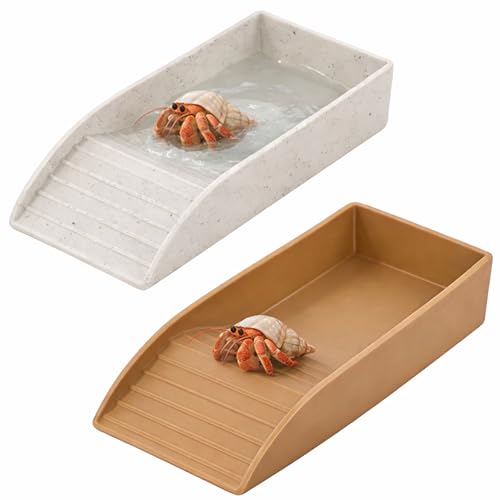
Exo Terra Feeding Dish
Shallow ceramic dish creates a consistent feeding station and keeps substrate out of your snake's mouth during strikes.
Check Price on Amazon
Digital Kitchen Scale
Required for applying the 10-15% body weight prey rule accurately. Also useful for monthly weight tracking to spot feeding strike warning signs early.
Check Price on AmazonBall Python vs. Corn Snake: Who's the Easier Feeder?
Ball pythons are significantly more prone to feeding strikes than corn snakes — this is one of the biggest practical differences between the two species.
Corn snakes are voracious, consistent feeders. Keeper-reported experience shows corn snakes almost never go on extended voluntary fasts outside of shed cycles. Ball pythons, by contrast, are wired for seasonal fasting and are more sensitive to environmental stress.
If you're choosing your first snake and consistent feeding behavior is a priority, corn snakes offer a less stressful experience in this area. Ball pythons reward the keeper who takes time to understand the species — once you decode their feeding patterns, it becomes predictable.
For a full feeding comparison, see our corn snake diet and feeding guide.
Digestion: What Happens After the Feed
A ball python's digestive process is a significant physiological event — not a quick process like mammal digestion. Understanding what's happening inside your snake explains many of the post-feeding behaviors that confuse new keepers.
After swallowing prey, a ball python's metabolism spikes significantly. Stomach acid ramps up, digestive enzymes activate, and the snake's body temperature regulation becomes critical. This is why belly heat from a properly set up substrate mat matters so much — snakes can't produce their own body heat to drive digestion.
At 88–90°F belly temperature, a small prey item (fuzzy mouse) takes approximately 48–72 hours to fully digest. A large prey item (adult rat) in an adult snake can take 3–5 days. During this entire window, the snake should not be handled.
Signs of active digestion:
- Snake remains coiled near warm side of the enclosure
- Visible lump that gradually moves and shrinks over 1–3 days
- Reduced activity and interest in surroundings
- Eyes may appear slightly glassy
A healthy ball python will defecate 5–10 days after a successful meal. Stool should be firm with a separate white urate component. Watery, bloody, or extremely foul-smelling stool warrants a vet consultation.
Pro Tip: If the prey lump is not noticeably smaller after 5–7 days, check your warm side temperature first. Low belly heat is the #1 cause of slow or incomplete digestion in captive ball pythons.
Recommended Gear
Zoo Med Feeding Tongs
Stainless steel tongs keep your hands safe from ball python strikes during feeding. Long enough for reach, sturdy enough to hold prey without slipping.
Check Price on AmazonExo Terra Feeding Dish
Shallow ceramic dish creates a consistent feeding station and keeps substrate out of your snake's mouth during strikes.
Check Price on Amazon
Inkbird ITC-308 Thermostat
Precise temperature control is the single biggest factor in feeding success. Dual-stage with heating and cooling control, accurate probe, reliable for long-term use.
Check Price on AmazonDigital Kitchen Scale
Required for applying the 10-15% body weight prey rule accurately. Also useful for monthly weight tracking to spot feeding strike warning signs early.
Check Price on Amazon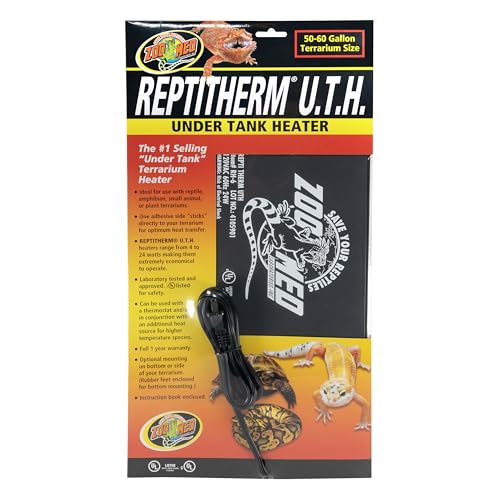
Zoo Med ReptiTherm UTH
Belly heat from a properly thermostatted UTH aids digestion after successful feeds. Ball pythons use substrate warmth to regulate their digestion rate.
Check Price on AmazonFrequently Asked Questions
A healthy adult ball python can safely fast for 3–6 months, especially during breeding season (October–March). Juveniles and hatchlings should not go more than 3–4 weeks without eating. The key indicator is weight: if your snake loses more than 10% of its body weight during a strike, consult a reptile vet.
References & Sources
Related Articles

Corn Snake Diet & Feeding Guide: Prey Sizing, Schedules, and Preventing Obesity
Corn snakes eat too well — obesity is the real threat, not refusal. This guide covers prey sizing tables, milestone schedules, and body condition scoring.

Ball Python Shedding Guide: Humidity, Stuck Sheds & Eye Cap Retention
Ball pythons need 60-80% humidity to shed cleanly — here's why they're high-risk, how to fix stuck sheds, and why eye cap retention is a real danger to vision.

Blue Tongue Skink Diet & Feeding Guide (By Age)
Complete blue tongue skink diet guide covering the protein-to-vegetable ratio by age, the dog food debate, best protein sources, safe greens, supplements, and the most common feeding mistakes that cause obesity.