
Corn Snake Diet & Feeding Guide: Prey Sizing, Schedules, and Preventing Obesity
Corn snakes eat too well — obesity is the real threat, not refusal. This guide covers prey sizing tables, milestone schedules, and body condition scoring.

✓Recommended Gear
In this guide, we cover everything you need to know and recommend 5 essential products. Check prices and availability below.
TL;DR: Feed corn snakes frozen-thawed mice sized 1-1.5× the snake's widest body point — juveniles every 5-7 days, adults every 10-14 days. Obesity is the leading adult health issue; unlike ball pythons, corn snakes almost never refuse food, so overfeeding is a bigger risk than underfeeding.
Here's the corn snake feeding truth nobody puts in the headline: your corn snake will almost certainly eat. Every time. Without drama.
That's the opposite of what you read in ball python forums, where feeding strikes dominate every discussion. A ball python is a food-refusing specialist — a creature literally wired for seasonal fasting. A corn snake is a voracious, opportunistic predator. The challenge isn't motivation — it's restraint.
Overfeeding a corn snake is genuinely easy to do, and the consequences — obesity, fatty liver disease, shortened lifespan — are well-documented in the reptile veterinary community. This guide is built around that reality: how to feed a corn snake correctly, not just how to get it to eat.
For a complete overview of corn snake care including enclosure setup and temperament, see our corn snake care guide.
Corn Snakes Are Reliable Eaters (And That's the Problem)
Corn snakes are among the most consistent feeders in the pet snake world. Where ball python owners spend weeks troubleshooting refusal, corn snake owners typically have the opposite experience — a snake that strikes at prey with enthusiasm from hatchling through adulthood.
This reliability is a double-edged sword. Because corn snakes accept food so readily, it's tempting to offer prey more frequently than necessary. That instinct — "it ate so fast, it must still be hungry" — is exactly how obesity develops.
Unlike ball pythons, corn snakes almost never voluntarily fast outside of shed cycles. If your corn snake isn't eating, that's worth investigating immediately, not waiting out. In a species this consistent, refusal is signal — not noise.
Pro Tip: If your corn snake refuses food, check temperatures first. Corn snakes digest at their best with a warm side of 82–85°F and a cool side of 72–75°F. See our corn snake heating guide for full setup details.
The contrast with ball pythons is stark. Ball pythons need motivation — you debug their environment, switch prey, try different feeding vessels. Corn snakes need portion control. The feeding psychology is fundamentally reversed. For a side-by-side comparison of both species as pets, see our ball python vs corn snake guide.
What Do Corn Snakes Eat?
Corn snakes are obligate carnivores that thrive on a diet of whole frozen/thawed mice. That's it. No rats needed, no supplements required (with minor exceptions), no live prey necessary.
In the wild, Pantherophis guttatus preys on small rodents, birds, lizards, and frogs. In captivity, the standard is frozen/thawed mice — nutritionally complete, safe, and available in every size from pinky to jumbo adult.
Why Mice (Not Rats)
Unlike ball pythons — which should transition to rats as adults — corn snakes use mice throughout their entire lives. A well-fed adult corn snake maxes out at around 900g–1,200g. That's comfortably within the nutritional range of adult mice.
Rats are not necessary for corn snakes and introduce complications: they're larger than needed, higher in fat, and increase the overfeeding risk. Stick with mice in appropriately sized increments.
Frozen/Thawed Is Non-Negotiable
Live feeding is unnecessary and risky. A live mouse can bite, scratch, and injure a snake that hesitates on the strike. The ReptiFiles corn snake feeding resource recommends frozen/thawed prey as the only appropriate method for captive corn snakes.
Corn snakes typically take frozen/thawed prey with zero resistance — another advantage over ball pythons, which often need extensive conditioning.
Pro Tip: Buy frozen feeder mice in bulk and store them vacuum-sealed. Quality feeders maintain nutritional value for 6–12 months when properly frozen. Buying in bulk saves significantly versus individual purchases.
Feeding Method: Frozen/Thawed vs Live
Side-by-side comparison
| Feature | Frozen/Thawed | Live Prey |
|---|---|---|
| Safety | ★No injury risk | Mouse can bite/scratch |
| Snake Response | ★Zero resistance | Requires conditioning |
| Storage & Convenience | ★Stores 6-12 months frozen | Must maintain live colony |
| Nutrition | Nutritionally complete | Same nutrition |
| Expert Recommendation | ★ReptiFiles standard | Unnecessary & risky |
Our Take: Frozen/thawed prey is the only appropriate method for captive corn snakes—safer, easier, and universally recommended.
Sizing Prey: The 1.5x Rule and Weight-to-Weight Ratios
Getting prey size right is the single most important feeding skill for corn snake keepers. Too large causes regurgitation. Too small accumulates into chronic underfeeding. The goal is a prey item that creates a small, visible lump — gone within 48 hours.
The 1.5x Diameter Rule
The classic sizing rule: the prey item should be no wider than 1.5 times the widest part of the snake's body at mid-body. A slight oval lump is normal and healthy. A lump wider than the snake's body diameter indicates the prey was too large.
Weight-to-Weight Ratio Method (More Precise)
For keepers who weigh their snakes regularly — which you should — a weight-based formula is more reliable than visual estimation:
| Snake Weight | Target Prey Weight | Mouse Size Equivalent |
|---|---|---|
| Under 25g | 2–4g | Pinky (newborn) |
| 25–50g | 4–8g | Fuzzy (4–6 days old) |
| 50–100g | 8–15g | Hopper (10–14 days old) |
| 100–250g | 15–30g | Adult mouse (small) |
| 250–500g | 30–50g | Adult mouse (medium) |
| 500–900g | 40–70g | Adult mouse (large) |
| 900g+ | 55–80g | Jumbo adult mouse |
The target is 10–15% of body weight per feeding. Most keeper guides and veterinary sources agree on this range as the maintenance sweet spot. At the lower end (10%) you're maintaining; at the upper end (15%) you're in growth/recovery territory.
Always weigh prey with a Digital Kitchen Scale rated to 0.1g precision — mouse sizes listed on packaging are approximate. A "large adult mouse" can range from 30g to 60g depending on the supplier.
Pro Tip: Keep a feeding log. Record date, prey weight, snake weight, and whether the snake ate. This 30-second habit catches overfeeding trends before they become obesity problems — and gives a vet useful data if you ever need a consultation.
Prey Progression Checkpoints
Transition to the next prey size when your snake's mid-body diameter clearly exceeds the current prey width — not on a calendar schedule. This is milestone-based, not time-based:
- Pinky → Fuzzy: When the snake consistently creates a visibly flat lump (prey is too small)
- Fuzzy → Hopper: When the snake's mid-body is noticeably wider than the fuzzy
- Hopper → Adult mouse: When the snake passes roughly 80g body weight
- Small → Medium → Large adult: Scale up as body weight dictates, checking the 1.5x rule each time
Rush these transitions and you risk chronic overfeeding. Delay them and the snake doesn't get enough nutrition per feeding event.
Corn Snake Prey Sizing Guide
Under 25g
2-4g (Pinky)
Newborn mice
25-50g
4-8g (Fuzzy)
4-6 days old
50-100g
8-15g (Hopper)
10-14 days old
100-250g
15-30g (Small adult)
Adult mouse
250-500g
30-50g (Medium adult)
Maintenance size
500-900g
40-70g (Large adult)
Near adult size
900g+
55-80g (Jumbo)
Maximum
Feeding Frequency by Age
Corn snakes should be fed less often than most beginner guides suggest. The "every 5–7 days for all ages" advice you see repeated online is appropriate only for fast-growing hatchlings — not for juveniles and adults.
Here's the milestone-based schedule derived from keeper-reported data and sources like the Zen Habitats corn snake food guide and cornsnake.net feeding guide:
| Life Stage | Age / Weight | Frequency |
|---|---|---|
| Hatchling | 0–3 months / under 30g | Every 5–7 days |
| Young juvenile | 3–9 months / 30–100g | Every 7 days |
| Juvenile | 9–18 months / 100–300g | Every 7–10 days |
| Sub-adult | 18–36 months / 300–600g | Every 10–14 days |
| Adult | 3+ years / 600g+ | Every 14 days |
Adult corn snakes — especially females — fed weekly will become obese within 12–18 months. This is not an exaggeration: fatty liver disease from chronic overfeeding is a documented cause of premature death in captive corn snakes.
Pro Tip: When in doubt, feed less frequently. A corn snake that's hungry between feedings is a healthy corn snake. A corn snake that's chronically overfed develops internal fat deposits that are invisible externally until the damage is advanced.
Growth Milestone Transitions (Not Calendar-Based)
The schedule above is a starting point. The real trigger for increasing frequency or prey size is your snake's body condition — not the calendar.
Increase frequency when the snake is consistently lean (visible spine ridges, no lateral fat rolls) and growing rapidly. Decrease frequency when the snake is reaching adult size, female before breeding season, or showing early obesity signs.
Feeding Schedule by Life Stage
Hatchling (0-3mo)
Every 5-7 days
Under 30g
Young Juvenile (3-9mo)
Every 7 days
30-100g
Juvenile (9-18mo)
Every 7-10 days
100-300g
Sub-adult (18-36mo)
Every 10-14 days
300-600g
Adult (3+ years)
Every 14 days
600g+ (obesity risk if weekly)
Preventing Obesity and Fatty Liver Disease
Obesity is the most serious chronic health risk for captive corn snakes. It's caused by a combination of prey items that are too large, feeding too frequently, or both — and it accumulates invisibly over months before becoming obvious.
Body Condition Scoring (BCS)
Learning to assess your corn snake's body condition is the most effective prevention tool. Reptile veterinarians use a simple 1–5 scale:
| Score | Condition | What You See / Feel |
|---|---|---|
| 1 | Severely underweight | Spine sharply visible from above, strongly triangular cross-section, sunken flanks |
| 2 | Underweight | Spine visible, slightly triangular cross-section, minimal lateral muscle mass |
| 3 | Ideal | Spine palpable but not visible, smooth round to slightly oval cross-section, no fat rolls |
| 4 | Overweight | Spine not palpable without firm pressure, slight lateral fat deposits, visibly round |
| 5 | Obese | Spine buried in fat, clearly round or "sausage" cross-section, lateral fat rolls visible |
A healthy corn snake should feel like a rounded tube — not a ridge (too thin) and not a cylinder of fat (too heavy). Run your thumb along the spine gently. You should be able to feel vertebrae with light pressure. If you can't, the snake is overweight.
Signs of Fatty Liver Disease
Fatty liver disease (hepatic lipidosis) develops when excess dietary fat overwhelms the liver's capacity. By the time symptoms appear, liver damage is already significant:
- Persistent lethargy that doesn't correspond to shedding
- Loss of appetite (ironic, but late-stage disease causes refusal)
- Abnormal posturing (star-gazing, inability to right itself)
- Swelling or distension in the mid-body region
If you observe any of these signs, consult a reptile veterinarian immediately. Fatty liver disease is treatable if caught early, but irreversible if advanced.
Pro Tip: Weigh your corn snake monthly with a Digital Kitchen Scale. Steady growth is healthy in juveniles; stable weight is healthy in adults. A juvenile gaining more than 20–30% of its weight per month is likely being overfed. An adult gaining weight consistently is a red flag.
Obesity Prevention Checklist
- Feed 10% body weight per session (not 15%) once snakes reach sub-adult stage
- Transition from "every 7 days" to "every 14 days" before the snake reaches full adult size
- Never feed two prey items in one session unless recovering from illness
- Score body condition every month alongside weigh-ins
- Remember: a mild BCS 2 is correctable; a BCS 5 requires veterinary intervention
Preparing and Thawing Frozen Prey
How you thaw prey matters for food safety and feeding success. Improperly thawed mice can harbor bacterial contamination on the surface — or remain frozen in the core — both of which cause problems.
The Right Thawing Method
- Slow thaw overnight in the refrigerator (best option for planning ahead)
- Warm water thaw for same-day feeding: submerge in warm (not hot, not boiling) water for 15–20 minutes until the prey reaches approximately 98–100°F internally
- Dry with a paper towel before offering — excess surface moisture is unnecessary
- Offer with Zoo Med Feeding Tongs — never hand-feed
Corn snakes typically accept prey with no convincing needed. If your corn snake hesitates, a gentle wiggle of the tongs is usually enough to trigger the strike.
What Not to Do
- Microwave thawing — creates uneven hot spots and can cook parts of the prey internally
- Leaving prey on the counter at room temperature for extended periods — bacterial growth risk
- Offering cold or partially frozen prey — snakes rely on heat sensing; cold prey gets ignored
- Leaving uneaten prey in the enclosure — if the snake hasn't eaten in 30 minutes, remove and discard
Pro Tip: If your corn snake consistently ignores prey, try warming it slightly more than usual — to 100–102°F — and offering it near the warm side of the enclosure. Corn snakes locate prey by heat signature; a warmer prey item triggers a stronger response.
Supplementation: Calcium, Vitamins, and When to Use Them
Corn snakes on a complete frozen/thawed whole-prey diet require minimal supplementation. Whole prey animals contain muscle, organs, bone, and fat — a complete nutritional package.
However, two supplementation scenarios do apply:
Calcium Supplementation
Whole mice provide adequate calcium when fed at appropriate sizes. However, if you're feeding exclusively pinky mice (which have less bone than fully developed rodents) to hatchlings, a light calcium dusting every 3–4 feedings is reasonable. Use Repashy Calcium Plus — a calcium and multivitamin combined supplement that also helps cover the B-vitamin content in whole prey.
Once snakes are on fuzzies and larger, calcium supplementation is generally not necessary for healthy animals on a varied whole-prey diet.
Vitamin A: The Toxicity Risk
Vitamin A supplementation is the most commonly misapplied supplement in reptile keeping. Unlike water-soluble vitamins, Vitamin A (retinol) is fat-soluble and accumulates in liver tissue. Chronic over-supplementation causes hypervitaminosis A — a serious condition causing skin lesions, liver damage, and neurological symptoms.
The PetMD corn snake care sheet notes that whole prey contains adequate preformed Vitamin A in organ tissue. Additional supplementation is not recommended for corn snakes on a standard frozen/thawed mouse diet.
If you use Repashy Calcium Plus, follow package directions — it's formulated at safe levels. Do not stack multiple vitamin supplements.
Supplementation Summary
| Supplement | When Needed | When to Skip |
|---|---|---|
| Calcium | Hatchlings on pinkies; recovery from metabolic issues | Adults on fuzzies and larger |
| Multivitamin | Occasional use with calcium | Never stack with multiple vitamin sources |
| Vitamin D3 | Corn snakes with no UVB access (rare need) | Snakes with appropriate UVB lighting |
| Vitamin A | Almost never | Any snake on whole prey diet |
Troubleshooting Refusal and Regurgitation
Corn snake feeding refusal is uncommon enough that any refusal warrants investigation. Unlike ball pythons — where a 6-week fast might be normal breeding behavior — a corn snake skipping more than one or two feedings deserves attention.
Common Causes of Refusal
Temperature is the most likely culprit. Corn snakes digest optimally with a warm side of 82–85°F. If the enclosure is too cool, digestion slows and appetite drops. Verify with an accurate digital thermometer. A Zoo Med ReptiTherm UTH connected to a thermostat provides reliable belly warmth that directly supports digestion.
Pre-shed phase. Like all snakes, corn snakes often refuse food for a few days before a shed — usually 5–7 days pre-shed. Eyes will appear milky or blue-tinged. Wait until the shed is complete plus 3–5 days before offering again.
Recent stress or environmental change. New enclosure, new home, recent handling before feeding, changes in the room — any of these can temporarily suppress the feeding response. Give the snake 48 hours of quiet before attempting again.
Prey temperature. Cold or room-temperature prey gets ignored. Always warm to 98–102°F.
Understanding Regurgitation
Regurgitation — bringing up prey after swallowing — is more serious than refusal. Common causes:
- Prey too large: The most common cause. The snake swallowed prey it physically couldn't digest efficiently.
- Handling too soon after feeding: Always wait 48–72 hours after a successful feeding before any handling.
- Enclosure too cool: Low belly temperature stops digestion, triggering regurgitation as a safety mechanism.
- Stress: Being moved, observed closely during digestion, or exposed to a threatening stimulus.
After a regurgitation event, wait 14 days before the next feeding attempt, and when you do feed, offer a prey item one size smaller than usual. Regurgitation is physically stressful and requires recovery time.
Pro Tip: If your corn snake regurgitates twice in a row, or regurgitates prey that was appropriately sized with no obvious cause, consult a reptile veterinarian. Parasites, internal blockages, and infections can all present as repeated regurgitation. See our guide on recognizing reptile illness signs for what to watch for.
Corn Snake Feeding Setup
The physical feeding setup for corn snakes is simpler than for ball pythons. Corn snakes don't need a separate feeding container, special lighting conditions, or elaborate environmental rituals. They eat.
That said, a few basics make feeding safer and more consistent:
Always use tongs. Zoo Med Feeding Tongs keep your hand out of strike range. Corn snakes have a fast, enthusiastic feeding response — hand-feeding creates a bite association that makes every future interaction riskier. See our best reptile feeding tongs guide for options.
Feed in the enclosure. Unlike some snakes that get stressed by unfamiliar containers, corn snakes typically eat confidently in their home enclosure. No separate feeding tub needed.
Use a water dish. After feeding, corn snakes often drink. A clean, stable Exo Terra Water Dish provides fresh water access without tipping hazard — important since corn snakes frequently nose through their enclosure after a meal.
Provide belly warmth. Digestion is temperature-dependent. A Zoo Med ReptiTherm UTH connected to a thermostat (see our corn snake heating guide) ensures the warm substrate zone your snake needs for efficient digestion. A loose, burrowing substrate like aspen also helps retain warmth at the belly level — see our best corn snake substrate picks.
Secure the enclosure. A corn snake that has just eaten and is actively exploring is also an expert escape artist. Verify all latches before leaving — a secure, well-ventilated enclosure is essential. See our best corn snake enclosures guide for models with reliable locking mechanisms. Corn snakes are significantly more active after feeding than before.
Pro Tip: Offer prey at dusk or in low light conditions. Corn snakes are crepuscular — most active at dawn and dusk — and their feeding instinct peaks during low-light conditions. A night feeding results in faster, more confident strikes.
This article is for informational purposes only and is not a substitute for professional veterinary advice. Always consult a qualified reptile veterinarian for health concerns specific to your animal.

Zoo Med Feeding Tongs
Stainless steel tongs keep your hand safely out of a corn snake's enthusiastic strike zone. Long enough for reach, sturdy enough not to flex or drop prey mid-offer.
Check Price on Amazon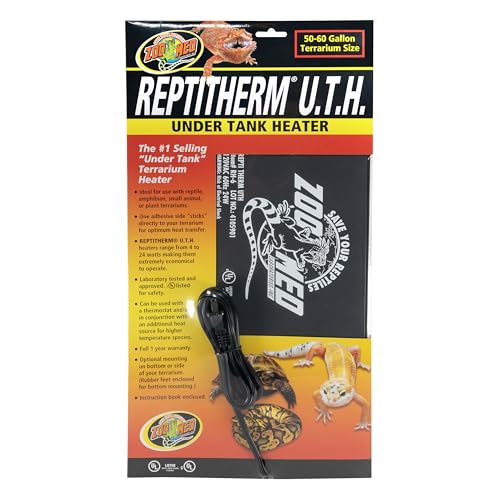
Zoo Med ReptiTherm UTH
Belly warmth from a thermostat-controlled under-tank heater directly supports digestion after feeding. Corn snakes use substrate heat to regulate their digestive rate — inconsistent belly temperature is a leading cause of regurgitation.
Check Price on Amazon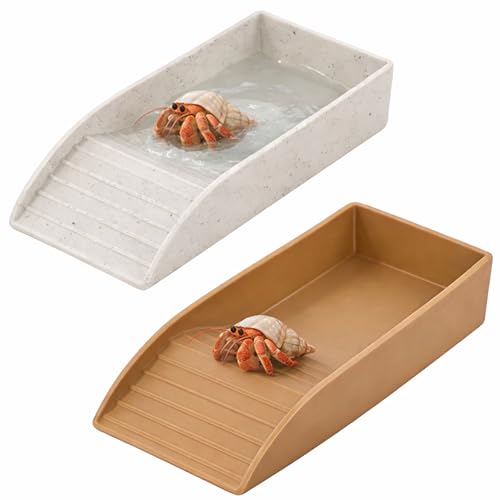
Exo Terra Water Dish
A stable, tip-proof ceramic dish that corn snakes can't easily flip during their post-feeding exploration. Corn snakes drink frequently after meals — fresh water access matters.
Check Price on AmazonRecommended Gear
Zoo Med Feeding Tongs
Stainless steel tongs keep your hand safely out of a corn snake's enthusiastic strike zone. Long enough for reach, sturdy enough not to flex or drop prey mid-offer.
Check Price on AmazonDigital Kitchen Scale
0.1g precision is essential for applying the 10–15% body weight prey rule accurately. Also the only reliable way to track monthly weight trends and catch overfeeding before it becomes obesity.
Check Price on Amazon
Repashy Calcium Plus
A combined calcium and multivitamin supplement formulated at safe levels — no stacking needed. Appropriate for hatchlings on pinky mice and occasional use for adult corn snakes.
Check Price on AmazonZoo Med ReptiTherm UTH
Belly warmth from a thermostat-controlled under-tank heater directly supports digestion after feeding. Corn snakes use substrate heat to regulate their digestive rate — inconsistent belly temperature is a leading cause of regurgitation.
Check Price on AmazonExo Terra Water Dish
A stable, tip-proof ceramic dish that corn snakes can't easily flip during their post-feeding exploration. Corn snakes drink frequently after meals — fresh water access matters.
Check Price on AmazonFrequently Asked Questions
Feeding frequency depends on life stage, not a fixed calendar. Hatchlings (under 30g) eat every 5–7 days. Juveniles (30–300g) eat every 7–10 days. Sub-adults (300–600g) eat every 10–14 days. Adults (600g+) eat every 14 days. Feeding adults weekly is one of the most common causes of obesity in captive corn snakes.
References & Sources
Related Articles

Ball Python Diet & Feeding Guide: Schedule, Prey Sizing, and Fixing Food Refusal
Ball pythons refuse food more than almost any other pet snake. This complete feeding guide covers schedules, prey sizing, and a step-by-step feeding strike fix.

Blue Tongue Skink Diet & Feeding Guide (By Age)
Complete blue tongue skink diet guide covering the protein-to-vegetable ratio by age, the dog food debate, best protein sources, safe greens, supplements, and the most common feeding mistakes that cause obesity.

Bearded Dragon Diet & Feeding Guide (By Age)
Complete bearded dragon diet guide covering the insect-to-greens ratio by age, best feeder insects, safe vegetables, supplements, and common feeding mistakes.