
Corn Snake Care Guide: Habitat, Diet & Health
Complete corn snake care guide for beginners. Covers enclosure setup, temperature, humidity, feeding frozen-thawed mice, 100+ morphs, handling, health, and escape prevention tips.

✓Recommended Gear
In this guide, we cover everything you need to know and recommend 6 essential products. Check prices and availability below.
TL;DR: Corn snakes are ideal beginner snakes reaching 4-5 ft, needing a 4×2×1 ft enclosure with an 85-88°F warm side, 72-75°F cool side, and one appropriately-sized frozen-thawed mouse every 7-10 days for adults. They live 15-20+ years, rarely refuse food, and come in over 100 color morphs — the most reliably easy snake in the hobby.
Corn snakes have earned the title of the world's most popular beginner snake — and the reputation is completely deserved. These slender, colorful colubrids are forgiving of beginner mistakes, rarely bite, eat reliably, and come in over 100 stunning morphs. If you're researching your first snake, this is where the search ends.
Based on keeper reports and veterinary literature, corn snakes thrive with straightforward care and live well over a decade when kept properly. This guide covers everything you need to set up a healthy enclosure from day one.
Species Overview
Origin & Natural Habitat
The corn snake (Pantherophis guttatus) is native to the southeastern United States, ranging from New Jersey south to Florida and west to Louisiana. According to ReptiFiles, they inhabit pine forests, overgrown fields, and the edges of farmlands — including corn grain stores where they hunt rodents, giving them their common name.
In the wild, corn snakes are crepuscular to nocturnal, most active at dawn, dusk, and nighttime. They are skilled climbers and proficient burrowers, both behaviors you'll observe in captivity.
Size & Appearance
Adult corn snakes reach 3-5 feet (90-150 cm) in total length, with females often growing slightly larger than males. They are slender-bodied with a distinctive patterning: saddle-shaped blotches of red, orange, or brown outlined in black on a lighter background.
The underside displays a checkerboard pattern of black and white — this belly pattern is one of the easiest visual identifiers in the field. Wild-type corn snakes are sometimes confused with copperheads, though they lack the hourglass pattern and heat-sensing pits of venomous species.
Lifespan
Captive corn snakes live 15-20 years with good care, and some individuals have reached 23+ years. This is an important commitment to consider before purchasing. Community data shows that lifespan is strongly linked to prey quality, temperature management, and avoiding chronic stress.
Note for new keepers: Corn snakes are often compared to leopard geckos and bearded dragons as top beginner reptiles. Unlike those species, corn snakes require no insects, no live prey, and no intense UVB — making day-to-day care considerably simpler.
Corn Snake Quick Reference
Adult Size
3-5 feet
Females often slightly larger
Lifespan
15-20+ years
Some individuals reach 23+
Native to
Southeastern USA
New Jersey to Louisiana
Activity Pattern
Crepuscular/Nocturnal
Active at dawn, dusk, night
Pattern
Saddle-shaped blotches
Red, orange, or brown outlined in black
Color Morphs
100+
Most diverse captive reptile species
Morph Diversity: 100+ Color Variations
Why Morphs Matter
Corn snakes have been selectively bred in captivity since the 1960s. Today, they offer more morph diversity than almost any other captive reptile species — over 100 recognized morphs produced by combining mutations in melanin, pattern, and scale structure.
This morph diversity is one of the biggest reasons corn snakes remain a top seller at reptile expos and breeder operations.
Popular Morph Categories
| Morph | Description | Price Range |
|---|---|---|
| Normal (Wild-type) | Classic orange/red saddles on tan | $30-50 |
| Amel (Albino) | No black pigment; bright red on white/yellow | $50-100 |
| Anery (Anerythristic) | No red pigment; gray and black | $50-80 |
| Snow | Amel + Anery combined; nearly white | $80-150 |
| Caramel | Warm gold and caramel tones | $60-120 |
| Lavender | Purple-gray base with pink highlights | $80-150 |
| Blood Red | Extremely reduced pattern, deep red | $80-180 |
| Tessera | Stripe pattern instead of saddles | $100-200 |
| Scaleless | Reduced or absent scales; velvet texture | $200-500+ |
| Okeetee | Wild-type with thick black outlines | $60-120 |
Buyer tip: With morphs, you're paying for aesthetics, not health. A $35 normal-phase corn snake is just as healthy, hardy, and handleable as a $400 scaleless. Start with a common morph while you learn husbandry.
Enclosure Setup
Tank Size Requirements
Corn snakes are active explorers and need adequate space to thermoregulate properly. Many keepers start juveniles too small and upgrade repeatedly — buying the adult-sized enclosure from the start saves money.
| Life Stage | Minimum Size | Recommended Size |
|---|---|---|
| Hatchling (0-6 months) | 10-20 gallon | 20 gallon |
| Juvenile (6-18 months) | 20-40 gallon | 40 gallon |
| Adult (18+ months) | 40 gallon | 4x2x2 ft (75-gal equivalent) |
According to The Bio Dude, a 4x2x2 foot enclosure is the gold standard for adult corn snakes. This footprint allows a proper thermal gradient, hides on both ends, and enrichment elements without crowding.
Front-opening glass terrariums are the most popular choice. The Exo Terra Glass Natural Terrarium 36x18x18 works well for juveniles, while PVC or wood enclosures retain heat better for larger adults.
The Escape Artist Problem: Lid Security Is Critical
Corn snakes are notorious escape artists. This is not hyperbole — keeper reports consistently show that corn snakes find and exploit any gap in their enclosure, including:
- Loose or unsecured screen lids
- Small holes in mesh tops
- Gaps around cords or tubes entering the enclosure
- Feeder-door seams on PVC enclosures
- Unsecured front doors on glass terrariums
Every gap larger than the snake's head diameter is a potential escape route. A juvenile corn snake can squeeze through a gap the size of a coin. Escaped snakes often end up behind walls, appliances, or heating systems — and many are never recovered.
Escape prevention checklist:
- Use enclosures with lockable latching lids (not simple gravity-held screens)
- Cover all ventilation gaps that are oversized with fine mesh
- Run all cables through cord-management holes with foam gaskets
- Double-check after every cleaning that all access points are fully closed
Substrate Options
Substrate choice affects humidity, burrowing behavior, and long-term health. Corn snakes are natural burrowers and benefit from substrate depth of at least 3-4 inches.
Top substrate choices:
- Aspen shavings — most widely used, holds burrows well, affordable, low humidity impact
- Coconut fiber (coco coir) — excellent moisture retention, good for humidity management, [Reptile Prime Coconut Fiber Substrate](https://www.amazon.com/dp/B07CMFCS1X?tag=krawlo-20 is a reliable brand
- Bioactive mix (coconut fiber + topsoil + sand) — naturalistic, self-cleaning with isopods and springtails, increasingly popular among experienced keepers
- Cypress mulch — good humidity retention in drier climates
Avoid: Cedar and pine shavings (aromatic oils cause respiratory toxicity), calcium sand (impaction risk), paper towel only (too shallow, no burrowing opportunity).
The Bioactive Option
Bioactive setups are the fastest-growing trend in corn snake husbandry. A properly established bioactive enclosure uses live plants, organic substrate, isopods, and springtails to create a self-maintaining mini-ecosystem. Waste is broken down biologically, reducing cleaning frequency significantly.
Bioactive corn snake enclosures require a deeper substrate layer (4-6 inches minimum), a drainage layer, and a light cycle that supports plant growth. Most keepers combine this with a low-output UVB bulb, which benefits both the plants and the snake. Setup cost is higher, but long-term maintenance time drops considerably.
Hides and Enrichment
Every corn snake enclosure needs at minimum:
- Warm-side hide — positioned over or near the heat source
- Cool-side hide — provides security away from heat
- Humid/shed hide — filled with damp sphagnum moss (critical during shedding)
- Climbing branches or cork bark tubes — corn snakes climb actively
- Water dish — heavy ceramic or rock dish to prevent tipping; large enough to soak in
Hides should fit the snake snugly. A too-large hide provides little security. Keeper reports consistently show that snakes in appropriately sized hides are less stressed, feed more readily, and shed more successfully.
Standard vs. Bioactive Enclosure
Side-by-side comparison
| Feature | Standard Setup (Aspen) | Bioactive Setup |
|---|---|---|
| Substrate Depth | 3-4 inches | 4-6 inches |
| Self-Cleaning | No—regular spot-cleaning needed | ★Yes—isopods/springtails break down waste |
| Live Plants | No | ★Yes—supports plant + snake growth |
| Maintenance Time | Regular cleaning required | ★Considerably reduced |
| Setup Cost | ★Lower initial cost | Higher initial investment |
| Best For | Beginner keepers | Experienced keepers |
Our Take: Beginners should start with standard aspen; bioactive is the fastest-growing trend for long-term convenience.
Temperature and Humidity
Temperature Gradient
As ectotherms, corn snakes regulate body temperature by moving between warm and cool zones. Without a proper gradient, they cannot digest food, fight infections, or behave naturally.
| Zone | Target Temperature |
|---|---|
| Warm side (basking zone) | 85-88°F |
| Cool side ambient | 72-78°F |
| Nighttime (all zones) | 68-75°F |
The Zilla Reptile Terrarium Heat Mat Under Tank Heater provides consistent belly heat on the warm side without driving ambient temperatures too high. Always use a thermostat with any heating element — unregulated mats can cause burns. See our best reptile thermometer guide for accurate temperature monitoring tools.
Pro Tip: Never rely on stick-on analog thermometers. Research shows their readings are often 5-15°F off from actual temperature. Use a digital probe thermometer placed at substrate level on both sides of the enclosure.
Humidity Requirements
Corn snakes require moderate humidity: 40-50% under normal conditions, increased to 60-70% during shedding.
Monitor humidity with a reliable digital hygrometer — see our best reptile hygrometer guide for tested options. If ambient humidity in your home is too low:
- Use a substrate that retains moisture (coconut fiber vs. aspen)
- Partially cover the screen lid with foil or plastic to reduce evaporation
- Add a larger water dish to increase ambient moisture
- Always keep a humid hide packed with damp sphagnum moss available
High chronic humidity (above 70%) can cause respiratory infections and scale rot. Good airflow is essential to prevent stagnant humid air pockets.
Lighting Requirements
Corn snakes are historically kept with basic daylight cycles and no UVB. However, recent studies and keeper experience suggest measurable benefits from low-output UVB lighting, including improved vitamin D3 synthesis and more naturalistic behavior.
Current best practice recommendation:
- 12-hour light/dark cycle on a timer (see best reptile light timers)
- Low-level UVB (T5 HO 5.0 or 6%) positioned so the snake can choose exposure distance — see best UVB fixtures
- UVB is not strictly required for survival, but is now considered best practice by a growing number of experienced keepers and herpetological researchers
The [Zoo Med ReptiSun 5.0 UVB T5 HO Fluorescent Lamp](https://www.amazon.com/dp/B00M9ONY1W?tag=krawlo-20 is the most commonly recommended low-output UVB option for colubrids. Mount it so the snake can retreat out of range if desired.
Diet and Feeding
Frozen-Thawed Prey: The Gold Standard
Corn snakes are carnivores that eat exclusively whole prey — primarily mice, with small rats as an option for large adults. The reptile keeping community overwhelmingly recommends frozen-thawed (F/T) prey over live prey for several reasons:
- Live prey can injure or even kill snakes (bites, scratches)
- F/T prey is safer, more convenient, and widely available
- F/T prey is generally more hygienic and free of wild parasites
- Corn snakes accept F/T prey readily when introduced correctly
According to PetMD's corn snake care sheet, prey should be no wider than the widest point of the snake's body. Oversized prey can cause regurgitation, stress, and in extreme cases, injury.
Feeding Schedule by Age
| Life Stage | Prey Size | Frequency |
|---|---|---|
| Hatchling (0-3 months) | Pinky mouse | Every 5-7 days |
| Juvenile (3-12 months) | Fuzzy/hopper mouse | Every 7 days |
| Sub-adult (12-24 months) | Small adult mouse | Every 7-10 days |
| Adult (24+ months) | Adult mouse | Every 10-14 days |
Thawing method: Thaw frozen prey in the refrigerator overnight, then warm to 95-100°F in warm (not boiling) water just before feeding. Body-temperature prey triggers a stronger feeding response than room-temperature prey.
Feeding Technique
Always use feeding tongs — not your hands — to offer prey. Corn snakes develop what keepers call a feeding response: when prey is offered, they can strike at heat and movement. Tongs keep hands safely away from the strike zone. The Zoo Med Reptile Stainless Steel Feeding Tongs are the community standard.
Best practices:
- Feed in the enclosure (removes the stress of transport for most snakes)
- Feed at dusk or evening (aligns with natural crepuscular feeding behavior)
- Remove uneaten prey after 30-45 minutes to prevent stress
- Wait 48 hours after feeding before handling to prevent regurgitation
Feeding Refusal Troubleshooting
Feeding refusal is one of the most common concerns from new corn snake keepers. In most cases, it is not an emergency. Community data shows the most frequent causes are:
- Incoming shed — snakes often refuse food for 1-2 weeks before and during shedding (look for blue/milky eyes and dull skin)
- Settlement period — new snakes need 2 weeks of minimal disturbance to feel secure enough to eat
- Incorrect temperatures — prey cannot be properly processed below 80°F warm-side temperatures
- Prey too large — downsize the prey item by one size class
- Scent issues — if the snake has eaten one prey type before, try scenting the new prey item with a different species' scent (mouse rubbed with a feeder quail, for example)
- Seasonal cycling — some adults reduce or stop feeding in winter, mimicking natural brumation cycles. This is normal for adults in good body condition.
If a juvenile refuses more than 3-4 consecutive meals while in proper conditions, consult a reptile veterinarian to rule out parasites or illness.
The Acclimation Period: The Critical First Two Weeks
Newly acquired corn snakes go through a significant stress response when moved to a new environment. Based on keeper reports, the first 14 days are the most critical period for establishing a healthy captive relationship.
During weeks 1-2:
- Do not handle the snake at all
- Do not rearrange the enclosure
- Keep visual stimulus low — cover three sides of the enclosure if needed
- Offer the first meal on day 7 only if the snake appears relaxed and exploring
- If the snake refuses, wait another week before trying again
Rushing this acclimation period is the single most common reason new keepers experience feeding problems and chronic stress behaviors in their snakes.
Handling and Temperament
Natural Disposition
Corn snakes are the gentlest of the commonly kept colubrid snakes. Keeper reports consistently describe them as curious, calm, and tolerant of regular handling once acclimated. Defensive biting is rare in captive-bred individuals and usually occurs only when the snake mistakes a hand for prey (feeding response) or feels cornered.
Important distinction: A corn snake that strikes during feeding setup is not aggressive. It is exhibiting a feeding response — a reflex, not a personality trait. Use tongs consistently and wait 48 hours after feeding before handling.
How to Handle Safely
Once acclimated (after the first 2 weeks), begin with short handling sessions:
- Week 3: 5-10 minute sessions, 2-3 times per week
- Month 2: 15-20 minute sessions, 3-4 times per week
- Ongoing: Daily handling is fine for calm, settled individuals
Handling technique:
- Approach from the side, not above — overhead approach triggers a defensive response
- Slide a hand under the snake's body — never grab from above or pinch
- Support at least 1/3 of the body length at all times
- Let the snake move through your hands rather than gripping tightly
- Return the snake to its enclosure if it tenses, gapes, or vibrates its tail repeatedly
Reading Behavior
Corn snakes communicate clearly through body language:
- Slow, exploratory tongue-flicking — comfortable, investigating environment
- Rapid, tight tongue-flicking — alert, sensing threat or prey
- S-curve neck posture — ready to strike defensively; give space
- Tail vibration — mimics rattlesnake warning; stressed or threatened
- Loose, relaxed body draping across hands — fully comfortable with handler
Health and Common Issues
Respiratory Infections
Respiratory infections (RIs) are among the most common health issues in captive corn snakes. Early symptoms include:
- Wheezing or clicking sounds during breathing
- Mucus or bubbles around the nostrils or mouth
- Open-mouth breathing
- Lethargy and reduced appetite
RIs are almost always caused by husbandry failures: temperatures too cold, humidity too high, or poor ventilation. They require veterinary-prescribed antibiotics — there are no effective home treatments. Early intervention produces good outcomes; delayed treatment can be fatal.
Dysecdysis (Retained Shed)
Healthy corn snakes shed in one complete piece from nose to tail tip. Retained shed (dysecdysis) happens when humidity is insufficient during the shed cycle, or when the snake is dehydrated or stressed.
Prevention:
- Maintain a humid hide at all times, especially during the pre-shed period (when the snake appears dull/blue)
- Ensure water dish is large enough for the snake to soak
- Never pull retained shed by force — it damages scales and skin
If retained shed is present, soak the snake in shallow, lukewarm water (85°F) for 20-30 minutes and gently assist removal with a wet cloth. Pay special attention to eye caps (spectacles) — retained eye caps can cause blindness if not removed. A veterinarian should handle multiple retained eye caps.
Mites
Snake mites (Ophionyssus natricis) are tiny red or black parasites that feed on blood. They spread rapidly between enclosures and can cause anemia in heavy infestations. Signs include:
- Small moving dots around eyes, chin, or water dish
- Excessive soaking behavior
- Lethargy and weight loss
- Visible tiny dots in the water dish (mites drown in water)
Mite treatment requires treating both the snake and the entire enclosure. Remove and discard all substrate, clean thoroughly with reptile-safe disinfectant (see best reptile disinfectant), and treat the snake with veterinary-recommended products. A reptile vet should confirm diagnosis and recommend treatment.
Inclusion Body Disease (IBD)
IBD is a serious viral disease caused by reptarenaviruses, primarily affecting boas and pythons but occasionally documented in colubrids including corn snakes. Symptoms include stargazing (neck arching backward), neurological signs, regurgitation, and respiratory distress. IBD is incurable and ultimately fatal. Any snake with neurological symptoms should be quarantined immediately and evaluated by a reptile veterinarian.
Mouth Rot (Infectious Stomatitis)
Mouth rot appears as:
- Reddened, swollen gum tissue
- Cheesy or necrotic discharge around the mouth
- Difficulty closing the mouth
It is typically caused by bacteria entering small mouth wounds, often from substrate or prey. Treatment requires veterinary intervention. Early-stage mouth rot can be resolved with antibiotics; advanced cases may require surgical debridement.
Vet Disclaimer
This article is for informational purposes only and is not a substitute for professional veterinary advice. Always consult a qualified reptile veterinarian for any health concerns regarding your corn snake. If you notice signs of illness, do not delay — seek veterinary care immediately.
Where to Get a Corn Snake
Breeder vs. Pet Store
Captive-bred corn snakes from reputable breeders are the gold standard. Wild-caught animals are stressed, often carry parasites, and have unpredictable temperaments.
| Source | Price Range | Quality Notes |
|---|---|---|
| Reputable breeder | $30-500+ | Best — known genetics, health history, socialized |
| Reptile expo | $30-300+ | Good — inspect carefully, ask about feeding record |
| Pet store (chain) | $30-80 | Variable — often poor husbandry before sale |
| Rescue/rehome | $0-50 | Unknown history — quarantine rigorously |
Reputable breeders document feeding records and genetic lineage. At reptile expos, always ask: "Is this snake feeding on frozen-thawed prey? How many consecutive meals has it taken?"
Health Check Before Purchase
Before purchasing, check for:
- Active, responsive behavior — tongue-flicking and exploring
- Clear, bright eyes — no retained eye caps or cloudiness (unless in shed)
- Clean vent area — no stuck feces, swelling, or discharge
- Good body weight — ribs should not be visible; no sharp spine ridge visible from above
- Clean skin — no mites, wounds, missing scales, or unusual bumps
- No wheezing — listen during handling for any respiratory sounds
Quarantine Protocol
Quarantine new corn snakes for a minimum of 60-90 days before introducing them to any other reptiles. Quarantine in a separate room if possible, using separate tools and equipment. Schedule a veterinary exam including a fecal parasite test within the first week.
Recommended Gear
Exo Terra Glass Natural Terrarium 36x18x18
Front-opening glass enclosure with secure mesh top and dual door access, ideal for juvenile corn snakes
Check Price on Amazon
Reptile Prime Coconut Fiber Substrate
Holds burrows, maintains moderate humidity naturally, and supports bioactive setups — safe for corn snakes
Check Price on AmazonZilla Reptile Terrarium Heat Mat Under Tank Heater
Provides belly heat on the warm side without raising ambient temps, essential for corn snake digestion
Check Price on Amazon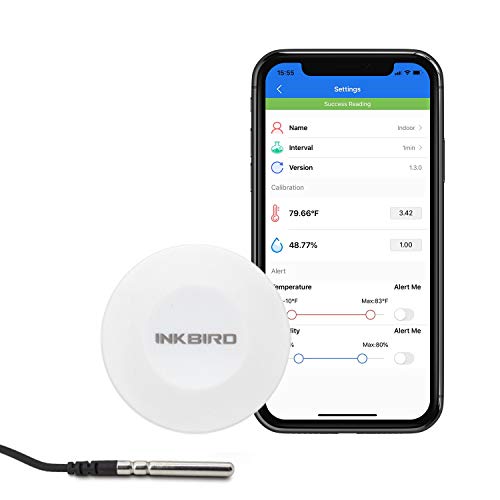
Inkbird IBS-TH2 Plus Digital Thermometer Hygrometer
Accurate dual probe thermometer and hygrometer with remote logging — removes all guesswork from monitoring
Check Price on AmazonZoo Med Reptile Tongs Stainless Steel Feeding Tongs
Long tongs keep hands away from the strike zone during feeding, reducing accidental feeding responses
Check Price on Amazon
Zoo Med ReptiSun 5.0 UVB T5 HO Fluorescent Lamp
Low-output UVB tube providing beneficial vitamin D3 synthesis for corn snakes per current best practices
Check Price on AmazonFrequently Asked Questions
Yes — corn snakes are widely considered the best beginner snake. They stay small, tolerate handling well, rarely bite, eat reliably, and thrive in simple setups. Community data consistently ranks them #1 for first-time snake keepers.
References & Sources
Related Articles

What Do Turtles Eat? A Complete Keeper's Guide
Wondering what turtles eat? Our complete guide covers the ideal diet for your pet turtle, from commercial foods and proteins to essential veggies and supplements.

Turtle vs Tortoise: 5 Key Differences Explained for Keepers
Confused about the turtle vs tortoise debate? Our expert guide breaks down their habitat, diet, shells, and anatomy to help you understand these amazing chelonians.

White-Lipped Python Care: The Complete Guide
White-lipped python care explained: rainbow iridescence, high-humidity tropical setup, feeding nippy juveniles, and everything that makes them unlike any other python. Start here.