
Monkey-Tailed Skink Care: Complete Owner's Guide
Monkey-tailed skink care explained: enclosure sizing, social grouping, strictly herbivorous diet, and handling tips for the Solomon Islands' most unique lizard. Start here.

✓Recommended Gear
In this guide, we cover everything you need to know and recommend 7 essential products. Check prices and availability below.
TL;DR: Monkey-tailed skinks (Corucia zebrata) are the world's largest skink species (up to 32 inches), entirely herbivorous, and unique in forming multi-generational family groups — they should ideally be kept in pairs or family groups rather than alone. They need a large arboreal enclosure of at least 4×2×4 feet, temperatures of 80–88°F (27–31°C) with a basking spot up to 95°F, and high humidity of 70–90%. Their diet consists of leafy greens, tropical fruits, and climbing plants — never animal protein, which causes fatal kidney damage.
You've done the research and landed here: the monkey-tailed skink (Corucia zebrata) is the largest skink species in the world, the only one that lives in multigenerational family groups in the wild, and the only skink that is entirely herbivorous. Most care sheets online get at least one of those three facts wrong — or ignore the implications entirely.
Here's what that means in practice: this is not a care-sheet lizard. Monkey-tailed skinks are slow-growing, long-lived (25+ years), expensive, and demand a larger enclosure than any other pet skink. They will defend their group territory with a genuinely painful bite. And they will thrive in captivity for decades if you get their environment right from day one.
This guide covers everything: enclosure design, social grouping strategy, a strictly herbivorous diet, UVB, and the handling reality that most sellers won't tell you.
What Makes Monkey-Tailed Skinks Unique
Monkey-tailed skinks are one of only a handful of reptile species that live in permanent, multigenerational family groups — called a circulus. In the wild on the Solomon Islands, a dominant pair bonds for life and raises offspring that stay with the family group for months or years. This is vanishingly rare in lizards.
They are also the only fully herbivorous skink species. Unlike blue-tongue skinks, which are omnivores that thrive on a mixed diet, monkey-tailed skinks in captivity should receive zero animal protein. Their gut microbiome is calibrated entirely for plant matter fermentation — animal protein does not process correctly and causes metabolic stress over time.
Adults reach 24-30 inches (60-76 cm) in total length, with the prehensile tail accounting for roughly half that. They are powerfully built, with broad heads, strong jaws, and a tail that can grip branches like a fifth limb with enough force to support their full body weight.
With correct husbandry, expect 20-25+ years in captivity. These are lifetime commitments.
Are Monkey-Tailed Skinks Good Pets?
They are highly rewarding — but only for experienced keepers willing to invest in proper enclosure sizing, a quality herbivorous diet, and the patience required to work with a defensive lizard. They are not beginner reptiles. Keepers with established experience with blue-tongue skinks or large monitor lizards will make the transition more successfully.
Pro Tip: Buy only captive-bred animals. Wild-caught monkey-tailed skinks carry heavy parasite loads, experience severe capture stress, and rarely settle in captivity. The Solomon Islands has export restrictions — any CB animal should come with full documentation. If a seller can't provide lineage records, walk away.
Enclosure Setup
The minimum enclosure for a single adult monkey-tailed skink is 4 feet L x 2 feet W x 4 feet H (120 x 60 x 120 cm). This is a firm floor, not a starting point to work up to — it's the minimum at which a single adult can thermoregulate, climb, and express natural behavior. Height matters more than floor space: these are obligate arboreal lizards that spend almost no time on the ground in the wild.
For a bonded pair or family group (the recommended keeping strategy), scale up significantly. A 6 x 2 x 5 ft (180 x 60 x 150 cm) enclosure is the practical minimum for a pair, and more space is always better.
Enclosure Type
Monkey-tailed skinks need:
- Front-opening doors for safe access — top-opening enclosures require reaching down from above, which triggers a defensive response
- Solid sides (PVC, wood, or glass) — full-screen enclosures lose too much humidity
- Screen or ventilation panels on top or upper sides for air exchange
- Locking doors — these are strong animals that can push open unsecured enclosures
Custom PVC or wood builds are the most practical at the required sizes. **[Zen Habitats 4x2x4 PVC Enclosure](https://www.amazon.com/dp/B0DJFXCBTK?tag=krawlo-20 or similar large-format PVC builds work well. Glass vivariums at this height are impractically heavy.
Branching and Climbing Structure
This is as important as the enclosure itself. Fill at least 60% of the vertical space with thick, horizontal branches — monkey-tailed skinks need branches wide enough to grip comfortably (2-4 inches diameter for adults). Use:
- Mopani wood or grapevine — safe, durable, aesthetically appropriate
- PVC pipe wrapped in cork bark for budget-friendly structural branches
- Live or artificial tropical foliage draped around branches for cover and security
A skink that feels exposed will be permanently stressed. Dense cover is non-negotiable.
Pro Tip: Secure all heavy branches with stainless steel bolts through the enclosure walls — never just rest them on the bottom. A 3-lb skink can dislodge an unstable branch and fall, causing serious injury.
Temperature Requirements
Monkey-tailed skinks are tropical arboreal lizards from the Solomon Islands. They need a moderate, stable temperature gradient — not the extreme desert heat required by species like collared lizards or uromastyx.
| Zone | Temperature |
|---|---|
| Basking spot (canopy level) | 88-92°F (31-33°C) |
| Ambient warm side | 80-85°F (27-29°C) |
| Ambient cool side | 75-80°F (24-27°C) |
| Nighttime | 68-75°F (20-24°C) |
The basking temperature is moderate compared to desert species — but it must be at canopy height, where the skink actually spends its time. A basking lamp positioned too low is wasted heat.
Heating Equipment
- **[Arcadia Halogen Flood Lamp 35-50W](https://www.amazon.com/dp/B0D4ZLFX9T?tag=krawlo-20 — positioned above the canopy-level basking branch
- **[Inkbird ITC-306A Thermostat](https://www.amazon.com/dp/B01486LZ50?tag=krawlo-20 — run basking lamp through a thermostat; set to 90°F surface target
- Ceramic heat emitter on a separate thermostat for nighttime ambient maintenance if your room drops below 68°F
- Temperature gun — verify surface temp at the actual basking branch, not the enclosure floor
Never use heat mats or under-tank heaters as primary heat sources for arboreal species — they don't benefit the basking zones where the animal lives.

Arcadia Halogen Flood Lamp 35W-50W
Provides a moderate 88-92°F basking spot at canopy height without the high-intensity heat that would overshoot the temperature range for this tropical species.

Inkbird ITC-306A Reptile Thermostat
Plug-in thermostat with probe keeps the basking lamp at a precise surface temperature — essential for preventing the enclosure from exceeding the 92°F upper safe limit for this tropical species.
Temperature Zones
Basking spot (canopy)
88–92°F
31–33°C
Warm side ambient
80–85°F
27–29°C
Cool side ambient
75–80°F
24–27°C
Nighttime
68–75°F
20–24°C
UVB Requirements
Monkey-tailed skinks are shade-dwellers in dense tropical rainforest canopy, but they do bask in dappled sunlight. The research consensus places them in Ferguson Zone 2, targeting UVI 1.0-3.0 at the basking branch.
This is lower than desert species but still requires a proper UVB tube — not a compact bulb. Many keepers historically kept monkey-tailed skinks without UVB, which is now understood to cause subclinical calcium metabolism issues over the long term, even in herbivores with high calcium plant intake.
Recommended UVB Setup
| Product | Mounting Distance (over mesh) |
|---|---|
| Arcadia Forest T5 HO 6% | 12-16 inches above basking branch |
| Zoo Med T5 HO ReptiSun 5.0 | 10-14 inches above basking branch |
Run UVB on the same 12-hour timer as the basking lamp. Replace bulbs every 12 months — UV output degrades invisibly before the bulb burns out.
Pro Tip: Mount the UVB tube along the full length of the enclosure at canopy height, not just over the basking spot. Monkey-tailed skinks move along branches throughout the day and benefit from UVB exposure across their entire active range.
UVB Setup (Ferguson Zone 2)
Arcadia Forest T5 HO 6%
12–16 inches
Above basking branch
Zoo Med ReptiSun 5.0 T5 HO
10–14 inches
Above basking branch
Target UVI
1.0–3.0
Shade-dweller in dappled light
Light cycle
12 hours/day
Same timer as basking lamp
Bulb lifespan
12 months
Replace annually for effectiveness
Humidity
Target 70-90% relative humidity throughout the enclosure. The Solomon Islands are tropical and humid year-round — this species evolved in rainforest conditions and suffers in dry air. Improper humidity is a leading cause of dysecdysis (difficult shedding) and respiratory issues in captive animals.
Maintaining Humidity
- Mist the enclosure 1-2x daily with a pressure sprayer or automated misting system
- Live plants (pothos, bromeliads, philodendron) dramatically improve passive humidity retention
- Solid sides on at least three walls — full-screen enclosures can't hold tropical humidity
- Deep substrate that retains moisture: 3-4 inches of coconut fiber or a bioactive tropical mix
A digital hygrometer at mid-canopy height (where the skink spends most time) is the correct measurement point. Floor-level humidity is less relevant.
Substrate
For the enclosure floor (even in a primarily arboreal setup):
- Coconut fiber (coco coir) — retains moisture well, easy to spot clean
- ABG mix (Aroid/Bioactive Garden mix) — best for planted bioactive setups
- Organic topsoil + sphagnum moss layer — cost-effective bioactive base
Avoid reptile carpet (bacteria trap), paper towels long-term (doesn't hold humidity), and any substrate with fertilizers or pesticides.
Diet and Feeding
Monkey-tailed skinks are the only pet skink species that must eat an exclusively herbivorous diet. This is not a preference — it's a hard biological requirement. Offering animal protein (insects, pinky mice, eggs) disrupts their gut flora and can cause long-term organ damage.
This is the biggest difference between monkey-tailed skinks and other popular skink species like blue-tongue skinks, which actively need animal protein in their diet.
Core Diet Components
Leafy greens (50-60% of diet):
- Collard greens, mustard greens, dandelion leaves and flowers
- Endive, escarole, arugula
- Turnip greens, bok choy
- Avoid: spinach, kale, cabbage, and brassicas fed in excess (oxalates and goitrogens)
Fruits (20-30% of diet):
- Papaya, mango, figs — all favorites, high in natural enzymes
- Berries (blueberries, raspberries), banana (limit — high sugar)
- Hibiscus flowers — eagerly eaten and nutritious
Additional variety (10-20%):
- Squash (butternut, acorn), zucchini
- Sweet potato (cooked or raw)
- Cactus pad (Opuntia) — high calcium, well accepted
- Edible flowers: rose petals, nasturtium, marigold
Feeding Schedule
| Age | Frequency | Portion |
|---|---|---|
| Juvenile (0-12 months) | Daily | Small plate — eat what they want in 30 min |
| Subadult (1-3 years) | Daily | Moderate — remove uneaten food after 1 hour |
| Adult (3+ years) | Every 1-2 days | Remove uneaten food after 1 hour |
Feed in the evening or late afternoon — monkey-tailed skinks are crepuscular to nocturnal feeders in the wild. Food offered during the heat of the day is often ignored.
Pro Tip: Vary the diet every feeding. A monkey-tailed skink fed the same salad every day will develop food aversions and nutritional gaps. Rotate 8-10 different staple plants and use fruit as rotation enrichment, not a daily staple.
Supplements
| Supplement | Frequency | Notes |
|---|---|---|
| Calcium without D3 | 3x per week | Use with proper UVB; pure calcium carbonate |
| Calcium with D3 | 1x per week | Insurance dose; don't overuse D3 |
| Multivitamin | 1-2x per week | Repashy Supervite or Arcadia EarthPro-A |
Calcium is especially important because the plant diet, while calcium-rich in many greens, also contains oxalates that bind calcium. Dust greens lightly — don't coat everything white on every feeding.
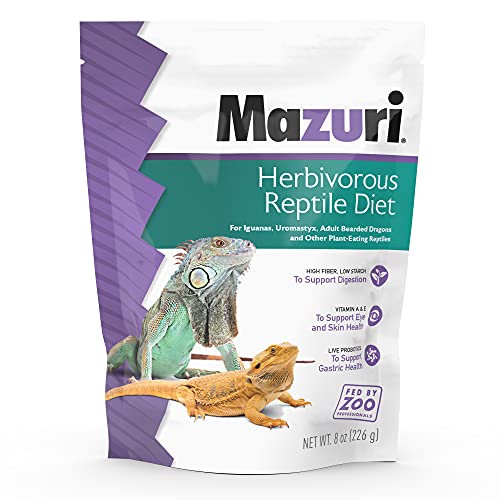
Repashy Superveggie Herbivore Diet
A complete gel-based herbivore diet that provides nutritional insurance alongside fresh foods — especially useful for juveniles and animals adjusting to captivity who need guaranteed balanced nutrition.
Repashy Supercal NoD Calcium Supplement
Pure calcium carbonate without D3 for keepers running proper UVB — the skink synthesizes its own D3 under the UVB lamp, so daily Ca+D3 supplementation risks D3 toxicity over time.
Social Structure and Grouping
This is the most unique — and most commonly misunderstood — aspect of monkey-tailed skink care. In the wild, they form stable circuli: a dominant breeding pair plus offspring from multiple seasons, all occupying the same tree territory together. This is a permanent social bond, not just tolerance.
In captivity, there are two practical approaches:
Option 1: Single Animal
A single monkey-tailed skink can be kept alone successfully. They don't show obvious stress behaviors from solitary keeping in the way some social mammals do. This is the lower-difficulty option and requires no territory management.
Option 2: Bonded Pair or Family Group
A true bonded pair (one male, one female, introduced as juveniles together) is the most natural and behaviorally enriching captive arrangement. Adults introduced to each other as strangers often fight — territorial biting is severe and can cause serious injury.
Key rules for group keeping:
- Never house two males together — they will fight
- Introduce juveniles together, not adults as strangers
- Enclosure must be large enough that both animals can reach optimal temperatures and feeding stations without competing
- Separate at the first sign of bullying — a submissive animal that can't bask or eat will decline rapidly
- Offspring can be left with parents for several months; most keepers separate at 6-12 months
Pro Tip: When establishing a pair, feed them simultaneously at opposite ends of the enclosure. Resource competition is the primary trigger for aggression. Two feeding stations, two basking branches at canopy height, and abundant cover reduce conflict dramatically.
Handling and Temperament
Monkey-tailed skinks have a well-deserved reputation for being defensive. Untamed adults will puff up, hiss, and bite without hesitation — and their bite is powerful enough to draw blood easily. This is not aggression for aggression's sake; it's a defensive response from an animal that evolved with no place to run in a tree canopy except to hold its ground.
With consistent, patient handling from a young age, captive-bred juveniles can become calm and curious. Adults that were not socialized as juveniles may never become handleable — and that's acceptable for a display animal kept in a quality enclosure.
Taming Protocol
- First 2-4 weeks: Hands off entirely. Let the animal settle, eat regularly, and associate you with food delivery.
- Week 4-6: Hand-feed directly, letting the skink smell and approach your hand.
- Week 6+: Introduce handling for 5-10 minute sessions. Never grab — scoop from below and support the full body. Never restrain a gripping tail.
- Long-term: Build trust through consistency. Respect a defensive posture and end sessions before the animal escalates.
Never pull a monkey-tailed skink from a branch it has gripped. Their prehensile tail grip is extremely strong and forcing detachment causes stress and potential tail injury. Wait for the animal to release voluntarily, or gently unwind the tail from the branch before moving.
Signs of Stress
- Continuous hissing or puffing when approached
- Dark body coloration during daylight
- Refusing food for more than 5-7 days (outside of a shed cycle)
- Hiding continuously and not emerging to bask
- Open-mouth gaping as a sustained threat display
Common Health Issues
Most monkey-tailed skink health problems trace back to husbandry failures, not inherent fragility. These are robust animals when their environment is correct.
Metabolic Bone Disease (MBD)
Cause: Calcium deficiency or inadequate UVB exposure — common in setups without UVB lighting or with poor diet variety. Signs: Soft jaw, kinked spine, difficulty climbing, pathological fractures. Prevention: UVI 1.0-3.0 at the basking branch + calcium supplementation 3x per week. Treatment: Requires a reptile vet — calcium supplementation, dietary correction, and husbandry review.
Respiratory Infections
Cause: Humidity too low (below 60%) combined with inadequate warmth — immune suppression sets in quickly. Signs: Wheezing, open-mouth breathing, mucus around nostrils, lethargy, reduced appetite. Prevention: Maintain 70-90% humidity and correct temperatures consistently. No cold spots.
Dysecdysis (Retained Shed)
Cause: Low humidity, insufficient rough surfaces for rubbing, dehydration. Signs: Dull patches post-shed, retained eye caps, constricted toe or tail tips. Prevention: Mist daily, include rough bark surfaces for rubbing, and ensure the skink always has access to fresh water. Treatment: Increase misting; a 20-minute lukewarm soak assists shed loosening. Retained eye caps need a reptile vet — do not attempt removal at home.
Intestinal Parasites
Even captive-bred animals can carry pinworms or flagellates. Schedule a fecal float test with a reptile vet within 30-60 days of acquisition. Parasite load in a properly kept CB animal is usually manageable; wild-caught animals typically require aggressive treatment.
Pro Tip: Find a reptile-knowledgeable vet before you need one. The Association of Reptilian and Amphibian Veterinarians (ARAV) maintains a searchable directory of qualified specialists. A general practice vet is not equipped to treat an arboreal skink with MBD.
Breeding
Monkey-tailed skinks are viviparous (live-bearing) — they give birth to 1-2 large, fully formed offspring after a gestation period of 6-8 months. This is another trait that distinguishes them from virtually all other skinks in the hobby, which are egg-layers.
Offspring are born large (5-7 inches / 12-18 cm) and fully independent, though they naturally remain with the family group in the wild. In captivity, neonates can remain with parents for the first few months before being moved to their own enclosure.
Breeding triggers: A slight seasonal temperature drop (3-5°F at night) and photoperiod reduction to 10 hours simulates the Solomon Islands' wet season and prompts breeding behavior. This is not strictly required — bonded pairs in stable conditions will often breed without deliberate cycling.
Recommended Gear

Zen Habitats 4x2x4 PVC Reptile Enclosure
The minimum-sized enclosure for a single adult monkey-tailed skink — solid PVC sides hold tropical humidity, front-opening doors prevent overhead-approach stress, and the 4-foot height accommodates true canopy-level branch structure.
Arcadia Forest T5 HO 6% UVB Lamp
Produces UVI 1.0-3.0 appropriate for shade-dwelling tropical arboreal species — the correct output for monkey-tailed skinks without the excessive intensity of desert bulbs.
Arcadia Halogen Flood Lamp 35W-50W
Provides a moderate 88-92°F basking spot at canopy height without the high-intensity heat that would overshoot the temperature range for this tropical species.
Inkbird ITC-306A Reptile Thermostat
Plug-in thermostat with probe keeps the basking lamp at a precise surface temperature — essential for preventing the enclosure from exceeding the 92°F upper safe limit for this tropical species.
Repashy Superveggie Herbivore Diet
A complete gel-based herbivore diet that provides nutritional insurance alongside fresh foods — especially useful for juveniles and animals adjusting to captivity who need guaranteed balanced nutrition.
Repashy Supercal NoD Calcium Supplement
Pure calcium carbonate without D3 for keepers running proper UVB — the skink synthesizes its own D3 under the UVB lamp, so daily Ca+D3 supplementation risks D3 toxicity over time.
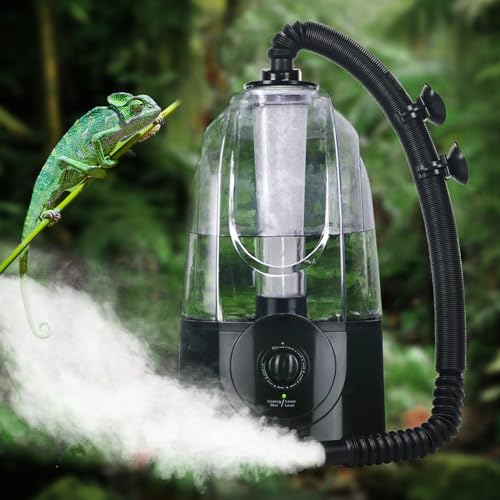
Exo Terra Misting System (Monsoon RS400)
Automated misting at set intervals maintains 70-90% humidity without daily manual effort — critical for a species that needs consistent tropical humidity and will suffer from intermittent dry periods.
Frequently Asked Questions
No — they are advanced-keeper reptiles. Large enclosure requirements, strict herbivorous diet, social grouping management, and defensive temperament make them unsuitable for first-time reptile owners. Experience with blue-tongue skinks or large lizards is the recommended baseline.
References & Sources
Related Articles

Emerald Tree Skink Care: Complete Owner's Guide
Emerald tree skink care explained: enclosure, UVB, communal housing, and why Lamprolepis smaragdina is the best tropical arboreal skink for hobbyists. Start here.

Blue Tongue Skink Care Guide: Habitat, Diet & Health
Complete blue tongue skink care guide covering habitat setup, diet, handling, and subspecies differences for beginner reptile keepers.

What Do Turtles Eat? A Complete Keeper's Guide
Wondering what turtles eat? Our complete guide covers the ideal diet for your pet turtle, from commercial foods and proteins to essential veggies and supplements.