Yellow-Bellied Slider Care: Complete Turtle Guide
Yellow-bellied slider care guide -- tank setup, basking, filtration, water temperature, feeding, and health for this popular aquatic turtle.


✓Recommended Gear
TL;DR: Yellow-bellied sliders (Trachemys scripta scripta) grow up to 12 inches and live 20–40+ years in captivity, requiring 75–100+ gallon tanks for adults — far more than the typical starter setup sold with hatchlings at pet stores. They need canister filters rated for 2–3× tank volume (turtles produce dramatically more waste than fish), a basking platform reaching 85–95°F, and UVB lighting running 10–12 hours daily. They are frequently released into the wild when owners realize the commitment — this is both illegal in many states and ecologically harmful.
The yellow-bellied slider (Trachemys scripta scripta) is one of the most common aquatic turtles in North America -- found from Virginia to Florida in the wild and commonly sold in pet stores. Often purchased as small hatchlings, many are released into the wild when owners underestimate their adult size (up to 12 inches) and space requirements.
With proper care, yellow-bellied sliders are hardy, interactive, and can live 20-40+ years. They deserve more than an inadequate tank.
Quick Facts: Yellow-Bellied Slider
| Feature | Detail |
|---|---|
| Scientific name | Trachemys scripta scripta |
| Adult size | 8-12 inches (females larger) |
| Lifespan | 20-40+ years in captivity |
| Activity | Diurnal |
| Temperament | Active, interactive, habituates to keepers |
| Beginner-friendly? | Yes -- but larger tank required than expected |
Species Overview
Scientific name
Trachemys scripta scripta
Adult size
8-12 inches
females larger
Lifespan
20-40+ years in captivity
Activity
Diurnal
Temperament
Active, interactive, habituates to keepers
Beginner-friendly?
Yes
larger tank required than expected
Tank Size
Sliders need much more space than pet stores suggest:
- Hatchlings: 40-gallon breeder to start (they grow fast)
- Adults: 75-100+ gallons; the "10 gallons per inch of shell" rule is a useful guide
[75-100 gallon aquarium](https://www.amazon.com/dp/B09WYXZ61D?tag=krawlo-20 or a stock tank for adults. Outdoor pond in suitable climates is ideal.
Filtration
Turtles produce significantly more waste than fish. You need substantial filtration:
- A [canister filter rated for 2-3x the tank volume](https://www.amazon.com/dp/B0CKR1PYWL?tag=krawlo-20 is the minimum
- Water changes of 25-30% weekly regardless of filter
- Test water parameters monthly (ammonia, nitrite, nitrate)
Poor water quality is the #1 cause of illness in aquatic turtles.
Basking Area
Sliders are ectotherms that need to fully emerge from the water to bask:
- Basking platform temperature: 90-95 degrees F
- [Floating turtle dock](https://www.amazon.com/dp/B0GH2JVGH5?tag=krawlo-20 or custom platform large enough for the turtle to fully emerge
- Basking lamp (75-100W) positioned over the basking area
UVB Lighting
UVB is essential for shell and bone health. A [T5 HO 5.0 or UVB 10.0 bulb](https://www.amazon.com/dp/B0DQ58TBTY?tag=krawlo-20 positioned over the basking area, on a 10-12 hour cycle. Replace every 6 months.
Water Temperature
- Water temperature: 74-78 degrees F
- Use an aquarium heater with thermometer to maintain this
- Water that is too cold prevents proper digestion and immune function
Feeding
Yellow-bellied sliders are omnivores that shift toward more herbivory as they age:
Juveniles (more carnivorous):
- Commercial turtle pellets (primary)
- Aquatic turtle feeder fish, bloodworms, crickets
Adults (more herbivorous):
- Leafy greens: romaine, red leaf lettuce, dandelion greens
- Aquatic plants: water hyacinth, duckweed
- Commercial turtle pellets
Frequency: Juveniles daily; adults every 2-3 days.
Supplementation: Reptile calcium supplement on feeders; [cuttlebone](https://www.amazon.com/dp/B0C46JVP8Q?tag=krawlo-20 left in water as a calcium source.
Juvenile vs. Adult Feeding
Side-by-side comparison
| Feature | Juveniles (more carnivorous) | Adults (more herbivorous) |
|---|---|---|
| Primary diet | Commercial turtle pellets | Leafy greens + aquatic plants |
| Protein sources | ★Feeder fish, bloodworms, crickets | Occasional live food, minimal |
| Feeding frequency | Daily | ★Every 2-3 days |
| Calcium supplementation | Powder on feeders | ★Powder + cuttlebone in water |
Our Take: Juveniles require frequent protein-rich meals; adults transition to mostly herbivory with less frequent feeding.
Handling
Sliders habituate to their keepers and recognize feeding time. They can be handled but often prefer being in water. Handle minimally and wash hands after (turtles can carry Salmonella).
For animal handling hygiene principles, see our reptile handling guide.
Common Health Issues
- Shell rot: From poor water quality or injury -- vet treatment
- Respiratory infection: From water or basking temps too low
- Vitamin A deficiency: Swollen eyelids -- from poor diet; address with leafy greens and supplements
- Metabolic bone disease: Soft shell from inadequate UVB or calcium
See our lizard owner mistakes guide for common aquatic turtle keeper errors.
Common Health Issues to Prevent
What you need to know
Shell rot from poor water quality or injury — requires vet treatment
Respiratory infection from inadequate water or basking temperatures
Vitamin A deficiency (swollen eyelids) — address with leafy greens and supplements
Metabolic bone disease (soft shell) from insufficient UVB light or calcium intake
Recommended Gear

75+ Gallon Aquarium Tank
Adult sliders need 75-100+ gallons -- never underestimate their adult size
Check Price on Amazon
Canister Filter for Turtle Tank
Rate for 2-3x tank volume -- turtles produce far more waste than fish
Check Price on Amazon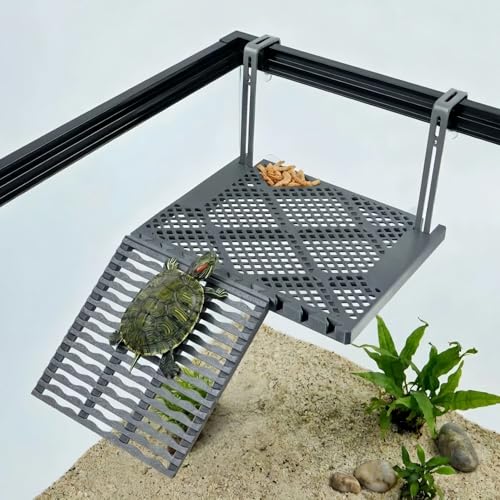
Turtle Basking Dock Platform
Sliders must fully emerge from water to bask -- adequate platform size is critical
Check Price on Amazon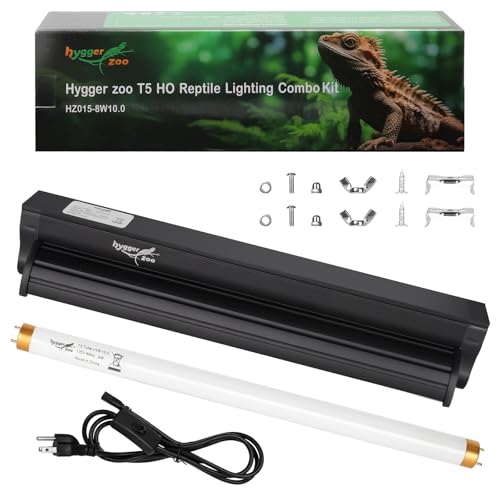
T5 HO UVB Lamp for Turtles
UVB is essential for shell health and bone metabolism
Check Price on AmazonAquatic Turtle Pellet Food
Commercial pellets form the nutritional backbone of an aquatic turtle diet
Check Price on AmazonFrequently Asked Questions
8-12 inches shell length as adults; females are larger than males.
References & Sources
Related Articles

Red Eared Slider Turtle Care: A Comprehensive Guide
Learn everything you need to know about caring for your red eared slider turtle, from housing to feeding and health.

Turtle Tank Setup Guide: Step-by-Step for Beginners
Complete turtle tank setup guide -- tank size, filtration, basking areas, UVB lighting, water temperature, and substrate for aquatic turtles.

Sulcata Tortoise Care: The Giant Comes With Responsibilities
Sulcata tortoise care guide -- the third largest tortoise in the world needs space, heat, and a lifetime commitment. Complete care guide inside.