
Uromastyx Lizard Care Guide: Essential Tips for Beginners
Discover everything you need to know about Uromastyx lizard care, from enclosure setup to diet and handling, in this comprehensive guide.

✓Recommended Gear
In this guide, we cover everything you need to know and recommend 5 essential products. Check prices and availability below.
TL;DR: Uromastyx lizards need a hot basking spot of 120–130°F, ambient temperatures of 85–95°F, and a cool side around 80°F, with full-spectrum UVB lighting for 12 hours a day. They are primarily herbivores, thriving on a diet of seeds, leafy greens, and vegetables with little to no water — they get moisture from food. A 4×2×2 ft enclosure is the minimum for one adult, with sand or excavator clay substrate to support their burrowing behavior.
Uromastyx (Uromastyx sp.)
The Uromastyx, also known as the spiny-tailed lizard, is a popular choice for reptile enthusiasts. These lizards are native to the arid regions of North Africa and the Middle East. They are known for their docile nature, unique appearance, and relatively simple care requirements. This guide will help you understand everything you need to know to keep a Uromastyx happy and healthy.
Uromastyx Shopping List
Before bringing your Uromastyx home, make sure you have all the necessary items. Here’s a list to help you get started:
- Enclosure: A large terrarium or vivarium, at least 48 inches long for an adult.
- Lighting: UVB and basking lights to mimic natural sunlight.
- Heating: Heat lamps or ceramic heat emitters to maintain proper temperatures.
- Substrate: A desert-friendly substrate like sand or reptile carpet.
- Décor: Hides, rocks, and branches to create a natural environment.
- Feeding Supplies: Bowls for food and shallow water, and a variety of vegetables and insects.
- Thermometer and Hygrometer: To monitor temperature and humidity levels.
- Supplements: Calcium and vitamin supplements for a balanced diet.
Uromastyx Setup Checklist
Everything you need to get started
Uromastyx Enclosure Size Requirements
Uromastyx lizards require a spacious enclosure to thrive. For an adult Uromastyx, a terrarium that is at least 48 inches long, 24 inches wide, and 18 inches tall is recommended. If you have a larger lizard, consider a bigger enclosure. This ensures they have enough room to move around, bask, and hide. It’s always better to start with a larger enclosure to avoid the need for upgrades later.
Lighting & UVB for Uromastyx
Proper lighting is crucial for the health of your Uromastyx. They need both UVB and basking lights to simulate natural sunlight and maintain their bodily functions. UVB lights should cover at least two-thirds of the enclosure and be replaced every six months. Basking lights should create a hot spot of around 120-140°F (49-60°C). Here’s a quick guide:
- UVB Light: Use a high-quality UVB bulb, like the Zoo Med ReptiSun 10.0 UVB Fluorescent Light.
- Basking Light: A 100-150 watt halogen bulb works well, like the [Zoo Med Basking Spot Lamp](https://www.amazon.com/dp/B07F449L8J?tag=krawlo-20
- Timer: Set your lights to a 12-hour on/off cycle to mimic natural daylight.
Uromastyx Temperature Requirements
Uromastyx lizards are desert dwellers and need a warm environment to stay healthy. Here’s the ideal temperature setup:
- Basking Spot: 120-140°F (49-60°C)
- Cool Side: 80-90°F (27-32°C)
- Nighttime Temperature: 70-75°F (21-24°C)
Use a thermometer to monitor these temperatures accurately. For nighttime heating, a ceramic heat emitter can be used without providing light, like the [Exo Terra Ceramic Heat Emitter](https://www.amazon.com/dp/B0002DIAXO?tag=krawlo-20
Temperature Zones
Basking Spot
120–140°F
49–60°C (hottest area)
Cool Side
80–90°F
27–32°C (thermoregulation zone)
Nighttime
70–75°F
21–24°C (use ceramic heat emitter)
Uromastyx Humidity Requirements
Uromastyx lizards thrive in low humidity environments. Aim for a humidity level of 20-40%. High humidity can lead to respiratory issues and other health problems. Use a hygrometer to monitor humidity levels, like the Zoo Med Digital Combo Thermometer and Hygrometer.
Substrate Options for Uromastyx
Choosing the right substrate is important to mimic their natural habitat and ensure a clean, safe environment. Here are some popular options:
- Sand: Reptile-safe sand like Zoo Med ReptiSand is a good choice.
- Reptile Carpet: Easy to clean and safe, like the Zoo Med Repti Carpet.
- Poured Clay: Provides a more natural look and is easy to maintain, like [Exo Terra Desert Floor](https://www.amazon.com/dp/B0017JG1IS?tag=krawlo-20
Avoid using substrates that can cause impaction, such as loose materials like wood chips or fine gravel.
Environmental Enrichment: Decorating the Terrarium
Creating a stimulating environment is key to your Uromastyx's well-being. Here are some essentials:
- Hides: Provide multiple hiding spots to make your lizard feel secure. Use natural-looking hides like Zoo Med Repti Shelter.
- Rocks and Branches: These offer basking spots and allow your lizard to climb. Ensure they are stable and free of sharp edges.
- Plants: Add some desert plants for a natural look. Use non-toxic plants like [Hens and Chicks](https://www.amazon.com/dp/B07L1G31YT?tag=krawlo-20
A well-decorated terrarium can significantly reduce stress and improve your Uromastyx’s quality of life.
Feeding Your Uromastyx
Uromastyx lizards are primarily herbivorous but may also eat insects. Here’s a balanced diet to keep them healthy:
- Vegetables: Dark leafy greens like collard greens, mustard greens, and dandelion greens are excellent choices.
- Fruits: Offer fruits sparingly as treats. Apples and melons can be good options.
- Insects: For protein, you can offer crickets, mealworms, and Dubia roaches. Make sure they are gut-loaded and dusted with calcium and vitamin supplements.
Feeding Schedule
| Age | Frequency | Diet Composition |
|---|---|---|
| Baby | Daily | 70% vegetables, 30% insects |
| Juvenile | Every other day | 60% vegetables, 40% insects |
| Adult | 2-3 times a week | 80% vegetables, 20% insects |
Handling Your Uromastyx
Uromastyx lizards are generally docile and can be handled, but it’s important to approach them gently and with respect. Here are some tips:
- Start Slow: Begin with short handling sessions and gradually increase the duration.
- Support Their Body: Always support their belly and legs when picking them up to avoid stress.
- Avoid Sudden Movements: Quick movements can startle your lizard and make them less trusting.
Consistent, gentle handling can help your Uromastyx become more comfortable with human interaction.
Gentle Handling Tips
What you need to know
Start with short handling sessions and gradually increase duration
Always support belly and legs to avoid stress
Avoid sudden movements to maintain trust
Consistent gentle handling improves comfort with humans
The Natural History of Uromastyx
Understanding the natural history of Uromastyx can help you provide a more suitable environment. These lizards are native to arid and semi-arid regions, where they spend most of their time basking in the sun and hiding in burrows. They are diurnal, meaning they are active during the day. In the wild, they feed on a variety of plants, seeds, and insects.
How to Care for Your Pet Uromastyx
Daily Care
- Check Temps and Humidity: Ensure the basking spot and overall enclosure temperature are within the recommended range.
- Feed: Provide the appropriate diet based on your lizard’s age and size.
- Clean: Remove any uneaten food and waste from the enclosure.
Weekly Care
- Deep Clean: Thoroughly clean and disinfect the enclosure to prevent bacteria buildup.
- Check Health: Look for signs of illness, such as lethargy, loss of appetite, or changes in poop.
Annual Care
- Vet Checkup: Schedule an annual checkup with a reptile veterinarian to ensure your Uromastyx is healthy.
Uromastyx Diet and Nutrition
A balanced diet is essential for the health of your Uromastyx. While they primarily eat plants, adding some insects can provide necessary protein. Here’s a detailed diet plan:
- Leafy Greens: Collard greens, mustard greens, dandelion greens, and turnip greens.
- Other Vegetables: Carrots, sweet potatoes, and bell peppers.
- Fruits: Apples, melons, and berries (sparingly).
- Insects: Crickets, mealworms, and Dubia roaches (dusted with calcium and vitamins).
Nutritional Supplements
- Calcium: Use a calcium supplement like [Rep-Cal Calcium Powder](https://www.amazon.com/dp/B09ZQ74495?tag=krawlo-20
- Vitamins: A vitamin supplement like [Herptivite](https://www.amazon.com/dp/B00BS96HRM?tag=krawlo-20 can be beneficial.
References
For more detailed information on Uromastyx care, check out our Uromastyx Care: Complete Guide for Beginners and Frilled Lizard Care: Complete Guide for Keepers.
Recommended Gear
Zoo Med ReptiSun 10.0 UVB Fluorescent Light
Provides essential UVB for your Uromastyx's health.
Check Price on Amazon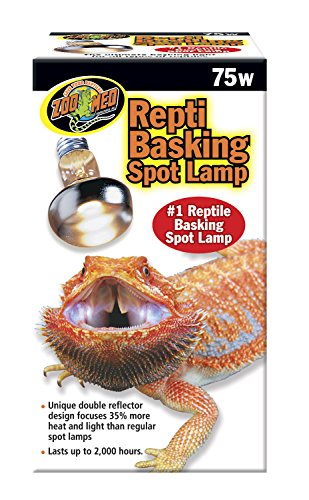
Zoo Med Basking Spot Lamp
Creates a crucial basking spot for your Uromastyx.
Check Price on AmazonZoo Med ReptiSand
Safe and natural-looking sand for your Uromastyx's terrarium.
Check Price on AmazonZoo Med Digital Combo Thermometer and Hygrometer
Essential for keeping track of temperature and humidity levels.
Check Price on Amazon
Rep-Cal Calcium Powder
Ensures your Uromastyx gets the necessary calcium for strong bones and overall health.
Check Price on AmazonFrequently Asked Questions
Yes, Uromastyx are generally good for beginners due to their hardiness and relatively simple care requirements. Just make sure to provide the right environment and diet.
References & Sources
Related Articles

Ackie Monitor Complete Care Guide for Beginners
Your complete ackie monitor care guide covers enclosure setup, diet, temperatures, UVB lighting, and handling — everything you need to keep your ackie thriving.

Red Tegu Care: Complete Guide for Salvator rufescens
Red tegu care for Salvator rufescens — the feistier Argentine cousin. Covers enclosure, temperature, diet, brumation, and how reds differ from B&W and blue tegus.

Blue Tegu Care: Complete Owner's Guide (2026 Update)
Blue tegu care covering genetics behind true blue coloration, how to spot genuine blues, enclosure setup, diet rotation, and brumation — for Salvator merianae owners.