
Expert Ball Python Tank Setup Guide
Learn the essential steps to creating the perfect ball python tank setup, ensuring your pet thrives in a safe and comfortable environment.

✓Recommended Gear
In this guide, we cover everything you need to know and recommend 5 essential products. Check prices and availability below.
TL;DR: Ball pythons need a 4×2×2 ft enclosure (PVC or ABS preferred over glass for humidity retention), an overhead heat source maintaining an 88–92°F warm side and 76–80°F cool side, and coco coir or cypress mulch substrate to hold 60–80% humidity. Provide two snug hides (one warm side, one cool), a water bowl large enough to soak in, and a secure locking lid — ball pythons escape readily through any gap. A thermostat on all heat sources is non-negotiable for safety.
Setting up the perfect tank for your ball python is a crucial step in ensuring your pet's health and happiness. Whether you're a new keeper or a seasoned enthusiast, this guide will walk you through the essential steps to create a safe, comfortable, and stimulating environment for your ball python. Let's dive in!
Step 1: Pick the Right Enclosure
Choosing the right enclosure is the foundation of your ball python's new home. The size and type of enclosure you select will impact your snake's behavior, stress levels, and overall well-being. Here’s what you need to know to make an informed decision.
Size Matters
A ball python enclosure should be large enough to allow your snake to stretch out fully and move around, but not so large that it feels exposed and insecure. For a baby ball python, a 10-gallon tank is sufficient. As your snake grows, you'll need to upgrade to a 20- or 40-gallon tank. A good rule of thumb is that the length of the tank should be at least 1.5 to 2 times the length of your snake.
Glass vs. Plastic
Both glass and plastic enclosures can work well for ball pythons, but they have different pros and Cons. Glass tanks are more aesthetically pleasing and provide better visibility, which is great for observing your snake. However, they can be heavy and less insulative, making temperature control a bit trickier. Plastic enclosures, on the other hand, are lightweight, easier to move, and maintain temperature and humidity more effectively. They also come with built-in vents, which can simplify setup.
Security is Key
Ball pythons are escape artists! Ensure your enclosure has a secure lid or door. For glass tanks, you can use a screen lid with a locking mechanism. Plastic enclosures often come with secure doors. Regularly check the fit and function of the locking mechanisms to prevent any accidental escapes.
Glass vs. Plastic: Which Enclosure Type?
Side-by-side comparison
| Feature | Glass Tanks | Plastic Enclosures |
|---|---|---|
| Aesthetics & Visibility | ★More visually appealing, better for observing | Less transparent, functional focus |
| Weight & Portability | Heavy, difficult to move | ★Lightweight, easy to transport |
| Temperature Control | Less insulative, harder to control | ★Maintains temperature effectively |
| Humidity Retention | Poor humidity retention | ★Excellent humidity control |
| Built-in Features | Requires separate locking screen lid | ★Often includes secure vents & doors |
Our Take: Plastic enclosures are superior for ball pythons due to better temperature/humidity control and built-in security features.
Step 2: Set Up Lighting and Heating
Proper lighting and heating are vital for your ball python's health. Incorrect temperatures can lead to a range of issues, from poor digestion to increased stress. Here's how to set up a temperature gradient in your enclosure.
Heat Sources
Ball pythons are ectothermic, meaning they rely on external heat sources to regulate their body temperature. A heat lamp or under-tank heater (UTH) can provide the necessary warmth. Heat lamps are more commonly used and offer a more natural light cycle. UTHs are less visible but can be less effective at creating a temperature gradient.
Temperature Gradient
Your enclosure should have a warm side and a cool side. The warm side should maintain a temperature of 88-96°F (31-35°C), while the cool side should be around 78-80°F (25-27°C). Use a digital thermometer with a probe to monitor temperatures accurately. You can also use a temperature gun to spot-check different areas of the enclosure.
Basking Spot
A basking spot is crucial for your ball python. Use a temperature-safe hide or a flat stone as a basking platform. Place it directly under the heat lamp to ensure it reaches the optimal temperature of 88-96°F (31-35°C). This will help your snake thermoregulate effectively.
Nighttime Temperatures
At night, temperatures can drop slightly to around 75-80°F (24-27°C) on both sides of the enclosure. This mimics the natural temperature changes in their native habitat. You can use a ceramic heat emitter if additional heat is needed at night without providing light.
Ball Python Temperature Requirements
Warm Side
88–96°F
31–35°C (basking spot temperature)
Cool Side
78–80°F
25–27°C for thermoregulation
Nighttime
75–80°F
24–27°C (mimics natural habitat)
Measurement Tool
Digital thermometer + probe
Temperature gun for spot-checks
Step 3: Quarantine Period
Quarantining your new ball python is essential to prevent the spread of diseases and parasites to your existing pet collection. Here’s how to do it effectively.
Quarantine Enclosure
Use a simple, sterile enclosure for quarantine. A plastic bin or a basic 10-gallon tank works well. The goal is to keep everything as clean and controlled as possible. Add a hide box, a water bowl, and a paper towel or newspaper substrate to keep things simple.
Duration
Quarantine your ball python for at least 60 days. During this time, monitor your snake for any signs of illness, such as respiratory issues, difficulty shedding, or lack of appetite. If you notice any problems, consult a reptile veterinarian immediately.
Testing and Treatments
Before introducing your new ball python to its permanent enclosure, have it tested for parasites and other health issues. If necessary, treat your snake for any problems. This ensures that your new pet is healthy and won't pose a risk to your other reptiles.
Step 4: Add Substrate
The substrate you choose will affect your ball python's humidity levels, comfort, and overall health. There are several options available, each with its own benefits and drawbacks.
Natural Substrates
Natural substrates like coconut fiber, sphagnum moss, and cypress mulch are excellent choices. They hold moisture well, which helps maintain humidity levels. Coconut fiber is a popular option because it's easy to clean and affordable. Best Ball Python Substrate: Top Picks Reviewed can provide more detailed information on substrate options.
Paper Towels and Newspaper
For simplicity and ease of cleaning, paper towels or newspaper are great options. They are especially useful during the quarantine period when you want to keep a close eye on your snake's health. These substrates are also less likely to cause respiratory issues.
Avoid Dangerous Substrates
Avoid substrates that can be harmful to your ball python, such as pine or cedar shavings. These can cause respiratory issues due to their aromatic oils. Sand and gravel are also not recommended as they can be difficult to clean and don't hold humidity well.
Ball Python Substrate Comparison
Side-by-side comparison
| Feature | Recommended Substrates | Avoid These |
|---|---|---|
| Primary Options | ★Coconut fiber, Sphagnum moss, Cypress mulch | Pine, Cedar shavings |
| Moisture Retention | ★Excellent (holds 60–80% humidity) | Poor to none |
| Respiratory Safety | ★Safe, aromatic-oil free | Contains toxic aromatic oils |
| Alternative (Budget) | ★Paper towels / newspaper | Sand, gravel |
Our Take: Use coconut fiber, sphagnum moss, or cypress mulch. Never use pine, cedar, sand, or gravel.
Step 5: Add Décor
Décor not only makes your ball python's enclosure look attractive but also provides important enrichment and hiding spots. Here’s what you should include.
Hiding Spots
Ball pythons are shy and need places to hide to feel secure. Place at least one hide on both the warm and cool sides of the enclosure. You can use commercial hides, small woven baskets, or even cardboard boxes. Just ensure they are large enough for your snake to fit comfortably.
Branches and Climbing Structures
While ball pythons are primarily terrestrial, they do enjoy climbing and exploring. Adding sturdy branches or climbing structures can provide mental stimulation and exercise. Ensure the branches are secure and won't collapse under your snake’s weight.
Plants and Décor
Live plants can enhance the natural look of your enclosure and help maintain humidity levels. However, they can also be costly and require maintenance. Artificial plants are a budget-friendly alternative and are easier to clean. Just be sure to avoid any with sharp edges or small parts that your snake could swallow.
Water Bowl
A water bowl is essential for your ball python. Choose a bowl that is large enough for your snake to soak in but not so large that it spills easily. Place it on the cool side of the enclosure to prevent it from heating up and creating hot spots.
Cleanliness is Vital
Regularly clean and disinfect all décor items to prevent the buildup of bacteria and parasites. A monthly deep clean is a good practice, but spot clean as needed to maintain a healthy environment.
Conclusion
Setting up the perfect ball python tank involves careful consideration of the enclosure, lighting, heating, substrate, and décor. By following these steps, you'll create a safe, comfortable, and stimulating environment for your pet. Remember, a happy ball python is a healthy ball python!
Reading Next
- Ball Python Humidity Guide: Get It Right Every Time
- Ball Python for Sale: Finding a Healthy Snake (Buyer's Guide)
- Spider Ball Python Morph Care Guide for Enthusiasts
We hope this guide helps you set up the best home for your ball python. If you have any questions or need further assistance, feel free to reach out to us. Happy reptile keeping!
Recommended Gear

Zoo Med Labs ReptiSun 5.0 UVB Bulb
This UVB bulb helps maintain a natural light cycle and supports your ball python's overall health.
Check Price on Amazon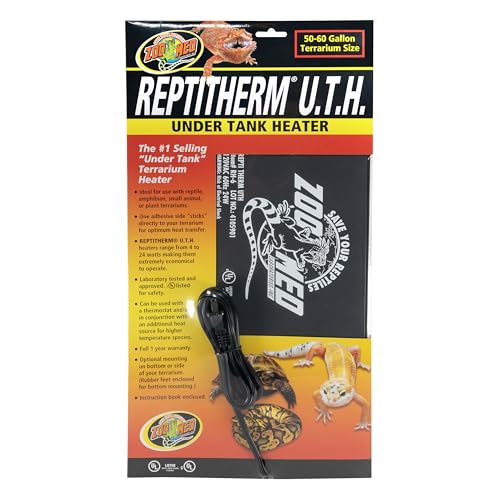
Zoo Med Repti Therm Under Tank Heater
This under-tank heater provides consistent heat and helps create a temperature gradient in your ball python's tank.
Check Price on Amazon
Exo Terra Coconut Husk Substrate
This substrate holds moisture well, helping maintain humidity levels, and is easy to clean and affordable.
Check Price on AmazonExo Terra Floating Reptile Dock
This floating dock provides a secure and safe basking spot for your ball python, enhancing its comfort and well-being.
Check Price on AmazonZoo Med Repti Shelter
This hide box provides a comfortable and secure hiding spot for your ball python, reducing stress and increasing comfort.
Check Price on AmazonFrequently Asked Questions
The best setup for a ball python includes a properly sized enclosure with a temperature gradient, appropriate substrate, hiding spots, and a clean water bowl.
References & Sources
Related Articles

Axolotl Tank Setup: Beginner’s Guide to a Healthy Home
Learn how to create the perfect axolotl tank setup with practical tips and expert advice to keep your amphibian friend healthy and happy.

Ball Python Heating Guide: CHE vs DHP vs Halogen Compared
CHE, DHP, halogen, or heat mats -- which actually works for ball pythons? This guide breaks down every heat source with real temperature targets and thermostat comparisons.

Ball Python Care Guide: Habitat, Diet & Health
Complete ball python care guide for beginners. Covers enclosure setup, overhead heating, frozen-thawed feeding, feeding refusal fixes, handling tips, and common health issues.