Spider Ball Python Morph Care Guide for Enthusiasts
Learn how to care for the spider ball python morph with this comprehensive guide. From humidity to handling, we've got you covered.


✓Recommended Gear
TL;DR: The spider ball python morph carries a co-dominant spider gene that creates a distinctive web-like pattern, but it is controversially linked to a neurological condition called 'wobble' — head tremors and balance issues — that affects all spider ball pythons to some degree, from mild to severe. Despite the ethical debate, spider morphs remain popular and often appear in combo morphs; prices range from $100–$300 for single-gene spiders to $800–$2,500+ for rare combos. Care is identical to standard ball pythons: 90–95°F basking spot, 80–85°F ambient, 60–80% humidity, and feeding every 7–14 days depending on age.
Introduction to the Spider Ball Python Morph
The spider ball python morph is a stunning and unique variation of the traditional ball python. Known for its intricate web-like patterns, this morph has become a favorite among reptile enthusiasts. Whether you're a beginner or an experienced keeper, this guide will help you understand the specific needs of your spider ball python.
Selecting Your Spider Ball Python
When you're ready to bring a spider ball python home, it's essential to choose a healthy and vibrant specimen. Look for snakes that are alert, active, and have clear eyes and a responsive demeanor. If you're unsure about where to find a healthy spider ball python, consider checking out our Ball Python for Sale: Finding a Healthy Snake (Buyer's Guide).
Housing Your Spider Ball Python
Enclosure Size
Your spider ball python will need a suitable enclosure to thrive. For a hatchling or juvenile, a 10-20 gallon tank is ideal. As your snake grows, you can upgrade to a 30-40 gallon tank for an adult. Remember, a larger snake needs more space to explore and exercise.
Substrate and Décor
Choose a substrate that is safe and easy to clean, such as aspen shavings or paper towels. Avoid substrates like cedar or pine, as they can be harmful to your snake. Adding hides and branches to the enclosure will make your spider ball python feel more secure and provide opportunities for climbing.
Housing Setup Essentials
Everything you need to get started
Lighting and Temperature Requirements
Lighting
Ball pythons, including the spider morph, are nocturnal and don't require UVB lighting. However, a regular light cycle can help regulate their natural behaviors. Use a simple light on a timer to mimic a 12-hour day and 12-hour night cycle.
Temperature
Maintain a temperature gradient in the enclosure to allow your spider ball python to regulate its body temperature. The warm side should be around 88-92°F (31-33°C), and the cool side should be 78-80°F (25-27°C). A basking spot of 90-95°F (32-35°C) is also recommended.
Temperature & Lighting Quick Reference
Warm Side
88–92°F (31–33°C)
Allows thermoregulation
Cool Side
78–80°F (25–27°C)
Escape zone from heat
Basking Spot
90–95°F (32–35°C)
Optimal digestion zone
UVB Lighting
Not required
Ball pythons are nocturnal
Light Cycle
12 hours on / 12 hours off
Mimics natural day-night rhythm
Humidity and Water
Humidity
(Estimates only — actual prices on Amazon may vary.)
Humidity is crucial for the health of your spider ball python. Aim for a humidity level between 50-60%. Higher humidity is beneficial during shedding to prevent shedding issues. If you need more detailed information on maintaining the right humidity levels, check out our Ball Python Humidity Levels: Complete Care Guide.
Water
Always provide a clean, fresh water source for your spider ball python. The water dish should be large enough for the snake to soak in, which helps with hydration and shedding. Change the water regularly to prevent bacteria buildup.
Feeding Your Spider Ball Python
Diet
Ball pythons, including the spider morph, are primarily carnivores. They thrive on a diet of mice or rats. Feeding frequency depends on the age and size of your snake. A good rule of thumb is to feed:
- Hatchlings: Every 5-7 days
- Juveniles: Every 7-10 days
- Adults: Every 10-14 days
Feeding Techniques
If your spider ball python is a picky eater, try using a feeding box or offering prey at night. Some spider morphs may have reduced appetites due to their unique genetic traits, but patience and consistent feeding can help.
Feeding Schedule by Age
Hatchling Feeding
Every 5–7 days
Prey: newborn mice or pinky rats
Juvenile Feeding
Every 7–10 days
Prey: small to medium mice or rats
Adult Feeding
Every 10–14 days
Prey: adult mice or appropriately sized rats
Picky Eaters
Use feeding box or night feeding
Some spider morphs may have reduced appetites
Handling and Interaction
Handling Tips
Spider ball pythons can be more sensitive than other morphs, so handle them gently and gradually. Start with short handling sessions and increase the duration as your snake gets more comfortable. Always support your snake's entire body to prevent stress.
Socialization
While ball pythons are generally solitary, regular handling can help them become more relaxed and less skittish. This is especially important for spider morphs, which may be more prone to stress due to their genetic makeup.
Health and Illness
Common Health Issues
Like all ball pythons, spider morphs can be susceptible to certain health issues. Common problems include respiratory infections, mouth rot, and shedding issues. Regular check-ups and maintaining proper husbandry can help prevent these issues.
Signs of Illness
Keep an eye out for signs of illness such as lethargy, loss of appetite, difficulty shedding, and labored breathing. If you notice any of these symptoms, consult a reptile veterinarian immediately.
Health Monitoring Essentials
What you need to know
Watch for lethargy, loss of appetite, or difficulty shedding — early signs of health problems
Labored breathing may indicate respiratory infection — consult a reptile vet immediately
Spider morphs may be more stress-prone due to genetic makeup; handle gently and support full body
Regular check-ups and proper humidity/temperature maintenance prevent most common health issues
Mouth rot and incomplete sheds often signal husbandry problems — review enclosure conditions
Shedding and Skin Care
Shedding Process
Shedding is a natural process for all snakes, including the spider ball python. A healthy snake should shed in one complete piece. If your snake is having problems shedding, increase the humidity levels or provide a soaking dish.
Shedding Issues
If your spider ball python has incomplete sheds, this can indicate issues with humidity or overall health. Ensure the enclosure has the right humidity and consider adding a humid hide box to aid in shedding.
Breeding Spider Ball Pythons
Breeding Basics
Breeding spider ball pythons requires careful planning and attention to detail. Ensure both snakes are healthy and have reached sexual maturity before attempting to breed. A drop in temperature and a period of fasting for the female can help encourage breeding.
Genetic Considerations
The spider morph is a piebald trait, which means it can be passed on to offspring. However, breeding spider morphs can also result in the Wobbles, a neurological disorder. It's crucial to work with reputable breeders and monitor the health of your snakes closely.
Conclusion
Caring for a spider ball python morph is a rewarding experience, but it requires attention to detail and a commitment to providing the best possible environment. By following this guide, you'll be well-equipped to ensure your spider ball python thrives. Happy keeping!
Video Guide
Watch our video guide for a visual walkthrough of spider ball python morph care: [Insert Video Link Here].
Additional Resources
For more in-depth care guides and tips, explore our other articles:
- Banana Ball Python Care: The Complete Keeper's Guide
- What Do Ball Pythons Eat? Complete Feeding Guide
- Ball Python Activity: Understanding Your Snake's Behavior
Product Recommendations
To help you provide the best care for your spider ball python, consider these essential products:
Thermostat
Context: Temperature control Why: A reliable thermostat ensures your enclosure stays at the optimal temperature, crucial for your spider ball python's health. Amazon Link: Zoo Med Comfort Thermostat
Hygrometer
Context: Humidity monitoring Why: A hygrometer helps you accurately track humidity levels, preventing issues like respiratory infections and incomplete shedding. Amazon Link: [Zoo Med Digital Hygrometer](https://www.amazon.com/dp/B06XY3X7P9?tag=krawlo-20
Hides
Context: Shelter and security Why: Hides provide a safe space for your spider ball python, reducing stress and promoting a sense of security. Amazon Link: Zoo Med Reptile Cave
Water Dish
Context: Hydration and soaking Why: A large water dish allows your spider ball python to stay hydrated and aids in the shedding process. Amazon Link: Exo Terra Snake Water Dish
Feeding Tongs
Context: Safe feeding Why: Using feeding tongs can help prevent accidentally getting bitten while feeding your spider ball python. Amazon Link: Zoo Med Herp极大的口腔镊子
Recommended Gear
Zoo Med Comfort Thermostat
A reliable thermostat ensures your enclosure stays at the optimal temperature, crucial for your spider ball python's health.
Check Price on Amazon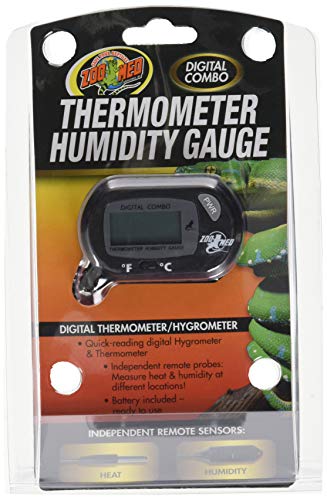
Zoo Med Digital Hygrometer
A hygrometer helps you accurately track humidity levels, preventing issues like respiratory infections and incomplete shedding.
Check Price on AmazonZoo Med Reptile Cave
Hides provide a safe space for your spider ball python, reducing stress and promoting a sense of security.
Check Price on AmazonExo Terra Snake Water Dish
A large water dish allows your spider ball python to stay hydrated and aids in the shedding process.
Check Price on AmazonZoo Med Herp Feeding Tongs
Using feeding tongs can help prevent accidentally getting bitten while feeding your spider ball python.
Check Price on AmazonFrequently Asked Questions
The spider morph gives ball pythons a unique pattern that resembles a web. It also sometimes results in reduced appetites and can be associated with neurological issues, known as the Wobbles.
References & Sources
- https://reptifiles.com/wp-content/uploads/2020/11/Ball-Python-Care-Sheet-PDF-1.pdf
- https://www.thebiodude.com/blogs/snake-caresheets/ball-python-care-guide?srsltid=AfmBOorm8IpJhUnaiLzsI7A80oAboykEIBxbRSbThJTLHx3lmaOljNV3
- https://www.petmd.com/reptile/ball-python-care-sheet
- https://reptifiles.com/ball-python-care-guide/ball-python-terrarium-size-lighting/
- https://reptifiles.com/ball-python-care-guide/ball-python-humidity-temperatures/
- https://reptifiles.com/ball-python-care-guide/ball-python-diseases-health/ball-python-shedding/
Related Articles

Ball Python Lifespan: How Long Do They Live?
*Affiliate disclosure: we earn a small commission on qualifying purchases.* Ball pythons live 20–30 years in captivity — here's exactly what determines how long yours will live.

Jumping Spider as a Pet: Care Guide for Phidippus regius & Other Jumpers
Jumping spiders are the internet's favorite exotic pet — tiny, curious, and surprisingly personable. Here's everything you need to know about keeping Phidippus regius and other jumping spiders as pets.

African Fat Tail Gecko Care: The Complete Guide
Master african fat tail gecko care with this complete guide covering housing, humidity, heating, diet, and the beginner mistakes that send geckos to the vet.