Ball Python Lifespan: How Long Do They Live?
*Affiliate disclosure: we earn a small commission on qualifying purchases.* Ball pythons live 20–30 years in captivity — here's exactly what determines how long yours will live.


✓Recommended Gear
TL;DR: Ball pythons live 20–30 years in captivity with proper care, making them one of the longest-lived commonly kept pet snakes — the record is over 47 years. Key factors affecting lifespan include proper temperatures (88–92°F warm side, 76–80°F ambient), humidity (60–80%), a stress-free environment with hides, and a diet of appropriately-sized frozen-thawed prey every 10–14 days. Avoid wild-caught animals, as they carry higher parasite loads and stress that significantly reduces their lifespan.
Ball pythons are one of the longest-lived snakes in captivity — and most new owners are not prepared for that commitment. A healthy ball python will live 20–30 years under good care, with documented cases far exceeding that range. The record-holding specimen, a male named "Popeye" housed at the Philadelphia Zoo, lived to at least 62 years and 59 days before passing in 1977 — a lifespan that surpasses most dogs, cats, and even some humans.
The difference between a 10-year ball python and a 30-year one almost always traces back to decisions made in the first three years of ownership. This guide covers every factor that determines how long your ball python will live — and the five husbandry mistakes that shorten that number most.
Ball Python Lifespan at a Glance
| Setting | Typical Lifespan |
|---|---|
| Wild (West Africa) | 10–15 years |
| Captivity (average care) | 15–20 years |
| Captivity (excellent care) | 20–30 years |
| Verified record | 62+ years (Philadelphia Zoo, 1977) |
Wild ball pythons face constant predation, drought, and disease — captivity removes nearly all of those stressors, which is why captive lifespans are dramatically longer. Every year of suboptimal care in captivity chips away at what should otherwise be a 25-year life.
Pro Tip: When you buy a ball python hatchling, you are committing to a pet that may outlive your current address, your car, and possibly your relationship status. Plan housing, vet access, and a contingency caretaker before purchasing.
Ball Python Life Stage Timeline
Understanding where your snake is in its life changes what care looks like — needs shift significantly from hatchling to senior.
| Life Stage | Age Range | Weight Range | Key Care Focus |
|---|---|---|---|
| Hatchling | 0–6 months | 60–120g | Frequent small meals, low stress, hide security |
| Juvenile | 6–18 months | 120–600g | Rapid growth, meal size increases, handling conditioning |
| Sub-adult | 18 months–3 years | 600–1,200g | Transition to adult prey size; females growing faster |
| Adult | 3–7 years | 1,200–2,500g (female) / 800–1,500g (male) | Maintenance feeding; annual vet checks |
| Mature adult | 7–15 years | Stable weight | Monitor weight trends monthly |
| Senior | 15+ years | Often slight weight decline | Watch for reduced appetite, muscle tone, RI signs |
Females grow significantly larger than males and take longer to reach full adult size — this is normal, not a health concern. Males typically cap at 3–4 feet; females commonly reach 4–5 feet.
The 62-Year Record — What It Tells Us
Popeye the ball python at the Philadelphia Zoo is not just a trivia fact — he is a proof of concept. His longevity resulted from stable, low-stress conditions: consistent temperature, appropriate prey, and minimal disturbance. The lesson is that ball pythons given truly excellent conditions vastly exceed the "average" figures cited online.
Most of the "ball pythons live 10–15 years" figures come from historical pet-keeping data when enclosure standards were far lower. With modern thermostat technology, bioactive substrates, and better nutritional understanding, 25–30 years is now the realistic target for an attentive keeper.
Ball Python Life Stages
Hatchling
0–6 months
60–120g; frequent small meals, low stress
Juvenile
6–18 months
120–600g; rapid growth, handling conditioning
Sub-adult
18 months–3 years
600–1,200g; transition to adult prey size
Adult
3–7 years
1,200–2,500g; maintenance feeding, annual vet checks
Senior
15+ years
Watch for reduced appetite, muscle tone decline
What Determines How Long a Ball Python Lives?
1. Temperature and Thermal Gradient
Temperature is the single most controllable lifespan factor. Ball pythons are ectotherms — their metabolism, immune function, and digestion all depend on correct ambient temperature. Chronically incorrect temperatures suppress immunity and accelerate aging.
| Zone | Target Range | Why It Matters |
|---|---|---|
| Warm side surface | 88–92°F (31–33°C) | Digestion and immune function |
| Ambient air | 78–80°F (25–27°C) | Background body temperature |
| Cool side | 75–80°F (24–27°C) | Thermoregulation choice |
| Nighttime drop | 72–75°F (22–24°C) acceptable | Natural cycle; no lower |
The most common temperature mistake is a cold enclosure — not an overheated one. Ball pythons kept below 75°F ambient develop chronic respiratory infections, sluggish digestion (which causes regurgitation), and suppressed immunity. A cheap under-tank heater without a thermostat causes the opposite problem: burns and overheating.
Always run heat sources through a thermostat. A proportional thermostat (like an Inkbird or Herpstat) costs $30–$60 and pays for itself in vet bills avoided.
Pro Tip: Verify temperatures with a handheld infrared temperature gun, not the adhesive thermometers that come with starter kits. Adhesive thermometers read ambient air, not surface temperature — they routinely underreport warm-side surface temps by 10–15°F.
2. Humidity
Ball pythons need 60–80% humidity, with spikes to 80–90% during shed cycles. Low humidity is the leading cause of dysecdysis (incomplete shed), which leads to retained eye caps, toe constriction, and secondary infections that accumulate over years.
| Humidity Level | Effect on Health |
|---|---|
| Below 50% | Chronic dehydration, poor shed, skin stress |
| 60–80% | Ideal — healthy skin, clean sheds |
| 80–90% during shed | Facilitates complete shed |
| Consistently above 90% | Respiratory infection risk, scale rot |
The most reliable way to hit 60–80%: cover 80% of the screen lid with aluminum foil or a foam tile, use a substrate that holds moisture (coconut fiber, cypress mulch), and add a large humid hide on the warm side filled with damp sphagnum moss.
For a detailed humidity management system, see our ball python humidity guide.
3. Feeding Frequency and Prey Size
Obesity is one of the most underrecognized lifespan killers in captive ball pythons. Overfeeding causes fatty liver disease, cardiovascular stress, and reproductive complications in females — all of which directly shorten life.
Correct feeding schedule by life stage:
| Age | Prey Size | Frequency |
|---|---|---|
| Hatchling (0–6 months) | Pinky/fuzzy mice or rat pup | Every 5–7 days |
| Juvenile (6–18 months) | Prey = 10–15% of body weight | Every 7 days |
| Sub-adult (18 months–3 years) | Prey = 10–15% of body weight | Every 7–10 days |
| Adult female (3+ years) | 1 medium-large rat | Every 10–14 days |
| Adult male (3+ years) | 1 small-medium rat | Every 14 days |
| Senior (15+ years) | Reduce prey size if weight stable | Every 14–21 days |
Prey size rule: The prey should create a small visible lump in the snake after eating — no larger. If the lump is dramatic, the prey is too large.
Pro Tip: Weigh your ball python every 4–6 weeks and log it. A healthy adult should maintain weight within a 5–10% range. Consistent weight gain beyond that indicates overfeeding; consistent loss warrants a vet visit.
4. Enclosure Size and Enrichment
A common myth is that ball pythons prefer small, cramped enclosures. This originated from the observation that wild ball pythons occupy tight burrows — but those burrows are chosen from a large range. In captivity, a chronically undersized enclosure creates low-grade chronic stress, which suppresses immunity over months and years.
Minimum enclosure sizes:
| Snake Size | Minimum Enclosure |
|---|---|
| Hatchling / Juvenile | 20-gallon (24"×12"×12") |
| Sub-adult | 40-gallon (36"×18"×18") |
| Adult female | 4'×2'×2' (48"×24"×24") |
| Adult male | 3'×2'×2' (36"×24"×24") |
Beyond size, enrichment matters: two hides (warm side + cool side), a water dish large enough to soak in, and hides sized to fit snugly (touching the sides). A snake that cannot hide fully is a stressed snake.
5. Veterinary Care
Ball pythons that receive annual wellness exams live measurably longer than those seen only in emergencies. Find a reptile-experienced vet within the first month of ownership — do not wait for a health crisis.
Annual exam catches:
- Internal parasites (common in wild-caught imports, which still enter the hobby)
- Respiratory infections at an early, treatable stage
- Stomatitis (mouth rot) before it becomes systemic
- Obesity and organ stress that owners do not notice
- Reproductive complications in breeding females
Wild-caught vs. captive-bred lifespan difference: Wild-caught ball pythons arrive with parasites, import stress, and often subclinical respiratory infections. Captive-bred animals start their lives parasite-free and low-stress. Always choose captive-bred. See our ball python species profile for how to identify reputable breeders.

The 5 Husbandry Mistakes That Shorten Ball Python Lifespan
Mistake 1: No Thermostat Running a heat mat or ceramic heat emitter without a thermostat allows temperatures to fluctuate wildly — cold nights suppress digestion; overheated surfaces cause thermal burns. Burns on a snake's underside become infected and can become septic. Fix: Every heat source gets a thermostat, no exceptions. Inkbird ITC-308 or Herpstat 1 are both reliable at $30–$80.
Mistake 2: Feeding in a Separate "Feeding Tub" This practice triggers a feeding response every time the snake is moved to the tub — the snake begins to associate handling with feeding, which causes feeding strikes during routine handling and chronic stress. It also adds zero benefit (ball pythons do not commonly associate feeding location with prey). Fix: Feed in the enclosure. Use tongs to present prey. Clean the enclosure after feeding.
Mistake 3: Tap Water Without Dechlorination Chlorine and chloramines in municipal tap water irritate the mucous membranes of ball pythons when they soak or drink. Over years, this contributes to subclinical respiratory and oral irritation. Fix: Use a cheap reptile water conditioner or let tap water sit 24 hours to off-gas chlorine. Filtered or spring water is even better.
Mistake 4: Handling During Shed Ball pythons entering shed have compromised eyesight from the pre-shed fluid layer ("blue phase"). Handling during this period triggers defensive strikes and chronic stress. Repeated shed-time handling creates a snake that becomes defensive year-round. Fix: Identify pre-shed (opaque eyes, dull skin), stop handling, increase humidity, and resume handling 3–4 days after the shed is complete and clear.
Mistake 5: Ignoring Refusals Ball pythons are notorious fasters — adults can refuse food for 3–6 months without medical cause, especially in fall and winter. The mistake is force-feeding or repeated, increasingly stressful feeding attempts. Force-feeding a healthy fasting snake causes regurgitation, esophageal damage, and severe stress. Fix: Offer food once every 14 days during a fast. Weigh monthly. If weight loss exceeds 10% over 60 days, consult a vet. Otherwise, wait it out.
Pro Tip: Keep a simple care log: feeding dates, prey size, weight, and shed dates. This takes under 2 minutes per entry and becomes invaluable when discussing your snake's health with a vet. Patterns in the data reveal health trends long before visible symptoms appear.

Male vs. Female Ball Python Lifespan
Females generally live longer than males when not used heavily for breeding — the opposite of most reptile species. Female ball pythons grow larger and have slower metabolisms in adulthood, which correlates with longevity. Males reach sexual maturity faster and are often bred more intensively, which accelerates aging.
| Sex | Typical Captive Lifespan | Notes |
|---|---|---|
| Male | 20–25 years | Faster early maturity; lighter breeding load |
| Female (non-breeding) | 25–30 years | Larger frame; slower metabolism |
| Female (breeding) | 15–20 years | Egg production is metabolically costly |
For breeding females, limit clutches to 1–2 per year and allow full recovery between seasons. A female locked into 3+ clutches per year will decline noticeably after age 8–10.
Signs Your Ball Python Is Aging Well
A healthy ball python at any age shows:
- Stable weight: No significant gain or loss over 4–6 week intervals
- Consistent sheds: Complete, single-piece sheds with no retained skin
- Clear eyes and mouth: No mucus, no bubbling, no gaping
- Smooth skin: No retained shed, no mites, no unusual lumps
- Active feeding response: Strikes or accepts prey reliably within 30 minutes of presentation
- Responsive to handling: Does not immediately ball up for more than a few minutes
Senior ball pythons (15+ years) may naturally reduce feeding frequency and activity. This is normal — reduce prey size slightly and monitor weight carefully. Consult a vet if appetite drops to near zero for more than 8 weeks.
Pro Tip: Mites are a major stealth threat to long-term ball python health. Check for tiny black or red specks around the water dish and in the folds near the eyes and vent after every feeding. A mite infestation that goes untreated for months causes chronic anemia and immune suppression. Treat with Provent-a-Mite or a reptile-safe spray at the first sign.
Products That Directly Affect Ball Python Lifespan
These items address the most common causes of shortened lifespan:
Our top pick for temperature control: **[Inkbird ITC-308 Thermostat](https://www.amazon.com/dp/B01HXM5UAC?tag=krawlo-20 — Controls any heat source to within ±1°F. Prevents the thermal burns and chronic temperature stress that shorten lifespan. Non-negotiable for every ball python setup.
Infrared Temperature Gun — Measures actual surface temperatures in one second. Reveals the warm hide temperature that adhesive thermometers consistently misread. Essential for verifying your thermal gradient is correct.
**[Govee Bluetooth Hygrometer Thermometer](https://www.amazon.com/dp/B0872X4H4J?tag=krawlo-20 — Remote humidity and temperature monitoring with phone alerts. Catches dangerous humidity drops before they trigger respiratory issues or bad sheds.
Repti-Zoo 4x2x2 PVC Enclosure — The gold-standard adult ball python enclosure size. PVC retains heat and humidity more efficiently than glass, reducing husbandry effort and keeping conditions stable.
**[Coconut Fiber Substrate 10-Brick Pack](https://www.amazon.com/dp/B001F9COL8?tag=krawlo-20 — Holds humidity in the 60–80% range reliably when mixed with orchid bark. Supports complete sheds and reduces dysecdysis — one of the most common chronic health stressors.
Digital Gram Scale 0.1g Precision — Monthly weight tracking is the most reliable early-warning system for health decline. Catches obesity, fasting trends, and illness long before visual symptoms appear.
Zoo Med Repti Safe Water Conditioner — Instantly neutralizes chlorine and chloramines in tap water. Protects oral and respiratory mucous membranes from chronic low-grade irritation over the snake's multi-decade life.
For complete enclosure specs and feeding schedules, see our ball python care guide and the ball python species profile.

Inkbird ITC-308 Thermostat
Prevents thermal burns and chronic temperature stress — the most controllable lifespan factor in ball python keeping
Check Price on AmazonInfrared Temperature Gun
Measures actual surface temperatures — adhesive thermometers routinely misread warm-side temps by 10–15°F, leading to chronic cold stress
Check Price on Amazon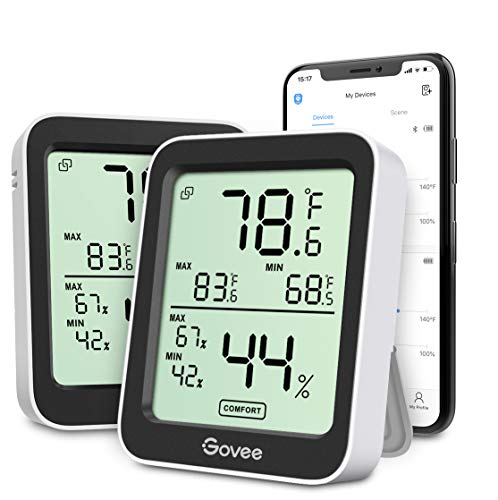
Govee Bluetooth Hygrometer Thermometer
Remote humidity monitoring with alerts prevents respiratory infections and incomplete sheds that accumulate damage over years
Check Price on AmazonReptiZoo 4x2x2 Ball Python Enclosure
Correct adult enclosure size eliminates chronic confinement stress — a leading silent cause of shortened lifespan in undersized setups
Check Price on Amazon
Coconut Fiber Substrate 10-Brick Pack
Maintains 60–80% humidity reliably, preventing the incomplete sheds and chronic dehydration that accumulate into long-term health damage
Check Price on AmazonDigital Gram Scale 0.1g Precision
Monthly weight tracking is the earliest health signal available — catches obesity, fasting trends, and illness before visual symptoms appear
Check Price on AmazonZoo Med Repti Safe Water Conditioner
Neutralizes chlorine and chloramines in tap water — prevents chronic low-grade irritation to oral and respiratory mucous membranes over the snake's multi-decade life
Check Price on AmazonHow to Maximize Your Ball Python's Lifespan
The highest-impact actions, ranked by effect on longevity:
- Thermostat every heat source — prevents burns, prevents cold stress, prevents immune suppression
- Maintain 60–80% humidity year-round — prevents respiratory infections and ensures complete sheds
- Do not overfeed — obesity causes fatty liver disease; use the 10–15% body weight prey rule
- Track weight monthly — the earliest detectable signal of a health problem
- Annual reptile vet checkup — catches internal parasites, early RI, stomatitis before they escalate
- Buy captive-bred only — starts life parasite-free and low-stress
- Provide a correctly sized adult enclosure by year 3 — eliminates chronic confinement stress
With all seven habits in place, a 25-year ball python is not exceptional — it is the expected outcome.
Ready to build the ideal long-term setup? We recommend starting with our ball python care guide covers every enclosure spec, feeding schedule, and health checklist in one place. For species background and where to find a healthy captive-bred animal, visit the ball python species profile.
Recommended Gear
Inkbird ITC-308 Thermostat
Prevents thermal burns and chronic temperature stress — the most controllable lifespan factor in ball python keeping
Check Price on AmazonInfrared Temperature Gun
Measures actual surface temperatures — adhesive thermometers routinely misread warm-side temps by 10–15°F, leading to chronic cold stress
Check Price on AmazonGovee Bluetooth Hygrometer Thermometer
Remote humidity monitoring with alerts prevents respiratory infections and incomplete sheds that accumulate damage over years
Check Price on AmazonReptiZoo 4x2x2 Ball Python Enclosure
Correct adult enclosure size eliminates chronic confinement stress — a leading silent cause of shortened lifespan in undersized setups
Check Price on AmazonCoconut Fiber Substrate 10-Brick Pack
Maintains 60–80% humidity reliably, preventing the incomplete sheds and chronic dehydration that accumulate into long-term health damage
Check Price on AmazonDigital Gram Scale 0.1g Precision
Monthly weight tracking is the earliest health signal available — catches obesity, fasting trends, and illness before visual symptoms appear
Check Price on AmazonZoo Med Repti Safe Water Conditioner
Neutralizes chlorine and chloramines in tap water — prevents chronic low-grade irritation to oral and respiratory mucous membranes over the snake's multi-decade life
Check Price on AmazonFrequently Asked Questions
Ball pythons typically live 20–30 years in captivity with good care. The verified record is 62 years and 59 days (Philadelphia Zoo, 1977). Average care produces 15–20 year lifespans; excellent husbandry routinely reaches 25–30 years.
References & Sources
- https://reptifiles.com/ball-python-care-guide/
- https://www.petmd.com/reptile/ball-python-care-sheet
- https://www.thesprucepets.com/ball-pythons-1237182
- https://community.morphmarket.com/t/ball-python-care-guide/39828
- https://www.thebiodude.com/blogs/snake-caresheets/ball-python-care-guide?srsltid=AfmBOoq6KevYEoGl7phclKlny_qdc6cEq77p_JSyv26owvemk9aM8ukB
Related Articles

Spider Ball Python Morph Care Guide for Enthusiasts
Learn how to care for the spider ball python morph with this comprehensive guide. From humidity to handling, we've got you covered.

Crested Gecko Lifespan: How Long Do They Live?
*Affiliate disclosure: we earn a small commission on qualifying purchases.* Crested geckos live 15–20 years in captivity—here's what actually determines how long yours lives.

Blue Tongue Skink Lifespan: How Long Do They Live?
*Affiliate disclosure: we earn a small commission on qualifying purchases.* Blue tongue skinks live 15–20 years in captivity — with well-kept northerns regularly hitting 25+. Here's what decides yours.