Crested Gecko Lifespan: How Long Do They Live?
*Affiliate disclosure: we earn a small commission on qualifying purchases.* Crested geckos live 15–20 years in captivity—here's what actually determines how long yours lives.


✓Recommended Gear
TL;DR: Crested geckos live 15–20 years in captivity with excellent care, but average care produces 10–15 year lifespans — the species was rediscovered only in 1994, so upper lifespan limits are still being established. Heat stress above 85°F (29°C) is the leading preventable cause of death, followed by metabolic bone disease from dietary calcium deficiency and internal parasites like Cryptosporidium. Diet is the single biggest longevity factor: a complete meal replacement powder (MRP) like Pangea or Repashy as the daily staple consistently outperforms fruit-only or insect-only diets.
Crested geckos are a long-term commitment — far longer than most new owners expect. A well-cared-for crested gecko lives 15–20 years in captivity, with documented cases reaching 20+ years. In the wild, lifespan is considerably shorter due to predation and environmental stress.
The gap between a 6-year crestie and a 20-year one almost always comes down to husbandry decisions made in the first two years. This guide breaks down exactly what drives crested gecko longevity and what shortens it.
Crested Gecko Lifespan at a Glance
| Setting | Typical Lifespan |
|---|---|
| Wild (New Caledonia) | 4–10 years |
| Captivity (average care) | 10–15 years |
| Captivity (excellent care) | 15–20+ years |
Crested geckos were believed extinct until rediscovered in 1994. Because captive keeping is relatively young, the full upper limit of their lifespan is still being established — many breeders now report animals in their late teens and early 20s.
Pro Tip: Buying a juvenile under 5g means you're committing to potentially 18–20 years of care. Plan your housing and husbandry accordingly before purchasing.
Lifespan by Environment
Wild (New Caledonia)
4–10 years
Shorter due to predation and environmental stress
Captivity (average care)
10–15 years
Most owners without specialized husbandry
Captivity (excellent care)
15–20+ years
Documented cases reaching 20+ years
What Determines How Long a Crested Gecko Lives?
1. Diet Quality
Diet is the single biggest longevity factor. Crested geckos fed a complete meal replacement powder (MRP) as their primary diet consistently outlive those fed only fruit-based baby food or insects alone.
What a complete diet looks like:
- MRP (Pangea, Repashy, or Leapin' Leachie) as the daily staple
- Live insects (dubia roaches, crickets) 1–2x per week for enrichment and protein variation
- All insects dusted with calcium + D3 supplement
What shortens life through diet:
- Baby food as a sole diet — deficient in calcium, protein, and vitamins
- Overfeeding insects without supplementation — leads to metabolic bone disease
- Vitamin A deficiency — causes eye issues and immune suppression
Pro Tip: Rotate between at least two MRP brands (e.g., Pangea and Repashy) to cover any potential nutritional gaps between formulations. Variety matters even within the MRP category.
2. Temperature
Crested geckos are crepuscular and prefer cooler temperatures than most reptiles. Their optimal range is 72–78°F (22–26°C). Sustained temperatures above 85°F (29°C) cause severe heat stress and can be lethal within hours.
| Temperature | Effect |
|---|---|
| 65–70°F (18–21°C) | Acceptable short-term; slowed metabolism |
| 72–78°F (22–26°C) | Ideal — promotes health and longevity |
| 80–84°F (27–29°C) | Stress zone — short exposure only |
| 85°F+ (29°C+) | Dangerous — can be fatal within hours |
Summer overheating is the #1 cause of preventable death in crested geckos. If your home exceeds 80°F regularly, you need active cooling (small AC unit, fan, or basement placement).
3. Humidity
Target 60–80% humidity with a daily cycle — mist heavily in the evening (80–100%), let it drop to 50–60% by morning. This mimics the natural humidity cycle in New Caledonia's rainforests.
Chronic low humidity causes:
- Failed sheds (dysecdysis) leading to constricted toes and infection
- Dehydration — masked by the species' tolerance for dryness
- Respiratory irritation over time
Chronic high humidity (always above 90%) causes:
- Bacterial skin infections and scale rot
- Respiratory infections
- Shortened lifespan through chronic immune stress
Pro Tip: A digital hygrometer with min/max memory (like the Govee bluetooth hygrometer) lets you verify the humidity cycle without watching it in real time. Set alerts for below 50% or above 95%.
4. Enclosure Size and Enrichment
A minimum 18×18×24-inch vertical enclosure is required for one adult. Cramped conditions cause chronic stress, which suppresses the immune system and shortens lifespan.
Crested geckos are arboreal — they need vertical space and climbing opportunities:
- Cork bark tubes and rounds
- Horizontal and diagonal branches at multiple heights
- Dense live or artificial plant coverage for security
- At least one ground-level hide
A bioactive enclosure with live plants and isopods/springtails handles waste naturally and maintains stable humidity — both of which correlate with improved long-term health.
5. Stress Levels
Crested geckos are stress-sensitive. Chronic stress from over-handling, cohabitation conflicts, improper temperatures, or housing near loud noise/vibration activates sustained cortisol responses that degrade health over time.
Keep stress low by:
- Limiting handling to 10–15 minutes per session, 3–4x per week maximum
- Never housing two males together
- Housing females together only with adequate space and multiple feeding stations
- Placing the enclosure in a low-traffic, quiet area
6. Veterinary Care
Crested geckos that receive annual wellness exams live measurably longer than those seen only in emergencies. Find a reptile-experienced vet before you need one.
Common issues caught early by vets:
- Internal parasites (common in wild-caught animals)
- Cryptosporidiosis (crypto) — a fatal GI parasite with no cure, but early isolation prevents spread
- Egg binding (dystocia) in breeding females
- Metabolic bone disease from silent dietary deficiencies
6 Factors That Determine Lifespan
What you need to know
**Diet quality** — Complete meal replacement powder (MRP) as daily staple consistently outlives fruit-only or insect-only diets
**Temperature control** — Optimal 72–78°F (22–26°C); sustained temps above 85°F can be lethal within hours
**Humidity cycling** — Target 60–80% with daily misting cycle; prevents dysecdysis and respiratory issues
**Enclosure size** — Minimum 18×18×24-inch vertical with climbing enrichment; cramped conditions cause chronic stress
**Low stress environment** — Limit handling, avoid cohabitation conflicts, place in quiet area away from vibration
**Annual veterinary care** — Early detection of parasites, crypto, and metabolic bone disease measurably extends lifespan
Common Causes of Early Death in Crested Geckos
| Cause | Signs | Prevention |
|---|---|---|
| Heat stress / overheating | Lethargy, open-mouth breathing, death | Monitor temps; cool the room |
| Metabolic bone disease (MBD) | Soft jaw, tremors, curved spine | Complete diet + Ca/D3 supplements |
| Crypto infection | Chronic weight loss, wasting | Buy captive-bred; quarantine new animals |
| Dehydration | Sunken eyes, skin tent, lethargy | Mist daily; check that gecko is drinking |
| Dystocia (egg binding) | Females stop eating, swollen abdomen | Lay box always available; vet if straining |
| Toxic substrate | Neurological signs, sudden death | Avoid cedar, pine, and chemical-treated soils |
Pro Tip: New crested geckos should always be quarantined for 30–60 days in a separate enclosure before being introduced near existing animals. Crypto in particular has no visible symptoms until significant damage is done.
Preventable Causes of Early Death
Heat stress / overheating
#1 preventable cause
Lethargy, open-mouth breathing; monitor temps and cool room
Metabolic bone disease (MBD)
Dietary calcium deficiency
Soft jaw, tremors; use complete diet + Ca/D3 supplements
Cryptosporidiosis (crypto)
Fatal GI parasite, no cure
Buy captive-bred; quarantine new animals 30–60 days
Dehydration
Often masked by gecko tolerance
Sunken eyes, skin tent; mist daily and verify drinking
Male vs. Female Lifespan
Females generally have shorter lifespans than males when bred, due to the physiological cost of producing eggs. A breeding female that lays 6–10 clutches per year for a decade is under substantially more metabolic stress than a male.
- Males: 15–20+ years with good care
- Females (non-breeding): 15–20 years
- Females (actively breeding): 10–15 years if not given regular rest periods
If you keep a female with a male, provide breeding rest periods — separate them for 3–4 months per year. Even without a male present, females can cycle and lay infertile eggs, which is still metabolically costly.
Lifespan by Sex and Breeding Status
Side-by-side comparison
| Feature | Males | Females |
|---|---|---|
| Non-breeding lifespan | 15–20+ years | 15–20 years |
| With breeding | ★N/A | 10–15 years (metabolically costly) |
| Breeding longevity factor | ★No physiological cost | Reduced 4–5 years if actively breeding |
Our Take: Females have equal lifespan to males when non-breeding; give breeding females 3–4 month rest periods annually to extend life.
Juvenile vs. Adult Care — What Changes Over Time
| Life Stage | Age | Key Care Focus |
|---|---|---|
| Hatchling | 0–3 months | Warmth, low stress, frequent small meals |
| Juvenile | 3–12 months | Growth nutrition, MRP twice daily |
| Sub-adult | 12–18 months | Transition to adult schedule |
| Adult | 18+ months | Maintenance diet, annual vet check |
| Senior | 10+ years | Watch for weight loss, joint issues, reduced activity |
Senior crested geckos (10+ years) may need diet adjustments — some stop eating insects efficiently and do better on MRP only. Monitor weight monthly using a kitchen scale.
Signs Your Crested Gecko Is Thriving
A healthy crested gecko at any age shows:
- Consistent weight: Adults 35–55g; weigh monthly and track trends
- Strong grip: All four feet grip firmly; no splayed or curled toes
- Clear eyes: No cloudiness or retained shed over eye caps
- Active appetite: Eats consistently, finishes food within 24–48 hours
- Good muscle tone: No visible hip bones or spine prominence
- Alert behavior: Responsive during active hours (dusk and dawn)
Pro Tip: Keep a simple weight log in your phone. A crested gecko losing more than 5% of body weight over 2–3 weeks without an obvious cause (pre-shed, breeding season) warrants a vet visit.
Products That Support Long-Term Health
These are the core items that directly affect lifespan:
Our top pick for daily nutrition: **[Pangea Fruit Mix Complete Crested Gecko Diet](https://www.amazon.com/dp/B00L3JQ9YI?tag=krawlo-20 — the most widely used and nutritionally complete MRP on the market, trusted by breeders with 15+ year animals.
Repashy Crested Gecko MRP — Rotate with Pangea to ensure nutritional coverage. Both brands are used by long-term breeders with 15+ year animals.
**[Govee Bluetooth Hygrometer Thermometer](https://www.amazon.com/dp/B0872X4H4J?tag=krawlo-20 — Monitor temperature and humidity remotely with alerts. Essential for catching dangerous temperature spikes before they cause harm.
**[Exo Terra Glass Terrarium 18x18x24](https://www.amazon.com/dp/B083NTQ66K?tag=krawlo-20 — The standard minimum enclosure for one adult crested gecko. Vertical format supports climbing; front-opening doors reduce stress during maintenance.
**[Zoo Med Repti Calcium with D3](https://www.amazon.com/dp/B000UJSUO4?tag=krawlo-20 — Dust feeder insects before every feeding. Calcium deficiency is a leading cause of metabolic bone disease and early death.
Pangea Breeding and Laying Box — Required for breeding females. Without an adequate lay box, females retain eggs and develop dystocia, which is life-threatening.
Digital Kitchen Scale 0.1g Precision — Monthly weight tracking is the most reliable early-warning system for health decline in crested geckos.
For full enclosure setup details, see our crested gecko care guide and the crested gecko species profile.

Pangea Fruit Mix Complete Crested Gecko Diet
The most nutritionally complete MRP on the market — daily feeding with this as the staple diet is correlated with longest captive lifespans
Check Price on AmazonRepashy Crested Gecko MRP
Rotate with Pangea to diversify nutritional coverage — both brands are trusted by long-term breeders with 15+ year animals
Check Price on Amazon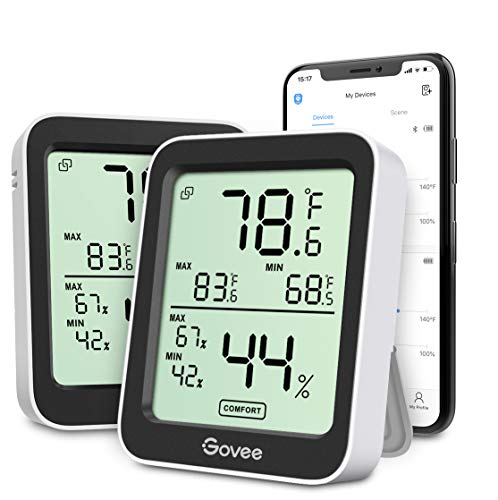
Govee Bluetooth Hygrometer Thermometer
Remote monitoring with alerts prevents dangerous temperature spikes — catching a heat event before the gecko reaches critical stress saves lives
Check Price on Amazon
Exo Terra Glass Terrarium 18x18x24
Standard minimum enclosure for one adult crested gecko — vertical format and front-opening doors reduce stress during maintenance
Check Price on Amazon
Zoo Med Repti Calcium with D3
Prevents metabolic bone disease — one of the top causes of early death in crested geckos; dust all feeder insects before every feeding
Check Price on AmazonReptile Laying Box
Required for any female crested gecko — without an adequate lay box, females retain eggs and develop fatal dystocia
Check Price on AmazonDigital Kitchen Scale 0.1g Precision
Monthly weight tracking is the single most reliable early-warning system for health decline — catches problems before they become emergencies
Check Price on AmazonHow to Maximize Your Crested Gecko's Lifespan
The highest-impact actions, ranked:
- Feed a complete MRP daily — don't rely on baby food or insects alone
- Keep temperatures below 80°F year-round — address summer heat proactively
- Mist on a cycle — 80% evening humidity, 50–60% daytime dry-down
- Track weight monthly — catch health decline before it becomes critical
- Get an annual vet check — reptile vets catch issues owners miss
- Give breeding females rest periods — 3–4 months separated from males per year
- Buy captive-bred only — wild-caught animals carry parasites and hidden stress
With all seven habits in place, a 20-year crested gecko is a realistic outcome — not the exception.
Ready to build the ideal setup? Check out our full crested gecko care guide for enclosure specs, feeding schedules, and humidity management — everything you need to give your gecko the longest, healthiest life possible.

Recommended Gear
Pangea Fruit Mix Complete Crested Gecko Diet
The most nutritionally complete MRP on the market — daily feeding with this as the staple diet is correlated with longest captive lifespans
Check Price on AmazonRepashy Crested Gecko MRP
Rotate with Pangea to diversify nutritional coverage — both brands are trusted by long-term breeders with 15+ year animals
Check Price on AmazonGovee Bluetooth Hygrometer Thermometer
Remote monitoring with alerts prevents dangerous temperature spikes — catching a heat event before the gecko reaches critical stress saves lives
Check Price on AmazonExo Terra Glass Terrarium 18x18x24
Standard minimum enclosure for one adult crested gecko — vertical format and front-opening doors reduce stress during maintenance
Check Price on AmazonZoo Med Repti Calcium with D3
Prevents metabolic bone disease — one of the top causes of early death in crested geckos; dust all feeder insects before every feeding
Check Price on AmazonReptile Laying Box
Required for any female crested gecko — without an adequate lay box, females retain eggs and develop fatal dystocia
Check Price on AmazonDigital Kitchen Scale 0.1g Precision
Monthly weight tracking is the single most reliable early-warning system for health decline — catches problems before they become emergencies
Check Price on AmazonFrequently Asked Questions
With good care, crested geckos typically live 15–20 years in captivity, with some individuals documented past 20 years. Average care produces 10–15 year lifespans. The biggest longevity factors are diet quality, temperature control, and annual veterinary checkups.
References & Sources
- https://reptifiles.com/crested-gecko-care/
- https://www.petmd.com/reptile/crested-gecko-care-sheet
- https://www.thesprucepets.com/care-of-crested-geckos-1238764
- https://community.morphmarket.com/t/crested-gecko-care-guide/39836
- https://www.zenhabitats.com/blogs/reptile-care-sheets-resources/crested-gecko-care-sheet-reptifiles?srsltid=AfmBOoqN54tLSyyPDuko_2W4it99iJSW3_wnupMH4ztjgKg1ZRgmcXTV
Related Articles

Blue Tongue Skink Lifespan: How Long Do They Live?
*Affiliate disclosure: we earn a small commission on qualifying purchases.* Blue tongue skinks live 15–20 years in captivity — with well-kept northerns regularly hitting 25+. Here's what decides yours.

Ball Python Lifespan: How Long Do They Live?
*Affiliate disclosure: we earn a small commission on qualifying purchases.* Ball pythons live 20–30 years in captivity — here's exactly what determines how long yours will live.

How Long Do Pet Reptiles Live? A Species-by-Species Lifespan Guide
Pet reptiles live far longer than most people expect. Learn lifespan by species, what affects longevity, and the real lifetime commitment before you buy.