
Reptile Humidity Control Guide: Keep Levels Right
Master reptile humidity control with this complete guide. Learn ideal levels by species, how to raise or lower humidity, and the best tools for the job.

✓Recommended Gear
In this guide, we cover everything you need to know and recommend 5 essential products. Check prices and availability below.
TL;DR: Incorrect humidity is one of the most common causes of reptile health problems, leading to stuck sheds, respiratory infections (too high), and chronic dehydration (too low) depending on the species' requirements. Desert species like leopard geckos need 30–40% ambient humidity, while tropical species like crested geckos need 60–80%, and rainforest species can require up to 90%. The most reliable humidity control methods are choosing the right substrate (coconut fiber retains moisture; tile and paper towel dry out quickly), correct ventilation design, and a digital hygrometer placed at animal level.
Why Reptile Humidity Control Matters
Humidity isn't just a comfort setting for your reptile. It directly affects their health, shedding, and even their ability to breathe. Get it wrong, and you'll see stuck sheds, respiratory infections, and chronic dehydration. Get it right, and your reptile thrives.
Every reptile species has evolved for a specific humidity range. Tropical species like ball pythons need 60–80% humidity. Desert dwellers like uromastyx lizards do best at 20–35%. Understanding your species' needs is the first step in proper reptile humidity control.
You'll also find that humidity and temperature work together. Warmer air holds more moisture. That's why your enclosure's temperature setup directly influences your humidity readings.
The bottom line: Match your enclosure humidity to your species' natural habitat, and you'll avoid most common health problems.
Understanding Humidity Levels by Species
Different reptiles need very different conditions. Using the wrong humidity level is one of the most common keeper mistakes. Here's a quick reference table to help you dial in the right range.
| Species | Ideal Humidity Range | Notes |
|---|---|---|
| Ball Python | 60–80% | Higher during shed (up to 90%) |
| Corn Snake | 40–60% | Avoid over-misting |
| Blue Tongue Skink | 40–60% | Moderate, consistent levels |
| Crested Gecko | 60–80% | Mist once or twice daily |
| Gargoyle Gecko | 50–70% | Allow drying between misting |
| Bearded Dragon | 30–40% | Low humidity, dry setup |
| Uromastyx | 20–35% | Very dry, desert conditions |
| Green Tree Python | 70–90% | High humidity required |
| Leopard Gecko | 30–40% | Keep it dry with a moist hide |
| Red-Eyed Tree Frog | 80–100% | Tropical, very humid |
If you keep a ball python, aim for the higher end of the range. These snakes are native to sub-Saharan Africa, where humidity can be intense. Corn snakes, on the other hand, are more forgiving — but you still need to monitor levels.
The bottom line: Use a species-specific humidity target, not a one-size-fits-all approach.
Species Humidity Requirements at a Glance
Desert Species (Leopard Gecko, Uromastyx)
20–40%
Arid/Semi-Arid (Bearded Dragon)
30–40%
Temperate (Corn Snake, Blue Tongue Skink)
40–60%
Tropical (Ball Python, Crested Gecko)
60–80%
Rainforest (Green Tree Python, Red-Eyed Tree Frog)
70–100%
How to Measure Humidity Accurately
You can't control what you can't measure. A reliable hygrometer is your most important humidity tool. Cheap dial hygrometers are often inaccurate by 10–20%. That's enough to cause real problems.
Digital hygrometers with dual probes are the gold standard. Place one probe on the warm side and one on the cool side. You'll often find significant differences between the two ends of the enclosure. That's normal — and useful information.
Calibrate your hygrometer every few months. Use the salt test method: place the probe in a sealed container with a saturated salt solution for 8–12 hours. It should read 75% in that environment. If it doesn't, offset your readings accordingly.
The bottom line: Invest in a quality digital hygrometer and calibrate it regularly — accurate data is the foundation of good humidity control.
How to Measure & Calibrate Humidity Correctly
What you need to know
Invest in a digital hygrometer with dual probes—cheap dial gauges are inaccurate by 10–20%
Place one probe on warm side, one on cool side to detect humidity gradients across the enclosure
Calibrate every few months: seal probe in saturated salt solution for 8–12 hours (should read 75%)
Position hygrometer at animal level—humidity varies significantly by height
Methods to Increase Humidity in Your Enclosure
If your enclosure reads too dry, you have several effective options to raise humidity. Each method works differently, and many keepers combine two or three for best results.
Manual misting is the simplest option. Use a spray bottle to mist the walls and substrate of the enclosure. Do this once or twice a day depending on your species' needs. Avoid soaking the substrate completely — standing water breeds bacteria.
Automatic misters and foggers take the guesswork out of daily misting. These devices run on a timer and deliver consistent moisture. Foggers use ultrasonic vibration to create a fine mist. Misters spray larger water droplets. For most tropical reptiles, a programmable mister works better than a fogger since it delivers actual water droplets.
Absorbent substrates hold moisture longer than paper towels or reptile carpet. Coconut fiber, cypress mulch, and sphagnum moss are top choices. These substrates release humidity slowly into the air. They also allow for burrowing, which is a natural behavior for many species.
A large water bowl on the warm side is a passive humidity booster. Warm water evaporates into the air, raising ambient humidity. Make sure the bowl is easy to clean — bacteria and algae grow fast in warm, stagnant water.
Live plants add natural moisture through transpiration. They also look great and provide enrichment. Pothos, bromeliads, and ficus are popular reptile-safe options. Research each plant before adding it to ensure it's non-toxic to your species.
The bottom line: Combine substrate choice, misting schedule, and water bowl placement for consistent humidity levels without manual guesswork.
Methods to Decrease Humidity in Your Enclosure
High humidity is just as dangerous as low humidity. Persistently wet conditions lead to scale rot, respiratory infections, and bacterial growth. If your enclosure reads too high, it's time to dry things out.
Increase ventilation first. More airflow pulls moisture out of the enclosure. If you're using a glass tank with a tight-fitting lid, swap to a mesh screen top. Some keepers use a small fan pointed near (not at) the enclosure to improve air circulation.
Reduce misting frequency or eliminate it temporarily. If you've been misting twice a day, try once every other day. Monitor your hygrometer readings for 24–48 hours after each change.
Switch to a drier substrate. If you're using sphagnum moss or coconut fiber, try mixing in some play sand or switching to a drier bedding. This works especially well for desert species like uromastyx lizards, which need very arid conditions — check out our uromastyx care guide for full habitat details.
Remove excess water sources. A large water bowl on the warm side will keep evaporating. Move it to the cool side or switch to a smaller dish.
The bottom line: High humidity is usually an airflow problem — improve ventilation before changing anything else.
Screen Top vs. Glass Enclosures and Humidity
Your enclosure type plays a huge role in humidity retention. Glass enclosures with sealed lids trap moisture effectively. Screen-top cages lose humidity fast.
If you have a screen-top cage and struggle to keep humidity up, try covering 50–75% of the screen with aluminum foil or glass panels. This reduces evaporation without eliminating ventilation entirely.
Many keepers with tropical species switch to front-opening PVC or ABS enclosures. These hold humidity better than glass tanks while allowing excellent ventilation control. The blue tongue skink care guide covers enclosure selection in detail — the same principles apply to humidity control.
If you have a glass terrarium, adding a tight-fitting glass or foam lid panel over part of the screen top is a cheap fix. You can adjust how much you cover based on your daily humidity readings.
The bottom line: Your enclosure type determines your baseline humidity — choose one that matches your species' needs.
Screen Top vs. Glass Enclosures for Humidity Control
Side-by-side comparison
| Feature | Screen Top Cages | Glass Enclosures |
|---|---|---|
| Humidity Retention | Loses humidity fast | ★Traps moisture effectively |
| Airflow | ★Excellent ventilation | Limited ventilation |
| Humidity Control Options | Hard to modify | ★Easy (add glass/foil panels) |
| Best For | Desert species | Tropical species |
Our Take: Glass enclosures excel at humidity retention; screen tops offer better airflow—match your enclosure type to your species' habitat.
Misting Schedules That Actually Work
Consistency beats intensity. A predictable misting schedule keeps humidity stable better than irregular, heavy misting sessions. Pick a schedule and stick to it.
For tropical species: mist once in the morning and once in the evening. Allow the enclosure to dry partially between sessions. A full wet-to-dry cycle is healthier than constant dampness.
For desert species: mist only the cool end of the enclosure, and only occasionally. Desert reptiles often need a humid microclimate for drinking and shedding, even if the overall enclosure stays dry. A moist hide packed with damp sphagnum moss serves this purpose well.
Automatic misters make scheduling easy. Set them for 15–30 second bursts on a twice-daily timer. Adjust duration based on your readings. Remember that seasonal changes affect humidity — you may need to mist more in winter when indoor heating dries out the air.
The bottom line: A consistent misting schedule beats random heavy misting — build a routine and let your hygrometer guide adjustments.
Dealing With Shedding Problems Caused by Humidity
Incomplete sheds (dysecdysis) are almost always a humidity problem. When humidity is too low, the outer skin layer dries and sticks instead of peeling cleanly. You'll see retained eye caps, shed stuck on toes, or incomplete body sheds.
If your reptile is entering a shed cycle (eyes turn blue/cloudy, colors dull), temporarily raise humidity by 10–15%. Add a humid hide filled with damp moss. This gives the reptile a place to soak its skin before and during the shed.
Never forcibly remove stuck shed. Soak the affected area in lukewarm water for 20–30 minutes instead. This softens the skin and allows gentle removal. Repeated forced removal damages scales and can cause permanent scarring.
Corn snakes are especially prone to stuck sheds when humidity drops below 40%. Our corn snake heating guide includes more detail on how temperature and humidity interact during shed cycles.
The bottom line: A humid hide is the best insurance against stuck sheds — add one during every shed cycle, regardless of your species.
Our Top Picks
These products represent the best tools for reptile humidity control. Each one has been selected for reliability, ease of use, and value.
Zoo Med Digital Hygrometer & Thermometer
A dual-probe digital unit that monitors both temperature and humidity across two zones. It's accurate, easy to read, and essential for any serious reptile keeper.
[Check price on Amazon](https://www.amazon.com/dp/B00U9ODNRO?tag=krawlo-20
Exo Terra Monsoon RS400 Automatic Misting System
This programmable misting system lets you set precise intervals and durations. It handles tropical species beautifully and removes the need for manual misting. Two nozzles cover most enclosure sizes.
[Check price on Amazon](https://www.amazon.com/dp/B08KJ4G2XL?tag=krawlo-20
Zoo Med ReptiSoil Coconut Fiber Substrate
A moisture-retaining substrate that works for most tropical reptiles. It holds humidity without becoming waterlogged. Mix it with orchid bark for excellent drainage and texture.
[Check price on Amazon](https://www.amazon.com/dp/B01CN8ZRYA?tag=krawlo-20
Galápagos Terrarium Sphagnum Moss
Pure sphagnum moss for humid hides and substrate layering. It holds an enormous amount of moisture relative to its weight and releases it slowly. Excellent for shed boxes and tropical vivarium builds.
[Check price on Amazon](https://www.amazon.com/dp/B00KZDT346?tag=krawlo-20
INKBIRD IBS-TH2 Bluetooth Hygrometer
A wireless Bluetooth hygrometer that logs data to your phone. Perfect for tracking humidity trends over time. If you notice consistent low or high readings at specific times of day, this device will show you exactly when and why.
Take Control of Your Enclosure Humidity Today
Good reptile humidity control isn't complicated, but it does require attention to detail. Measure accurately, choose the right substrate, and build a consistent misting routine. Your reptile will thank you with clean sheds, healthy skin, and active behavior.
Start with a quality hygrometer if you don't already have one. Once you know your baseline, you can make targeted adjustments. Small changes — covering part of a screen top, switching substrates, adding a water bowl — often make a big difference.
If you're setting up a new enclosure, build humidity control into your plan from day one. It's much easier to maintain the right levels from the start than to fix problems after they appear.
Ready to upgrade your setup? Browse the product picks above and start building an enclosure your reptile will love.
Recommended Gear
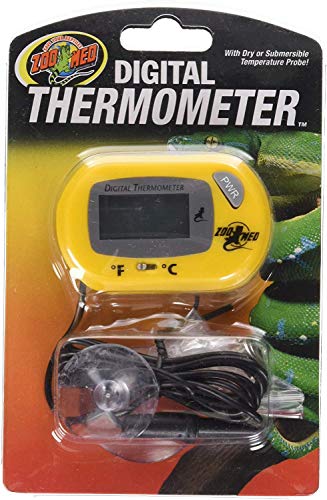
Zoo Med Digital Hygrometer & Thermometer
Dual-probe design measures both warm and cool sides simultaneously with reliable accuracy
Check Price on Amazon
Exo Terra Monsoon RS400 Automatic Misting System
Programmable timer with adjustable nozzles delivers consistent misting without daily manual effort
Check Price on Amazon
Zoo Med ReptiSoil Coconut Fiber Substrate
Holds humidity between misting sessions and supports natural burrowing behavior
Check Price on Amazon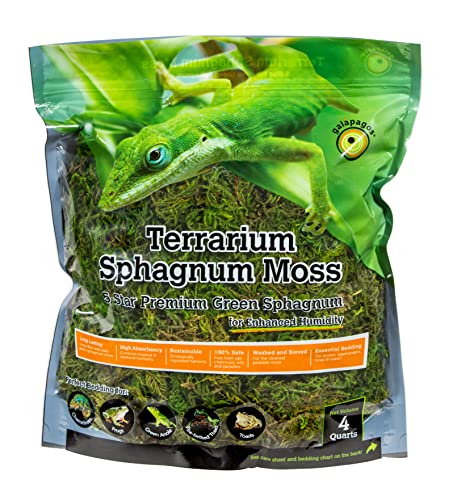
Galápagos Terrarium Sphagnum Moss
Excellent moisture retention for shed boxes and tropical vivarium builds
Check Price on AmazonINKBIRD IBS-TH2 Bluetooth Hygrometer
Logs humidity data to your phone so you can identify patterns and make precise adjustments
Check Price on AmazonFrequently Asked Questions
It depends on the species. Tropical reptiles like ball pythons and crested geckos need 60–80% humidity. Desert species like bearded dragons and uromastyx do best at 20–40%. Always research your specific species before setting up an enclosure.
References & Sources
Related Articles

Veiled Chameleon Humidity and Misting Guide: Schedule, Equipment & Wet-Dry Cycle
Veiled chameleons die from bad misting — it's their only water source. Learn the wet-dry cycle, seasonal schedule, and top equipment to keep yours thriving.

Crested Gecko Humidity Requirements: Levels, Monitoring & Misting Schedule (2026)
Master crested gecko humidity with our complete misting guide. Learn the wet/dry cycle, top auto mister picks, and seasonal tips. Fix bad sheds today.

How to Set Up a Bioactive Vivarium for Reptiles
Learn how to set up a bioactive vivarium for your reptile, creating a self-sustaining environment that mimics nature.