
Crested Gecko Stuck Shed? Here's How to Fix It Fast
Crested gecko stuck shed can cause permanent toe loss within 48 hours. Learn the sauna method, humidity cycle tips, and a first aid kit to fix it fast.

✓Recommended Gear
In this guide, we cover everything you need to know and recommend 6 essential products. Check prices and availability below.
TL;DR: Crested gecko stuck shed on toes is an emergency — soak in shallow warm water for 15-20 minutes, then gently roll shed off with a damp cotton swab, as constricted digits can lose circulation within days. Stuck shed is caused by humidity below 50% during the shed cycle; consistent 60-70% humidity with daily evening misting prevents recurrence.
You notice your crested gecko hasn't finished shedding — there are gray, papery bits clinging to its toes, and its delicate toe pads look constricted. That's stuck shed, and it's more urgent than it looks. Left untreated, constricted digits lose circulation and can result in permanent toe loss within days.
This guide covers everything: why stuck shed happens, how to fix it right now, and how to prevent it from recurring. For background on general crested gecko health, see our crested gecko care guide.
Why Crested Geckos Get Stuck Shed
The root cause is almost always inadequate humidity during the shedding cycle. Crested geckos require a wet/dry humidity cycle to shed cleanly — dry air during the day (40–50%) followed by a humidity spike at night (60–80% after misting). During an active shed, humidity should climb to 80–90% to keep the old skin pliable.
Without that moisture, the old skin dries out before the gecko can remove it, bonding tightly to the underlying tissue.
Other Contributing Factors
- Poor nutrition — deficiencies in vitamin A and calcium weaken skin turnover. A low-quality diet is a silent shedding saboteur.
- Dehydration — geckos that don't drink enough produce drier, tougher shed.
- No rough surfaces — crested geckos rub against bark and branches to start the shed. A bare or smooth enclosure leaves them no way to break the skin.
- Illness or parasites — chronic shedding problems without a humidity explanation warrant a vet visit. Learn to spot other reptile illness signs here.
According to the MSD Veterinary Manual, dysecdysis (abnormal shedding) in reptiles is among the most common husbandry-related health problems seen in clinical practice.
Pro Tip: Track your enclosure's humidity cycle with a data-logging hygrometer. The **[Govee WiFi Hygrometer](https://www.amazon.com/dp/B0B5KF2J34?tag=krawlo-20 logs temperature and humidity 24/7 and sends alerts when levels drop — you'll catch the problem before your gecko does.
Humidity Targets During Shedding
The wet/dry cycle must intensify during active shed
Daytime (dry period)
40–50%
Allows skin to breathe
After Evening Mist
60–80%
Standard post-mist target
During Active Shed
80–90%
Extra misting or sauna method
Healthy Shed Duration
30 min – few hrs
Stuck shed = still shedding after 24 hrs
Recognizing the Three Types of Stuck Shed
Identifying where the shed is stuck determines your treatment approach. Each location carries different risks.
"Gloved Up" — Stuck Shed on Toes
This is the most dangerous type. Retained shed wraps around the digits like a tight glove, cutting off circulation. A toe that has been constricted for 48–72 hours may not be salvageable. Signs include:
- Swollen, darkened, or discolored toe tips
- Visible gray rings of shed around individual digits
- Gecko reluctance to climb (toe pads no longer gripping)
"Masked Man" — Stuck Shed on Head and Face
Stuck shed around the eyes, nostrils, or mouth is a secondary priority — uncomfortable, but slower to cause damage than constricted toes. The area around the eyes needs the most careful handling to avoid injuring the spectacles (eye caps).
Retained Eye Caps
Retained spectacles are a separate issue from general facial shed. If you see a cloudy, dull layer sitting on the eye surface after an otherwise complete shed, that is a retained eye cap. Do not attempt to remove these at home without guidance — the spectacle is fused to the underlying eye structure and pulling it can cause permanent blindness.
The Sauna Method: Step-by-Step Treatment
The sauna method is the safest first-line treatment for stuck shed on toes and body. It recreates the high-humidity conditions the gecko needed during shedding, softening the retained skin enough to remove it gently.
What You Need
- A deli cup or small container with several small air holes punched in the lid
- Damp paper towels — wet with room-temperature water, then wrung out so they are moist but not dripping
- A damp cotton swab (for rolling off loosened shed)
- Zoo Med Reptile Shedding Aid spray (optional but helpful for stubborn cases)
Pro Tip: Always use room-temperature water. Crested geckos are heat-sensitive and experience heat stroke above 80°F. NEVER use hot water, warm water, or steam. The humidity does the work — not the heat.
The Protocol
- Place damp paper towels in the bottom of the deli cup. Ensure no standing water pools.
- Place the gecko inside. Punch 4–6 small air holes in the lid — enough for airflow, small enough to hold humidity.
- Allow the gecko to sit for 15–30 minutes. Do not exceed 30 minutes.
- Remove the gecko and place it on a clean damp paper towel under gentle lighting.
- Using a damp cotton swab, apply gentle rolling pressure along the stuck shed. The goal is to roll the shed off, not pull it.
- Work from the base of the digit toward the tip, following the direction of scale growth.
- Never pull dry shed. If it does not move easily with rolling pressure, return the gecko to the humidity chamber for another 10 minutes.
For retained eye caps, mist the eye area lightly and use a damp cotton swab to gently loosen the perimeter. **[Zoo Med Reptile Shedding Aid](https://www.amazon.com/dp/B0FP2VFP1C?tag=krawlo-20 contains jojoba oil and is safe for use around the eyes — apply to the swab, not directly to the eye.
Pro Tip: If a retained eye cap does not come off after one gentle attempt, stop and contact a reptile vet. Forcing it risks blinding the gecko.
The Sauna Method: Stuck Shed Treatment
Safe first-line treatment — always use room-temperature water
Prepare the Humidity Chamber
Place damp paper towels in a deli cup. Punch 4–6 air holes in the lid.
Tip: Use room-temperature water only — crested geckos get heat stroke above 80°F.
Place Gecko Inside
15–30 minSeal the lid. The enclosed space builds humidity rapidly.
Tip: Never exceed 30 minutes.
Roll Off Loosened Shed
Use a damp cotton swab with gentle rolling pressure — work base to tip.
Tip: Never pull dry shed. Return to chamber if it doesn't move easily.
Inspect and Repeat
Check all 10 toe tips, eye caps, nostrils, and vent.
Tip: For retained eye caps: apply Zoo Med Shedding Aid — don't force removal, contact a vet.
Sauna Method vs. Full Misting: Which Is Better?
Bottom line: use the sauna method for active stuck shed, and misting for prevention. Here's how they compare:
| Sauna Method | Misting Only | |
|---|---|---|
| Best for | Active stuck shed emergency | Daily humidity maintenance |
| Speed | Works in 15–30 minutes | Gradual — hours to days |
| Risk | Low if water is room temp | Low; may not be enough for severe cases |
| Equipment | Deli cup + paper towels | Quality pressure sprayer |
| When to use | Stuck shed already present | Every night as routine care |
For daily misting, the **[Exo Terra Pressure Sprayer](https://www.amazon.com/dp/B004CJS7XW?tag=krawlo-20 delivers a fine, even mist that raises enclosure humidity rapidly without soaking decorations. Its pressurized tank means you can mist consistently without hand fatigue — consistency is what prevents stuck shed in the first place.
Building a Shedding-Friendly Enclosure
Preventing stuck shed is always easier than treating it. Three habitat elements make the biggest difference.
Rough Textures for Rubbing
Crested geckos initiate shedding by rubbing their face against rough surfaces to break the skin at the snout. Without these, shed gets "stuck" at the starting line.
Zoo Med Cork Bark Round provides a naturalistic, rough-textured surface geckos use instinctively. Position pieces at multiple levels of the enclosure — geckos shed while climbing.
A Dedicated Humid Hide
A humid hide gives your gecko a microclimate to retreat to during shedding, independent of the overall enclosure humidity. Fill it with **[Galápagos Sphagnum Moss](https://www.amazon.com/dp/B00KZDT300?tag=krawlo-20 — sphagnum holds moisture for 24–48 hours after misting without becoming waterlogged, making it the best substrate for humid hides.
Keep the moss damp but not soaking. Squeeze a handful — if water drips freely, it is too wet.
Pro Tip: Position the humid hide on the cool side of the enclosure. A warm, humid hide becomes a bacteria incubator. Cool + moist = safe shedding microclimate.
Monitoring the Wet/Dry Cycle
The humidity cycle matters as much as peak humidity. Crested geckos need dry periods to keep skin healthy between sheds. The **[Govee WiFi Hygrometer](https://www.amazon.com/dp/B0B5KF2J34?tag=krawlo-20 logs data throughout the day so you can confirm your cycle is actually happening — not just that humidity looks right when you happen to check.
Target levels:
- Daytime: 40–50% (dry period allows skin to breathe)
- After evening mist: 60–80%
- During active shed: 80–90% (achieved with sauna method or extra misting)
For more on enclosure setup and species comparisons, see our leopard gecko vs crested gecko guide.
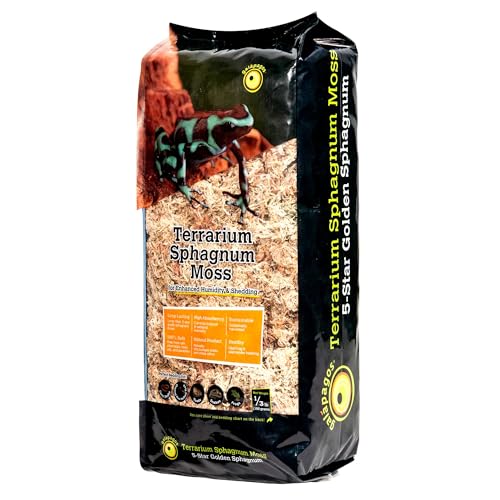
Galápagos Sphagnum Moss
Holds moisture for 24–48 hours after misting without becoming waterlogged, making it ideal for a humid shedding hide.
Check Price on AmazonZoo Med Cork Bark Round
Provides natural rough texture at multiple enclosure levels so geckos can initiate and rub off shed on their own.
Check Price on AmazonThe Nutritional Link Most Keepers Miss
Diet quality directly affects shedding health — and most articles ignore this entirely. Vitamin A deficiency is a documented cause of dysecdysis in reptiles, according to the Merck Veterinary Manual. Calcium deficiency affects overall metabolic function, including skin turnover.
Crested geckos fed exclusively on low-quality or expired powdered diet often develop chronic shedding problems that persist even with perfect humidity.
Pangea Crested Gecko Diet is one of the few commercial CGD formulas with a complete vitamin A and calcium profile validated for long-term use. Rotate flavors to ensure nutritional variety, and replace opened pouches within 3 months — vitamins degrade after opening.
Age-Specific Shedding Frequency
Knowing your gecko's expected shed schedule helps you anticipate and prepare:
- Hatchlings (0–3 months): Weekly — fast growth demands frequent shedding
- Juveniles (3–12 months): Every 1–2 weeks
- Adults (12+ months): Every 2–4 weeks
A gecko shedding less frequently than expected for its age — without an obvious seasonal reason — may have a nutritional deficit worth investigating.
Shedding First Aid Kit
Assemble this kit before you need it. Stuck shed is an emergency you will want to treat immediately, not after a trip to the pet store.
Essential Items
- Deli cup or small container (16 oz works for most adults) with lid
- Paper towels — unscented, dye-free
- Cotton swabs — multiple; one use per area
- **[Zoo Med Reptile Shedding Aid](https://www.amazon.com/dp/B0FP2VFP1C?tag=krawlo-20 — jojoba spray, safe around eyes
- **[Exo Terra Pressure Sprayer](https://www.amazon.com/dp/B004CJS7XW?tag=krawlo-20 — for rapid humidity boost
- **[Govee WiFi Hygrometer](https://www.amazon.com/dp/B0B5KF2J34?tag=krawlo-20 — to identify humidity failures early
- Small flashlight or phone light — to inspect toe tips and eye caps
- Reptile vet contact info — for retained eye caps or blackened digits
Emergency Timeline: When to Act
| Time Since Stuck Shed Noticed | Action |
|---|---|
| 0–24 hours | Sauna method at home; monitor closely |
| 24–48 hours | Repeat sauna method; inspect digit color |
| 48–72 hours | Any digit darkening → vet appointment immediately |
| 72+ hours | Potential tissue necrosis — emergency vet visit |
Stuck Shed Emergency Timeline
What you need to know
0–24 hours: Use the sauna method at home and monitor digit color closely.
24–48 hours: Repeat sauna method; inspect toe tips for any darkening or swelling.
48–72 hours: Any digit darkening → vet appointment immediately.
72+ hours: Potential tissue necrosis — this is an emergency vet visit.
Retained eye caps: never force removal — pulling can cause permanent blindness.
Post-Shed Health Inspection Checklist
After every shed, take 2 minutes to inspect your gecko before returning it to the enclosure.
- All 10 toes free of retained shed
- Toe pads supple and gripping normally (test on your hand)
- No retained shed around eyes (both eyes clear, bright, and symmetrical)
- No shed remaining around nostrils or mouth
- Vent (cloaca) area free of constriction
- Skin tone even — no patchy dry spots suggesting incomplete shed
- Body weight consistent (monthly weigh-ins catch early health decline)
If you notice recurring incomplete sheds after addressing humidity and diet, consult a reptile vet. Chronic dysecdysis may indicate an underlying illness, parasitic infection, or dermatitis. Our reptile illness signs guide covers additional warning signs to watch for.
Ready to upgrade your crested gecko's setup for better shedding? See our best pet lizards for beginners guide for enclosure recommendations and starter kit comparisons.
Recommended Gear

Zoo Med Reptile Shedding Aid
Jojoba oil spray formula softens retained shed and is safe for use around sensitive eye areas.
Check Price on Amazon
Exo Terra Pressure Sprayer
Pressurized pump delivers a fine, consistent mist for daily humidity maintenance — the cornerstone of stuck shed prevention.
Check Price on AmazonGalápagos Sphagnum Moss
Holds moisture for 24–48 hours after misting without becoming waterlogged, making it ideal for a humid shedding hide.
Check Price on AmazonZoo Med Cork Bark Round
Provides natural rough texture at multiple enclosure levels so geckos can initiate and rub off shed on their own.
Check Price on Amazon
Govee WiFi Hygrometer
Logs temperature and humidity around the clock with smartphone alerts, so you catch dangerous humidity drops before your gecko's next shed.
Check Price on AmazonPangea Crested Gecko Diet
Complete vitamin A and calcium profile validated for long-term use — nutritional deficiencies are an underappreciated cause of chronic stuck shed.
Check Price on AmazonFrequently Asked Questions
Look for a dull, grayish, or dusty appearance to the skin — lymph fluid is building up beneath the old skin, loosening it. Your gecko may eat less, move less, and spend more time in its humid hide. Increase misting frequency when you notice these signs.
References & Sources
Related Articles

Blue Tongue Skink Shedding Guide: One-Piece Sheds, Stuck Toe Emergencies & Subspecies Humidity
Blue tongue skinks shed in one piece like snakes — and stuck shed on toes can cause tissue death within days. Learn the complete BTS shedding guide here.

Corn Snake Shedding Guide: What's Normal, What to Watch, and When to Relax
Corn snake shedding only needs 40-60% humidity. Screen-top tanks work fine, stuck shed is rare. Here's what to expect and when to worry.

Bearded Dragon Shedding Guide: What's Normal and How to Help
Bearded dragon shedding in patches is normal — learn the pre-shed signs, how to help with stuck shed, and when to see a vet.