Ball Python Morphs Guide: 20+ Popular Morphs, Prices, Genetics & What to Avoid
Complete ball python morphs guide covering genetics basics, 20+ morphs organized by price, the spider morph controversy, and how to buy safely from reputable breeders.


✓Recommended Gear
TL;DR: Ball pythons have over 7,500 documented morph combinations, governed by three inheritance types: dominant, co-dominant, and recessive. Budget morphs like Pastel and Spider start at $50–$125, while premium combos like Blue Eyed Leucistics run $500–$1,000+. The Spider morph is ethically controversial due to an inseparable neurological wobble syndrome — all morphs share identical husbandry requirements.
Ball pythons are the most popular pet snake in the world, and morphs are the reason the hobby exploded. A morph is a genetic variation that changes the snake's color, pattern, or both — and there are now over 7,500 documented combinations in captivity.
The problem? Most morph guides are either overwhelming lists with no practical buying advice, or short top-10 videos that skip the genetics entirely. This guide bridges that gap.
We cover how ball python genetics actually work, break down 20+ popular morphs organized by price tier, address the spider morph controversy head-on, and give you a concrete buying checklist so you don't get burned by a sketchy seller.
If you are new to ball pythons entirely, start with our Ball Python Care Guide for husbandry basics before diving into morphs.
Ball Python Genetics: The 60-Second Version
You do not need a biology degree to understand ball python morphs. There are three inheritance patterns that explain almost everything.
Dominant genes need only one copy from one parent to show visually. If a snake carries one copy, it looks like the morph. Pinstripe and Spider are dominant morphs. Breed a Pinstripe to a Normal and roughly 50% of the babies will be Pinstripes.
Co-dominant (also called incomplete dominant) genes show a visual change with one copy but produce a more extreme look — called a "super" form — with two copies. Pastel is co-dominant: one copy gives you a brighter, cleaner snake. Two copies give you a Super Pastel, which is dramatically lighter and more yellow.
Recessive genes must be present in two copies (one from each parent) to show visually. A snake with one copy looks Normal but is a "het" (heterozygous) — a hidden carrier. Albino, Clown, and Piebald are recessive. This is why two Normal-looking snakes can produce Piebald babies — both parents were hets.
Pro Tip: When you see a snake listed as "het Pied" or "het Clown," it means the snake carries one copy of a recessive gene but looks Normal. Hets are cheaper than visual morphs and are essential for breeding projects — but useless if you just want a display animal.
Understanding these three categories lets you predict what a breeding pair will produce and helps you evaluate whether a seller's claims about genetics are legitimate.
Ball Python Inheritance: The 3 Patterns
What you need to know
Dominant: One copy from one parent = visible morph. Example: Pinstripe, Spider
Co-dominant: One copy = brighter look; two copies = extreme "super" form. Example: Pastel → Super Pastel
Recessive: Needs two copies (one from each parent) to show visually. One copy = "het" carrier, looks normal
Budget Morphs ($50–$150)
These morphs are widely available, well-established in captivity, and priced accessibly for first-time buyers. Lower price does not mean lower quality — several of the most visually striking ball pythons fall in this range.
Normal (Wild Type) — $30–$75
The original. Dark brown base with golden-tan alien head patterns and a clean white belly. Normals are beautiful snakes in their own right and should not be dismissed as "boring" — the wild-type pattern evolved for a reason, and a healthy Normal is a stunning animal.
Normals are the cheapest ball pythons available and make excellent first snakes.
Pastel — $50–$100
The gateway morph. Pastels are co-dominant and produce a brighter, more yellow version of the Normal pattern with reduced dark pigment. The head is typically cleaner with less dark blushing. Super Pastels (homozygous) are dramatically lighter — almost lemon yellow with faded brown patterning.
Pastel is also the most common "building block" morph — it enhances virtually every combination it touches.
Spider — $75–$150
A dominant morph with a highly reduced pattern — thin dark lines over a tan to golden base, giving a web-like appearance. Spiders are visually distinctive and cheap because they are easy to produce.
Critical warning: Spider morphs carry a neurological condition called "wobble" — see the controversy section below. Read that section before buying.
Pinstripe — $75–$150
A dominant morph that drastically reduces the pattern to thin dark stripes along the dorsal line over a warm caramel base. Clean, elegant, and underrated. Pinstripes produce some of the best-looking combination morphs in the hobby.
Mojave — $75–$125
Co-dominant morph with a slightly faded, high-contrast pattern featuring blue-grey tones in the flame markings and a distinctive pale belly. The real value of Mojave is in breeding: two Mojaves produce a Blue Eyed Leucistic (pure white, blue eyes) — one of the most sought-after morphs in existence.
Enchi — $75–$125
Co-dominant morph that intensifies orange and yellow tones while reducing dark pigmentation along the sides. Enchis brighten every combination they touch and are one of the most versatile building-block morphs available.
Fire — $75–$125
Co-dominant morph with a subtle but important effect: increased golden tones, reduced dark pigment, and a cleaner head stamp. Like Mojave, two Fires produce a Black Eyed Leucistic — a pure white snake with dark eyes.
Pro Tip: If you want a Leucistic ball python but don't want to pay $500+, start a breeding project with two Mojaves or two Fires. Both are under $125 each, and 25% of the offspring will be Leucistic.
Mid-Range Morphs ($150–$500)
These morphs are established enough to be reliably available but carry higher visual impact or breeding value.
Banana — $150–$300
One of the most popular morphs in the hobby. Bright lavender-pink base covered in dark freckles that increase with age, overlaid with banana-yellow blotching. Co-dominant. The Super Banana form is even more intensely colored with reduced patterning.
Bananas are sex-linked in an unusual way: male-maker Bananas pass the gene primarily to sons, and female-maker Bananas pass primarily to daughters. This affects breeding outcomes and pricing.
Piebald — $200–$400
Recessive morph with dramatic white unpigmented patches randomly distributed across the body. The amount of white varies wildly — some Piebalds are 90% white with a small patch of normal pattern on the head. Others are mostly patterned with a few white stretches.
High-white Piebalds command premium prices. The unpredictability of the pattern is part of the appeal.
Clown — $200–$400
Recessive morph that produces a dramatically altered pattern — reduced lateral markings, a bold dorsal stripe, and a distinctive clean head with minimal dark pigment. Clowns have a refined, almost hand-painted look that photographs exceptionally well.
Leopard — $150–$300
Co-dominant morph with reduced, rounded spotting that replaces the typical alien head pattern. The overall effect is a cleaner, more open pattern. Super Leopards are dramatically reduced — nearly patternless with a warm yellow-brown base.
Black Pastel — $100–$200
Co-dominant morph that does the opposite of Pastel — it darkens and intensifies the brown and black tones while increasing contrast. The real magic is in combinations: Black Pastel + Pastel produces the Silver Bullet, and two Black Pastels produce the controversial Super Black Pastel (which can have health issues including kinking and duck billing).
Cinnamon — $100–$200
Co-dominant morph similar to Black Pastel but with warmer, reddish-brown tones instead of cool blacks. Two Cinnamons produce a Super Cinnamon — an extremely dark, nearly solid chocolate-brown snake. Like Super Black Pastels, Super Cinnamons can have health concerns.
Orange Dream — $150–$300
Co-dominant morph that intensifies warm orange and yellow hues throughout the pattern. One of the best enhancer morphs available — Orange Dream + Enchi + Pastel combinations produce some of the most vivid ball pythons you will ever see.
Pro Tip: Mid-range morphs offer the best value in the hobby right now. Bananas and Piebalds were $3,000+ snakes ten years ago. Prices have dropped dramatically as production increased, but visual impact has not diminished at all.
Premium Morphs ($500 and Up)
These morphs are either rare, require multi-generational breeding projects, or carry exceptional visual impact.
Blue Eyed Leucistic (BEL) — $500–$1,000
The holy grail for many keepers. A pure white snake with striking blue eyes — no pattern, no pigmentation, just clean white scales. BELs are produced by combining two copies of certain co-dominant genes: Mojave + Mojave, Mojave + Lesser, Fire + Fire, or other specific pairings.
BELs are not a single gene — they are the super form of a complex. This means their price varies based on which genes produced them and what breeding potential they carry.
Monsoon — $800–$2,000+
A newer recessive morph with an extreme pattern disruption — wide bands of white and grey with minimal dark pigmentation. Monsoon combinations are still being explored, and prices remain high because the gene is not yet widely established.
Sunset — $1,000–$3,000+
An incomplete dominant morph with deep burnt orange and red coloration that intensifies with age. Sunsets are one of the few ball python morphs that actually get more colorful as the snake matures — most morphs fade. Super Sunsets are exceptionally rare and vibrant.
Stranger — $500–$1,500
A co-dominant morph with a unique grey-lavender base and dramatically altered pattern. Strangers in combination with other morphs produce some of the most unusual-looking ball pythons in the hobby. The super form is still being defined as breeders work with the gene.
Pied Clown (Combination) — $1,000–$3,000+
Combining two recessive genes in a single animal requires both parents to carry both genes — a multi-year project. Piebald + Clown produces a snake with the Clown's refined dorsal stripe pattern interrupted by Piebald white patches. Visually stunning and genetically complex.
How Morph Combinations Work
The real depth of ball python genetics is in stacking multiple morphs into a single animal. Each gene acts independently, and their visual effects layer on top of each other.
A Banana Pastel combines Banana's lavender-pink base with Pastel's brightening effect — the result is a snake more vivid than either parent morph alone. A Banana Pastel Piebald adds white unpigmented patches to that combination.
Some popular multi-gene combinations and their approximate prices:
- Banana Pastel — $250–$500
- Killer Bee (Spider + Pastel) — $150–$300
- Bumblebee (Spider + Pastel, older naming convention) — $150–$300
- Pewter (Pastel + Cinnamon) — $200–$400
- Sterling (Pastel + Black Pastel, also called Silver Bullet) — $200–$400
- Firefly (Fire + Pastel) — $150–$300
- Banana Pied — $500–$1,200
- Banana Clown — $500–$1,200
Pro Tip: The naming gets confusing fast. "Killer Bee" and "Bumblebee" refer to the same combination (Spider + Pastel) depending on the breeder. "Pewter" is Pastel + Cinnamon but used to mean something else. When in doubt, ask for the full genetic breakdown rather than relying on trade names.
MorphMarket and World of Ball Pythons maintain databases where you can see what specific combinations look like before you buy.
The Spider Morph Controversy
This section exists because ignoring this topic would be dishonest, and many morph guides skip it entirely.
Spider ball pythons carry a neurological condition called "wobble syndrome." The wobble is genetically linked to the Spider gene itself — it cannot be bred out. Every Spider ball python has it to some degree.
The wobble manifests as:
- Head tremors — side-to-side or corkscrewing motion of the head, especially when the snake is excited, stressed, or feeding
- Corkscrewing — the snake twists its head and neck involuntarily, sometimes flipping onto its back
- Disorientation — difficulty striking accurately at food items, especially in severe cases
The severity varies widely. Some Spiders show barely perceptible wobble that does not affect feeding or quality of life. Others corkscrew so severely they cannot strike at prey without assistance-feeding.
The ethical debate has two sides:
Breeding advocates argue that most Spiders live normal lives, eat voluntarily, and show minimal symptoms. They point out that the gene produces beautiful animals and that severity is manageable through selective breeding.
Opponents argue that intentionally breeding an animal with a known neurological defect — one that cannot be separated from the visual morph — is ethically indefensible regardless of severity. Several major reptile expos and breeding organizations have banned Spider morph sales, and some countries have outlawed breeding them.
Our position: We present both sides and encourage buyers to make informed decisions. If you choose a Spider morph, buy from a breeder who can show you the parents feeding and moving normally, and understand that wobble severity in offspring is unpredictable.
Other morphs with associated neurological or health concerns:
- Woma — wobble similar to Spider but often milder
- Champagne — wobble present, varies in severity
- Super Black Pastel — can produce kinking (spinal deformities) and duck billing (facial deformity)
- Super Cinnamon — similar kinking and duck billing risks as Super Black Pastel
- Caramel Albino — associated with fertility issues and kinking
Pro Tip: If the ethics matter to you (and they should), research the specific morph's known health associations before buying. The World of Ball Pythons database and the MorphMarket community forums are good starting points for unfiltered breeder discussions.
Buying Guide: How to Get a Healthy Morph
The morph market is large, mostly unregulated, and ranges from world-class breeders to outright scammers. Here is how to navigate it.
Where to Buy
Reputable breeders — The gold standard. Look for breeders with a verifiable track record, clear health guarantees, and live arrival guarantees for shipped animals. MorphMarket seller ratings are a useful starting point but not definitive — read actual buyer reviews.
Reptile expos — Excellent for seeing animals in person before buying. You can inspect body condition, feeding response, and temperament directly. Ask the breeder when the animal last ate and request a feeding demonstration if possible.
Pet stores — Generally avoid for morphs. Chain pet stores rarely have accurate genetic information, and the animals often come from large-scale suppliers where individual health tracking is minimal. Local specialty reptile shops are a different story — some are excellent.
Red Flags
- No feeding records. Any reputable breeder tracks feeding history. If they cannot tell you when the snake last ate and what size prey, walk away.
- "Proven het" without proof. A snake sold as het for a recessive gene should come with breeding records or parentage documentation. Anyone can claim a Normal is het Pied.
- Prices dramatically below market. A Piebald for $50 is either sick, mislabeled, or stolen. Know the going rate before you shop.
- No live arrival guarantee for shipped animals. Shipping reptiles is stressful. Reputable sellers guarantee the animal arrives alive and healthy, with a replacement or refund policy.
- Reluctance to share photos of the actual animal. Stock photos or "representative" images are unacceptable. You should see the exact snake you are buying.
What to Inspect
- Body condition: The spine should not be visible. The body should be rounded, not triangular. Good muscle tone with no visible ribs.
- Eyes: Clear, not cloudy (unless in shed). No retained eye caps from previous sheds.
- Mouth: No bubbling, wheezing, or mucus. Respiratory infections are common in stressed or poorly kept ball pythons.
- Vent: Clean, no swelling or discharge. Check for mites — tiny black or red dots around the vent, eyes, and under scales.
- Behavior: A healthy ball python is alert, tongue-flicking, and responsive. A limp, non-responsive snake is a sick snake.
For enclosure setup after purchasing, see our guides on best ball python enclosures, heating, and substrate.
Setting Up for Your New Morph
Regardless of which morph you choose, the husbandry is identical. Ball pythons are ball pythons — a $30 Normal and a $3,000 Sunset need the same temperatures, humidity, and enclosure size.
Essential setup:
- Enclosure: Minimum 4 x 2 x 2 feet for adults. Larger is better. PVC enclosures hold humidity best.
- Hot spot: 88–92°F on the warm end, measured at substrate level
- Cool side: 76–80°F
- Humidity: 60–80%, with higher humidity during shed
- Hides: Minimum two — one warm, one cool — snug enough that the snake touches the sides
Do not invest $500 in a morph and then house it in a $20 setup. The enclosure matters more than the genetics.
For complete setup guides, see our ball python heating guide and shedding guide. For feeding, check our ball python diet and feeding guide.
Morphs to Consider for Beginners
If this is your first ball python, prioritize health and temperament over morph rarity. Any of these make excellent starter snakes:
- Normal — Cheapest, healthiest (no morph-associated concerns), and genuinely beautiful
- Pastel — Bright, affordable, and zero health concerns
- Mojave — Stunning pattern variation with breeding potential
- Pinstripe — Elegant and distinctive without controversy
- Fire — Subtle enhancement with incredible breeding potential
Avoid starting with Spider, Champagne, or any super form associated with health concerns until you have experience managing ball python husbandry.
For a broader comparison of beginner snakes, see our ball python vs corn snake guide.
Pro Tip: Your first ball python should be an established feeder with at least 5 documented meals on frozen/thawed rats. Feeding problems are the number one issue new ball python owners face, and no morph is worth the stress of a snake that won't eat.
Conclusion
Ball python morphs are one of the most fascinating aspects of the reptile hobby. The genetics are learnable, the visual variety is staggering, and the market offers options at every budget.
But morphs are cosmetic. Underneath every $2,000 designer combination is a ball python that needs 88–92°F hot spots, 60–80% humidity, appropriate-sized frozen/thawed rodents, and two snug hides in a properly sized enclosure.
Get the husbandry right first. Then explore the genetics. That order matters.
For complete ball python care from day one, start with our Ball Python Care Guide.
Recommended Gear

Reptile Basics 4x2x2 PVC Enclosure
The gold standard PVC enclosure for adult ball pythons — holds humidity better than glass and lasts decades
Check Price on Amazon
Arcadia Deep Heat Projector
Provides infrared heat without light, perfect for ball pythons that need belly heat without disrupting day/night cycles
Check Price on Amazon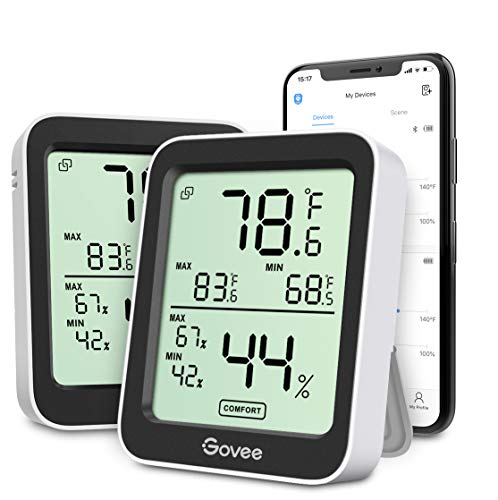
Pangea Digital Thermometer Hygrometer
Accurate dual probe for monitoring hot spot and cool side temperatures plus humidity — essential for any ball python setup
Check Price on Amazon
Reptile Hide Box (2-Pack)
Ball pythons need two snug hides minimum — one on the warm side and one on the cool side for proper thermoregulation
Check Price on Amazon
Zoo Med Forest Floor Cypress Mulch
Excellent humidity-retaining substrate for ball pythons — natural, affordable, and easy to spot clean
Check Price on AmazonFrequently Asked Questions
Normal (wild type) ball pythons are the cheapest at $30–$75. Among actual morphs, Pastels and Fires are the most affordable at $50–$125. These budget morphs are widely bred, visually appealing, and carry zero morph-associated health concerns — making them ideal for first-time buyers.
References & Sources
- https://www.worldofballpythons.com/morphs/
- https://www.morphmarket.com/us/c/reptiles/pythons/ball-pythons
- https://www.zenhabitats.com/blogs/reptile-care-sheets-resources/most-popular-ball-python-morphs-top-10-must-see
- https://a-z-animals.com/blog/ball-python-morphs-discover-the-50-types/
- https://www.raregeneticsinc.com/
Related Articles

Axanthic Ball Python: 5 Lines, Genetics & Prices
Axanthic ball pythons compared by all 5 genetic lines — VPI, TSK, Jolliff, Snake Keeper, Marcus Jayne — with pricing, combos, browning-out explained, and buyer tips.

Ball Python Humidity Guide: Get It Right Every Time
Master ball python humidity with this complete guide. Learn ideal levels, how to measure them, and fix common problems to keep your snake healthy.

Banana Ball Python Care: The Complete Keeper's Guide
Banana ball python care guide -- enclosure, heating, humidity, feeding, and handling tips for this stunning morph. Same care as any ball python, made easy.