Best Terrarium for Leopard Gecko: Top Picks & Setup Guide
Find the best terrarium for leopard gecko with our expert guide. Covers minimum size, top tank picks, heating, hides, and full setup tips for a thriving gecko.


This article contains affiliate links. If you make a purchase through these links, we may earn a small commission at no extra cost to you. See our affiliate disclosure for details.
We recommend 5 picks here. Our top choice is the Zen Habitats 4' x 2' Reptile Enclosure — check price and availability below.
How we choose: we compare published specifications against the care requirements in veterinary and species-care literature, and weigh those against what long-time keepers report. We do not test products ourselves and we do not restate Amazon star ratings. The 6 sources behind this article are listed at the bottom.
Quick Comparison
- Product Category
- Housing
- Primary Benefit
- Stress Reduction & Insulation
- Typical Material/Form
- PVC Panels
- Estimated Price Range
- $300-500
- Role in Setup
- Primary Enclosure
- Product Category
- Housing
- Primary Benefit
- Budget-Friendly & Space
- Typical Material/Form
- Glass
- Estimated Price Range
- $80-150
- Role in Setup
- Primary Enclosure
- Product Category
- Heating Control
- Primary Benefit
- Precise Temp Regulation
- Typical Material/Form
- Digital Controller
- Estimated Price Range
- $20-40
- Role in Setup
- Heater Control
- Product Category
- Temperature Monitoring
- Primary Benefit
- Instant Accurate Readings
- Typical Material/Form
- Handheld Device
- Estimated Price Range
- $15-30
- Role in Setup
- Spot-Check Monitoring
- Product Category
- Enrichment & Hides
- Primary Benefit
- Security & Enrichment
- Typical Material/Form
- Natural Cork
- Estimated Price Range
- $10-25
- Role in Setup
- Essential Enrichment
Prices are estimates only. Actual prices on Amazon may vary.
Picking the best terrarium for your leopard gecko is one of the most important decisions you'll make as a new owner. Get it right, and your gecko can thrive for 15–20 years. Get it wrong, and you'll be fighting health problems from day one.
The good news? It's not complicated once you know what to look for.
In this guide, I'll walk you through everything — minimum size requirements, the best tank styles, essential features, and setup recommendations for every budget. Whether you're setting up your first enclosure or upgrading an old tank, you're in the right place.
Why the Right Terrarium Matters More Than You Think
Leopard geckos are ground-dwelling reptiles from the arid scrublands of Pakistan, Afghanistan, and northwestern India. In the wild, they roam large territories at night and shelter under rocks during the heat of the day.
That natural lifestyle shapes everything they need in captivity. A too-small tank causes chronic stress. Poor ventilation leads to respiratory infections. A bad temperature gradient makes it impossible for your gecko to regulate its body temperature properly.
The terrarium isn't just a container — it's your gecko's entire world. Choosing the right one sets the foundation for everything else.
Tank Size by Life Stage
Hatchling (0–3 mo)
1–2 sq ft
10 gallon (20" × 10")
Juvenile (3–12 mo)
2–3 sq ft
20 gallon long (30" × 12")
Adult (12+ mo)
4 sq ft minimum
40 gal breeder or 4' × 2' PVC
Glass vs. PVC Enclosures
Side-by-side comparison
| Feature | Glass Aquarium | PVC Enclosure |
|---|---|---|
| Cost | ★$60–$100 new, less used | $200–$350 |
| Heat Retention | Poor—loses heat quickly | ★Excellent—holds heat well |
| Access Design | Top-access (stressful) | ★Front-opening (low-stress) |
| Weight & Portability | Heavy, awkward to move | ★Lightweight, easy to transport |
| Visibility | ★Excellent 360° viewing | Good—opaque walls |
Our Take: PVC is the gold standard for serious keepers; glass is budget-friendly for beginners.
Top Enclosure Recommendations
Quick recommendations
Front-opening PVC design with excellent heat retention. Gold standard for experienced keepers.
36" × 18" footprint (4.5 sq ft). Affordable new or used; proven choice for adult leos.
Purpose-built reptile enclosure with front doors, 36" × 18" size, and lockable mesh top.
What Leopard Geckos Need in Captivity
What you need to know
Warm side 88–92°F + cool side 74–80°F for proper thermoregulation
Multiple hides (rocks, burrows) plus a moist hide for shedding
Low humidity 30–40% with solid ventilation
Minimum 4 sq ft floor space for stress-free movement
Crepuscular activity (active dawn/dusk) means they need dark daytime shelter
Detailed Reviews
1. Zen Habitats 4' x 2' Reptile Enclosure
Best Overall
Zen Habitats 4' x 2' Reptile Enclosure
Pros
- •Spacious 4'x2' footprint exceeds minimum requirements for adult leopard geckos, promoting natural behaviors.
- •Front-opening doors minimize stress for the gecko during enclosure access and maintenance.
- •PVC construction offers superior insulation, leading to more stable temperatures and reduced heating costs.
- •Durable and easy-to-clean material, ideal for long-term reptile husbandry.
Cons
- •Higher initial cost compared to glass aquariums.
- •Assembly may be required, unlike pre-assembled glass tanks.
- •Opaque sides may limit viewing from all angles compared to glass.
Bottom Line
This premium PVC enclosure provides an optimal and secure environment for adult leopard geckos, prioritizing their welfare and owner convenience. Its robust construction and intelligent design features make it a top-tier choice for dedicated keepers.
2. 40 Gallon Breeder Tank
Best Value
40 Gallon Breeder Tank
Pros
- •Budget-friendly and widely available, making it an accessible entry-level option.
- •36"x18" footprint meets the minimum space requirements for an adult leopard gecko.
- •Compatible with a wide range of standard reptile heating and lighting equipment.
- •Transparent glass offers unobstructed viewing of the inhabitant.
Cons
- •Glass provides poor insulation, potentially leading to higher heating costs and less stable temperatures.
- •Top-opening access can be stressful for geckos, as predators approach from above.
- •Significant weight makes it less portable than lighter enclosure types.
- •Prone to cracking if mishandled.
Bottom Line
The 40-gallon breeder tank remains a popular and economical choice for leopard gecko housing, offering adequate space and broad compatibility with reptile hardware. While functional, its glass construction presents some thermal and access challenges compared to specialized reptile enclosures.
3. Inkbird Reptile Thermostat
Editor's Choice
Inkbird Reptile Thermostat
Pros
- •Essential safety device preventing overheating of under-tank heaters and ensuring precise temperature control.
- •Maintains a stable temperature within the desired range (e.g., 88-92°F warm spot), crucial for gecko digestion and metabolism.
- •Known for reliability and accuracy, providing peace of mind for keepers.
- •Easy to set up and program for consistent environmental management.
Cons
- •Requires careful probe placement to ensure accurate readings at the desired spot.
- •Does not directly regulate ambient air temperature, only the connected heating element.
- •An additional purchase beyond the heater itself.
Bottom Line
This Inkbird thermostat is a critical component for any leopard gecko heating setup, ensuring the safe and precise regulation of temperatures for under-tank heaters. Its reputation for accuracy and reliability makes it a trusted choice for maintaining optimal warm spots.
4. Digital Infrared Thermometer Gun
Premium Pick
Digital Infrared Thermometer Gun
Pros
- •Provides instant and highly accurate surface temperature readings without contact.
- •Essential for verifying critical warm spot temperatures (88-92°F) and monitoring cool side conditions.
- •Eliminates the inaccuracy and unreliability associated with stick-on dial thermometers.
- •Versatile for spot-checking various surfaces within the enclosure and around the home.
Cons
- •Measures surface temperature, not ambient air temperature, requiring additional tools for full environmental monitoring.
- •Requires manual operation and periodic checks, not a continuous monitoring device.
- •Battery-operated, requiring occasional replacement.
Bottom Line
A digital infrared thermometer gun is an indispensable tool for precise temperature management in a leopard gecko enclosure, offering immediate and accurate surface readings. It is crucial for verifying that all critical temperature zones are within the ideal range, surpassing the performance of less reliable alternatives.
5. Cork Bark Hides for Reptiles
Budget Pick
Cork Bark Hides for Reptiles
Pros
- •Provides natural-looking, secure hiding spots essential for reducing stress and promoting security.
- •Cork bark is durable and resistant to humidity, holding up well in a terrarium environment.
- •Can be easily arranged to create warm, cool, and moist hide options, fulfilling a critical gecko welfare requirement.
- •Adds natural aesthetic appeal to the enclosure.
Cons
- •Initial cost can be higher than artificial plastic hides.
- •Requires proper cleaning before introduction to ensure no pests or contaminants.
- •May take up significant floor space, depending on the size and shape of the pieces.
Bottom Line
Natural cork bark offers versatile and aesthetically pleasing hide options, crucial for the physical and mental well-being of leopard geckos. Its durability and adaptability for creating varied hide types make it an excellent choice for enriching any terrarium setup.
Natural Habitat of Leopard Geckos
Before choosing a tank, it helps to understand where leopard geckos actually come from.
Their native habitat is rocky, semi-arid scrubland. Temperatures swing dramatically between day and night. The ground is dry, but not barren — there are crevices, flat rocks, and hiding spots everywhere.
Leopard geckos are crepuscular, meaning they're most active at dawn and dusk. During the heat of the day, they hide in cool underground burrows. At night, the surface cools significantly.
This tells us exactly what a good terrarium needs:
- A warm side (88–92°F) and a cool side (74–80°F)
- Multiple hides, including a moist hide for shedding
- Low humidity (30–40%) with solid ventilation
- Enough floor space to move, explore, and thermoregulate
According to ReptiFiles' leopard gecko terrarium size guide, a single adult leopard gecko needs a minimum of 4 square feet of floor space — that's a 4' × 2' footprint. Anything smaller puts the animal under constant stress.
Minimum Tank Size Requirements
This is where a lot of beginners go wrong. The old "10 or 20 gallon" advice is outdated and not based on current husbandry science.
Here's what the keeper community and research actually recommend:
| Life Stage | Minimum Floor Space | Recommended Tank Size |
|---|---|---|
| Hatchling (0–3 months) | 1–2 sq ft | 10 gallon (20" × 10") |
| Juvenile (3–12 months) | 2–3 sq ft | 20 gallon long (30" × 12") |
| Adult (12+ months) | 4 sq ft | 40 gallon+ or 4' × 2' PVC enclosure |
If you're buying just one tank for the long haul, skip the starter sizes. Go straight to an adult-sized enclosure. Your gecko will grow into it, and you'll save money by not upgrading twice.
The MorphMarket Leopard Gecko Care Guide makes this point clearly — bigger is genuinely better for these animals, and undersized enclosures are one of the most common causes of chronic stress in captive leos.
Types of Terrariums: Which Style Is Best?
There are three main enclosure types to consider. Each has real pros and cons depending on your budget and experience level.
Glass Aquarium Tanks
Glass tanks are the most common starting point, and they work well for leopard geckos when sized correctly.
Pros:
- Affordable and widely available
- Easy to find second-hand
- Hold heat reasonably well on the warm side
- Great visibility for observing your gecko
Cons:
- Heavy and awkward to deep clean
- Top-access design can stress some geckos
- Can lose heat quickly in cool rooms
A [40 gallon breeder tank](https://www.amazon.com/dp/B0GD4PRRP1?tag=krawlo-20 (36" × 18" × 16") gives you about 4.5 square feet of floor space and is a popular, budget-friendly choice for adult leos.
PVC Enclosures
PVC enclosures have become the gold standard for serious keepers over the last decade. They're built specifically for reptiles, not repurposed fish tanks.
Pros:
- Excellent insulation — holds heat far better than glass
- Lightweight compared to glass
- Front-opening doors reduce handling stress
- Purpose-built size options (like the ideal 4' × 2')
- Lower electricity bills due to better heat retention
Cons:
- Higher upfront cost
- Harder to find locally — usually ordered online
Brands like Zen Habitats, Animal Plastics, and Vision Products are the most respected in the community. A [Zen Habitats 4' × 2' enclosure](https://www.amazon.com/dp/B0DJFXCBTK?tag=krawlo-20 is a top choice you'll see recommended constantly in keeper forums.
Screen/Mesh Enclosures
Mesh enclosures like those from REPTI ZOO are designed for arboreal species that need maximum airflow. They're not a good fit for leopard geckos.
The problem is heat retention. Leos need a warm side of 88–92°F. Mesh walls can't hold that heat efficiently, especially in cooler homes. You'd be fighting your heating equipment the entire time.
Stick to glass or PVC for leopard geckos.
Choosing the Perfect Leopard Gecko Enclosure: Top Picks
Here are my recommendations across different budgets and use cases.
Best Overall: Zen Habitats 4' × 2' Reptile Enclosure
The Zen Habitats PVC enclosure is the upgrade that most experienced keepers recommend, and for good reason. It's built with PVC panels over a melamine core, front-opening doors, and solid latches. It holds heat beautifully and doesn't require as much heating equipment as a glass tank.
(Estimates only — actual prices on Amazon may vary.) Expect to pay in the $200–$350 range. That's a bigger upfront cost, but you won't replace it.
The front-opening design is a genuine quality-of-life improvement — your gecko won't feel ambushed from above, which reduces stress during feeding and cleaning. [Find it on Amazon](https://www.amazon.com/dp/B0DJFXCBTK?tag=krawlo-20.
Best Budget Option: 40 Gallon Breeder Tank
For keepers on a budget, a [40 gallon breeder tank](https://www.amazon.com/dp/B0GD4PRRP1?tag=krawlo-20 is a solid, proven choice. The 36" × 18" footprint gives you just over 4.5 square feet — enough for one adult leopard gecko.
(Estimates only — actual prices on Amazon may vary.) New tanks run $60–$100, but you can often find them second-hand for much less. Pair it with a [secure screen lid](https://www.amazon.com/dp/B00LH1YM7I?tag=krawlo-20 and you've got a functional adult setup without breaking the bank.
Best Starter Kit: Exo Terra Glass Terrarium
If you want a purpose-built reptile enclosure rather than a repurposed aquarium, the Exo Terra Glass Terrarium is a great all-in-one option.
It comes with front-opening doors, a raised bottom frame for an under-tank heater, dual-door access, and a lockable mesh top. The 36" × 18" size works well for adult leopard geckos.
(Estimates only — actual prices on Amazon may vary.) These typically run $150–$250 depending on the model. Not as insulating as PVC, but much more gecko-friendly than a plain aquarium.
Best for Breeders or Multiple Geckos: Vision Products V-70
If you're keeping multiple geckos (each in their own enclosure, of course), Vision Products makes commercial-grade PVC enclosures used by professional breeders. They're stackable, easy to clean, and built to last decades.
Vision Products enclosures aren't the prettiest option, but they're workhorses. If you're running a small breeding operation, they're hard to beat for durability and functionality.
Requirements for Leopard Gecko Enclosures: The Essential Features
No matter which tank you choose, check for these features before you buy.
Proper Ventilation
Good airflow prevents mold, bacteria, and respiratory infections. Look for cross-ventilation — vents on multiple sides, or a well-designed mesh top. A stuffy enclosure is a health hazard.
Secure Lid or Door Latches
Leopard geckos are better escape artists than they look. A loose lid or wobbly door latch is a recipe for a missing gecko. Test the closure before you trust it.
Easy Access for Cleaning
You'll be spot-cleaning a few times a week and doing full substrate changes monthly. Front-opening doors make this dramatically easier than top-only access.
Raised Bottom Frame (Glass Tanks)
If you're using an under-tank heater (UTH), you need clearance underneath the tank for it to sit properly. Many purpose-built reptile tanks have a raised frame for this. Standard aquariums don't — you'll need to use cork risers or switch heating methods.
Husbandry Tips for Leopard Geckos: Setting Up for Success
Once you've chosen your enclosure, the setup is just as important.
Temperature Gradient
Getting temperatures right is the single most critical part of your setup. Your gecko needs a warm end to digest food and a cool end to retreat when it gets too warm. For a full breakdown, check out our guide on the best temperature for leopard gecko.
| Zone | Target Temperature |
|---|---|
| Warm hide (belly heat) | 88–92°F |
| Warm side (ambient) | 80–85°F |
| Cool side | 74–80°F |
| Nighttime (whole tank) | 68–74°F |
Always use a [thermostat with your heating equipment](https://www.amazon.com/dp/B07T65S721?tag=krawlo-20 An unregulated under-tank heater can reach dangerous temperatures that cause burns through the substrate. This is non-negotiable.
Verify temperatures with a [digital infrared thermometer gun](https://www.amazon.com/dp/B0BN317X6Z?tag=krawlo-20 Stick-on dial thermometers are notoriously inaccurate and can give you false confidence.
Substrate
For juveniles under 6 months, use solid substrate — paper towels, reptile carpet, or slate tile. Loose substrates risk impaction in young geckos.
For adults, ReptiFiles recommends a bioactive substrate mix or excavator clay for a more naturalistic setup. A well-established bioactive enclosure dramatically cuts down on maintenance over time.
The Three-Hide Rule
Every leopard gecko needs at least three hides:
- Warm hide — on the warm side, directly over the heat source
- Cool hide — on the cool side
- Moist hide — in the middle, lined with damp sphagnum moss
The moist hide is critical for shedding. Without it, retained shed (dysecdysis) around the toes and eyes is almost inevitable. The Spruce Pets and the Zen Habitats care sheet both emphasize this point strongly.
Décor and Enrichment
Leopard geckos benefit from visual complexity. Add [cork bark hides](https://www.amazon.com/dp/B08CVF3JQR?tag=krawlo-20 flat rocks for basking, and a few [artificial plants](https://www.amazon.com/dp/B0F1LWD49G?tag=krawlo-20 to create visual barriers.
According to ReptiFiles' decoration guide, visual barriers reduce stress by giving your gecko multiple safe zones to retreat to. Aim for 60–70% visual coverage — it sounds like a lot, but it mimics their rocky natural habitat.
Common Mistakes to Avoid
Even well-meaning owners make these mistakes. Watch out for:
- Tank too small. The old 10- or 20-gallon advice is outdated. Adults need 4 sq ft minimum.
- No thermostat. Unregulated heaters cause thermal burns. Always use a thermostat.
- Only one hide. Three hides minimum — warm, cool, and moist.
- Cohabitation. Leopard geckos are solitary animals. Housing two together causes chronic stress and eventual aggression, even if it looks peaceful at first.
- Loose sand for juveniles. Wait until your gecko is 6+ months and over 15 grams before trying loose substrate.
- Heat rocks. These cause severe burns. Never use them.
Final Thoughts
The best terrarium for your leopard gecko is one that matches their natural needs — enough floor space to roam, a proper temperature gradient, multiple hides, and solid ventilation. Whether you go with a budget 40-gallon breeder or invest in a PVC enclosure from day one, getting the setup right from the start makes everything else easier.
Your gecko will spend its entire life in this enclosure. It's worth doing right.
For one of the most overlooked (but critical) setup details, check out our complete guide on Setting Up a Leopard Gecko Humid Hide. Getting the moist hide right is the difference between smooth sheds and a gecko with retained skin on its toes.
Our Final Verdict

Zen Habitats 4' x 2' Reptile Enclosure
This premium PVC enclosure provides an optimal and secure environment for adult leopard geckos, prioritizing their welfare and owner convenience. Its robust construction and intelligent design features make it a top-tier choice for dedicated keepers.

40 Gallon Breeder Tank
The 40-gallon breeder tank remains a popular and economical choice for leopard gecko housing, offering adequate space and broad compatibility with reptile hardware. While functional, its glass construction presents some thermal and access challenges compared to specialized reptile enclosures.
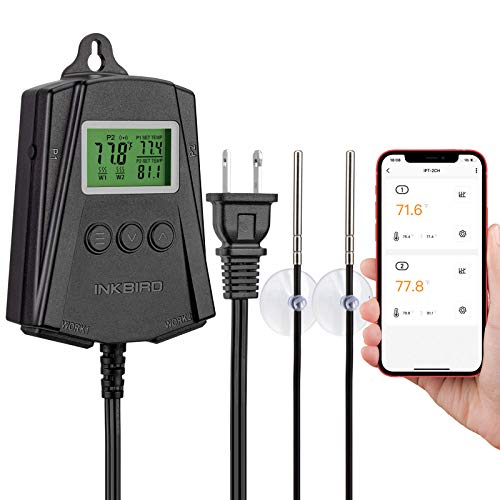
Inkbird Reptile Thermostat
This Inkbird thermostat is a critical component for any leopard gecko heating setup, ensuring the safe and precise regulation of temperatures for under-tank heaters. Its reputation for accuracy and reliability makes it a trusted choice for maintaining optimal warm spots.
Frequently Asked Questions
A PVC enclosure or glass aquarium tank works best. PVC enclosures (like Zen Habitats 4' x 2') offer better heat retention and front-opening access, making them the preferred choice for experienced keepers. A 40-gallon breeder glass tank is a solid budget option. Avoid mesh or screen enclosures — they can't hold the warm temperatures leopard geckos need.
References & Sources
- https://reptifiles.com/leopard-gecko-care/leopard-gecko-terrarium-size/
- https://community.morphmarket.com/t/leopard-gecko-care-guide/39838
- https://www.zenhabitats.com/blogs/reptile-care-sheets-resources/leopard-gecko-care-sheet-reptifiles
- https://www.thesprucepets.com/leopard-gecko-habitat-5199607
- https://reptifiles.com/leopard-gecko-care/leopard-gecko-substrate/
- https://reptifiles.com/leopard-gecko-care/leopard-gecko-terrarium-decorations/
Related Articles

Best Leopard Gecko Starter Kit: Complete Buyer's Guide
Find the best leopard gecko starter kit for beginners. We break down enclosures, heating, substrate, and accessories so you set up right the first time.

Best Drainage Layer for Bioactive Terrarium
Discover the best drainage layer for your bioactive terrarium and learn how to create a thriving, self-sustaining ecosystem for your reptile pets.

Best Terrarium Kits for Adults: Expert Picks & Reviews
Discover the best terrarium kits for adults, expertly reviewed to help you create the perfect reptile habitat with ease and style.