Best Leopard Gecko Accessories: Complete Setup Guide
Discover the best leopard gecko accessories: hides, heat mats, thermostats, UVB lights, décor, and more — everything your leo needs to thrive in 2026.


This article contains affiliate links. If you make a purchase through these links, we may earn a small commission at no extra cost to you. See our affiliate disclosure for details.
We recommend 13 picks here. Our top choice is the Under-Tank Heater (UTH) — check price and availability below.
How we choose: we compare published specifications against the care requirements in veterinary and species-care literature, and weigh those against what long-time keepers report. We do not test products ourselves and we do not restate Amazon star ratings. The 6 sources behind this article are listed at the bottom.
Quick Comparison
- Product Category
- Heating
- Must-Have Status
- Essential
- Price Tier
- Budget
- Primary Function
- Belly heat
- Maintenance Frequency
- None
- Product Category
- Heating Control
- Must-Have Status
- Essential
- Price Tier
- Budget-Mid
- Primary Function
- Temperature regulation
- Maintenance Frequency
- None
- Product Category
- Temperature Monitoring
- Must-Have Status
- Essential
- Price Tier
- Budget
- Primary Function
- Temp verification
- Maintenance Frequency
- Active use
- Product Category
- Lighting
- Must-Have Status
- Recommended
- Price Tier
- Budget
- Primary Function
- Day/night cycle
- Maintenance Frequency
- Daily timer check
- Product Category
- UVB Lighting
- Must-Have Status
- Recommended
- Price Tier
- Mid
- Primary Function
- UVB provision
- Maintenance Frequency
- Daily timer check
- Product Category
- Shelter
- Must-Have Status
- Essential
- Price Tier
- Mid
- Primary Function
- Shedding support
- Maintenance Frequency
- Every 2-3 weeks
- Product Category
- Shelter - Premium
- Must-Have Status
- Upgrade
- Price Tier
- Premium
- Primary Function
- Aesthetic shelter
- Maintenance Frequency
- As needed
- Product Category
- Hydration
- Must-Have Status
- Essential
- Price Tier
- Budget
- Primary Function
- Water access
- Maintenance Frequency
- Daily refill
- Product Category
- Feeding
- Must-Have Status
- Essential
- Price Tier
- Budget
- Primary Function
- Insect containment
- Maintenance Frequency
- Per feeding
- Product Category
- Supplementation
- Must-Have Status
- Essential
- Price Tier
- Budget
- Primary Function
- Calcium intake
- Maintenance Frequency
- Monitor licking
- Product Category
- Décor
- Must-Have Status
- Enhancement
- Price Tier
- Mid
- Primary Function
- Environmental structure
- Maintenance Frequency
- Occasional cleaning
- Product Category
- Décor - Advanced
- Must-Have Status
- Enhancement
- Price Tier
- Mid
- Primary Function
- Visual enrichment
- Maintenance Frequency
- Occasional cleaning
- Product Category
- Monitoring
- Must-Have Status
- Recommended
- Price Tier
- Mid
- Primary Function
- Humidity monitoring
- Maintenance Frequency
- Battery check
Prices are estimates only. Actual prices on Amazon may vary.
Setting up a leopard gecko enclosure is one of the most enjoyable parts of becoming a leo owner. But with so many products on the market — hides, heat mats, UVB bulbs, thermostats, and decorations — it can feel overwhelming fast.
Here's the good news: leopard geckos are one of the most beginner-friendly reptiles out there. They don't need a rainforest setup or a complicated lighting rig. But they do have specific needs, and the right accessories make all the difference between a stressed gecko and a thriving one.
This guide covers every category of the best leopard gecko accessories — from the essentials you absolutely can't skip, to smart upgrades that'll improve your leo's life (and yours).
Why Accessories Matter More Than You Think
Leopard geckos come from rocky, semi-arid regions of Pakistan, Afghanistan, and northwestern India. In the wild, they spend their days tucked under rocks and in crevices. They come out at dusk to hunt.
That natural history shapes everything they need in captivity. Their accessories aren't just decorations — they replicate the conditions that keep leos healthy and stress-free.
A gecko without proper hides will become chronically stressed. One without belly heat can't digest its food properly. Get the accessories right, and you'll have a gecko that eats well, sheds cleanly, and lives a long, happy life.
Heating Setup Essentials
Everything you need to get started
The Three Hide Rule
What you need to know
Warm hide over heat mat — primary thermoregulation spot
Cool hide on cool side — retreat and stress relief
Moist/humid hide (damp sphagnum moss) — prevents shedding problems, arguably the most important accessory
Minimum Enclosure Sizes
Minimum (Adult)
20-gallon long
30" × 12"
Recommended
36" × 18"
Better thermoregulation & exploration
Detailed Reviews
1. Under-Tank Heater (UTH)
Best Overall
Under-Tank Heater (UTH)
Pros
- •Essential for proper digestion
- •Enables thermoregulation behavior
- •Covers adequate tank area
Cons
- •Must always pair with thermostat to prevent burns
- •Requires careful monitoring
Bottom Line
The single most important part of any leopard gecko setup. Provides belly heat at floor level, covering about one-third of the warm side of the enclosure to reach 88–92°F surface temperature.
2. Dimmer Thermostat
Essential Pick
Dimmer Thermostat
Pros
- •Prevents overheating and burns
- •Maintains precise temperature control
- •Provides peace of mind
Cons
- •Additional cost
- •Requires proper setup
Bottom Line
Non-negotiable safety device that regulates under-tank heater temperature automatically. Protects gecko from burns and maintains consistent warm-side temperatures.
3. Digital Infrared Thermometer (Temp Gun)
Best Value
Digital Infrared Thermometer (Temp Gun)
Pros
- •Instant accurate readings
- •Affordable
- •Reliable
Cons
- •Requires active monitoring to verify temps
Bottom Line
Instant surface temperature readings anywhere in the tank. Essential for verifying actual temperatures rather than guessing, replacing inaccurate stick-on analog thermometers.
4. Timer-Controlled LED Strip
Budget Pick
Timer-Controlled LED Strip
Pros
- •Maintains proper day/night cycle
- •Prevents 24/7 lighting issues
- •Inexpensive
Cons
- •Does not provide UVB without upgrade
Bottom Line
Provides consistent 12-hour light/dark cycle even without UVB lighting. Easy, inexpensive way to establish proper photoperiod for gecko health.
5. T5 HO UVB Tube Light (5.0 or 6%)
Premium Pick
T5 HO UVB Tube Light (5.0 or 6%)
Pros
- •Supports vitamin D3 synthesis
- •Improves activity levels
- •Based on updated care guidelines
Cons
- •Not mandatory
- •Requires proper positioning
- •Additional setup complexity
Bottom Line
Low-level UVB lighting at Ferguson Zone 1 levels that supports vitamin D3 synthesis and immune function. Recent care updates recommend this as a quality-of-life upgrade, not mandatory but beneficial.
6. Humid Hide with Sphagnum Moss
Best Overall
Humid Hide with Sphagnum Moss
Pros
- •Prevents incomplete sheds
- •Eliminates most shedding health issues
- •Critical for toe and eye health
Cons
- •Requires moss replacement every 2-3 weeks
- •Mold risk if not maintained
Bottom Line
Arguably the most important accessory in the entire setup. Filled with damp sphagnum moss (wrung-out sponge consistency), it prevents shedding problems and is non-negotiable for gecko health.
7. Ceramic Hide
Premium Pick
Ceramic Hide
Pros
- •Better humidity retention
- •Natural appearance
- •Durable
Cons
- •More expensive than DIY plastic options
- •Heavier than plastic
Bottom Line
Natural-looking alternative to plastic container hides. Holds humidity better and provides improved aesthetics while maintaining the snug, secure feel geckos need.
8. Shallow Reptile Water Dish
Essential Pick
Shallow Reptile Water Dish
Pros
- •Prevents drowning hazard
- •Easy to clean and refill
- •Affordable
Cons
- •Requires daily monitoring
- •Must be placed on cool side
Bottom Line
Provides fresh water access at all times with minimal drowning risk. Shallow design is essential for juveniles and non-swimming leopard geckos.
9. Feeder Dish with 2+ Inch Sides
Budget Pick
Feeder Dish with 2+ Inch Sides
Pros
- •Prevents insect escape
- •Easy to clean
- •Affordable
Cons
- •Requires regular monitoring during feeding
- •May not work for all feeder types
Bottom Line
Smooth-walled dish that prevents crickets and roaches from escaping. Smooth plastic works best as most insects cannot climb it.
10. Calcium Powder (without D3)
Essential Pick
Calcium Powder (without D3)
Pros
- •Supports calcium needs
- •Self-regulating behavior
- •Inexpensive
Cons
- •Requires regular monitoring for consumption
- •Must be powder without D3
Bottom Line
Always-available calcium supplement that allows self-regulation. Geckos naturally lick the powder as needed, demonstrating normal behavior and managing their own calcium intake.
11. Cork Bark Pieces
Premium Pick
Cork Bark Pieces
Pros
- •Natural appearance
- •Durable
- •Lightweight
- •Creates hiding spots
Cons
- •Requires stable stacking
- •More expensive than some alternatives
Bottom Line
Lightweight, natural-looking hiding spots and surface complexity. Stacked pieces mimic rocky outcroppings that leopard geckos prefer in the wild.
12. 3D Foam Background Panel
Premium Pick
3D Foam Background Panel
Pros
- •Transforms enclosure aesthetics
- •Adds visual depth and complexity
- •Safe non-toxic material
Cons
- •Requires ensuring no sharp protrusions
- •Installation needed
Bottom Line
Non-toxic foam background that dramatically transforms enclosure appearance. Adds texture and visual depth while providing more interesting surfaces for gecko exploration.
13. Digital Hygrometer
Smart Upgrade
Digital Hygrometer
Pros
- •Monitors humidity levels
- •Prevents respiratory infection risk
- •Combo units efficient
Cons
- •Requires probe placement consideration
- •Battery monitoring needed
Bottom Line
Monitors ambient humidity to maintain optimal 30–40% range. Combo thermometer/hygrometer units with external probes provide the most useful tank readings.
Start With the Right Enclosure
Before you add any accessories, you need the right home. For an adult leopard gecko, a 20-gallon long tank (30" x 12") is the minimum. Many experienced keepers go bigger — a 36" x 18" enclosure gives your leo more room to thermoregulate and explore.
For a full look at enclosure options, check out our Best Terrarium for Leopard Gecko: Top Picks & Setup Guide. The enclosure sets the foundation for every other accessory.
Substrate: The Floor of the Setup
Substrate is one of the most debated topics in leopard gecko keeping. But the debate has mostly settled in favor of one clear winner for beginners.
Solid substrates — like slate tile, ceramic tile, or paper towels — are the safest choice. They're easy to clean, eliminate impaction risk, and are strongly recommended for juveniles and any sick animals.
Loose substrates like a 70/30 topsoil and play sand mix can work for healthy adults in bioactive setups, but they require more experience to manage correctly. Not the right call for a first-time keeper.
For most people, slate tile is the gold standard. It holds warmth from an under-tank heater, looks natural, and wipes clean in seconds.
For a full breakdown of options, see our Best Bedding for Leopard Geckos: A Keeper's Guide.
Heating: The Most Important Accessory Category
This is where you absolutely cannot cut corners. Heating is the single most important part of any leopard gecko setup.
Leopard geckos are belly-heat animals. They thermoregulate by lying on warm surfaces — not by basking under a lamp like a bearded dragon. That means you need a heat source at floor level.
Under-Tank Heaters
An [under-tank heater (UTH)](https://www.amazon.com/dp/B08C98KNWR?tag=krawlo-20 should cover about one-third of the floor on the warm side of the enclosure. The warm-side surface temperature should reach 88–92°F (31–33°C). The cool side stays at 72–77°F (22–25°C).
Critical rule: Never run a UTH without a thermostat. An unregulated heater can overheat the surface and cause serious burns. A thermostat keeps everything safe and consistent.
Thermostats
A dimmer thermostat is the right tool for UTHs. Plug the heater in, set your target temperature, and you're done.
(Estimates only — actual prices on Amazon may vary.) Quality dimmers typically run $30–$60. Don't skip this step — it protects your gecko and gives you real peace of mind.
Digital Thermometers
You need to verify your temperatures — not guess at them. A digital infrared thermometer (temp gun) gives you instant surface readings anywhere in the tank. They cost around $15–$25 and are worth every penny.
Stick-on analog thermometers are notoriously inaccurate. Skip them entirely.
For full temperature guidance, check out our Best Temperature for Leopard Gecko: Complete Guide.
Lighting: UVB and the Day/Night Cycle
Leopard geckos were long considered animals that needed no special lighting. That thinking has changed.
Recent research and updated care guides — including those from ReptiFiles and Zen Habitats — now recommend low-level UVB lighting for leopard geckos. A T5 HO 5.0 or 6% tube light, positioned correctly, provides UVB at Ferguson Zone 1 levels. That matches their natural sun exposure in the wild.
UVB supports vitamin D3 synthesis, strengthens immune function, and appears to improve activity levels. It's not mandatory, but it's a genuine quality-of-life upgrade for your gecko.
Even if you skip UVB, your leo still needs a 12-hour light/dark cycle. A basic [timer-controlled LED strip](https://www.amazon.com/dp/B0012GTRSW?tag=krawlo-20 handles this easily and inexpensively.
Lighting Mistakes to Avoid
- Don't use hot basking bulbs — leopard geckos aren't basking lizards
- Don't use colored "nighttime" bulbs — they can disrupt sleep cycles
- Don't leave any lights on 24/7 — consistent photoperiod matters for their health
Hides: The Accessory You Absolutely Cannot Skip
If there's one thing that separates a good leopard gecko setup from a great one, it's hides. Leos are secretive animals. They need places to hide — not just to feel safe, but to properly regulate temperature, humidity, and stress.
A proper setup requires three hides:
| Hide Type | Location | Purpose |
|---|---|---|
| Warm hide | Over the heat mat | Primary thermoregulation spot |
| Cool hide | Cool side of tank | Retreat, rest, stress relief |
| Moist/humid hide | Middle or warm side | Shedding aid, humidity regulation |
The Moist Hide: Non-Negotiable
The [humid hide](https://www.amazon.com/dp/B01N1EOR0K?tag=krawlo-20 is arguably the most important accessory in the entire setup. Fill it with damp sphagnum moss or coconut fiber. It should feel like a wrung-out sponge — moist, but not dripping.
This one accessory prevents most shedding problems before they start. Incomplete sheds around the toes and eyes are among the most common health issues in leopard geckos. A proper moist hide eliminates nearly all of them.
Replace the moss every 2–3 weeks to prevent mold buildup.
Hide Sizing Tips
Hides should be snug. A hide that's too large won't feel secure. Your gecko should be able to coil inside with minimal extra space.
Many keepers use inverted plastic containers with a hole cut in the side — cheap, easy to clean, and perfectly sized. [Ceramic hides](https://www.amazon.com/dp/B08CVF3JQR?tag=krawlo-20 hold humidity better and look far more natural. Worth the upgrade once you're ready.
Water and Food Dishes
Water Dish
Fresh water should be available at all times. Use a [shallow reptile water dish](https://www.amazon.com/dp/B0009YHRLW?tag=krawlo-20 — leopard geckos aren't strong swimmers, and a deep bowl is a drowning risk for juveniles. Clean and refill it every day or two.
Always place the dish on the cool side. Sitting it over the heat mat causes evaporation that spikes humidity too high.
Feeder Dish
For live insects, a smooth-walled dish with at least 2-inch sides keeps crickets and roaches from escaping. Smooth plastic works perfectly — most insects can't climb it. Many keepers also use a separate feeding tub to prevent loose insects from stressing the gecko between meals.
Calcium Dish
A small, shallow dish filled with [calcium powder (without D3)](https://www.amazon.com/dp/B0B57NNKGN?tag=krawlo-20 should always sit inside the enclosure. Your gecko will lick the powder as needed — a natural self-regulation behavior. It's completely normal and a good sign your leo is managing its own health.
Décor and Environmental Enrichment
Once the essentials are covered, décor adds visual interest and enrichment. Leopard geckos aren't as exploratory as some lizards, but a more complex environment genuinely reduces stress and encourages natural behaviors.
Cork Bark and Rock Formations
[Cork bark pieces](https://www.amazon.com/dp/B0GYRRC3Y8?tag=krawlo-20 create natural-looking hiding spots and additional structure. Stacked cork rounds mimic rocky outcroppings — exactly the kind of terrain leos prefer in the wild. They're lightweight, durable, and look great.
Stacked slate or ceramic rock formations also work well. Just make sure anything stacked is completely stable — a falling rock can seriously injure a gecko.
Artificial Plants
Silk or high-quality plastic plants add visual breaks and help your gecko feel more secure in open spaces. Always check for sharp edges before placing them. Wash all new decorations with hot water before adding them to the enclosure.
3D Background Panels
[3D foam backgrounds](https://www.amazon.com/dp/B0F12XFWT9?tag=krawlo-20 dramatically transform the look of a leopard gecko enclosure. They add texture, visual depth, and give your gecko more interesting surfaces to explore. Look for backgrounds made from non-toxic materials with no sharp protrusions.
Humidity Monitoring
Along with the temp gun, you need a [digital hygrometer](https://www.amazon.com/dp/B07GR65CNT?tag=krawlo-20 to monitor ambient humidity. Leopard geckos thrive at 30–40% ambient humidity. Too high raises the risk of respiratory infections. Too low makes shedding difficult.
A combo thermometer/hygrometer unit with an external probe is ideal. Position the probe in the middle of the enclosure for the most useful reading.
How to Prioritize Your Purchases
You don't need to buy everything at once. Here's how to think about building out your setup:
Must-Have Accessories (Don't Skip These)
- Under-tank heater
- Thermostat
- Digital thermometer (temp gun)
- Three hides: warm, cool, and moist
- Sphagnum moss for the humid hide
- Shallow water dish
- Calcium powder dish
Smart Upgrades (Add Over Time)
- UVB light with timer
- Digital hygrometer
- Cork bark and natural décor
- Ceramic hides
- 3D background panel
Budget Reality Check
(Estimates only — actual prices on Amazon may vary.) A solid functional setup typically runs $80–$150 in accessories, not counting the enclosure itself. A premium setup with UVB lighting, ceramic hides, and enrichment décor runs $200–$300+. Start with the essentials. Upgrade as you go.
Final Thoughts
The best leopard gecko accessories aren't the most expensive ones — they're the ones that actually meet your leo's real needs. Reliable belly heat. Secure hides on both sides. A moist shed box. Fresh water. Get those right, and you've already won.
Everything else is a quality-of-life upgrade — for your gecko, and for you. A well-set-up enclosure is a joy to look at and easy to maintain. And your leo will reward good husbandry with a healthy appetite, clean sheds, and the calm, curious personality that makes these little geckos so addictive to keep.
Start simple. Build up over time. And enjoy every step of it.
Our Final Verdict
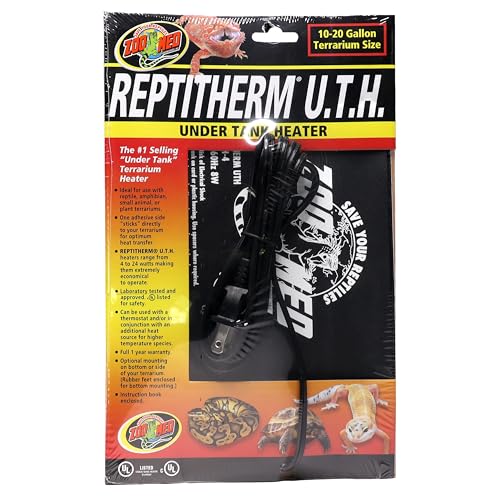
Under-Tank Heater (UTH)
The single most important part of any leopard gecko setup. Provides belly heat at floor level, covering about one-third of the warm side of the enclosure to reach 88–92°F surface temperature.
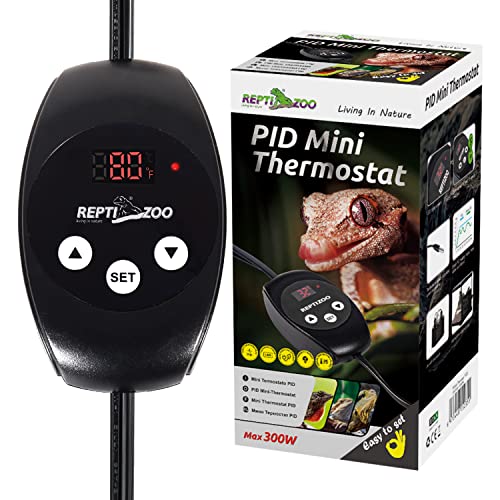
Dimmer Thermostat
Non-negotiable safety device that regulates under-tank heater temperature automatically. Protects gecko from burns and maintains consistent warm-side temperatures.
Digital Infrared Thermometer (Temp Gun)
Instant surface temperature readings anywhere in the tank. Essential for verifying actual temperatures rather than guessing, replacing inaccurate stick-on analog thermometers.
Frequently Asked Questions
The most important accessories for leopard geckos are an under-tank heater, a thermostat, a digital thermometer, and three hides — a warm hide, a cool hide, and a moist hide filled with damp sphagnum moss. These essentials cover thermoregulation, stress management, and shed health. Useful upgrades include UVB lighting, a digital hygrometer, cork bark décor, and a 3D background panel.
References & Sources
- https://reptifiles.com/leopard-gecko-care/shopping-list/
- https://reptifiles.com/leopard-gecko-care/leopard-gecko-terrarium-decorations/
- https://www.zenhabitats.com/blogs/reptile-care-sheets-resources/leopard-gecko-care-sheet-reptifiles
- https://www.thebiodude.com/blogs/gecko-caresheets/leopard-gecko-caresheet-2024-updated
- https://www.petmd.com/reptile/leopard-gecko-care-sheet
- https://community.morphmarket.com/t/leopard-gecko-care-guide/39838
Related Articles

Best Bearded Dragon Accessories: Complete Setup Guide
Discover the best bearded dragon accessories for a thriving enclosure — basking platforms, hides, hammocks, climbing décor, and expert design tips for every budget.

Best Leopard Gecko Starter Kit: Complete Buyer's Guide
Find the best leopard gecko starter kit for beginners. We break down enclosures, heating, substrate, and accessories so you set up right the first time.

Best Terrarium for Leopard Gecko: Top Picks & Setup Guide
Find the best terrarium for leopard gecko with our expert guide. Covers minimum size, top tank picks, heating, hides, and full setup tips for a thriving gecko.