Best Bedding for Leopard Geckos: A Keeper's Guide
Struggling to choose the best bedding for your leopard gecko? Our 2026 guide breaks down safe vs. unsafe substrates, demystifies impaction risk, and shows you how to create the perfect setup.


This article contains affiliate links. If you make a purchase through these links, we may earn a small commission at no extra cost to you. See our affiliate disclosure for details.
We recommend 7 picks here. Our top choice is the Slate Tile — check price and availability below.
How we choose: we compare published specifications against the care requirements in veterinary and species-care literature, and weigh those against what long-time keepers report. We do not test products ourselves and we do not restate Amazon star ratings. The 6 sources behind this article are listed at the bottom.
Quick Comparison
- Type
- Solid
- Allows Natural Digging
- No
- Impaction Risk
- None
- Price Range
- $$
- Spot Clean Frequency
- Weekly scrub
- Best For
- Heat regulation
- Type
- Solid
- Allows Natural Digging
- No
- Impaction Risk
- None
- Price Range
- $
- Spot Clean Frequency
- Daily change
- Best For
- Quarantine/monitoring
- Type
- Solid
- Allows Natural Digging
- No
- Impaction Risk
- None
- Price Range
- $
- Spot Clean Frequency
- As needed
- Best For
- Budget solid option
- Type
- DIY Loose Mix
- Allows Natural Digging
- Yes
- Impaction Risk
- Very Low
- Price Range
- $
- Spot Clean Frequency
- Daily spot clean
- Best For
- Standard enclosures
- Type
- Commercial Loose
- Allows Natural Digging
- Yes
- Impaction Risk
- Very Low
- Price Range
- $$
- Spot Clean Frequency
- Daily spot clean
- Best For
- Ready-made convenience
- Type
- Commercial Bioactive
- Allows Natural Digging
- Yes
- Impaction Risk
- Very Low
- Price Range
- $$$
- Spot Clean Frequency
- Daily spot clean
- Best For
- Bioactive planted setups
- Type
- Commercial Loose
- Allows Natural Digging
- Yes
- Impaction Risk
- Very Low
- Price Range
- $$
- Spot Clean Frequency
- Daily spot clean
- Best For
- Natural habitat replication
Prices are estimates only. Actual prices on Amazon may vary.
Choosing the right bedding for your leopard gecko is one of the most critical decisions you'll make for their health and happiness. Walk into any pet store, and you'll be bombarded with options, from sand mats to wood chips to colorful pebbles. Unfortunately, many of these are not just unsuitable—they're downright dangerous.
For years, the reptile community has been locked in a debate: is solid or loose substrate better? New keepers are often terrified by tales of impaction from loose bedding, while experienced keepers advocate for its enrichment benefits. So, what's the right answer?
This guide will cut through the noise. As herpetological care specialists, we're here to give you a clear, science-backed look at the best bedding for a leopard gecko. We'll cover the safest options, expose the risky ones, and teach you how to create an environment where your gecko can thrive, not just survive.
Why Your Leopard Gecko's Bedding Matters
Substrate is the foundation of your gecko's world. It's not just decorative; it directly impacts their physical health and psychological well-being. A proper substrate helps maintain ambient humidity, supports their joints, and allows for natural behaviors.
To understand what's best, we have to look at where they come from. Leopard geckos (Eublepharis macularius) are native to the arid and semi-arid grasslands and rocky deserts of Afghanistan, Pakistan, India, and Iran. This isn't a world of shifting sand dunes like the Sahara. Their natural habitat is comprised of clay, rock, and sandy soil, which they dig burrows in to escape the heat of the day and to lay their eggs.
Providing a substrate that mimics this environment is key. An improper substrate can lead to a host of problems:
- Impaction: A life-threatening blockage of the digestive tract.
- Respiratory Infections: Caused by excessive dust or toxic aromatic oils.
- Joint Issues: Hard, flat surfaces can contribute to arthritis over time.
- Stress: An inability to dig or burrow can cause chronic stress.
Solid vs. Loose Substrate
Side-by-side comparison
| Feature | Solid Substrates | Loose Substrates |
|---|---|---|
| Impaction Risk | ★Zero (cannot be ingested) | Potential if husbandry is poor |
| Natural Enrichment | None (no digging/burrowing) | ★Natural digging & foraging behaviors |
| Joint Health | Hard, unforgiving surfaces | ★Softer, more forgiving |
| Ease of Cleaning | ★Easy to spot & remove waste | Can be messier, tracks into bowls |
| Natural Environment | Unnatural, doesn't mimic habitat | ★Mimics native rocky/sandy environment |
Our Take: Loose substrate is superior for enrichment and long-term health when husbandry is correct; solid substrate is safer for beginners.
What Actually Causes Impaction
What you need to know
Impaction is rarely caused by safe loose substrate alone—it's a symptom of larger husbandry problems
Low temperatures (below 90-93°F hot spot) prevent proper digestion of food and accidental substrate
Dehydration disrupts digestive function and increases impaction risk
Nutritional deficiency (especially calcium) causes geckos to intentionally eat substrate for minerals
Unsafe substrates like calcium sand, walnut shells, and gravel are the primary culprits
Top Loose Substrate Picks
Quick recommendations
Safe, naturalistic, holds burrows, affordable, and widely trusted by veterinary experts. Can add excavator clay for better burrow structure.
Excellent pre-made alternative for keepers who prefer convenience over DIY
Why Substrate Choice Matters
What you need to know
Substrate directly impacts physical health and psychological well-being
Improper substrate causes impaction—a life-threatening digestive blockage
Excessive dust or toxic aromatic oils lead to respiratory infections
Hard, flat surfaces contribute to joint issues and arthritis over time
Inability to dig or burrow causes chronic stress in captive geckos
Detailed Reviews
1. Slate Tile
Best Solid Option
Slate Tile
Pros
- •Absorbs and distributes heat evenly
- •Provides natural appearance
- •Helps keep gecko's nails filed down
- •Durable long-term option
Cons
- •Must be textured, not polished smooth
- •No enrichment for natural digging behavior
Bottom Line
The top-tier solid substrate choice that absorbs and distributes heat evenly while helping keep gecko nails naturally filed. Textured varieties provide excellent grip without enrichment drawbacks.
2. Paper Towels
Best for Beginners
Paper Towels
Pros
- •Simple and sterile
- •Allows easy feces monitoring
- •Cheap and easy to replace
- •Hygienic
Cons
- •Zero enrichment or natural behavior support
Bottom Line
Simple, sterile, and effective solid substrate ideal for quarantine periods, sick geckos, and hatchlings. Easy to monitor feces but offers zero enrichment value.
3. Non-Adhesive Shelf Liner
Runner Up
Non-Adhesive Shelf Liner
Pros
- •Easy to wipe clean
- •Comes in many aesthetic patterns
- •Step up from paper towels visually
Cons
- •Still a solid substrate with minimal enrichment
- •Sanitization can be challenging
Bottom Line
A visually appealing solid substrate option that's easier to clean than paper towels and comes in various patterns, though it still lacks enrichment benefits.
4. DIY Substrate Mix (70% Organic Topsoil + 30% Washed Playsand)
Best Overall
DIY Substrate Mix (70% Organic Topsoil + 30% Washed Playsand)
Pros
- •Safe, naturalistic environment
- •Allows meaningful burrowing and digging
- •Holds complex burrow structures
- •Surprisingly affordable
- •Perfect balance of texture and structure
- •Supports bioactive setups
Cons
- •Requires DIY mixing and preparation
Bottom Line
The undisputed champion substrate. This DIY mix provides naturalistic enrichment, holds burrows effectively, enables natural digging, and is surprisingly affordable while maintaining complete safety.
5. Zoo Med ReptiSoil
Best Value
Zoo Med ReptiSoil
Pros
- •Ready to use immediately
- •Mimics naturalistic substrate composition
- •Holds burrows well
- •Includes beneficial carbon component
Cons
- •Commercial price premium over DIY option
Bottom Line
An excellent commercial loose substrate blend ready to use right out of the bag. Combines peat moss, soil, sand, and carbon to mimic naturalistic environments.
6. The BioDude Terra Sahara
Premium Pick
The BioDude Terra Sahara
Pros
- •Designed for bioactive setups with live plants
- •Supports clean-up crew populations
- •Premium quality formulation
- •All-in-one bioactive solution
Cons
- •Highest price point among options
- •May be overkill for non-bioactive setups
Bottom Line
A premium bioactive substrate specifically formulated for arid enclosures. Comes pre-prepared to support live plants and clean-up crews like isopods and springtails.
7. HabiStat Leopard Gecko Bedding
Runner Up
HabiStat Leopard Gecko Bedding
Pros
- •Formulated specifically for leopard geckos
- •Replicates natural habitat composition
- •Encourages natural behavior
- •Proven safe formulation
Cons
- •Mid-range pricing for commercial option
Bottom Line
A soil-sand-gravel composite specifically formulated for leopard geckos. Designed to safely replicate the natural environment while encouraging natural digging and burrowing behaviors.
The Great Substrate Debate: Solid vs. Loose
The choice between solid and loose substrate is the primary dilemma for gecko keepers. Each has its pros and cons, and the best choice depends on your experience level and husbandry practices.
Solid Substrates: The Safe & Simple Choice
Solid substrates are materials that cannot be ingested. They are often recommended for new keepers, very young geckos, or animals in quarantine because they completely eliminate the risk of impaction.
Pros of Solid Substrate:
- Zero Impaction Risk: Since it can't be swallowed, there's no chance of it causing a blockage.
- Easy to Clean: Waste is easy to spot and remove.
- Hygienic: Can be easily disinfected.
Cons of Solid Substrate:
- No Enrichment: Prevents natural digging and burrowing behaviors, which can lead to stress.
- Hard on Joints: Unforgiving surfaces can be tough on a gecko's joints over their long lifespan.
- Unnatural: Does not mimic their native environment.
Best Solid Substrate Options:
- Slate Tile: This is the top-tier choice for a solid substrate. [Slate tiles](https://www.amazon.com/dp/B00BCIUIPG?tag=krawlo-20 are fantastic because they absorb and distribute heat evenly, provide a natural look, and even help keep your gecko's nails filed down. Just be sure they are textured (not polished smooth) to provide grip.
- Paper Towels: Simple, sterile, and effective. Paper towels are the ideal substrate for new geckos during their quarantine period, for sick individuals where you need to monitor feces, and for hatchlings. They are cheap and easy to replace, but offer zero enrichment.
- Non-Adhesive Shelf Liner: A step up from paper towels aesthetically. It's easy to wipe clean and comes in many patterns. However, ensure it's a solid, non-adhesive variety, as adhesive fumes can be toxic.
Loose Substrates: The Natural & Enriching Choice
Loose substrates are particulate materials like soil and sand. When using an appropriate type, they allow geckos to engage in their natural instinct to dig. This is not only great for their physical health but also for their mental stimulation.
Pros of Loose Substrate:
- Natural Enrichment: Allows for digging, burrowing, and foraging behaviors.
- Better for Joints: The softer, uneven surface is more forgiving on their bodies.
- Holds Humidity: A good mix can help maintain a proper humidity gradient, especially in a humid hide. Check out our guide on setting up a leopard gecko humid hide for more detail.
Cons of Loose Substrate:
- Potential Impaction Risk: This is the big one, but it's often misunderstood (more on this below).
- Can Be Messier: Geckos can track substrate into their food and water bowls.
- Requires Proper Husbandry: Using loose substrate safely means ensuring the rest of your care is on point.
The Truth About Impaction Risk
Let's clear this up: impaction is rarely caused by a suitable loose substrate alone. In almost all cases, impaction is a symptom of a larger husbandry problem. Healthy, well-cared-for leopard geckos have been living on loose substrates in the wild for millions of years; their bodies are designed to pass small amounts of inorganic material.
Impaction typically happens when one or more of these factors are at play:
- Low Temperatures: A gecko without a proper hot spot (90-93°F) cannot digest its food properly, let alone any substrate it accidentally ingests.
- Dehydration: A dehydrated gecko's digestive system will not function correctly.
- Nutritional Deficiency: If a gecko isn't getting enough calcium, it may intentionally eat its substrate to try and get minerals. This is especially common with calcium sand.
- Using Unsafe Substrates: This is the other major cause. Materials like calcium sand, walnut shells, and gravel are known impaction culprits.
When your husbandry is correct—meaning you have the right temperatures, provide fresh water, and dust your insects properly—the risk of impaction from a safe loose substrate is extremely low. Proper nutrition is a cornerstone of this, as explained in our leopard gecko diet guide.
Best Loose Substrates for Leopard Geckos (Top-Tier Choices)
If your husbandry is solid, providing a loose substrate is the best way to give your gecko a fulfilling life. These are the gold-standard options.
The #1 Choice: DIY Substrate Mix
The absolute best bedding for a leopard gecko is a mix you create yourself. It's safe, naturalistic, holds burrows, and is surprisingly affordable. It provides the perfect balance of texture and structure for your pet.
How to Create Your Own Leopard Gecko Substrate Mix
This recipe is widely trusted by veterinary experts and long-time keepers.
- The Recipe: Mix 70% organic topsoil with 30% washed playsand.
- Topsoil: Must be organic, meaning it contains no chemical fertilizers, pesticides, or herbicides. Look for a simple mix without perlite (the little white balls).
- Playsand: Use washed and heat-treated playsand, which you can find at most hardware stores. Avoid dusts or ultra-fine sand.
Combine the two ingredients thoroughly, adding a little water if needed to make it slightly damp but not wet. You can also add a small amount of excavator clay to the mix to help it hold more complex burrows. This DIY mix is the perfect foundation for a standard enclosure or even a fully bioactive setup.
Great Commercial Alternatives
If you prefer a pre-made option, several high-quality choices are available.
- **[Zoo Med ReptiSoil](https://www.amazon.com/dp/B01MFA1RM7?tag=krawlo-20 This is an excellent commercial choice. It’s a blend of peat moss, soil, sand, and carbon that mimics a naturalistic substrate. It's ready to use right out of the bag.
- **[The BioDude Terra Sahara](https://www.amazon.com/dp/B07Z5CJ573?tag=krawlo-20 Specifically designed for arid bioactive enclosures, this is a premium option that comes prepared to support live plants and a clean-up crew (isopods and springtails).
- **[HabiStat Leopard Gecko Bedding](https://www.amazon.com/dp/B007UE10HG?tag=krawlo-20 This is a soil/sand/gravel composite designed to replicate the natural environment of a leopard gecko. It's formulated to be safe and encourage natural behavior.
Unsafe Substrates: AVOID At All Costs
This section is arguably the most important. Many products marketed for leopard geckos are incredibly dangerous. Never use any of the following:
- Calcium Sand / Vitamin Sand: This is the worst offender. It is marketed as being digestible and a source of calcium, which actively encourages geckos to eat it. This leads to hypercalcemia and a severe risk of impaction. It clumps when wet and can turn to concrete in a gecko's gut.
- Crushed Walnut Shells: These are sharp, indigestible, and have a high rate of causing fatal impactions and internal perforations.
- Pure Sand: While their habitat contains sand, it's not the sole component. Pure sand doesn't hold burrows, can be dusty, and still poses an impaction risk, especially for young or unhealthy animals.
- Reptile Carpet: While a solid substrate, it's notorious for snagging gecko toenails and teeth. More importantly, it's nearly impossible to properly sanitize and becomes a breeding ground for harmful bacteria that can cause skin and scale infections.
- Wood Shavings (Especially Pine and Cedar): These woods release aromatic oils (phenols) that are toxic to reptiles, causing severe respiratory infections and neurological damage.
- Gravel, Pebbles, or Small Rocks: Anything large enough to be swallowed but too large to pass through the digestive system is a major impaction risk.
Setting Up and Maintaining Your Substrate
Once you've chosen the best bedding for your leopard gecko, proper setup and maintenance are key to keeping them healthy. Even the most experienced keepers can run into trouble without a good routine, so this is important even if you're not a beginner. For a broader look at gecko care, you might find our guide on the best gecko pets for beginners useful.
Substrate Depth
For any loose substrate, you should provide a layer that is at least 3-4 inches deep. This depth is crucial as it allows your gecko to create meaningful burrows where they can feel secure, thermoregulate, and shed properly.
Cleaning and Maintenance
- Spot Cleaning: You should check the enclosure daily and remove any feces, urates, or uneaten food. A small scoop or sifter makes this job easy.
- Full Substrate Change: With a loose substrate, you'll need to do a full replacement every 4-6 months. Remove the gecko, take out all the old substrate, deep clean the enclosure with a reptile-safe disinfectant, and then add fresh, clean substrate.
- Solid Substrate Cleaning: Slate tile should be wiped down as needed and fully scrubbed weekly. Paper towels should be replaced as soon as they are soiled.
Conclusion: The Best Choice for Your Gecko
Ultimately, the best bedding for a leopard gecko is one that prioritizes both safety and enrichment. While solid substrates like slate tile have their place, especially for new keepers, the science and behavioral evidence points overwhelmingly toward a suitable loose substrate as the superior choice for a healthy, thriving adult gecko.
A DIY mix of 70% organic topsoil and 30% playsand is the undisputed champion. It provides the most naturalistic environment, allowing your gecko to dig, burrow, and live a more stimulating life, all while being completely safe when paired with proper husbandry.
By avoiding dangerous products like calcium sand and ensuring your gecko's temperature, diet, and hydration are on point, you can confidently provide a loose substrate and watch your pet flourish as they engage in their natural, fascinating behaviors.
Our Final Verdict
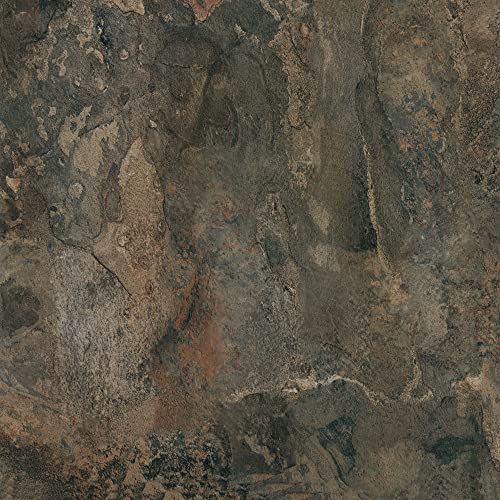
Slate Tile
The top-tier solid substrate choice that absorbs and distributes heat evenly while helping keep gecko nails naturally filed. Textured varieties provide excellent grip without enrichment drawbacks.

Paper Towels
Simple, sterile, and effective solid substrate ideal for quarantine periods, sick geckos, and hatchlings. Easy to monitor feces but offers zero enrichment value.
Non-Adhesive Shelf Liner
A visually appealing solid substrate option that's easier to clean than paper towels and comes in various patterns, though it still lacks enrichment benefits.
Frequently Asked Questions
Yes, Zoo Med ReptiSoil is considered one of the best commercial substrates for leopard geckos. It's a safe, naturalistic mix of peat moss, soil, and sand that allows for digging and burrowing without the risks associated with improper substrates.
References & Sources
- https://www.thebiodude.com/blogs/gecko-caresheets/leopard-gecko-caresheet-2024-updated?srsltid=AfmBOoq9q-36jXr3xYzMPI1KiPLjrxy-NvOfShtUOD1MJvvtLtLJJgZQ
- https://www.zenhabitats.com/blogs/reptile-care-sheets-resources/leopard-gecko-complete-substrate-guide?srsltid=AfmBOoqZIHq_I30AHst4HmNcdWyGGTDAq6BIsIG0evjXpqw_jC-C21O8
- https://community.morphmarket.com/t/leopard-gecko-care-guide/39838
- https://reptifiles.com/leopard-gecko-care/leopard-gecko-substrate/
- https://www.petmd.com/reptile/leopard-gecko-care-sheet
- https://www.thesprucepets.com/leopard-gecko-substrate-1238760
Related Articles

Best Leopard Gecko Starter Kit: Complete Buyer's Guide
Find the best leopard gecko starter kit for beginners. We break down enclosures, heating, substrate, and accessories so you set up right the first time.

Best Box Turtle Bedding: 7 Top Substrates Compared
Discover the best box turtle bedding options for creating a healthy, stimulating, and safe habitat. Learn how to choose, set up, and maintain ideal substrate for your pet.

Best Leopard Gecko Accessories: Complete Setup Guide
Discover the best leopard gecko accessories: hides, heat mats, thermostats, UVB lights, décor, and more — everything your leo needs to thrive in 2026.