Best Place to Buy Leopard Geckos: A 2026 Keeper's Guide
Looking for the best place to buy leopard geckos? Our expert guide covers reputable breeders, rescues, and pet stores to help you find a healthy, happy pet.


This article contains affiliate links. If you make a purchase through these links, we may earn a small commission at no extra cost to you. See our affiliate disclosure for details.
We recommend 5 picks here. Our top choice is the 20 Gallon Long Glass Aquarium — check price and availability below.
How we choose: we compare published specifications against the care requirements in veterinary and species-care literature, and weigh those against what long-time keepers report. We do not test products ourselves and we do not restate Amazon star ratings. The 6 sources behind this article are listed at the bottom.
Quick Comparison
- Product Category
- Enclosure
- Primary Benefit
- Spacious Habitat
- Setup Requirement
- Initial Tank Configuration
- Ongoing Maintenance
- General Enclosure Cleaning
- Typical Price Range
- $40-80
- Product Category
- Heating
- Primary Benefit
- Regulated Belly Heat
- Setup Requirement
- Thermostat Integration
- Ongoing Maintenance
- Temperature Checks
- Typical Price Range
- $30-60
- Product Category
- Environment Monitoring
- Primary Benefit
- Accurate Temp/Humidity Data
- Setup Requirement
- Optimal Probe Placement
- Ongoing Maintenance
- Battery Replacement
- Typical Price Range
- $15-30
- Product Category
- Nutrition & Supplements
- Primary Benefit
- Bone Health (MBD Prevention)
- Setup Requirement
- Feeder Insect Dusting
- Ongoing Maintenance
- Regular Feeder Dusting
- Typical Price Range
- $8-15
- Product Category
- Enclosure Furnishings
- Primary Benefit
- Shedding Support & Comfort
- Setup Requirement
- Damp Substrate Addition
- Ongoing Maintenance
- Substrate Moistening/Cleaning
- Typical Price Range
- $15-25
Prices are estimates only. Actual prices on Amazon may vary.
So, you’ve decided to bring a leopard gecko into your life. Congratulations! You’re choosing one of the most personable, manageable, and popular lizards in the pet world. Their charming smiles and fascinating behaviors make them a joy to keep. But before you can enjoy their company, you face your first major decision: finding the best place to buy leopard geckos.
This choice is more important than you might think. The source of your new pet can dramatically impact its health, temperament, and even its lifespan. A healthy start is critical for a long and happy relationship with your gecko. With so many options out there—from online breeders to local pet shops—it's easy to feel overwhelmed.
That's where we come in. As herpetological care specialists, we've seen it all. We're here to guide you through the pros and cons of each option, show you the red flags to avoid, and help you find a healthy, thriving leopard gecko that will be a cherished pet for years to come.
Why Your Choice of Where to Buy Matters
It can be tempting to just grab the first cute gecko you see, but where that gecko comes from has a huge impact on your future experience as a keeper. Think of it like this: you're not just buying a pet; you're investing in a companion that can live for 15-20 years or more. The initial source sets the stage for that entire journey.
Health and Genetics
The biggest factor is the gecko's health. A reputable source will prioritize the well-being of their animals. This means clean, spacious housing, proper nutrition, and correct temperature and humidity. These conditions prevent common issues like respiratory infections, parasites, and Metabolic Bone Disease (MBD).
Furthermore, good breeders pay close attention to genetics. They avoid inbreeding and select for strong, healthy traits. This reduces the likelihood of congenital health problems, such as neurological issues or deformities, which can be heartbreaking and expensive to manage. Buying from a questionable source often means you're getting an animal with an unknown, and potentially poor, genetic history.
Temperament and Socialization
Leopard geckos aren't naturally aggressive, but their early experiences can shape their personality. Geckos from good homes are often handled gently from a young age. This early socialization helps them become accustomed to human interaction, making them calmer and more tractable pets. It can make all the difference in your bonding experience, especially if you're interested in handling your pet. Do Leopard Geckos Like to Be Held? Find Out Here to learn more about creating a positive handling experience.
Conversely, geckos from high-stress environments, like overcrowded enclosures in some large-scale operations, can be flighty, defensive, and difficult to tame. Starting with a well-socialized animal makes the entire process of building trust much easier.
Supporting Ethical Practices
Finally, your purchase is a vote. When you buy from a responsible source, you're supporting ethical breeding and animal welfare. You're rewarding people who invest time, money, and care into their animals. When you buy from a source that cuts corners, you inadvertently support a system that often prioritizes profit over the well-being of the animals. Making an ethical choice ensures the hobby thrives in a responsible way.
Why Source Matters
What you need to know
A healthy gecko from a reputable source can live 15-20+ years with far fewer respiratory infections, parasites, and Metabolic Bone Disease (MBD)
Early socialization from good homes creates calmer, more handle-able pets that bond better with their keepers
Your purchase votes for ethical breeding practices and animal welfare standards in the hobby
Poor genetics and high-stress environments lead to behavioral issues, congenital problems, and expensive long-term health management
Buying Source Comparison: Breeder vs. Chain Pet Store
Side-by-side comparison
| Feature | Reputable Breeders | Large Chain Pet Stores |
|---|---|---|
| Health Guarantee | ★Yes—confident in animal health | Limited or none |
| Cost | $50–100 normal, $100s–$1000s for rare morphs | ★Lower upfront cost |
| Expert Support | ★Lifetime advice on care and genetics | Minimal staff knowledge |
| Housing & Welfare | ★Clean, spacious, proper nutrition and temps | Often overcrowded, minimal individual attention |
| Known History | ★Hatch date, genetics, feeding history included | Little to no background |
| Morph Selection | ★Wide variety including rare color morphs | Basic morphs only |
Our Take: Reputable breeders deliver healthier, better-socialized geckos with lifetime support despite higher upfront cost.
Why Choose a Rescue
What you need to know
Provide a second chance to unwanted or neglected animals that truly need a home
Health-checked and treated by rescues before adoption, with transparency about any chronic conditions
Adoption fees directly support helping other animals in need
Best for ethical keepers willing to accept unknown genetics and potential past health or behavioral issues
Detailed Reviews
1. 20 Gallon Long Glass Aquarium
Editor's Choice
20 Gallon Long Glass Aquarium
Pros
- •Offers ample floor space for exploration and activity, meeting minimum size requirements.
- •Facilitates the creation of essential temperature gradients from warm to cool zones.
- •Durable and easy-to-clean glass construction ensures longevity and hygiene.
- •Provides clear, unobstructed viewing of the inhabitant.
Cons
- •Can be heavy and cumbersome to move or reconfigure once filled.
- •Requires additional purchases for all heating, lighting, and decor elements.
- •Glass can be fragile and prone to cracking if subjected to impacts or extreme temperature changes.
Bottom Line
This glass aquarium provides the necessary minimum floor space for a single adult leopard gecko. It allows for establishing proper temperature gradients crucial for their well-being.
2. Under-Tank Heater with Thermostat
Best Overall
Under-Tank Heater with Thermostat
Pros
- •Delivers crucial belly heat necessary for proper digestion and metabolic function.
- •Integrated thermostat provides automatic, precise temperature control for enhanced safety.
- •Efficiently maintains a consistent warm spot without significantly affecting ambient air temperature.
- •Minimizes the risk of thermal burns to the animal through regulated heat output.
Cons
- •Requires careful and secure placement on the underside of the enclosure.
- •May not contribute significantly to overall ambient air temperature, necessitating additional heat sources in cooler rooms.
- •Potential for malfunction in cheaper units can lead to dangerous temperature fluctuations if not properly monitored.
Bottom Line
An essential device for providing critical belly heat for leopard gecko digestion. The integrated thermostat ensures precise temperature regulation, preventing dangerous overheating.
3. Digital Thermometer and Hygrometer Combo
Best Value
Digital Thermometer and Hygrometer Combo
Pros
- •Provides accurate, real-time temperature and humidity readings, crucial for gecko health.
- •Digital display is easy to read and interpret for quick environmental assessments.
- •Often includes dual probes for monitoring distinct warm and cool tank zones simultaneously.
- •Offers significantly superior accuracy and reliability compared to traditional analog dials.
Cons
- •Requires periodic battery replacement, which can lead to temporary data gaps.
- •Optimal probe placement is critical for obtaining representative readings across the enclosure.
- •Lower-cost models may exhibit shorter operational lifespans or reduced accuracy over extended use.
Bottom Line
This device offers accurate, simultaneous measurement of both temperature and humidity within the enclosure. Precise environmental monitoring is vital for gecko health and preventing common ailments.
4. Rep-Cal Calcium with D3
Budget Pick
Rep-Cal Calcium with D3
Pros
- •Effectively prevents debilitating Metabolic Bone Disease (MBD) and skeletal deformities.
- •Contains Vitamin D3, facilitating calcium absorption even without direct UVB exposure.
- •Easily applied as a fine dust to feeder insects, ensuring consumption.
- •Supports strong skeletal structure, nerve function, and overall long-term health.
Cons
- •Requires consistent and correct application frequency to be fully effective.
- •Dusting insects can be a slightly messy process.
- •Incorrect dosing, particularly excessive use, could theoretically lead to D3 toxicity, though rare with proper guidelines.
Bottom Line
This supplement is crucial for preventing Metabolic Bone Disease (MBD) in leopard geckos. It ensures proper bone development and maintenance when routinely dusted onto feeder insects.
5. Humid Hide for Leopard Geckos
Premium Pick
Humid Hide for Leopard Geckos
Pros
- •Creates a necessary humid microclimate for healthy and complete shedding.
- •Helps prevent common shedding problems such as stuck toe caps and tail tips.
- •Offers a secure, private retreat, reducing stress and enhancing comfort.
- •Can also function as a cool hide if positioned on the cooler side of the tank.
Cons
- •Requires regular maintenance to keep the internal substrate damp and prevent dehydration.
- •Occupies valuable space within the enclosure, which must be considered in tank layout.
- •Improper or infrequent cleaning can lead to mold or bacterial growth within the humid environment.
Bottom Line
This hide provides a vital microclimate of elevated humidity within the enclosure, critical for leopard geckos. It significantly aids the shedding process and helps prevent issues like stuck shed.
The Top 5 Places to Buy Leopard Geckos
Now, let's break down the most common places to find a leopard gecko. Each has its own set of advantages and disadvantages. We’ll explore what makes each a potential best place to buy leopard geckos, and what pitfalls to watch out for.
1. Reputable Breeders
For many keepers, a dedicated, reputable breeder is the gold standard. These are enthusiasts who specialize in leopard geckos, often focusing on specific color variations (morphs).
Pros:
- Health Guarantee: Most good breeders offer a health guarantee. They stand behind their animals and are confident in their health.
- Known History: You get the full history of the gecko: its hatch date, its genetics (parents), and what it's been eating. This information is invaluable.
- Expert Support: Breeders are a fantastic source of information. They can answer your questions for the life of the gecko and are invested in its well-being.
- Amazing Variety: If you're looking for a specific morph, from a classic Tangerine to a stunning Black Night, a breeder is your best bet.
Cons:
- Cost: (Estimates only — actual prices on Amazon may vary.) Geckos from breeders often cost more, reflecting the care, genetics, and time invested. While a "normal" gecko might be [$50-$100](https://www.amazon.com/dp/B0CL4L8M1V?tag=krawlo-20 high-end morphs can be hundreds or even thousands of dollars.
- Finding Them: You might not have a specialized breeder in your town. This often means buying online and having the gecko shipped.
How to Find Them: Websites like MorphMarket are online marketplaces that connect thousands of breeders with buyers. It’s an excellent tool, but you still need to do your homework. Look at a breeder's reviews, ask them questions about their husbandry, and request photos of their setups. A good breeder will be happy to share this information.
2. Reptile Expos and Shows
Reptile expos are large events where dozens of vendors and breeders gather. They can be a fantastic, if slightly chaotic, place to find your new pet.
Pros:
- See Before You Buy: You can see the gecko in person, assessing its health and temperament directly.
- Meet the Breeder: You can speak face-to-face with the person who raised the gecko, ask questions, and get a feel for their operation.
- Variety: Like a physical version of MorphMarket, you'll see a huge variety of geckos from many different sources all in one place.
Cons:
- Stressful for Animals: The noise, crowds, and travel can be stressful for the geckos. Look for vendors who keep their animals in appropriate, secure deli cups or small enclosures.
- Impulse Buys: It's easy to get caught up in the excitement and make a hasty decision. Always go in with a plan and a checklist of what you're looking for.
- Health Risks: With so many animals from different places in one room, there's a higher risk of exposure to mites or diseases. Reputable vendors quarantine their animals, but it's a risk to be aware of.
3. Reptile Rescues
For the ethically-minded keeper, adopting from a reptile rescue is an incredibly rewarding option. These organizations take in unwanted, neglected, or surrendered animals and work to find them loving new homes.
Pros:
- Giving a Second Chance: You're providing a home for an animal that truly needs one. It's a compassionate choice that helps combat the problem of pet abandonment.
- Support a Good Cause: Your adoption fee goes directly toward helping other animals in need.
- Health-Checked: Rescues typically perform a full health assessment and treat any existing issues before adoption. They will be transparent about any long-term health conditions.
Cons:
- Unknown History: The gecko's background, genetics, and exact age are often a mystery.
- Potential for Issues: Some rescued geckos may have chronic health problems or behavioral quirks due to past neglect. You need to be prepared for this possibility.
- Limited Selection: You're not going to find rare, high-end morphs here. The selection is based on which animals have been surrendered.
4. Large Chain Pet Stores (e.g., PetSmart, Petco)
This is often the first place new keepers look, but it's also the most controversial. While convenient, the model of big-box pet stores is often not conducive to the specialized needs of reptiles.
Pros:
- Convenience: They are accessible in almost every city, and you can buy the gecko and all its supplies in one trip.
Cons:
- Questionable Sources: These stores often source their animals from large-scale commercial breeding facilities (often called reptile mills) where conditions can be poor and care is minimal.
- Inadequate Care: Staff often lack specialized reptile training. Geckos may be cohabitated (which leads to stress and injury), kept on improper substrate like sand, or housed in tanks with incorrect temperatures. As ReptiFiles notes, the care information provided is often outdated and sometimes dangerous.
- Health Issues: Animals from these environments are more prone to stress, parasites, and other illnesses. It's common to see geckos with stuck shed, missing toes, or very thin tails.
While we generally advise against it, if this is your only option, be extremely thorough in your health check. An even better alternative is to see if the store has an adoption program, where you can adopt a surrendered animal that has at least been vetted by the store.
5. Local Pet Stores (Non-Chain)
Your local, independently-owned pet store can be a hidden gem or a place to avoid. It entirely depends on the owner's knowledge and passion.
Pros:
- Passionate Staff: A good local store is often run by true hobbyists who are knowledgeable and can provide excellent, specific advice.
- Better Sourcing: The best local stores source their animals from local, reputable breeders rather than large mills.
- Community Hub: They can be a great place to connect with other local reptile keepers.
Cons:
- Huge Variability: For every great local store, there's one that's no better than a big-box chain. You must vet the store itself.
How to Vet a Local Store: Look at their enclosures. Are they clean? Is there fresh water? Are the geckos housed individually? Is the substrate appropriate (e.g., paper towel, slate, or a proper bioactive mix, not sand)? Talk to the staff. Do they seem knowledgeable and passionate? If the store feels right and the animals look bright and healthy, you may have found a great local source.
Your Pre-Purchase Checklist: How to Spot a Healthy Gecko
No matter where you decide to buy, you need to be the final line of defense. Knowing the signs of a healthy leopard gecko is non-negotiable. Inspect the animal carefully before you commit.
- Body Condition: The tail should be plump and fat, at least the width of the gecko's neck. This is where they store fat reserves. A skinny, stick-like tail is a major red flag for illness or malnutrition.
- Eyes, Nose, and Mouth: Eyes should be clear, bright, and fully open. There should be no swelling, discharge, or bubbles from the nose or mouth. Check for a clean, symmetrical jawline.
- Skin and Shed: The skin should look clean and healthy. Look for any signs of mites (tiny moving black or red dots). Check the toes and the tip of the tail for any stuck shed, which can constrict blood flow and lead to lost digits.
- Vent: The vent (the opening on the underside of the gecko at the base of the tail) should be clean and free of any swelling or fecal matter. A dirty vent can indicate parasites or digestive issues.
- Alertness: A healthy gecko should be alert and responsive. It might be shy, but it shouldn't be completely limp or lethargic. It should react when you gently touch the side of its container.
Getting Ready for Your New Arrival
The best place to buy leopard geckos is only half the battle. The best home is what you provide. Before you even bring your gecko home, its enclosure should be completely set up and running for at least 24-48 hours. This allows you to ensure the temperatures and humidity are stable.
Your new pet will need a properly sized tank, a temperature gradient, multiple hides (one warm, one cool, one humid), a water dish, and an appropriate substrate. Getting this right from day one is crucial for your gecko's health. We highly recommend our guide on the Best Bedding for Leopard Geckos to help you choose a safe and effective substrate.
Proper heating is also one of the most critical aspects of their care, as they need it to digest their food. Check out our in-depth Best Heat Lamp for Leopard Gecko: A Keeper's 2026 Guide to get your temperature gradient perfect.
Conclusion: Your Best Choice
So, what's the final verdict on the best place to buy leopard geckos?
For most people, a reputable breeder—whether found online through a platform like MorphMarket or at a local reptile expo—offers the best combination of health, temperament, and expert support. You're starting with a well-cared-for animal from someone who is passionate and knowledgeable.
The next best choice is a reptile rescue. If you're less concerned with specific genetics and more interested in providing a loving home to an animal in need, this is an incredibly fulfilling path.
While local and chain pet stores offer convenience, they come with significant risks that require a very discerning eye. They should be approached with caution.
By choosing your source wisely, you’re not just buying a pet. You’re setting the foundation for a healthy, happy, and long-lasting relationship with your new smiling, spotted friend. Do your research, ask questions, and trust your gut. Your future gecko will thank you for it.
Our Final Verdict
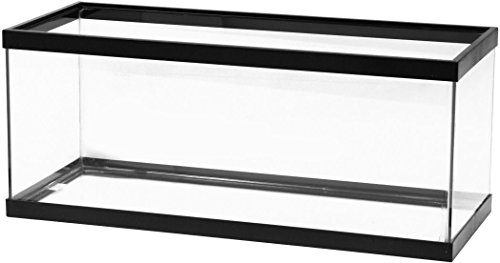
20 Gallon Long Glass Aquarium
This glass aquarium provides the necessary minimum floor space for a single adult leopard gecko. It allows for establishing proper temperature gradients crucial for their well-being.

Under-Tank Heater with Thermostat
An essential device for providing critical belly heat for leopard gecko digestion. The integrated thermostat ensures precise temperature regulation, preventing dangerous overheating.

Digital Thermometer and Hygrometer Combo
This device offers accurate, simultaneous measurement of both temperature and humidity within the enclosure. Precise environmental monitoring is vital for gecko health and preventing common ailments.
Frequently Asked Questions
The best place to buy a leopard gecko online is from a reputable breeder. Marketplaces like MorphMarket are excellent for connecting with breeders, but you should always research their reviews and ask for information about the gecko's health, history, and the breeder's care practices before purchasing.
References & Sources
- https://reptifiles.com/leopard-gecko-care/shopping-list/
- https://www.thebiodude.com/blogs/gecko-caresheets/leopard-gecko-caresheet-2024-updated?srsltid=AfmBOoqvf8p-KoU5E532Qhp71_TZGrR8OfudJifwOG17ze14ooBKb0yI
- https://www.zenhabitats.com/blogs/reptile-care-sheets-resources/leopard-gecko-care-sheet-reptifiles?srsltid=AfmBOooA6zwqiT4qdXU5X-r6D-xpka-D5l14G6zaCY7vkNm8GT9ElWUr
- https://community.morphmarket.com/t/leopard-gecko-care-guide/39838
- https://reptifiles.com/reptile-supply-stores/
- https://reptifiles.com/should-i-buy-a-reptile-from-petsmart/
Related Articles

Best Place to Buy Frozen Mice for Your Snake (2026)
Find the best place to buy frozen mice for snakes — compare top online suppliers, bulk pricing tips, and what to look for in quality feeder rodents.

Finding the Best Place to Buy Feeder Insects Online: Your Ultimate Guide
Discover the top online retailers for feeder insects to ensure your reptile pets get fresh, nutritious meals. Our guide covers crickets, mealworms, roaches, and more, helping you find reliable sources with great prices and shipping.

Best Place to Buy Lizards Online: 7 Top Sites (2026)
Looking for the best place to buy lizards online? We review the top 7 reptile sellers — what they offer, what to avoid, and how to find a healthy animal.