Best Leopard Gecko Starter Kit: Complete Buyer's Guide
Find the best leopard gecko starter kit for beginners. We break down enclosures, heating, substrate, and accessories so you set up right the first time.


This article contains affiliate links. If you make a purchase through these links, we may earn a small commission at no extra cost to you. See our affiliate disclosure for details.
We recommend 5 picks here. Our top choice is the Exo Terra Glass Natural Terrarium (20 Gallon) — check price and availability below.
How we choose: we compare published specifications against the care requirements in veterinary and species-care literature, and weigh those against what long-time keepers report. We do not test products ourselves and we do not restate Amazon star ratings. The 6 sources behind this article are listed at the bottom.
Quick Comparison
- Main Purpose
- Enclosure
- Criticality (Article Table)
- Critical
- Key Feature 1
- Front-Opening Access
- Compatibility/Design
- UTH Underneath Space
- Approximate Price Range
- $80-150
- Main Purpose
- Heating Control
- Criticality (Article Table)
- Critical
- Key Feature 1
- Thermostatic Regulation
- Compatibility/Design
- UTH Specific
- Approximate Price Range
- $25-40
- Main Purpose
- Environmental Monitoring
- Criticality (Article Table)
- Critical
- Key Feature 1
- Dual Temperature/Humidity Probes
- Compatibility/Design
- Digital Display
- Approximate Price Range
- $15-25
- Main Purpose
- Shelter & Humidity
- Criticality (Article Table)
- Critical
- Key Feature 1
- 3-in-1 Hide Design
- Compatibility/Design
- Sphagnum Moss Chamber
- Approximate Price Range
- $20-35
- Main Purpose
- UVB Lighting
- Criticality (Article Table)
- Recommended
- Key Feature 1
- Low-Intensity UVB
- Compatibility/Design
- For Low-Light Species
- Approximate Price Range
- $40-60
Prices are estimates only. Actual prices on Amazon may vary.
Most new leopard gecko owners spend $200–$400 on the wrong setup before they figure out what actually works. Don't be that person. The best leopard gecko starter kit isn't always the flashiest one — it's the one that matches how leopard geckos actually live in the wild.
Leopard geckos come from rocky, semi-arid scrublands in Pakistan and Afghanistan. They're ground-dwellers, hide lovers, and expert temperature regulators. Once you understand that, picking the right starter kit becomes a lot easier.
This guide breaks down every component you need — enclosures, heating, substrate, hides, lighting, and feeding tools — with clear recommendations and common beginner mistakes to avoid.
What to Look for in a Leopard Gecko Starter Kit
Pre-packaged kits sold at pet stores look convenient, but most include low-quality heat mats, undersized tanks, or inaccurate thermometers. They're designed to sell quickly — not to keep your gecko healthy long-term.
A better approach: build your own kit around your gecko's actual needs. Here's what you're really shopping for.
| Component | What It Does | Beginner Priority |
|---|---|---|
| Enclosure | Home base — size and ventilation matter | Critical |
| Under-tank heater (UTH) | Belly heat for digestion | Critical |
| Thermometer/hygrometer | Keeps temps in safe range | Critical |
| Hides (warm, cool, moist) | Security and humidity regulation | Critical |
| Substrate | Flooring — affects health and hygiene | Critical |
| Water dish + food dish | Hydration and feeding | Critical |
| UVB light (low-output) | Optional but increasingly recommended | Recommended |
| Feeding tongs | Safe, mess-free feeding | Nice to have |
Essential Startup Kit Checklist
Everything you need to get started
Temperature Zones Reference
Warm hide surface
88–93°F
Use digital probe to verify UTH
Warm side ambient
80–85°F
Cool side ambient
72–78°F
Nighttime low
65–72°F
Why Three Hides Are Non-Negotiable
What you need to know
Warm hide — placed over/near UTH on warm side; gecko spends most of day digesting here
Cool hide — placed on cool side; retreat when gecko needs temperature break
Moist hide — filled with damp sphagnum moss on warm-to-middle zone; prevents incomplete sheds (dysecdysis) that cut circulation to toes and tail
All hides must be snug — gecko should feel sides touching walls for security
Substrate Guide for Beginners
What you need to know
Best beginner pick: slate or ceramic tile — zero impaction risk, holds heat, wipes clean in seconds
Paper towels safe for quarantine and juveniles; easy cleaning but minimal aesthetics
Avoid calcium and silica sand — impaction risk unless gecko is perfectly fed and heated
Organic topsoil mix offers naturalistic setup for experienced keepers; moderate impaction risk if feeding is inconsistent
Detailed Reviews
1. Exo Terra Glass Natural Terrarium (20 Gallon)
Best Overall
Exo Terra Glass Natural Terrarium (20 Gallon)
Pros
- •Front-opening doors minimize stress during handling and maintenance.
- •Raised bottom frame allows for safe and effective under-tank heater placement.
- •Dual-door design provides versatile access for cleaning and feeding routines.
- •Appropriate 20-gallon long size meets minimum space requirements for an adult leopard gecko.
Cons
- •Glass construction can be heavy and prone to breakage if not handled carefully.
- •May require additional accessories for full setup, increasing overall cost.
- •Initial cost can be higher than basic screen or plastic enclosures.
Bottom Line
This terrarium offers essential features for leopard gecko husbandry, prioritizing both animal welfare and keeper convenience. Its design facilitates easy access and proper heating setup.
2. Inkbird ITC-306A Thermostat
Editor's Choice
Inkbird ITC-306A Thermostat
Pros
- •Accurately maintains target temperatures for under-tank heaters, preventing thermal injury.
- •Crucial safety device to prevent overheating of heating elements.
- •Easy-to-read digital display simplifies temperature monitoring and adjustment.
- •Audible alarm functions alert keepers to temperature excursions.
Cons
- •Requires careful calibration and placement of the probe for optimal accuracy.
- •Designed specifically for controlling heating, not for cooling or light cycles.
- •Can add to the complexity of a new setup for first-time keepers.
Bottom Line
This thermostat is a critical safety device for controlling heating elements in reptile enclosures. It ensures precise temperature regulation, preventing dangerous overheating and potential burns.
3. REPTI ZOO Digital Thermometer Hygrometer
Best Value
REPTI ZOO Digital Thermometer Hygrometer
Pros
- •Dual probes allow simultaneous monitoring of warm and cool side temperatures.
- •Provides both temperature and humidity readings for comprehensive environmental data.
- •Digital display offers clear, precise measurements superior to analog gauges.
- •Essential for ensuring the enclosure remains within safe and appropriate ranges.
Cons
- •Probe placement is critical for accurate readings and may require adjustment.
- •Batteries may need periodic replacement, adding a small recurring cost.
- •May not have advanced features like data logging found in more expensive models.
Bottom Line
This dual-probe device provides accurate, simultaneous monitoring of temperature and humidity. It is a significant upgrade over less reliable analog alternatives often found in starter kits.
4. Zoo Med Reptile Shelter 3-in-1 Cave
Budget Pick
Zoo Med Reptile Shelter 3-in-1 Cave
Pros
- •Combines warm, cool, and moist hide functions into a single space-saving unit.
- •Includes a dedicated chamber for sphagnum moss to create a humid microclimate.
- •Provides a snug, secure environment crucial for reducing gecko stress.
- •Durable construction ensures longevity within the enclosure.
Cons
- •Size may become less ideal for exceptionally large adult leopard geckos.
- •Requires regular maintenance to keep sphagnum moss appropriately moist.
- •Aesthetic might not suit all enclosure designs, prioritizing function over elaborate form.
Bottom Line
This versatile hide addresses multiple critical needs for leopard geckos within a single unit. It provides secure spaces for sleeping, thermoregulation, and essential humidity maintenance.
5. Arcadia ShadeDweller UVB Kit
Premium Pick
Arcadia ShadeDweller UVB Kit
Pros
- •Purpose-built to deliver gentle UVB levels suitable for low-light reptile species.
- •Supports calcium absorption and overall bone health, mimicking natural sun exposure.
- •Kit includes both fixture and bulb, offering a complete lighting solution.
- •Helps fulfill current research recommendations for leopard gecko care.
Cons
- •Higher initial investment compared to not using UVB or using less specialized bulbs.
- •Requires periodic bulb replacement, adding to long-term operational costs.
- •Proper placement and distance are crucial to ensure safe and effective UVB delivery.
Bottom Line
This UVB kit is specifically formulated to provide low-intensity, appropriate UVB for crepuscular reptiles like leopard geckos. It supports metabolic health without risking overexposure.
Enclosure: Size and Style Matter More Than Brand
The first mistake most beginners make is buying a 10-gallon tank. It's too small. A single adult leopard gecko needs at least a 20-gallon long enclosure (30" × 12" × 12"). This gives your gecko enough room to thermoregulate — meaning they can move between a warm side and a cool side as needed.
If you have the budget, go bigger. A 40-gallon breeder tank (36" × 18" × 18") is the gold standard, especially if you plan to add enrichment items or eventually house a juvenile that will grow.
For enclosure style, front-opening terrariums are a major upgrade over top-opening aquariums. Leopard geckos can feel threatened by hands reaching down from above (it mimics predator behavior). Front-opening doors make handling less stressful for both of you. Check out our full Best Terrarium for Leopard Gecko: Top Picks & Setup Guide if you want a deep-dive on specific models.
Glass vs. PVC vs. Wood
For beginners, glass front-opening terrariums hit the sweet spot of affordability, visibility, and humidity control. Brands like Exo Terra and ZooMed are widely available and well-supported by the reptile community.
PVC and wood enclosures retain heat better and can be better for shy geckos, but they cost more and are harder to find at local pet stores.
Heating: Get This Right or Nothing Else Matters
Leopard geckos are ectotherms — they rely on external heat to regulate their body temperature. In the wild, they absorb warmth from sun-heated rocks. In captivity, you replicate that with a belly heat source.
The recommended setup uses an under-tank heater (UTH) on one side of the enclosure, paired with a thermostat to prevent overheating. This is non-negotiable. An unregulated UTH can hit 120°F+ and cause serious burns or death.
Here are the target temperatures for a healthy setup:
| Zone | Temperature Range |
|---|---|
| Warm hide surface (belly heat) | 88–93°F |
| Warm side ambient | 80–85°F |
| Cool side ambient | 72–78°F |
| Nighttime low | 65–72°F |
Use a digital probe thermometer placed directly on the warm hide floor to verify your UTH temperature. Stick-on thermometers that come in most kit packages are notoriously inaccurate — ditch them.
For our full breakdown on heat sources, check the Best Heat Lamp for Leopard Gecko: A Keeper's 2026 Guide.
Do Leopard Geckos Need a Basking Light?
Short answer: not always, but UVB is increasingly recommended. Research published in the past few years suggests leopard geckos benefit from low-level UVB exposure — it aids Vitamin D3 synthesis and may support immune function. A low-output UVB bulb (like a 5% T5 HO on a 10–12 hour photoperiod) is a smart addition even for beginners.
You don't need a high-output desert bulb. In fact, that would be too intense. Stick with a Shadedweller or a 5% forest-style UVB at 6–10 inches distance.
Substrate: The Most Debated Topic in Leopard Gecko Keeping
Ask ten reptile keepers which substrate is best and you'll get ten different answers. Here's what the science and community experience actually say.
Loose vs. Solid Substrate
For years, the reptile hobby pushed paper towels, tile, and reptile carpet as the only "safe" options — citing impaction risk from loose substrate. The reality is more nuanced.
Impaction (intestinal blockage from ingesting substrate) is a real risk, but it's mostly linked to silica sand or calcium sand in unheated, vitamin-deficient geckos. Bioactive substrates and organic mixes used correctly are generally safe for healthy, well-nourished adults.
For beginners, here's a practical ranking:
| Substrate Type | Safety | Ease of Cleaning | Natural Feel | Beginner Score |
|---|---|---|---|---|
| Paper towels | ★★★★★ | ★★★★★ | ★ | Good for quarantine/juveniles |
| Reptile carpet | ★★★★ | ★★★ | ★★ | Decent, but can harbor bacteria |
| Tile (slate/ceramic) | ★★★★★ | ★★★★★ | ★★★ | Great long-term option |
| Organic topsoil mix | ★★★★ | ★★★ | ★★★★★ | Best naturalistic option |
| Calcium/silica sand | ★★ | ★★★★ | ★★★ | Not recommended |
For most beginners, slate tile or ceramic tile is the easiest win. It looks clean, holds heat well from your UTH below, and wipes down in seconds. Buy unglazed tile cut to fit your enclosure at any hardware store.
For more substrate options and detailed comparisons, see our Best Bedding for Leopard Geckos: A Keeper's Guide.
Hides: You Need Three, Not One
This is where most beginner kits fall short. They include a single hide. Your leopard gecko needs three hides at minimum:
- Warm hide — placed on the warm side, directly over or near the UTH. This is where your gecko will spend most of the day digesting.
- Cool hide — placed on the cool side. Your gecko retreats here when it's too warm or needs a break.
- Moist hide — placed on the warm-to-middle zone, filled with damp sphagnum moss. This is essential for shedding. Without it, incomplete sheds (dysecdysis) can cut off circulation to toes and tail tips.
All hides should be snug — leopard geckos feel safest when their sides touch the walls of the hide. If your gecko can turn around freely inside, the hide is too big.
For the moist hide, a simple tupperware container with a hole cut in the lid works perfectly. Keep the moss damp (not soaking wet) and replace it every 2–3 weeks.
Decor and Enrichment: More Than Just Decoration
Leopard geckos are surprisingly active and curious, especially at dusk and dawn. A bare tank with one hide leads to a stressed, inactive gecko. Good enrichment items include:
- Cork bark rounds and flats — excellent natural hides and climbing surfaces
- Artificial or live plants — adds visual cover and makes your gecko feel more secure
- Rocks and slate pieces — great for basking surface texture and visual barriers
- Shallow water dish — always available, changed every 1–2 days
- Calcium dish — loose calcium without D3, left in the enclosure at all times for self-supplementation
Avoid any decor with sharp edges or small pieces that could be swallowed. Also avoid anything treated with pesticides or preservatives — natural cork from reptile suppliers is the safest bet.
Feeding Tools: Small But Important
Leopard geckos eat live insects. You'll need a few basic tools to make feeding safe and efficient:
- Feeding tongs — prevents accidental bites when hand-feeding crickets or mealworms
- Feeder insect keeper — a small kritter keeper or deli cup to house crickets or mealworms
- Calcium + D3 supplement — dusted on feeders 2x per week
- Multivitamin supplement — dusted on feeders 1x per week
- Small food dish — for mealworms (they can escape loose)
For feeder insect recommendations and a full feeding schedule, see our Best Leopard Gecko Food (2026): Top Feeder Insects Ranked.
Basic Feeding Schedule
| Age | Feeding Frequency | Feeder Size |
|---|---|---|
| Juvenile (0–6 months) | Daily | Small crickets, small mealworms |
| Sub-adult (6–12 months) | Every other day | Medium crickets, mealworms |
| Adult (12+ months) | Every 2–3 days | Large crickets, mealworms, dubia |
How Much Does a Leopard Gecko Starter Kit Cost?
(Estimates only — actual prices on Amazon may vary.)
Building your own kit is almost always cheaper than buying a pre-packaged one — and you get better components. Here's a realistic budget breakdown:
| Component | Budget Option | Mid-Range Option |
|---|---|---|
| 20-gallon long enclosure | $40–$60 | $80–$120 (front-opening) |
| Under-tank heater | $15–$25 | $25–$40 |
| Thermostat | $20–$35 | $40–$70 |
| Digital thermometer | $10–$15 | $20–$30 |
| 3x hides | $15–$25 | $30–$50 |
| Substrate (tile or topsoil) | $5–$15 | $20–$40 |
| Decor + dishes | $15–$30 | $30–$60 |
| Supplements + tongs | $15–$20 | $20–$30 |
| Total | ~$135–$225 | ~$265–$390 |
If you're on a tight budget, prioritize the thermostat and a good thermometer over fancy decor. Temperature accuracy keeps your gecko alive — the rest is aesthetic.
Common Beginner Mistakes (And How to Avoid Them)
Most problems new gecko owners face come from a handful of recurring mistakes. Here are the biggest ones:
1. Skipping the thermostat. An unregulated UTH is a fire hazard and a burn risk. Always plug your UTH into a thermostat.
2. Using the wrong thermometer. Stick-on dial thermometers are inaccurate by 10–20°F. Use a digital probe or temperature gun.
3. No moist hide. Without a humid hide, your gecko can't shed properly. Retained shed on the toes can cause them to fall off within days.
4. Tank too small. A 10-gallon tank doesn't give enough gradient. Your gecko will constantly be in the wrong temperature zone.
5. Feeding without supplements. Metabolic bone disease (MBD) is common in leopard geckos fed unsupplemented insects. Dust every feeding with calcium.
6. Handling too soon. Give a new gecko at least 2 weeks to settle in before handling. Stress in the first few weeks can cause hunger strikes that last months.
Pre-Made Kits Worth Considering
If you really want a pre-made starting point, a few kits are actually decent when you add the missing pieces:
Exo Terra Leopard Gecko Starter Kit — comes with a front-opening glass terrarium, a hide, substrate, and a heat mat. The thermostat is not included — buy one separately. The enclosure quality is solid and worth the price on its own.
Zoo Med ReptiHabitat Leopard Gecko Kit — includes a 10-gallon tank (upgrade to 20-gallon when you can), UTH, and basic decor. Good for a temporary juvenile setup while you source a larger enclosure.
Both of these kits are fine starting points as long as you know what to add. Check Amazon for current pricing on [Exo Terra leopard gecko kits](https://www.amazon.com/dp/B01M4OOEB1?tag=krawlo-20 or [Zoo Med ReptiHabitat kits](https://www.amazon.com/dp/B00HZHSB84?tag=krawlo-20
Final Thoughts
The best leopard gecko starter kit isn't a single product — it's a combination of the right components, sized correctly, and set up with your gecko's biology in mind. Start with a 20-gallon long tank, a regulated UTH, three hides (including a moist one), and tile substrate. Add a UVB light if your budget allows.
Get the temperatures right, supplement your feeders, and give your gecko time to adjust. Do those things, and you'll have a healthy, active gecko for the next 15–20 years.
Our Final Verdict

Exo Terra Glass Natural Terrarium (20 Gallon)
This terrarium offers essential features for leopard gecko husbandry, prioritizing both animal welfare and keeper convenience. Its design facilitates easy access and proper heating setup.
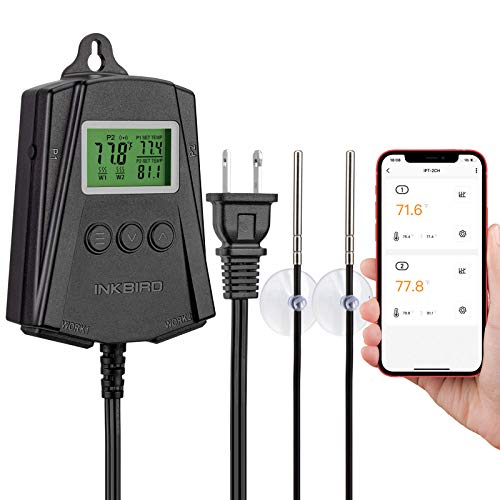
Inkbird ITC-306A Thermostat
This thermostat is a critical safety device for controlling heating elements in reptile enclosures. It ensures precise temperature regulation, preventing dangerous overheating and potential burns.

REPTI ZOO Digital Thermometer Hygrometer
This dual-probe device provides accurate, simultaneous monitoring of temperature and humidity. It is a significant upgrade over less reliable analog alternatives often found in starter kits.
Frequently Asked Questions
A single adult leopard gecko needs at least a 20-gallon long enclosure (30" × 12" × 12"). Many keepers upgrade to a 40-gallon breeder for more enrichment space. Avoid 10-gallon tanks — they're too small for proper temperature gradients and will stress your gecko.
References & Sources
- https://www.thebiodude.com/blogs/gecko-caresheets/leopard-gecko-caresheet-2024-updated?srsltid=AfmBOopYVdCLRR1VPNTyPyTs2N0xfGKzNaQSrDaS7u8xrBw380QAKGIrU
- https://reptifiles.com/leopard-gecko-care/shopping-list/
- https://community.morphmarket.com/t/leopard-gecko-care-guide/39838
- https://www.zenhabitats.com/blogs/reptile-care-sheets-resources/leopard-gecko-care-sheet-reptifiles?srsltid=AfmBOoq3N_81eNTeH7iZGTtxMwiieH6gbNUGi6e2Mr3KoRNqUzL498Bo
- https://reptifiles.com/reptile-starter-kits/
- https://reptifiles.com/leopard-gecko-care/leopard-gecko-substrate/
Related Articles

Best Ackie Monitor Starter Kit for Beginners
Get the best Ackie monitor starter kit for a happy and healthy pet. Learn what to include and how to set up the perfect enclosure for your Ackie monitor.

Best Blue Tongue Skink Starter Kit: Ultimate Guide
Discover the best blue tongue skink starter kit with practical advice on enclosure, substrate, heat, lighting, and more!

Best Corn Snake Starter Kit: Everything You Need to Get Started
Find the best corn snake starter kit with our comprehensive guide, ensuring your new pet's health and happiness. Perfect for beginners!