Best Temperature for Leopard Gecko: Complete Guide
Discover the best temperature for leopard gecko health. Learn exact basking, cool side, and nighttime temps — plus how to set it all up correctly.


This article contains affiliate links. If you make a purchase through these links, we may earn a small commission at no extra cost to you. See our affiliate disclosure for details.
We recommend 5 picks here. Our top choice is the Fluker's Heat Mat Under Tank Heater — check price and availability below.
How we choose: we compare published specifications against the care requirements in veterinary and species-care literature, and weigh those against what long-time keepers report. We do not test products ourselves and we do not restate Amazon star ratings. The 5 sources behind this article are listed at the bottom.
Quick Comparison
- Primary Function
- Belly Heating
- Continuous Monitoring
- No
- Light Emission
- No
- Requires Thermostat
- Yes (highly recommended)
- Estimated Price Range
- $15-25
- Primary Function
- Temperature Regulation
- Continuous Monitoring
- Yes (indirectly via control)
- Light Emission
- No
- Requires Thermostat
- N/A (is a thermostat)
- Estimated Price Range
- $30-45
- Primary Function
- Spot Temp Measurement
- Continuous Monitoring
- No
- Light Emission
- No (laser for aiming)
- Requires Thermostat
- No
- Estimated Price Range
- $20-30
- Primary Function
- Ambient Heating (No Light)
- Continuous Monitoring
- No (provides heat, not data)
- Light Emission
- No
- Requires Thermostat
- Yes (highly recommended)
- Estimated Price Range
- $15-25
- Primary Function
- Ambient Temp/Humidity Monitoring
- Continuous Monitoring
- Yes
- Light Emission
- Yes (display backlight)
- Requires Thermostat
- No
- Estimated Price Range
- $15-25
Prices are estimates only. Actual prices on Amazon may vary.
Getting the temperature right is the single most important thing you can do for your leopard gecko. These little reptiles can't regulate their own body heat. They depend on you to create a warm zone and a cool zone in their enclosure — and to keep it consistent every single day.
Getting it wrong leads to slow digestion, weakened immunity, and stress. Getting it right? Your gecko thrives.
This guide covers everything you need to know about the best temperature for leopard gecko care — from hot side to cool side, daytime to nighttime, and all the gear you need to make it happen.
Why Temperature Matters So Much
Leopard geckos are ectotherms. That's a fancy word for animals that rely on external heat sources to warm their bodies. In the wild, they live in the rocky, semi-arid grasslands of Afghanistan, Pakistan, and northwest India — places where daytime temperatures can top 90°F and nights cool off dramatically.
In your home, you're recreating that thermal gradient. Your gecko will move back and forth between the warm and cool sides to regulate its body temperature throughout the day. This behavior is called thermoregulation, and it controls nearly every bodily function:
- Digestion: Leopard geckos need warmth to break down food. Without it, food can rot in their gut.
- Immune function: A cold gecko is a sick gecko. Low temps suppress their immune system fast.
- Metabolism: Energy levels, activity, and even mood are all tied to temperature.
- Shedding: Proper heat keeps skin healthy and helps them shed cleanly.
The bottom line: temperature isn't just comfort. It's life support.
Leopard Gecko Temperature Targets
Warm side (ambient air)
80–85°F
27–29°C
Basking spot (surface)
88–92°F
31–33°C
Cool side (ambient air)
70–75°F
21–24°C
Nighttime (whole enclosure)
65–72°F
18–22°C
Warm Side Setup Essentials
Everything you need to get started
Humidity Targets for Leopard Geckos
General enclosure
30–40%
Monitor with digital hygrometer
Humid hide interior
70–80%
Use damp coconut fiber or sphagnum moss
Warning Signs of Temperature Problems
What you need to know
Too hot: gaping mouth, pressing against glass, lethargy, excessive hiding — keep basking spot below 95°F
Too cold: loss of appetite, sluggishness, undigested food, frequent hiding — increases risk of impaction
Monitor temperatures daily, especially during seasonal changes
Detailed Reviews
1. Fluker's Heat Mat Under Tank Heater
Editor's Choice
Fluker's Heat Mat Under Tank Heater
Pros
- •Provides crucial belly heat for proper digestion and metabolism.
- •Mimics natural heat absorption for crepuscular ground-dwellers.
- •Establishes a vital warm zone within the enclosure for thermoregulation.
- •Consistent, radiant heat source when properly regulated.
Cons
- •Requires a separate thermostat for safe and accurate temperature control.
- •Does not provide ambient air temperature control, primarily heats surfaces.
- •Can be a burn risk if not monitored and regulated correctly.
Bottom Line
An under-tank heater is crucial for providing the foundational belly heat leopard geckos require for proper digestion and overall health. It replicates natural ground warmth, establishing the essential warm zone in their enclosure.
2. Inkbird Reptile Thermostat Controller
Best Overall
Inkbird Reptile Thermostat Controller
Pros
- •Prevents dangerous overheating and underheating of heating elements.
- •Ensures consistent, stable temperatures for reptile health and safety.
- •Protects reptiles from thermal burns caused by uncontrolled heat sources.
- •Automates temperature management, reducing manual intervention.
Cons
- •Adds an additional device and wiring to the enclosure setup.
- •Requires careful probe placement to accurately reflect target temperature.
- •Typically controls only one heating element per unit.
Bottom Line
An indispensable safety device, this thermostat precisely regulates the temperature output of heating elements like heat mats. It prevents dangerous temperature fluctuations and protects geckos from thermal burns due to overheating.
3. Etekcity Infrared Thermometer Temperature Gun
Premium Pick
Etekcity Infrared Thermometer Temperature Gun
Pros
- •Provides immediate, non-contact surface temperature readings.
- •Highly accurate for specific spot-checking of basking areas and substrate.
- •Easy to use; no probes or setup required within the enclosure.
- •Essential for verifying heating element output and thermostat accuracy.
Cons
- •Does not monitor ambient air temperature continuously or over time.
- •Requires manual operation each time a temperature reading is needed.
- •Accuracy can be affected by highly reflective surfaces or distance if not used correctly.
Bottom Line
This point-and-shoot infrared thermometer offers instant and accurate surface temperature readings without physical contact. It is the most reliable tool for precisely measuring basking spot temperatures in a reptile enclosure.
4. Ceramic Heat Emitter Bulb for Reptiles
Best Value
Ceramic Heat Emitter Bulb for Reptiles
Pros
- •Emits only heat, no visible light, preserving natural day-night cycles.
- •Provides ambient air heating suitable for the cool side and nighttime warmth.
- •Long-lasting and durable heat source for consistent performance.
- •Contributes to overall enclosure temperature stability, preventing immune system suppression.
Cons
- •Can reduce humidity levels in the enclosure if not managed.
- •Requires a ceramic socket and appropriate dome fixture for safe operation.
- •Needs a separate thermostat for accurate and safe temperature control.
Bottom Line
Ideal for maintaining critical nighttime temperatures without emitting disruptive light, this ceramic heat emitter provides consistent radiant warmth. It helps prevent dangerous drops in ambient air temperature during dark cycles.
5. Govee Digital Hygrometer Thermometer
Budget Pick
Govee Digital Hygrometer Thermometer
Pros
- •Monitors two critical environmental parameters: ambient temperature and humidity.
- •Provides continuous, real-time data for constant environmental assessment.
- •Helps identify potential issues before they affect reptile health, such as shedding problems.
- •Features a clear digital display for easy readability and data interpretation.
Cons
- •Only measures ambient air, not surface or basking spot temperatures.
- •Requires careful placement to obtain accurate readings for specific zones.
- •Typically battery-operated, requiring occasional battery replacement.
Bottom Line
This digital device accurately monitors both ambient air temperature and humidity, providing crucial environmental data in real-time. It enables keepers to quickly identify and address environmental imbalances that could impact gecko health.
The Best Temperature for Leopard Gecko: Quick Reference
Here's the target temperature range at a glance:
| Zone | Ideal Temperature |
|---|---|
| Warm side (ambient air) | 80–85°F (27–29°C) |
| Basking spot (surface) | 88–92°F (31–33°C) |
| Cool side (ambient air) | 70–75°F (21–24°C) |
| Nighttime (whole enclosure) | 65–72°F (18–22°C) |
These numbers come directly from research-backed care guides like ReptiFiles — one of the most trusted reptile husbandry resources available.
Notice that there's no single "perfect" temperature. The goal is a gradient — warm on one side, cool on the other — so your gecko can choose what it needs.
Setting Up the Warm Side
The warm side is where your gecko will spend a lot of its time, especially after eating. It's where digestion happens.
You need a basking spot surface temperature of 88–92°F. The ambient air above the warm side should sit around 80–85°F.
The best way to achieve this is with an [under tank heater](https://www.amazon.com/dp/B08C98KNWR?tag=krawlo-20 (UTH) — also called a heat mat or heat pad. Place it under one side of the enclosure, covering roughly one-third of the floor space. This mimics how leopard geckos absorb ground heat in the wild.
Always use a thermostat with your heat mat. Without one, heat mats can overheat and seriously burn your gecko. A [reptile thermostat](https://www.amazon.com/dp/B01I15S6OM?tag=krawlo-20 keeps the surface temperature locked in the safe range automatically.
You can also add a low-wattage basking bulb for a gentle ambient heat boost — but this isn't always necessary if your room temperature is already around 70°F or warmer.
What About Hot Rocks?
Skip them entirely. Electric hot rocks heat unevenly and have burned countless reptiles. They're an outdated product that still shows up in big-box pet stores. Stick with a thermostat-controlled heat mat under the tank.
Setting Up the Cool Side
The cool side is your gecko's retreat. When it's too warm, or when it wants to rest, it heads here.
Target 70–75°F on the cool side. In most homes, this happens naturally — just don't put the heat mat under the cool side. If your room runs cold (below 65°F), you may need to add gentle overhead heat to bring the cool side up into range.
Your gecko's water dish and humid hide both go on the cool side. Keeping moisture away from the heat source helps maintain the right humidity level — more on that below.
Nighttime Temperatures
Leopard geckos are crepuscular. That means they're most active at dusk and dawn, not during the heat of the day. Nighttime is when they do most of their exploring, eating, and socializing.
Nighttime temps can drop to 65–72°F without any problem. In fact, a natural temperature drop at night mirrors what happens in their wild habitat — and some keepers believe it helps with overall health and natural behavior patterns.
If your home stays above 65°F at night, you don't need any special nighttime heating. If it drops lower — common in winter or in drafty rooms — use a [ceramic heat emitter](https://www.amazon.com/dp/B096JWWQMC?tag=krawlo-20 (CHE) on a thermostat. A CHE produces no light, so it won't disrupt your gecko's sleep cycle. Never use red or blue "night lights" — leopard geckos can detect these colors, and they interfere with their rest.
Humidity: The Temperature's Partner
Temperature and humidity go hand in hand. Leopard geckos come from dry environments, so they don't need much moisture in the air.
Aim for 30–40% relative humidity across most of the enclosure. You can monitor this with a digital hygrometer.
The one exception is the humid hide. Every leopard gecko needs a small enclosed hide filled with damp substrate — coconut fiber or sphagnum moss work great. This humid microclimate should read 70–80% humidity inside the hide. Your gecko will use it when shedding to soften old skin and make the process easier.
Poor humidity during shedding causes stuck shed, which can cut off circulation to toes and tails. A humid hide prevents this almost entirely.
For a deep dive on setting up this essential hide, check out our guide on Setting Up a Leopard Gecko Humid Hide: A Comprehensive Guide.
How to Measure Temperature Accurately
One of the most common mistakes new keepers make is trusting the wrong thermometer. Stick-on dial thermometers — the cheap ones sold next to the geckos at pet stores — are notoriously inaccurate. They can be off by 10°F or more.
Use these instead:
- Digital thermometer with a probe: Place the probe directly on the basking surface. Accurate, affordable, and reliable.
- Infrared temperature gun: Point and shoot to get instant surface readings anywhere in the enclosure. These are incredibly useful for spot-checking your setup. A good [infrared thermometer](https://www.amazon.com/dp/B0B71HFH9K?tag=krawlo-20 is worth every penny.
Check temperatures at least once a day, especially during seasonal changes. Your home's ambient temperature shifts with the seasons, and so will your enclosure — even with heating equipment running.
What Happens When Temperatures Are Wrong
Knowing what to watch for can save your gecko's life. Here's what happens when temperatures fall outside the safe range:
Too Hot
Overheating is dangerous and fast. Signs include:
- Gaping mouth
- Pressing against the glass wall
- Lethargy or erratic movement
- Hiding in the cool side and refusing to come out
If your basking spot exceeds 95°F, your gecko is at risk of heat stress. Check your thermostat immediately.
Too Cold
Cold temperatures are more common and often go unnoticed until the gecko is already sick. Signs include:
- Loss of appetite
- Sluggishness and inactivity
- Undigested food in feces
- Frequent hiding
Leopard geckos can enter a semi-dormant state called brumation if temperatures stay consistently low. While wild geckos do this naturally in winter, pet geckos shouldn't experience it — it's a sign your heating setup needs attention.
Heating Equipment Overview
(Estimates only — actual prices on Amazon may vary.)
Here's a quick breakdown of the most common heating tools and when to use each:
| Equipment | Best For | Notes |
|---|---|---|
| [Under tank heater](https://www.amazon.com/dp/B08C98KNWR?tag=krawlo-20 | Belly heat, primary warm side | Always pair with a thermostat |
| [Ceramic heat emitter](https://www.amazon.com/dp/B096TS3YN3?tag=krawlo-20 | Nighttime ambient warmth | No light output, great for night |
| [Low-watt basking bulb](https://www.amazon.com/dp/B0B55TLWFD?tag=krawlo-20 | Ambient daytime warmth | Use with thermostat, not as sole heat source |
| [Thermostat](https://www.amazon.com/dp/B01I15S6OM?tag=krawlo-20 | Temperature regulation | Non-negotiable — always use one |
| Infrared thermometer | Measuring surface temps | Most accurate method |
Prices for a complete heating setup typically range from $40 to $100, depending on enclosure size and equipment brand.
Does My Leopard Gecko Need UV Lighting?
This is a topic with a lot of debate in the reptile community — but the science is increasingly clear.
Leopard geckos are crepuscular and were long considered "UV-independent." But recent research suggests they benefit from low-level UVB exposure. It helps with vitamin D3 synthesis, which supports calcium metabolism and prevents metabolic bone disease.
You don't need a high-output UVB bulb. A low-level [T5 UVB bulb rated 5.0 or 6%](https://www.amazon.com/dp/B0FG7FCWB5?tag=krawlo-20 run for 10–12 hours a day is enough. Keep a shaded hide available so your gecko can choose when to expose itself.
If you're also keeping crested geckos and want to understand how UVB works across species, our Best UVB Light for Crested Gecko: Ultimate Care Guide covers the topic in detail.
Seasonal Adjustments
Your heating setup may need seasonal tweaks. In summer, your room temperature might rise enough that the warm side exceeds 95°F — especially with a heat mat running at full power. Dial down your thermostat or reduce wattage.
In winter, the opposite happens. Cool drafts and lower ambient temps can pull your cool side below 65°F. Add a CHE on a thermostat to maintain baseline warmth.
Always re-check temperatures when seasons change. Set a monthly reminder if you need to.
Leopard Gecko Housing: Full Setup Context
Temperature is critical, but it works best as part of a complete setup. A 20-gallon tank (30" x 12" x 12") is the minimum for one adult. Many keepers prefer 40-gallon breeder tanks for the extra floor space — more room means a better temperature gradient.
Substrate choice matters too. Tile, slate, and bioactive setups hold and distribute heat differently than paper towels or reptile carpet. For a breakdown of what works best underfoot, check out the related topic of gecko substrate covered across our reptile care guides.
Once your temperatures are dialed in, your gecko's diet becomes the next priority. A healthy thermal environment means nothing if nutrition is off. Our Leopard Gecko Diet Guide: What to Feed Your Gecko covers everything from insect variety to supplementation schedules.
Final Thoughts
The best temperature for leopard gecko care isn't one magic number — it's a well-maintained gradient. Warm side at 88–92°F on the surface, cool side at 70–75°F, and a safe nighttime drop to 65–72°F. Those three zones give your gecko everything it needs to digest, rest, and thrive.
Invest in a good thermostat, use an infrared thermometer to verify your readings, and check conditions regularly. Get those temperatures right, and you've laid the foundation for a long, healthy life for your gecko — and a lot of enjoyment for you.
Our Final Verdict
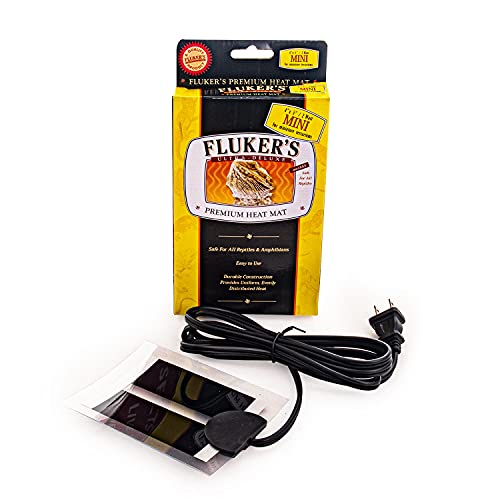
Fluker's Heat Mat Under Tank Heater
An under-tank heater is crucial for providing the foundational belly heat leopard geckos require for proper digestion and overall health. It replicates natural ground warmth, establishing the essential warm zone in their enclosure.
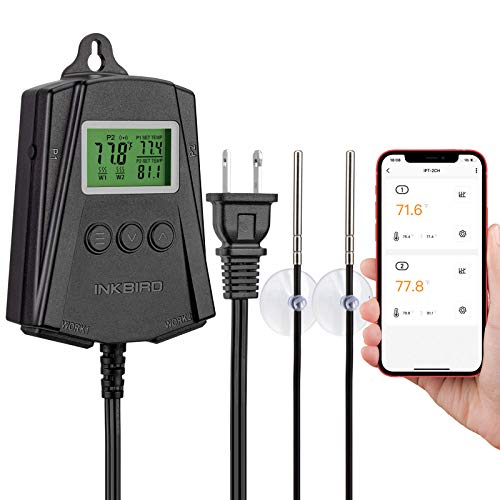
Inkbird Reptile Thermostat Controller
An indispensable safety device, this thermostat precisely regulates the temperature output of heating elements like heat mats. It prevents dangerous temperature fluctuations and protects geckos from thermal burns due to overheating.

Etekcity Infrared Thermometer Temperature Gun
This point-and-shoot infrared thermometer offers instant and accurate surface temperature readings without physical contact. It is the most reliable tool for precisely measuring basking spot temperatures in a reptile enclosure.
Frequently Asked Questions
Temperatures below 65°F are too cold for leopard geckos. At this point, their metabolism slows dramatically, digestion stops, and immune function drops. Prolonged cold can trigger brumation — a dangerous state for captive geckos. If your enclosure dips below 65°F at night, add a ceramic heat emitter on a thermostat to maintain safe temperatures.
References & Sources
- https://reptifiles.com/leopard-gecko-care/leopard-gecko-temperatures-humidity/
- https://reptifiles.com/leopard-gecko-care/
- https://reptifiles.com/wp-content/uploads/2020/10/Leopard-Gecko-Care-Sheet-PDF.pdf
- https://www.petmd.com/reptile/leopard-gecko-care-sheet
- https://www.thesprucepets.com/leopard-geckos-1236911
Related Articles

Best Leopard Gecko Starter Kit: Complete Buyer's Guide
Find the best leopard gecko starter kit for beginners. We break down enclosures, heating, substrate, and accessories so you set up right the first time.

Best Leopard Gecko Accessories: Complete Setup Guide
Discover the best leopard gecko accessories: hides, heat mats, thermostats, UVB lights, décor, and more — everything your leo needs to thrive in 2026.

Best Terrarium for Leopard Gecko: Top Picks & Setup Guide
Find the best terrarium for leopard gecko with our expert guide. Covers minimum size, top tank picks, heating, hides, and full setup tips for a thriving gecko.