Best Temperature for Ball Python: A Complete Guide
Getting the best temperature for your ball python is crucial for their health. Our expert guide covers the ideal thermal gradient, basking spots, night temps, and the tools you need.


This article contains affiliate links. If you make a purchase through these links, we may earn a small commission at no extra cost to you. See our affiliate disclosure for details.
We recommend 4 picks here. Our top choice is the BN-LINK Digital Heat Mat Thermostat — check price and availability below.
How we choose: we compare published specifications against the care requirements in veterinary and species-care literature, and weigh those against what long-time keepers report. We do not test products ourselves and we do not restate Amazon star ratings. The 6 sources behind this article are listed at the bottom.
Quick Comparison
- Device Category
- Controller
- Provides Heat Directly
- No (Regulates)
- Emits Visible Light
- N/A
- Digital Display for Readings
- Yes
- Device Category
- Heating Element
- Provides Heat Directly
- Yes
- Emits Visible Light
- No
- Digital Display for Readings
- No
- Device Category
- Heating Element
- Provides Heat Directly
- Yes
- Emits Visible Light
- No
- Digital Display for Readings
- No
- Device Category
- Monitoring Tool
- Provides Heat Directly
- No
- Emits Visible Light
- N/A
- Digital Display for Readings
- Yes
Prices are estimates only. Actual prices on Amazon may vary.
Getting the temperature right for your ball python isn't just a suggestion—it's the single most important factor for their health and well-being. These fascinating snakes can't produce their own body heat, so they depend entirely on you to create the perfect environment. If it's too cold, they can't digest their food. If it's too hot, they can suffer from serious health issues.
Don't worry, it's not as complicated as it sounds. The key is creating a "thermal gradient." This simply means providing a range of temperatures within the enclosure, from a warm basking area to a cooler retreat. This allows your ball python to move around and regulate its own body temperature, just like it would in the wild.
In this guide, we'll walk you through everything you need to know about the best temperature for ball pythons. We'll cover the ideal gradient, the tools you need to create it, and how to monitor it perfectly.
Why Temperature Is So Crucial for Ball Pythons
Ball pythons are ectothermic, a term you might know as "cold-blooded." This means their internal body temperature is determined by their external environment. Unlike mammals, they can't shiver to warm up or sweat to cool down. Instead, they practice thermoregulation by physically moving to warmer or cooler spots.
Providing the right temperatures is critical for several biological functions:
- Digestion: A warm belly is essential for a ball python to properly digest its meals. Without adequate heat, food can rot in their stomach, leading to a dangerous and often fatal condition called regurgitation.
- Immune System: Proper heat keeps their immune system functioning correctly. A snake that is consistently too cold is highly susceptible to respiratory infections and other illnesses.
- Activity Level: Temperature dictates their energy. A snake in a properly heated enclosure will be more active (especially at night) and exhibit more natural behaviors.
Failing to provide the right thermal gradient can have severe consequences. Chronically low temperatures often lead to loss of appetite, lethargy, and respiratory infections. Temperatures that are too high are even more dangerous in the short term, causing neurological damage, severe stress, dehydration, and death.
Why Temperature Matters
What you need to know
Without adequate heat, ball pythons cannot digest food—it can rot in their stomach, causing a fatal condition
Proper temperature maintains immune function and prevents respiratory infections
Temperature controls activity level and natural behaviors in captive snakes
Too cold: loss of appetite, lethargy, and infections. Too hot: neurological damage, severe stress, and death
Ideal Temperature Zones
Hot/Basking Spot
88–92°F (31–33°C)
For digestion and belly heat after meals
Cool Side
76–80°F (24–27°C)
Retreat area for cooling and resting
Ambient Air
~82°F (~28°C)
General enclosure temperature
Nighttime
72–75°F (22–24°C)
Natural temperature drop; never below 70°F
Heating Equipment Setup
Everything you need to get started
Thermostat Types Compared
Side-by-side comparison
| Feature | On/Off Thermostat | Proportional Thermostat |
|---|---|---|
| How It Works | Cuts power completely when set temperature is reached | Gradually reduces power as temperature approaches set point (dimmer effect) |
| Temperature Stability | Cycles on and off; less consistent | Much more stable and consistent temps |
| Cost | Most affordable | More expensive but worthwhile investment |
| Best For | Budget-conscious keepers | Serious hobbyists prioritizing precise control |
Our Take: Both are safe when used correctly, but proportional thermostats provide superior temperature stability and peace of mind.
Detailed Reviews
1. BN-LINK Digital Heat Mat Thermostat
Best Overall
BN-LINK Digital Heat Mat Thermostat
Pros
- •Ensures precise temperature regulation for connected heat sources.
- •Prevents dangerous overheating, safeguarding animal welfare.
- •Compatible with various heating devices like heat mats and ceramic emitters.
- •Digital display provides clear and accurate temperature settings.
Cons
- •Requires a separate heating element to function.
- •Sensor placement is critical for accurate temperature readings.
- •May have a slight learning curve for initial programming.
Bottom Line
This digital thermostat offers precise temperature control, preventing overheating of heat sources and protecting reptiles from burns. It is an indispensable tool for maintaining consistent and safe thermal gradients within an enclosure.
2. VIVOSUN Reptile Heat Mat (UTH)
Best Value
VIVOSUN Reptile Heat Mat (UTH)
Pros
- •Delivers crucial belly heat essential for digestive health.
- •Subtle and unobtrusive, placed discreetly beneath the enclosure.
- •Consistent and stable heat output for a localized warm spot.
- •Energy-efficient design suitable for continuous operation.
Cons
- •Requires a thermostat for safe operation to prevent overheating.
- •Does not significantly raise ambient air temperature.
- •Not suitable as a sole heat source in cooler environments.
Bottom Line
Designed to provide essential belly heat, this under-tank heater aids in proper digestion for ball pythons. It serves as a foundational component for establishing a crucial warm spot within the enclosure's thermal gradient.
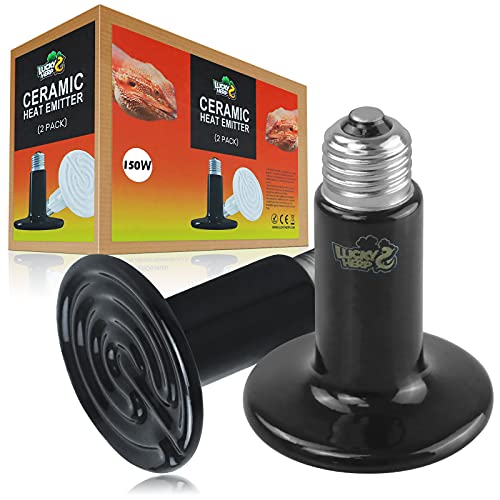
3. Fluker's Ceramic Heat Emitter
Editor's Choice
Fluker's Ceramic Heat Emitter
Pros
- •Provides 24/7 radiant heat without emitting any visible light.
- •Excellent for maintaining ambient air temperature, especially at night.
- •Does not interfere with the snake's natural day/night rhythm.
- •Durable and long-lasting heat source for consistent performance.
Cons
- •Requires a compatible dome fixture and thermostat for safe use.
- •Can reduce enclosure humidity if not properly managed.
- •Does not provide a direct basking spot like a light-emitting bulb.
Bottom Line
This ceramic heat emitter produces consistent, lightless heat, ideal for maintaining ambient temperatures without disrupting nocturnal cycles. It effectively contributes to the thermal gradient, especially for overnight warmth.
4. Etekcity Infrared Temp Gun
Premium Pick
Etekcity Infrared Temp Gun
Pros
- •Offers instant, accurate, non-contact temperature readings.
- •Essential for verifying specific surface temperatures like basking spots.
- •Helps ensure precise thermal gradients throughout the enclosure.
- •Easy to use with a simple point-and-shoot mechanism.
Cons
- •Does not provide continuous, automated temperature monitoring.
- •Requires manual checks, making it not suitable for constant oversight.
- •Battery-operated, necessitating occasional battery replacement.
Bottom Line
This infrared thermometer provides instant and accurate surface temperature readings, crucial for verifying basking spots and thermal gradients. It offers the only reliable method for precise monitoring of critical enclosure temperatures.
The Ideal Ball Python Temperature Gradient
Your main goal is to establish a consistent thermal gradient across the enclosure. This means one side should be warm and the other side cool. This allows your snake to choose its preferred temperature at any given moment.
Here are the essential temperature zones you need to create and maintain:
| Temperature Zone | Recommended Range (Fahrenheit) | Recommended Range (Celsius) | Purpose |
|---|---|---|---|
| Hot/Basking Spot | 88°F - 92°F | 31°C - 33°C | Digestion, basking |
| Cool Side | 76°F - 80°F | 24°C - 27°C | Cooling down, resting |
| Ambient Air | ~82°F | ~28°C | General enclosure air temp |
| Nighttime | 72°F - 75°F | 22°C - 24°C | Natural temp drop |
The Hot Side
This side of the enclosure should have a distinct basking spot with a surface temperature of 88-92°F. This area is where your snake will go after a meal to warm its belly and properly digest. This heat is best provided by an under-tank heater or an overhead heat source like a ceramic heat emitter.
The Cool Side
Opposite the hot side, the cool end should stay between 76-80°F. This is the snake's retreat. It's where they'll go to cool down and rest. It's vital they have this cooler area to escape the heat and prevent overheating.
Nighttime Temperatures
A slight temperature drop at night is both natural and beneficial for ball pythons. Letting the entire enclosure's temperature fall to around 72-75°F mimics the conditions in their native habitat. For most homes, turning off any light-producing heat lamps is enough to achieve this drop, as room temperature will keep it within a safe range. However, never let the temperature fall below 70°F.
How to Set Up Your Temperature Gradient: Heating Tools
Creating a stable thermal gradient requires the right equipment. You'll typically need a combination of heat sources to manage both surface and air temperatures effectively. Remember, safety first—every single heating device must be connected to a thermostat.
Primary Heat Sources: Under-Tank Heaters
An [Under Tank Heater (UTH)](https://www.amazon.com/dp/B08C98KNWR?tag=krawlo-20 or heat mat, is a fantastic source of belly heat. These adhesive pads stick to the underside of a glass or PVC enclosure and warm the surface directly above them. This is the heat that is most effective for digestion.
However, a UTH on its own is dangerous. Without regulation, it can easily reach temperatures over 120°F, causing severe burns to your snake. You must plug your heat mat into a quality thermostat to control its output.
Overhead Heat Sources
While a UTH is great for surface heat, you also need a way to warm the ambient air in the enclosure. This is where overhead heaters come in.
- Ceramic Heat Emitters (CHEs): These are one of the best choices for ball pythons. [CHEs](https://www.amazon.com/dp/B096JWWQMC?tag=krawlo-20 are ceramic bulbs that screw into a standard dome lamp fixture. They produce powerful heat but absolutely no light, making them perfect for providing 24/7 heat without disrupting your snake's day/night cycle.
- Deep Heat Projectors (DHPs): A more modern option, DHPs are also lightless and produce heat via infrared-A and infrared-B. This type of heat is thought to penetrate tissue more effectively and mimic the sun's warmth more naturally. They are an excellent choice for ambient heating.
- Basking Bulbs: Standard incandescent or halogen basking bulbs produce both heat and light. They can be effective at creating a basking spot but are not suitable for nighttime use, as the light will disrupt your snake's sleep cycle.
What to Avoid: Heat Rocks
Never, under any circumstances, use a heat rock in your enclosure. These devices are notorious for malfunctioning and developing hot spots, leading to horrific and often untreatable burns on reptiles. They are unsafe and should be avoided entirely.
The Most Important Tool: The Thermostat
If you take only one thing from this guide, let it be this: every heating device you use needs to be plugged into a thermostat. A thermostat regulates the power to your heater, shutting it off when the probe reaches your target temperature and turning it back on when it drops. This is the only way to prevent overheating and ensure your snake's safety.
There are two main types:
- On/Off Thermostats: These are the most common and affordable. They cut power completely when the set temperature is reached.
- Proportional Thermostats: These act like a dimmer switch, reducing power as the temperature gets closer to the set point. They provide much more stable, consistent temperatures.
While more expensive, a proportional thermostat is a worthwhile investment for your pet's safety and your peace of mind. If you're serious about husbandry, our Best Ball Python Thermostat: A Buyer's Guide (2026) can help you choose the right one.
Monitoring Your Temperatures Accurately
A thermostat controls the temperature, but how do you know it's accurate? You need to measure it independently. This requires good-quality digital thermometers.
Don't rely on the cheap, stick-on analog dials found in pet store kits. They are notoriously inaccurate. Instead, use a combination of the following tools for reliable readings:
- Digital Probe Thermometers: You should have at least two of these in your enclosure at all times. Place one probe on the substrate level on the cool side and the other on the substrate level on the warm side (but not directly on the basking spot). This gives you an at-a-glance reading of your gradient.
- Infrared (IR) Temp Gun: This is the gold standard for reptile keepers. An [IR temp gun](https://www.amazon.com/dp/B0B71HFH9K?tag=krawlo-20 allows you to point and click to get an instant surface temperature reading of any spot in the enclosure. It's the only way to know the true temperature of the basking surface, your substrate, and various other points in the gradient.
Lighting and UVB for Ball Pythons
For a long time, the consensus was that since ball pythons are nocturnal, they don't need any special lighting or UVB. However, our understanding has evolved. Ball pythons are more accurately described as crepuscular, meaning they are most active at dawn and dusk.
In the wild, they would experience a natural day/night cycle and be exposed to indirect sunlight while moving between burrows or basking cryptically. For this reason, providing a low level of UVB lighting is now considered beneficial.
While they don't need UVB to survive in the same way a bearded dragon does, studies suggest that providing it can improve their overall health, immune response, and activity levels. A low-output UVB bulb, such as a 5% T5 fixture, running for 12 hours a day is a great way to enrich your snake's environment. This also establishes a clear day/night cycle, which is crucial for their natural rhythm.
The Connection Between Temperature and Humidity
Temperature and humidity are closely linked. The ideal humidity for a ball python is between 55-65%, which is essential for proper shedding and respiratory health. Hot air holds more moisture than cool air, so managing your heat source is part of managing your humidity.
Using an overhead heat source like a CHE can dry out the air in an enclosure. To counteract this, you can do a few things:
- Use a substrate that holds moisture well, like cypress mulch or sphagnum moss.
- Partially cover the screen top of a glass tank to trap humidity.
- Place a large, heavy water bowl on the warm side of the enclosure. The heat will cause water to evaporate, raising the ambient humidity.
For a deep dive on this topic, check out our complete Ball Python Humidity Guide: Get It Right Every Time to ensure your snake has healthy sheds.
Troubleshooting Common Temperature Problems
Even with the right gear, you might run into issues. Here’s how to handle common problems.
"My enclosure is too cold."
First, check your thermostat. Is it set correctly? Is the probe secured in the right location? If the thermostat is working, you may need a more powerful heat source. Consider upgrading to a higher wattage CHE or heat mat. Also, check the temperature of the room—if your house is very cold, the heaters will have to work much harder.
"My enclosure is too hot."
This is an emergency. Unplug the heat source immediately. Double-check your thermostat settings. The most common cause is a dislodged or misplaced thermostat probe. Ensure the probe is securely placed at the spot you want to control. If the settings are correct, you may need a lower-wattage heater.
"My snake won't eat."
Refusal to eat is often one of the first signs of improper temperature. If a ball python is too cold, its metabolism slows down, and it knows it cannot safely digest a meal. Before you worry about anything else, use your IR temp gun to confirm the basking spot is 88-92°F. If the temperatures are correct and the refusal continues, there may be other health or stress factors at play, and consulting a vet is a good idea. Ensuring you have a healthy animal from the start is key, something our Ball Python for Sale: Finding a Healthy Snake (Buyer's Guide) covers in detail.
Final Thoughts
Mastering your ball python's temperature is the cornerstone of good husbandry. By providing a proper thermal gradient with a hot side (88-92°F), a cool side (76-80°F), and using a thermostat on every heat source, you are setting your snake up for a long, healthy, and comfortable life. Monitor your temperatures daily with reliable digital tools, and you'll become an expert at creating the perfect environment for your beloved pet.
Our Final Verdict

BN-LINK Digital Heat Mat Thermostat
This digital thermostat offers precise temperature control, preventing overheating of heat sources and protecting reptiles from burns. It is an indispensable tool for maintaining consistent and safe thermal gradients within an enclosure.

VIVOSUN Reptile Heat Mat (UTH)
Designed to provide essential belly heat, this under-tank heater aids in proper digestion for ball pythons. It serves as a foundational component for establishing a crucial warm spot within the enclosure's thermal gradient.
Fluker's Ceramic Heat Emitter
This ceramic heat emitter produces consistent, lightless heat, ideal for maintaining ambient temperatures without disrupting nocturnal cycles. It effectively contributes to the thermal gradient, especially for overnight warmth.
Frequently Asked Questions
The best setup is a thermal gradient. This means you should have a hot basking spot with a surface temperature of 88-92°F (31-33°C) and a cool side of the enclosure that stays between 76-80°F (24-27°C).
References & Sources
- https://community.morphmarket.com/t/temperatures-for-ball-python/42274
- https://reptifiles.com/ball-python-care-guide/ball-python-humidity-temperatures/
- https://www.petmd.com/reptile/ball-python-care-sheet
- https://reptifiles.com/wp-content/uploads/2020/11/Ball-Python-Care-Sheet-PDF-1.pdf
- https://reptifiles.com/ball-python-care-guide/
- https://www.thesprucepets.com/ball-python-lighting-1239263
Related Articles

Best Ball Python Starter Kit: Essential Supplies Explained
Discover the essential supplies you need to create the perfect habitat for your new ball python. Learn what to look for in a starter kit and avoid common mistakes.

Best Ball Python Breeders: Top 5 in 2026
Discover the top 5 best ball python breeders in 2026, known for their quality, ethics, and community support. Perfect for beginners and experienced keepers alike.

Best Humidifier for Ball Python: Top Picks (2026)
Find the best humidifier for your ball python. We review 7 top foggers and misters to help you maintain perfect 60–80% humidity for a healthy, happy snake.