Best Temp for Ball Python: The Complete Guide
Struggling to find the best temp for your ball python? Our expert guide covers the ideal temperature gradient, nighttime drops, heating equipment, and how to avoid common health issues.


This article contains affiliate links. If you make a purchase through these links, we may earn a small commission at no extra cost to you. See our affiliate disclosure for details.
We recommend 4 picks here. Our top choice is the VIVOSUN Reptile Heat Mat — check price and availability below.
How we choose: we compare published specifications against the care requirements in veterinary and species-care literature, and weigh those against what long-time keepers report. We do not test products ourselves and we do not restate Amazon star ratings. The 6 sources behind this article are listed at the bottom.
Quick Comparison
- Heating Mechanism
- Under-tank radiant heat
- Primary Function
- Provide direct belly heat
- Requires External Thermostat
- Yes
- Light Emission
- None
- Average Price Range
- $15-25
- Heating Mechanism
- Overhead ceramic radiant heat
- Primary Function
- Raise ambient air temperature
- Requires External Thermostat
- Yes
- Light Emission
- None
- Average Price Range
- $20-40
- Heating Mechanism
- Electronic temperature control
- Primary Function
- Regulate heating device output
- Requires External Thermostat
- N/A (is a thermostat)
- Light Emission
- None (display light only)
- Average Price Range
- $20-35
- Heating Mechanism
- Infrared temperature sensing
- Primary Function
- Spot-check surface temperatures
- Requires External Thermostat
- No
- Light Emission
- None (targeting laser only)
- Average Price Range
- $15-25
Prices are estimates only. Actual prices on Amazon may vary.
Getting the temperature right for your ball python isn't just a suggestion—it's the foundation of their health and happiness. These snakes come from the warm climates of West and Central Africa, and they rely completely on their environment to regulate their body temperature. If it's too cold, they can't digest their food. If it's too hot, they can suffer from stress, neurological damage, or worse.
Don't worry, it's not as complicated as it sounds. The key is creating a temperature gradient. This just means your snake's home should have a warm side and a cool side, allowing them to move around and choose the temperature that feels right. This guide will walk you through everything you need to know to find the best temp for your ball python and keep them comfortable and healthy for years to come.
Why Temperature Is So Critical for Ball Pythons
Ball pythons are 'ectothermic,' which is a scientific way of saying they're cold-blooded. Unlike us, they can't produce their own body heat. Instead, they depend on external heat sources, like the sun (or a heat lamp in captivity), to warm up. Their entire biology is built around this reality.
Proper temperature directly impacts several vital functions:
- Digestion: A warm basking spot allows a ball python to heat its belly after a meal. This warmth is essential to properly digest their prey. Without it, food can rot in their stomach, leading to a dangerous and potentially fatal condition called regurgitation.
- Immune System: Correct temperatures keep their immune system running strong. A snake that is consistently too cold is more susceptible to illnesses, especially respiratory infections.
- Activity and Behavior: Temperature tells your snake when to be active and when to rest. A proper gradient encourages natural behaviors like exploring, burrowing, and seeking out heat. If the whole tank is one temperature, the snake may become lethargic or stressed.
In short, managing your snake's temperature is one of your most important jobs as a reptile keeper. It's the cornerstone of proactive care.
Why Temperature Matters for Ball Pythons
What you need to know
Digestion: Warm basking spots allow ball pythons to digest food properly; without adequate heat, food can rot in their stomach
Immune System: Correct temperatures keep their immune system strong and reduce susceptibility to illnesses like respiratory infections
Activity & Behavior: Temperature gradients encourage natural behaviors like exploring, burrowing, and thermoregulation
Temperature Gradient Reference
Hot Spot
88–92°F (31–33°C)
Basking area for digestion and warmth
Cool Side
76–80°F (24–27°C)
Retreat area for cooling down and resting
Ambient Temperature
80–85°F (27–29°C)
General air temperature in the tank
Nighttime Minimum
75°F (24°C)
Never drop below this if allowing temperature dip
Temperature Control Setup Essentials
Everything you need to get started
Detailed Reviews
1. VIVOSUN Reptile Heat Mat
Budget Pick
VIVOSUN Reptile Heat Mat
Pros
- •Provides crucial belly heat, vital for digestion and metabolic processes.
- •Efficiently transfers direct heat to the substrate for targeted warmth.
- •Versatile for placement under various types of reptile enclosures.
- •Contributes to creating a necessary warm spot in a thermal gradient.
Cons
- •Absolutely requires a separate thermostat for safe and controlled operation.
- •Does not significantly contribute to overall ambient air temperature.
- •May not be sufficient as a primary heat source in cooler room environments.
Bottom Line
VIVOSUN Reptile Heat Mats deliver essential belly heat, critical for a ball python's digestion and overall well-being. They are an effective solution for establishing a precise warm spot within a temperature gradient when regulated by a thermostat.
2. REPTI ZOO Reptile Ceramic Heat Emitter
Editor's Choice
REPTI ZOO Reptile Ceramic Heat Emitter
Pros
- •Delivers consistent and stable ambient heat 24/7.
- •Emits no light, making it ideal for night heating without disturbing photoperiod.
- •Constructed from durable ceramic for long-lasting use.
- •Effectively raises and maintains overall air temperature in the enclosure.
Cons
- •Can reduce enclosure humidity, requiring careful monitoring and management.
- •Needs a compatible dome fixture and external thermostat for safe installation and use.
- •Its surface becomes extremely hot and requires a protective guard to prevent burns.
Bottom Line
REPTI ZOO Ceramic Heat Emitters are a superb choice for maintaining stable ambient temperatures, especially during nighttime hours, without emitting disruptive light. They are crucial for creating a consistent thermal environment that supports a ball python's metabolic functions.
3. BN-LINK Digital Heat Mat Thermostat Controller
Best Overall
BN-LINK Digital Heat Mat Thermostat Controller
Pros
- •Essential safety device, preventing dangerous overheating of heating elements.
- •Maintains precise and stable temperatures within user-defined parameters.
- •Clear digital display provides accurate, easy-to-read temperature information.
- •Broad compatibility with various heat sources, including mats and ceramic emitters.
Cons
- •Adds an additional component to the overall heating system setup.
- •Requires careful and correct probe placement for accurate temperature readings.
- •Reliability can be affected by power fluctuations if not protected by a surge protector.
Bottom Line
The BN-LINK Digital Heat Mat Thermostat Controller is a paramount safety device, ensuring that heating elements operate within safe and optimal temperature ranges. Its precise digital control prevents thermal runaway, thereby protecting ball pythons from severe burns and heat-related stress.
4. Etekcity Infrared Thermometer Gun
Premium Pick
Etekcity Infrared Thermometer Gun
Pros
- •Provides instant and highly accurate surface temperature readings.
- •Allows precise, non-invasive spot-checking of multiple areas within the enclosure.
- •Facilitates verification of basking spot and hide temperatures without disturbing the animal.
- •Crucial for ensuring the creation and maintenance of an accurate thermal gradient.
Cons
- •Does not measure ambient air temperature directly, requiring supplemental tools.
- •Requires battery power for operation, necessitating periodic replacement.
- •Accuracy can be compromised if held too far from the target surface.
Bottom Line
The Etekcity Infrared Thermometer Gun is an invaluable tool for precise temperature monitoring, enabling keepers to accurately measure surface temperatures across the ball python's enclosure. It ensures that critical spots like basking areas and hides maintain the ideal thermal conditions for the snake.
The Ideal Temperature Gradient for Ball Pythons
Creating a range of temperatures is far more important than aiming for a single number. Your ball python needs to be able to thermoregulate, moving between warmer and cooler areas as needed. Here's the breakdown of the temperatures you need to provide.
| Temperature Zone | Recommended Range (Fahrenheit) | Recommended Range (Celsius) | Purpose |
|---|---|---|---|
| Hot Spot | 88°F - 92°F | 31°C - 33°C | Basking, digestion, and peak warmth |
| Cool Side | 76°F - 80°F | 24°C - 27°C | Retreating to cool down, resting |
| Ambient | ~80°F - 85°F | ~27°C - 29°C | General air temperature in the tank |
Hot Spot / Basking Area
This is the warmest part of the enclosure. You should aim for a surface temperature of 88-92°F (31-33°C). This spot should be created by a heating element like an under-tank heater or a heat lamp. This is where your ball python will go to warm up, especially after eating a meal. Think of it as their personal sauna for digesting food efficiently. Make sure there is a hide on the hot spot so your snake can feel secure while getting the heat it needs.
Cool Side
The cool side of the tank should be significantly cooler, around 76-80°F (24-27°C). This area provides a necessary retreat. If your snake gets too warm, it will move to this side to cool down. Having this cooler zone is just as important as the hot spot; without it, your snake has no escape from the heat and can easily become overheated.
Ambient Temperature
Ambient temperature refers to the overall air temperature within the enclosure. It will naturally fall somewhere between the hot and cool side temperatures. Ideally, it should hover in the low 80s. A ceramic heat emitter is excellent for raising ambient temperatures without adding light.
Nighttime Temperature Drop
In the wild, temperatures naturally dip at night. You can replicate this with a slight temperature drop, but it's not strictly necessary for most healthy ball pythons. If you do allow a drop, the temperature should not fall below 75°F (24°C). Many keepers find it easier and safer to maintain consistent temperatures 24/7. Using a non-light-emitting heat source like a [ceramic heat emitter](https://www.amazon.com/dp/B096JWWQMC?tag=krawlo-20 or under-tank heater makes this simple.
How to Create and Maintain the Perfect Temperature Gradient
Setting up the right temperatures requires the right gear. Investing in quality heating and monitoring equipment is essential for your snake's safety and well-being. Here's a look at the best tools for the job.
Heating Equipment
You have a few great options for heating your ball python's enclosure. Many keepers use a combination of methods to achieve the perfect gradient.
-
Under-Tank Heaters (UTH): These are pads that stick to the bottom of the enclosure. They are fantastic for providing belly heat, which is great for digestion. However, they must always be connected to a thermostat to prevent them from getting dangerously hot. A UTH on its own is not enough; it primarily heats the surface it's under and does little to warm the ambient air.
-
Ceramic Heat Emitters (CHE): These are lightless bulbs that screw into a heat lamp fixture and produce only heat. They are excellent for raising the ambient air temperature and can be used 24/7 since they don't produce light. Like UTHs, they get very hot and absolutely require a thermostat.
-
Deep Heat Projectors (DHP): A more modern option, DHPs emit infrared heat that penetrates deeper into the snake's muscle tissue, much like the sun. They are highly efficient and don't produce visible light, making them another great 24-hour heat source. They also need to be regulated by a thermostat.
-
Heat Lamps: Standard heat bulbs (like halogens) produce both heat and light. They are effective for creating a basking spot during the day but shouldn't be the sole heat source, as they must be turned off at night to provide a proper day/night cycle.
The Unsung Hero: Thermostats
A thermostat is the most critical piece of safety equipment you will buy. It controls your heating device, shutting it off when it reaches the target temperature you set. This prevents burns and ensures a stable environment. Never, ever use a UTH or CHE without one. For a deeper dive into your options, check out our guide on the Best Ball Python Thermostat. There are a few types, but a simple on/off thermostat like the [BN-LINK Digital Heat Mat Thermostat Controller](https://www.amazon.com/dp/B01I15S6OM?tag=krawlo-20 is a reliable and affordable starting point.
Monitoring Your Temps: Thermometers
You can't control what you don't measure. You need to know the temperatures on both the hot and cool sides of the enclosure. Don't rely on the stick-on dial thermometers; they are often inaccurate. Instead, get two digital thermometers with probes. Place one probe on the cool side and the other inside the hot hide to get accurate readings.
An [infrared thermometer gun](https://www.amazon.com/dp/B0B71HFH9K?tag=krawlo-20 is also an invaluable tool. It allows you to point and click to get an instant surface temperature reading of any spot in the enclosure—the substrate, the basking spot, or the cool hide. This is the best way to confirm your hot spot is in that 88-92°F sweet spot.
Lighting and UVB for Ball Pythons
For a long time, the consensus was that because ball pythons are nocturnal, they don't need special lighting or UVB. However, modern herpetological science has shown that's not the case. While they can survive without it, providing low levels of UVB has proven benefits.
According to experts at ReptiFiles, access to UVB allows a ball python to produce its own Vitamin D3, which helps it properly absorb calcium. It also supports better immune function and encourages more natural behaviors. They often bask in the morning and late afternoon in the wild, soaking up weak sunlight.
You don't need a powerful desert UVB lamp. A low-level UVB light, such as a T5 HO 5.0 or a 7% 'ShadeDweller' bulb, is perfect. This should be placed on a timer for a 12-hour-on, 12-hour-off cycle to simulate a natural day. This provides them with the benefits of UVB without being harsh on their sensitive eyes and skin.
The Connection Between Temperature and Humidity
Temperature and humidity are closely linked. As you heat an enclosure, the air dries out. This can be a problem for ball pythons, who require a humidity level of 55-65% to stay hydrated and shed properly. A bad shed (dysecdysis) is a common sign that your humidity is too low, and your heating setup is often the culprit.
Here are some tips to manage heat and humidity together:
- Large Water Bowl: Place a large, heavy water bowl on the warm side of the enclosure. The heat will cause water to evaporate, boosting the ambient humidity.
- Substrate Choice: The right substrate can make a huge difference. Our guide to the best substrate for ball pythons details options like cypress mulch or coco fiber that hold moisture well. Avoid aspen, which molds easily and dries out quickly.
- Misting: Lightly misting the enclosure once or twice a day can help, but be careful not to make the substrate wet, as this can lead to scale rot. A more consistent solution is often needed.
Finding the right balance might take some tweaking. For a complete breakdown, our Ball Python Humidity Guide offers more advanced techniques.
Common Temperature-Related Problems
Incorrect temperatures are one of the most common causes of health issues in ball pythons. Knowing the signs of a problem can help you correct it quickly.
Enclosure is Too Cold
If your ball python is consistently below its ideal temperature range, you may see:
- Refusing Food: They know they can't digest a meal, so they won't eat.
- Lethargy: The snake may be unusually inactive and spend all its time on the warm side.
- Respiratory Infections (RIs): This is a serious illness often caused by low temperatures. Signs include wheezing, open-mouth breathing, or mucus/bubbles around the nostrils.
A surface temperature of 78°F, for example, is fine for the cool side, but if the entire enclosure is that temperature, it's too cold for proper digestion and long-term health.
Enclosure is Too Hot
An overheated snake is a medical emergency. Signs include:
- Frantic Behavior: The snake may constantly move around the enclosure, trying to escape the heat.
- Pressing Against Glass: You might see them pressed against the coolest surface they can find.
- Neurological Issues: At very high temps (above 95°F), they can suffer from neurological damage, seen as 'stargazing' (head pointed upwards) or a loss of coordination.
- Burns: A malfunctioning heating element without a thermostat can cause severe, life-threatening burns.
There is no situation where a temperature above 93-94°F is safe or beneficial for a ball python. Always double-check your thermostat settings and use a temp gun to confirm surface temperatures.
Conclusion
Nailing the perfect temperature gradient is the most loving thing you can do for your ball python. It allows them to live and behave as they would in nature, empowering them to digest food, fight off illness, and thrive. Remember the key numbers: a hot spot of 88-92°F, a cool side of 76-80°F, and a non-negotiable thermostat on every heating device. By investing in proper equipment and monitoring your temperatures regularly, you're setting your scaly friend up for a long, healthy, and happy life.
Our Final Verdict
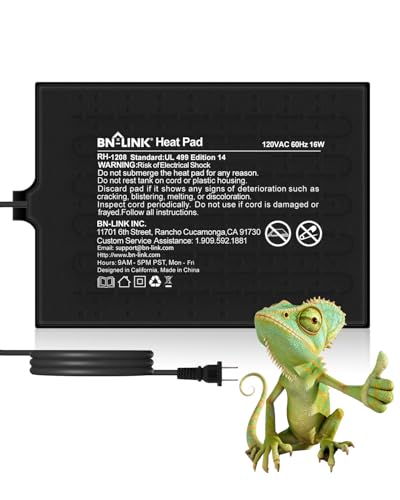
VIVOSUN Reptile Heat Mat
VIVOSUN Reptile Heat Mats deliver essential belly heat, critical for a ball python's digestion and overall well-being. They are an effective solution for establishing a precise warm spot within a temperature gradient when regulated by a thermostat.
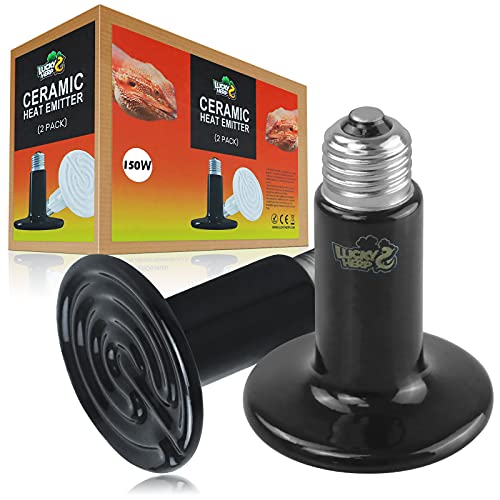
REPTI ZOO Reptile Ceramic Heat Emitter
REPTI ZOO Ceramic Heat Emitters are a superb choice for maintaining stable ambient temperatures, especially during nighttime hours, without emitting disruptive light. They are crucial for creating a consistent thermal environment that supports a ball python's metabolic functions.

BN-LINK Digital Heat Mat Thermostat Controller
The BN-LINK Digital Heat Mat Thermostat Controller is a paramount safety device, ensuring that heating elements operate within safe and optimal temperature ranges. Its precise digital control prevents thermal runaway, thereby protecting ball pythons from severe burns and heat-related stress.
Frequently Asked Questions
A temperature of 78°F is perfect for the cool side of a ball python's enclosure. However, if the entire tank, including the warm side, is 78°F, it is too cold. Ball pythons need a hot spot between 88-92°F to properly digest their food and maintain their immune system.
References & Sources
- https://reptifiles.com/ball-python-care-guide/ball-python-humidity-temperatures/
- https://community.morphmarket.com/t/temperatures-for-ball-python/42274
- https://dubiaroaches.com/blogs/snake-care/ball-python-care-sheet?srsltid=AfmBOopLu_uDXEyB4PBpm6lPbQE_nn1UYwE72LMWwI6DpRG0gWQcHbkT
- https://www.petmd.com/reptile/ball-python-care-sheet
- https://reptifiles.com/wp-content/uploads/2020/11/Ball-Python-Care-Sheet-PDF-1.pdf
- https://www.thesprucepets.com/ball-python-lighting-1239263
Related Articles

Best Ball Python Starter Kit: Essential Supplies Explained
Discover the essential supplies you need to create the perfect habitat for your new ball python. Learn what to look for in a starter kit and avoid common mistakes.

Best Ball Python Breeders: Top 5 in 2026
Discover the top 5 best ball python breeders in 2026, known for their quality, ethics, and community support. Perfect for beginners and experienced keepers alike.

Best Humidifier for Ball Python: Top Picks (2026)
Find the best humidifier for your ball python. We review 7 top foggers and misters to help you maintain perfect 60–80% humidity for a healthy, happy snake.