What Are the 11 Best Plants for Ball Python Enclosure?
Discover the best plants for ball python enclosures — from hardy pothos to lush bromeliads. Learn which are safe, which to avoid, and how to set them up.


This article contains affiliate links. If you make a purchase through these links, we may earn a small commission at no extra cost to you. See our affiliate disclosure for details.
We recommend 5 picks here. Our top choice is the Pothos Plant for Terrarium — check price and availability below.
How we choose: we compare published specifications against the care requirements in veterinary and species-care literature, and weigh those against what long-time keepers report. We do not test products ourselves and we do not restate Amazon star ratings. The 6 sources behind this article are listed at the bottom.
Quick Comparison
- Plant Type / Accessory
- Live Plant
- Humidity Contribution
- High (Direct)
- Maintenance Level
- Medium
- Bioactive Suitability
- Excellent (Primary)
- Avg. Price (Estimate)
- $15
- Plant Type / Accessory
- Live Plant
- Humidity Contribution
- Medium (Direct)
- Maintenance Level
- Medium
- Bioactive Suitability
- Excellent (Primary)
- Avg. Price (Estimate)
- $22
- Plant Type / Accessory
- Live Plant Kit
- Humidity Contribution
- High (Direct)
- Maintenance Level
- Medium
- Bioactive Suitability
- Excellent (All-in-One)
- Avg. Price (Estimate)
- $75
- Plant Type / Accessory
- Lighting Accessory
- Humidity Contribution
- Indirect (Plant Support)
- Maintenance Level
- Low (after setup)
- Bioactive Suitability
- Essential Accessory
- Avg. Price (Estimate)
- $50
- Plant Type / Accessory
- Fake Decoration
- Humidity Contribution
- None
- Maintenance Level
- Very Low
- Bioactive Suitability
- Poor (Decoration Only)
- Avg. Price (Estimate)
- $17
Prices are estimates only. Actual prices on Amazon may vary.
Adding plants to your ball python's enclosure is one of the best upgrades you can make. They look great, help with humidity, and give your snake more places to hide and explore. But not every plant is safe — and some can actually harm your snake.
In this guide, you'll learn the best plants for ball python setups. We'll cover which species are safe, which to skip, and exactly how to use them to build a beautiful, functional enclosure.
Do Ball Pythons Need Plants?
Ball pythons don't need plants to survive. But plants can make a real difference in their quality of life — and yours.
In the wild, ball pythons live in the forests and grasslands of West and Central Africa. They're used to dense vegetation, hiding under leaves and among roots. Adding plants mimics that natural environment and helps your snake feel at home.
Here's what plants actually do for your setup:
- Help maintain humidity. Ball pythons need 60–80% humidity. Live plants release moisture through their leaves, which helps keep levels stable without constant misting.
- Create natural cover. Your snake will feel more secure with things to hide under and weave through.
- Improve air quality. Plants absorb CO₂ and release oxygen — a nice bonus in a closed enclosure.
- Look amazing. A planted enclosure is genuinely more enjoyable to have in your home.
If you're working on getting your humidity dialed in, check out our Ball Python Humidity Guide for a full breakdown of how to hit those numbers consistently.
Benefits of Adding Plants to Your Ball Python Enclosure
What you need to know
Help maintain humidity levels (ball pythons need 60-80%)
Create natural cover that mimics wild forest habitat
Improve air quality by absorbing CO₂ and releasing oxygen
Enhance visual appeal and enrichment for your snake
Live Plants vs. Fake Plants
Side-by-side comparison
| Feature | Live Plants | Fake Plants |
|---|---|---|
| Ecosystem contribution | ★Active participant in bioactive setup | No contribution |
| Humidity help | ★Release moisture through leaves | No effect on humidity |
| Maintenance | Requires light and regular care | ★Won't die without special care |
| Appearance | ★More natural look | Adequate visual enrichment |
| Flexibility | Less rearrangeable | ★Easy to clean and rearrange anytime |
Our Take: Use a mix of both: anchor the setup with a few tough live plants, then fill in gaps with high-quality fake plants.
Top Live Plants for Ball Pythons
Quick recommendations
#1 most recommended, almost impossible to kill, handles low light & traps humidity
Non-toxic, produces propagatable babies, handles humidity & warmth well
Stunning colorful rosettes with water cup for mini humidity source
Incredibly low maintenance, tolerates low light & infrequent watering
Detailed Reviews
1. Pothos Plant for Terrarium
Best Overall
Pothos Plant for Terrarium
Pros
- •Extremely resilient and forgiving, ideal for beginners
- •Effectively boosts and stabilizes enclosure humidity
- •Provides abundant natural climbing and hiding opportunities
- •Tolerates a wide range of lighting conditions, including low light
Cons
- •Requires occasional pruning to manage growth
- •Needs adequate light to thrive, even if low-light tolerant
- •May be consumed by snakes, requiring periodic replacement
Bottom Line
Golden pothos is a highly versatile and easy-to-care-for live plant, making it an excellent foundation for any ball python enclosure. It significantly contributes to both the aesthetic and functional aspects of a naturalistic habitat.
2. Bromeliad Terrarium Plant
Editor's Choice
Bromeliad Terrarium Plant
Pros
- •Adds vibrant color and unique texture to the enclosure
- •Natural cups collect water, effectively increasing local humidity
- •Easily mounted on cork bark or backgrounds without soil, saving space
- •Provides elevated resting and hiding spots for arboreal tendencies
Cons
- •Requires moderate humidity and occasional misting to prevent drying
- •Some species may require more specific light conditions
- •Can be more delicate than other plants, prone to damage from burrowing
Bottom Line
Bromeliads offer a striking visual element and functional humidity boost, making them perfect for creating vertical interest in a ball python enclosure. Their unique growth habit allows for flexible placement and creative naturalistic designs.
3. Ball Python Bioactive Plant Kit
Premium Pick
Ball Python Bioactive Plant Kit
Pros
- •Eliminates guesswork by providing pre-selected, safe plant species for bioactive setups
- •Includes necessary substrates and amendments for optimal plant health
- •Simplifies the initial setup process for live-planted enclosures
- •Promotes a self-sustaining, naturalistic environment
Cons
- •Higher initial investment compared to individual plant purchases
- •Plant selection is pre-determined, limiting customization
- •Still requires ongoing care and appropriate lighting for plant survival
Bottom Line
These kits offer a convenient all-in-one solution for establishing a thriving bioactive ball python enclosure. They are ideal for beginners, ensuring all components work synergistically to support both plants and the snake.
4. Full-Spectrum LED Grow Light for Terrarium
Best Value
Full-Spectrum LED Grow Light for Terrarium
Pros
- •Provides essential light spectrums for robust live plant growth
- •Helps regulate a natural day/night cycle, crucial for snake well-being
- •Energy-efficient LED technology reduces operational costs
- •Promotes photosynthesis, contributing to overall enclosure health
Cons
- •Represents an additional upfront cost for the setup
- •Requires proper placement and timer setup for optimal use
- •Does not directly offer physical cover or humidity benefits
Bottom Line
A full-spectrum LED grow light is indispensable for maintaining healthy live plants in any ball python enclosure. It ensures plants receive the light they need to thrive, supporting the entire bioactive ecosystem.
5. Reptile Fake Silk Plants
Budget Pick
Reptile Fake Silk Plants
Pros
- •Requires no maintenance, water, or special lighting to maintain appearance
- •Extremely easy to clean and sanitize, preventing pathogen buildup
- •Offers immediate and flexible coverage, filling empty spaces effectively
- •Safe and durable, resisting damage from curious snakes
Cons
- •Does not contribute to humidity or air quality
- •Lacks the natural aesthetic and ecosystem benefits of live plants
- •Can accumulate dust over time, requiring regular cleaning
Bottom Line
High-quality fake silk plants are an excellent supplement or alternative for providing cover and visual enrichment in a ball python enclosure. They are a low-maintenance solution for adding greenery without the demands of live plants.
Live Plants vs. Fake Plants
Both have their place. Let's be honest about the tradeoffs.
Live plants are the better choice for bioactive setups. They contribute to the ecosystem, help with humidity, and look more natural. The downside? They need light and some care to stay healthy.
Fake plants are lower maintenance. They won't die if your lighting setup isn't perfect, and they still give your snake cover and visual enrichment. [Silk and plastic reptile plants](https://www.amazon.com/dp/B0BZ8WQMDH?tag=krawlo-20 are easy to clean and rearrange whenever you want a new look.
Our recommendation: use a mix. Anchor the setup with a few tough live plants, then fill in gaps with high-quality fake ones. You get the best of both worlds.
The Best Live Plants for Ball Pythons
Here are the top picks — all non-toxic, humidity-loving, and proven in reptile enclosures.
1. Pothos (Epipremnum aureum)
Pothos is the #1 most recommended plant for ball python enclosures — and for good reason. It's almost impossible to kill, grows fast, and handles low light really well.
Pothos vines trail naturally across enclosure floors and climb backgrounds. Your snake will love weaving through the leaves. The thick foliage also helps trap humidity near the ground, where your ball python spends most of its time.
Care tips:
- Tolerates low to medium indirect light
- Water when the top inch of soil dries out
- Trim regularly to keep it from taking over
You can find [pothos cuttings or starter plants](https://www.amazon.com/dp/B09XWWKRQW?tag=krawlo-20 at most garden centers or reptile plant suppliers online.
2. Spider Plant (Chlorophytum comosum)
Spider plants are one of the most searched plants for ball python enclosures — and they earn that attention. They're completely non-toxic, very hardy, and produce little offshoots called "babies" that you can propagate into new plants.
They handle the humidity and warmth of a ball python enclosure well. The arching leaves give your snake some natural overhead cover, which many keepers overlook when setting up an enclosure.
Care tips:
- Tolerates low to bright indirect light
- Likes to dry out slightly between waterings
- Grows best in a pot with good drainage
3. Bromeliads
Bromeliads are stunning in reptile enclosures. They have dramatic, colorful rosettes and a natural cup in the center that holds water. That water cup doubles as a mini humidity source — just keep it topped off with clean water.
They're native to tropical forests, so they're right at home in a ball python setup. Most bromeliads don't even need soil — you can mount them on cork bark or driftwood for a really natural look.
Care tips:
- Bright indirect light preferred
- Fill the center cup with clean water weekly
- Keep roots barely moist — they rot easily if overwatered
[Bromeliad plants for terrariums](https://www.amazon.com/dp/B00BLR4W2I?tag=krawlo-20 are available at reptile specialty stores and online suppliers.
4. Snake Plant (Sansevieria / Dracaena trifasciata)
Despite the name, snake plants are worth including on this list. They're considered safe for reptiles and incredibly low maintenance. They tolerate low light and very infrequent watering — basically the opposite of needy.
They add a nice vertical element to enclosures and stay compact for a long time. If you want a plant that just sits there and looks good without much fuss, this is it.
Care tips:
- Low to bright indirect light
- Water every 2–4 weeks — seriously, less is more
- Avoid soggy soil at all costs
5. Creeping Fig (Ficus pumila)
Creeping fig is a ground-cover plant that spreads quickly and covers substrate, cork bark, and backgrounds with a carpet of small, glossy leaves. It's very popular in bioactive builds for good reason.
One important note: avoid Ficus benjamina (weeping fig) — it's mildly toxic and can irritate reptile skin. Stick with Ficus pumila, which is well-established as safe for reptile enclosures.
Care tips:
- Prefers moderate humidity — perfect for ball python setups
- Needs moderate indirect light
- Water regularly but don't let it sit in standing water
6. Peperomia
Peperomia is a diverse genus with hundreds of species. Most are non-toxic, compact, and forgiving of missed waterings. They come in loads of textures and colors, which adds real visual interest to your enclosure.
Trailing varieties work well along the floor. Compact rosette types look great tucked into corners or around hides. Either way, they're a solid addition.
Care tips:
- Low to medium indirect light
- Let soil dry out between waterings
- Very forgiving — great for beginners
7. Tillandsia (Air Plants)
Air plants are a fun choice because they don't need soil at all. You can mount them directly on cork bark, driftwood, or enclosure walls using aquarium-safe silicone or wire. They absorb moisture from the air, which makes them a natural fit for humid ball python setups.
They're non-toxic and add a really unique, natural look to the enclosure. Mist them lightly a few times per week and give them some indirect light, and they'll thrive.
Plants to Avoid in Ball Python Enclosures
Some plants are toxic or irritating to reptiles. Here are the most common ones to keep out of your setup:
| Plant | Why to Avoid |
|---|---|
| Dieffenbachia (Dumb Cane) | Highly toxic — causes mouth and throat irritation |
| Philodendron | Mildly toxic if ingested |
| Peace Lily | Toxic to most animals |
| Aloe Vera | Can irritate reptile skin and digestive tract |
| Jade Plant | Toxic if ingested |
| English Ivy | Toxic — causes digestive upset |
| Pothos lookalikes (Scindapsus pictus) | Some species are less studied — stick to golden pothos |
When in doubt, check the Reptifiles reptile-safe plant list before adding anything new. It's one of the most comprehensive resources available.
How to Set Up Plants in Your Ball Python Enclosure
Setting up plants isn't complicated, but there is a right way to do it.
Start with the right substrate. A bioactive-ready substrate holds moisture and supports healthy plant roots. A mix of coco fiber, topsoil, and leaf litter works really well. For more detail on choosing the right base, our Best Substrate for Ball Pythons guide covers everything you need to know.
Think about plant placement. Put taller plants at the back and sides of the enclosure. Leave the center and front more open — that's where your ball python will move around most. You want your snake to feel like it can travel freely without fighting through foliage.
Use pots when possible. Potted plants are easier to remove for spot cleaning or replacement. They also let you pull plants out temporarily during feeding without disturbing the whole setup.
Mount plants on backgrounds. If you have a cork bark or foam background, use zip ties or aquarium-safe silicone to mount bromeliads, air plants, or trailing pothos directly to the surface. This creates a lush, vertical look that really transforms the enclosure.
Let plants establish before adding your snake. Give new plants at least a week to settle in. This lets the soil microbiome stabilize if you're doing a bioactive build, and lets you catch any issues before your snake moves in.
Lighting: What Your Plants Actually Need
Ball pythons don't require UVB light, but your plants do need some light to survive. Most of the plants on this list are low-light tolerant, but they'll do much better with a decent grow light.
A full-spectrum LED plant light on a timer works perfectly. Set it for 12 hours on and 12 hours off. This gives the plants enough light and creates a natural day/night cycle for your snake at the same time.
(Estimates only — actual prices on Amazon may vary.) A good [LED grow light for your terrarium](https://www.amazon.com/dp/B0DX6GM3R4?tag=krawlo-20 typically runs $20–$60. It's one of the best investments you can make for a live-planted enclosure.
Tips for Keeping Plants Alive
Let's be real — ball python enclosures can be tough on plants. High humidity, limited airflow, and a large snake moving around can stress plants out over time.
Here's how to keep them thriving:
- Don't overwater. High humidity means the soil stays moist longer than you'd expect. Stick your finger in — if it's still damp, wait another few days.
- Add some airflow. A small fan on a low setting helps prevent mold and keeps plants healthier. Just don't point it directly at your snake's basking area.
- Watch for pests. Fungus gnats love moist reptile substrate. If you spot them, beneficial nematodes or yellow sticky traps work well.
- Replace struggling plants. Don't feel bad about swapping out a plant that's not doing well. It happens. Just keep a backup ready.
- Maintain stable temps. Consistent temperatures aren't just good for your snake — they're good for the plants too. Our Best Ball Python Thermostat guide covers the top options for keeping everything in the right range.
Ball Python Plant Kits: Are They Worth It?
You can buy pre-assembled ball python plant kits from specialty reptile suppliers. These typically include 3–5 plants selected specifically for compatibility with ball python setups.
They're convenient, especially if you're new to bioactive keeping. The plants are already vetted as safe, and the selection is usually balanced for different enclosure zones — ground cover, mid-level, and accent.
(Estimates only — actual prices on Amazon may vary.) Plant kits generally run $25–$60 depending on the supplier and how many plants are included.
The downside is limited customization. If you want a specific look or have a non-standard enclosure size, building your own plant selection is usually the better move.
Final Thoughts
Adding plants to your ball python's enclosure is one of the most rewarding things you can do as a keeper. You get a healthier environment for your snake, a more enriching space overall, and an enclosure that looks genuinely impressive.
Start with pothos and spider plants if you're new to live plants — they're nearly impossible to kill and work great in ball python setups. As you get more comfortable, add bromeliads, air plants, and creeping fig for more visual complexity and depth.
Just remember: always verify that a plant is non-toxic before adding it. When in doubt, stick to the tried-and-true species on this list. Your snake will thank you.
Our Final Verdict
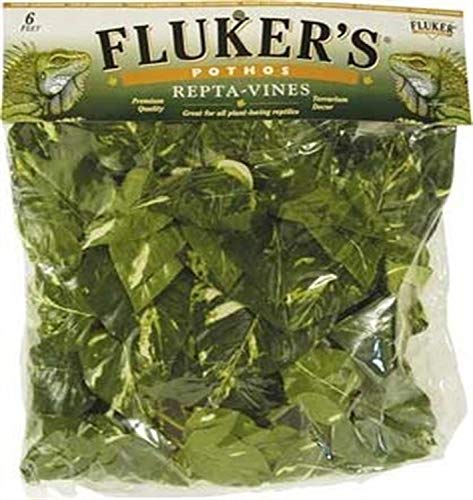
Pothos Plant for Terrarium
Golden pothos is a highly versatile and easy-to-care-for live plant, making it an excellent foundation for any ball python enclosure. It significantly contributes to both the aesthetic and functional aspects of a naturalistic habitat.

Bromeliad Terrarium Plant
Bromeliads offer a striking visual element and functional humidity boost, making them perfect for creating vertical interest in a ball python enclosure. Their unique growth habit allows for flexible placement and creative naturalistic designs.
Ball Python Bioactive Plant Kit
These kits offer a convenient all-in-one solution for establishing a thriving bioactive ball python enclosure. They are ideal for beginners, ensuring all components work synergistically to support both plants and the snake.
Frequently Asked Questions
Safe plants for ball python enclosures include pothos, spider plants, bromeliads, snake plants, creeping fig (Ficus pumila), peperomia, and air plants (Tillandsia). All of these are non-toxic and well-suited to the warm, humid conditions ball pythons need. Always verify a plant's safety before adding it to the enclosure.
References & Sources
- https://www.thebiodude.com/blogs/snake-caresheets/ball-python-care-guide?srsltid=AfmBOoqvsiV38G1E-r9Ev-YflgUbnzjMEzIJTCs-BFJoGiMhyw_VZ90_
- https://www.zenhabitats.com/blogs/reptile-care-sheets-resources/ball-python-care-sheet-provided-by-reptifiles?srsltid=AfmBOopWDJxhHE_sau4TePUlMBv4RF_ZtRnBunE_29GTpEH8jtavfnne
- https://reptifiles.com/reptile-safe-plants-for-bioactive-terrariums-list/
- https://reptifiles.com/live-plants-vs-fake-plants/
- https://dubiaroaches.com/blogs/snake-care/ball-python-care-sheet?srsltid=AfmBOopgxsNB7FAiy99vEQsRUFZFBKFDUM9n2pFj OnNFaVWn
- https://community.morphmarket.com/t/ball-python-care-guide/39828
Related Articles

Best Ball Python Starter Kit: Essential Supplies Explained
Discover the essential supplies you need to create the perfect habitat for your new ball python. Learn what to look for in a starter kit and avoid common mistakes.

Best Ball Python Breeders: Top 5 in 2026
Discover the top 5 best ball python breeders in 2026, known for their quality, ethics, and community support. Perfect for beginners and experienced keepers alike.

Best Humidifier for Ball Python: Top Picks (2026)
Find the best humidifier for your ball python. We review 7 top foggers and misters to help you maintain perfect 60–80% humidity for a healthy, happy snake.