
How Much Does an Ackie Monitor Cost? (2026 Full Price Breakdown)
Find out how much an ackie monitor costs in 2026, from the animal price to full setup and monthly expenses. Get the complete cost breakdown before you buy.

✓Recommended Gear
In this guide, we cover everything you need to know and recommend 6 essential products. Check prices and availability below.
You're standing at a reptile expo, staring at a price tag on an ackie monitor — and wondering if that number is normal, or if you're getting played. Here's the honest, full breakdown of what ackies actually cost in 2026, from the animal itself to the last bag of substrate.
Quick Answer: A captive-bred ackie monitor costs $150–$350 for a standard red morph, or $350–$600+ for a yellow morph. First-year setup costs typically run $700–$1,200 (enclosure, lighting, heating, substrate), and ongoing monthly costs average $50–$100.
How Much Does an Ackie Monitor Cost to Buy?
A captive-bred ackie monitor costs $150–$600+ depending on morph, breeder reputation, and source — and that purchase price is usually the cheapest part of the whole equation.
Red ackie monitors (Varanus acanthurus) are the most common variety in the hobby. Yellow ackies (Varanus acanthurus brachyurus) are rarer in captivity and reliably command a premium price from specialist breeders [1].
Red vs. Yellow Ackie Price Comparison
| Morph | Price Range | Availability |
|---|---|---|
| Red Ackie Monitor | $150–$350 | Common — many breeders |
| Yellow Ackie Monitor | $350–$600 | Less common — specialist breeders |
| High-Color / Rare Morph | $500–$1,000+ | Very rare — limited availability |
| Wild-Caught (avoid) | $80–$150 | Occasionally listed — not recommended |
Wild-caught animals are a false bargain. They carry heavy parasite loads, stress poorly in captivity, and their purchase funds wild collection — ackie monitors are a protected species in their native Australia [2].
Where to Buy an Ackie Monitor
The best source is always a reputable captive-bred breeder — ideally one you can meet in person or verify through the reptile community.
Your main buying options:
- Reptile expos — see the animal in person, assess body condition and temperament directly
- MorphMarket-listed breeders — research seller reviews and feeding history before committing
- Specialty reptile shops — quality varies widely; always ask for hatch date and feeding records
- Reptile rescues — occasionally have ackies at lower cost, but may need extra vet care [3]
Pro Tip: Always ask for the hatch date, feeding records, and shed history. A healthy juvenile ackie should be eating readily on live crickets or roach nymphs before you buy. A hatchling that won't eat is a red flag — not a project.
Before visiting a breeder or expo, read the Ackie Monitor Complete Care Guide for Beginners — it'll help you ask the right questions and spot a healthy animal from across the table.
Quick Facts
Red Ackie Monitor
$150–$350
Most common morph — many breeders
Yellow Ackie Monitor
$350–$600+
Rarer in captivity — specialist breeders
High-Color Morph
$500–$1,000+
Very limited availability
First-Year Setup
$700–$1,200
Enclosure, lighting, heating, substrate
Monthly Ongoing
$50–$100
Feeders, supplements, electricity
What Are the Initial Setup Costs?
The first-year setup for an ackie monitor typically costs $700–$1,200, with the enclosure, lighting, and heating being the largest line items.
Most new owners are surprised to find the animal costs less than the habitat. That's normal for monitors — their husbandry requirements are significantly more demanding than starter reptiles like leopard geckos or corn snakes.
Enclosure Costs
A proper adult ackie monitor enclosure is a minimum 4' × 2' × 2' — plan to spend $300–$600 for a quality PVC or wood build.
The Zen Habitats 4x2x2 Reptile Enclosure is a top pick among keepers — it retains humidity well, features front-opening access for less stressful interactions, and handles deep substrate fills without bowing or warping. Glass aquariums lose heat and humidity far too quickly for this species.
See all the top-rated options in the Best Ackie Monitor Enclosure: Top Picks for 2026.
Lighting and Heating Costs
Ackie monitors need high-output T5 HO UVB (10.0 or 12%) and a basking spot of 130–150°F [1] — quality equipment here is non-negotiable.
The Arcadia T5 HO 12% UVB Kit is the gold standard for monitor lizard UVB. It produces sufficient UV output across the full enclosure length to meet the high-desert habitat requirements these animals evolved for.
For heating, the Zen Habitats Deep Heat Projector provides deep tissue warming that mimics infrared radiation from sun-baked Australian rock outcroppings. Pair it with the Inkbird ITC-306T Thermostat to dial in basking accuracy and prevent dangerous thermal spikes.
The Govee Bluetooth Thermometer/Hygrometer is a practical tool for monitoring temperatures and humidity across multiple enclosure zones — critical for a species with such a steep thermal gradient requirement.
Pro Tip: Never use hot rocks or ceramic heat emitters without a quality thermostat. Ackies need precisely controlled basking temperatures — poor setups lead to thermal burns or chronic cold stress, both of which result in expensive vet bills.
Substrate and Décor Costs
A proper ackie substrate mix needs to hold burrows without collapsing — plan for 6–12 inches of depth and $30–$60 per full substrate refill.
A keeper-tested blend:
- 60–70% organic topsoil (no fertilizers, no perlite)
- 20–30% play sand (silica-free)
- 10% coconut coir (optional — improves moisture retention for deep burrow stability)
Budget $20–$50 for hides, flat rocks, and décor. Ackies need multiple thermal gradient zones across the enclosure floor, not just a single hide tucked in one corner.
Full Initial Cost Breakdown
(Estimates only — actual prices on Amazon may vary.)
| Item | Estimated Cost |
|---|---|
| Ackie Monitor (captive-bred red) | $150–$350 |
| Enclosure (4×2×2 PVC/wood) | $300–$600 |
| T5 HO UVB Fixture + Bulb | $80–$150 |
| Basking Bulbs (halogen PAR38) | $15–$30 |
| Deep Heat Projector | $60–$100 |
| Thermostat (dimmer/proportional) | $40–$90 |
| Substrate (initial deep fill) | $30–$60 |
| Water dish + hides + décor | $20–$50 |
| Digital Thermometer/Hygrometer | $15–$35 |
| Total Estimate | $710–$1,465 |
Check the Best Ackie Monitor Starter Kit for Beginners for curated gear picks that cut this cost without sacrificing quality.
Pro Tip: Skip generic "beginner reptile kits" from big-box pet stores — they almost never include the right equipment for monitors. Keeper community analysis shows these kits waste money and often include unsafe heating setups [4].
Zen Habitats 4x2x2 Reptile Enclosure
Retains humidity well, features front-opening doors for low-stress access, and handles deep substrate fills without warping — the ideal adult ackie enclosure.
Arcadia T5 HO 12% UVB Kit
Produces the high-output UVB required by desert monitor lizards across the full enclosure length — the keeper community gold standard for ackie UVB.
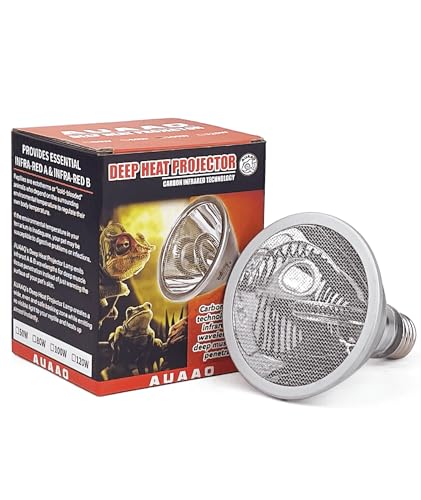
Zen Habitats Deep Heat Projector
Provides deep tissue warming through infrared radiation, mimicking the heat ackies receive from sun-warmed Australian sandstone — far more effective than surface-only heat sources.

Inkbird ITC-306T Reptile Thermostat
Proportional dimmer thermostat keeps basking temps accurate within 1°F — essential for the precise 130–150°F basking zone ackie monitors require.
Govee Bluetooth Thermometer Hygrometer
Monitors temperature and humidity across multiple zones via smartphone app — critical for maintaining the steep thermal gradient ackie monitors need for health.
Cost Breakdown
What to budget for
Monthly Costs of Owning an Ackie Monitor
Ongoing monthly costs for an ackie monitor run $50–$100, with feeder insects being the single biggest recurring expense.
Ackies are strict insectivores. A healthy adult eats every 2–3 days, rotating through crickets, dubia roaches, mealworms, black soldier fly larvae, and occasional waxworms as treats.
Feeder Insect Costs
Buying feeders in bulk — or starting your own feeder colony — cuts monthly costs by 50–60% compared to pet store purchasing.
The Josh's Frogs Dubia Roach Starter Colony Kit is a smart long-term investment. A small colony becomes self-sustaining within 2–3 months, reducing ongoing feeder costs to just colony food and substrate.
Feeder cost comparison by source:
- Dubia roaches (bulk online): $15–$25/month
- Crickets (bulk online): $10–$20/month
- Black soldier fly larvae (CalciWorms): $8–$15/month
- Pet store feeders: 2–3× higher per insect than bulk orders
See the Best Ackie Monitor Food: Complete Feeding Guide for a full feeder rotation schedule and supplementation protocol to keep your ackie nutritionally balanced year-round.
Monthly Expense Breakdown
(Estimates only — actual prices may vary.)
| Monthly Expense | Estimated Cost |
|---|---|
| Feeder insects (bulk or colony) | $20–$40 |
| Calcium + D3 supplements | $5–$10 |
| UVB bulb replacement (amortized monthly) | $5–$10 |
| Electricity (heating + lighting) | $10–$25 |
| Miscellaneous (substrate top-up, etc.) | $5–$15 |
| Monthly Total | $45–$100 |
The Hidden Cost: Veterinary Care
As of 2026, reptile veterinarians recommend annual wellness checks for captive monitor lizards — budget $150–$300 per year for routine care.
Exam fees average $75–$200 per visit. A fecal parasite screening adds $40–$80. Emergency visits can run $300–$1,000+ — respiratory infections and metabolic bone disease from inadequate UVB are the two most common costly health issues in captive ackies [5].
Find a qualified reptile vet before you bring your ackie home through the Association of Reptile and Amphibian Veterinarians (ARAV) vet locator. Don't wait until something goes wrong to make that call.
Are Ackie Monitors Worth the Cost?
For serious reptile keepers, ackie monitors offer exceptional value — they're interactive, intelligent, long-lived (15–20 years), and one of the most manageable monitor species available in the hobby.
They top out at 24–28 inches — impressive enough to be engaging, compact enough for a dedicated enclosure in the corner of a room. Compare that to a Nile monitor at 5–7 feet requiring a custom-built room-sized setup, and the ackie suddenly looks like a bargain.
How Ackies Compare to Other Popular Reptile Pets
| Feature | Ackie Monitor | Leopard Gecko | Bearded Dragon |
|---|---|---|---|
| Lifespan | 15–20 years | 10–20 years | 10–15 years |
| Adult size | 24–28 inches | 8–10 inches | 18–24 inches |
| Setup cost | $700–$1,200 | $300–$600 | $400–$800 |
| Activity level | Very high | Low–moderate | Moderate |
| Tameability | High | Moderate | High |
| Recommended experience | Intermediate | Beginner | Beginner |
Ackie monitors require considerably more setup investment than a leopard gecko or ball python. If budget is tight, be honest with yourself — the feeder and lighting costs accumulate meaningfully across a 15–20 year lifespan.
Common Money-Wasting Mistakes New Owners Make
Avoid these expensive errors:
- Starting with too small an enclosure — upgrading later costs more than buying the right size upfront
- Using cheap coil UVB bulbs — they don't produce adequate UV for monitors and cause metabolic bone disease over time
- Skipping a thermostat — uncontrolled basking equipment causes thermal burns or hypothermia
- Buying from a pet store with no feeding history — sick animals mean immediate vet bills
- Ordering feeders in small batches — pet store pricing runs 2–3× higher per insect than bulk orders
Ready to build the right setup from the start? The Best Ackie Monitor Lighting guide and Best Ackie Monitor Heating guide cover every option so you don't overspend on gear that underdelivers.
Key Takeaways
What you need to know
Ackie monitors live 15–20 years — amortize setup costs across that full lifespan
At 24–28 inches, they're the most manageable monitor species in the hobby
Skip cheap starter kits — proper gear prevents costly vet visits later
Buy captive-bred only — wild-caught animals cost more in vet bills and parasite treatment
Bulk feeder orders cut monthly costs by 50–60% versus pet store purchasing
Recommended Gear
Zen Habitats 4x2x2 Reptile Enclosure
Retains humidity well, features front-opening doors for low-stress access, and handles deep substrate fills without warping — the ideal adult ackie enclosure.
Arcadia T5 HO 12% UVB Kit
Produces the high-output UVB required by desert monitor lizards across the full enclosure length — the keeper community gold standard for ackie UVB.
Zen Habitats Deep Heat Projector
Provides deep tissue warming through infrared radiation, mimicking the heat ackies receive from sun-warmed Australian sandstone — far more effective than surface-only heat sources.
Inkbird ITC-306T Reptile Thermostat
Proportional dimmer thermostat keeps basking temps accurate within 1°F — essential for the precise 130–150°F basking zone ackie monitors require.
Govee Bluetooth Thermometer Hygrometer
Monitors temperature and humidity across multiple zones via smartphone app — critical for maintaining the steep thermal gradient ackie monitors need for health.

Josh's Frogs Dubia Roach Starter Colony Kit
A self-sustaining dubia colony cuts monthly feeder costs by 50–60% within 2–3 months — the most cost-effective long-term feeder solution for ackie monitors.
Frequently Asked Questions
A captive-bred red ackie monitor costs $150–$350, while yellow ackies run $350–$600+. First-year setup costs typically add $700–$1,200, and monthly ongoing expenses average $50–$100 — budget roughly $900–$1,800 total for your first year.
References & Sources
- https://reptifiles.com/ackie-monitor-care/
- https://www.thebiodude.com/blogs/lizard-caresheets/ackie-monitor-care-sheet-and-bioactive-terrarium-maintenance-guide
- https://reptifiles.com/reptile-adoption/
- https://reptifiles.com/reptile-kit-useless-waste-of-money/
- https://reptilesmagazine.com/ackie-monitor-information-and-care/
- https://www.lllreptile.com/articles/179-ackies-monitor
Related Articles

How Much Does a Corn Snake Cost in 2026? Detailed Price Guide and Budget Tips
Find out how much a corn snake costs in 2026, including initial setup and long-term care expenses. Plan your budget now and avoid surprises later.

How Much Does a Bearded Dragon Cost? (2026 Updated)
Learn how much a bearded dragon costs in 2026, from initial setup to ongoing expenses. Get detailed tips and budget-friendly advice.

How Much Does a Leopard Gecko Cost? Full Price Breakdown for 2026
How much does a leopard gecko really cost in 2026? From purchase price to monthly expenses, here's the complete breakdown. Find out before you buy!