
How Much Does a Leopard Gecko Cost? Full Price Breakdown for 2026
How much does a leopard gecko really cost in 2026? From purchase price to monthly expenses, here's the complete breakdown. Find out before you buy!

✓Recommended Gear
In this guide, we cover everything you need to know and recommend 5 essential products. Check prices and availability below.
You're scrolling reptile forums at midnight, falling in love with photos of those spotted little faces, and one question keeps coming up: "But how much does this actually cost?" Most answers online throw out a vague range and leave you guessing.
This guide breaks down every dollar — the gecko, the setup, the monthly bills, and the costs most first-timers don't see coming.
Quick Answer: A leopard gecko itself costs $20–$75 at a chain pet store, or $40–$500+ from a reputable breeder depending on morph. The full first-year cost — gecko, setup, and an initial vet visit — typically runs $300–$700. After that, monthly expenses settle around $20–$40/month, making leopard geckos one of the most affordable reptile pets available.
How Much Does a Leopard Gecko Cost Upfront?
The gecko purchase price is almost always the smallest part of your first-year budget. A standard wild-type or normal leopard gecko from a chain pet store like PetSmart or Petco typically runs $20–$50. From a reputable private breeder, expect to pay $40–$150 for a healthy, well-socialized gecko with documented lineage [1].
(Estimates only — actual prices may vary by location and seller.)
Prices shift based on the seller, location, the gecko's age, and its morph. Juveniles are usually cheaper than adults, but adults are easier to sex accurately — which matters if you're planning a multi-gecko setup later.
What Drives the Purchase Price?
Several factors push prices up or down:
- Source: Breeders charge more than big-box stores, but you get better genetics and a care history
- Age: Hatchlings and juveniles are usually cheaper; proven adult breeders cost more
- Sex: Females often cost slightly more since they can produce eggs
- Morph: This is the biggest variable — more on this in the next section
- Health documentation: CB (captive-bred) geckos always cost more than WC (wild-caught) — and for very good reason
Pro Tip: Always buy captive-bred. Wild-caught leopard geckos carry significantly higher parasite loads and have much higher stress-related mortality rates in captivity. According to The Bio Dude's 2024 leopard gecko care sheet, CB geckos acclimate faster and have stronger long-term outcomes than WC animals [1].
The Full First-Year Budget
Here's a realistic snapshot of what Year 1 actually costs:
| Expense | Low End | High End |
|---|---|---|
| Gecko purchase | $20 | $500+ |
| Enclosure + equipment | $100 | $400 |
| Initial vet wellness exam | $50 | $150 |
| Starter feeder insects | $15 | $30 |
| Supplements (calcium + D3) | $10 | $20 |
| Year 1 Total | $195 | $1,100+ |
Most first-time owners land somewhere in the $300–$600 range — buying a normal morph gecko and a mid-tier setup. Rare morphs and premium enclosures push you toward the top end.
Cost Breakdown
What to budget for
Leopard Gecko Morphs and How They Affect Price
The morph is the single biggest price variable when buying a leopard gecko. Morphs are genetic color and pattern variations — and the rarer the combination, the steeper the price tag.
As of 2026, the leopard gecko morph market is more developed than almost any other reptile species, with hundreds of recognized variations. Prices range from $30 for a common Albino to $2,000+ for rare Radar or Black Night morphs, according to PetMD's leopard gecko type guide [2].
Common Morphs and Their Typical Prices
| Morph | Price Range | Notes |
|---|---|---|
| Normal (Wild Type) | $20–$40 | Most affordable, very hardy |
| High Yellow | $30–$60 | Common, great for beginners |
| Albino (APTOR/RAPTOR/Bell) | $40–$100 | 3 distinct albino strains exist |
| Mack Snow | $40–$80 | Pale coloring, very popular |
| Blizzard | $50–$100 | All-white or gray appearance |
| Tangerine / Carrot Tail | $60–$150 | Orange-heavy coloration |
| Super Giant | $100–$300 | Larger body size gene |
| Eclipse / Solid Eye | $100–$200 | Full solid-colored eyes |
| Black Night | $500–$2,000+ | Nearly all-black, extremely rare |
| Radar | $500–$2,000+ | Eclipse + Albino combination |
Pro Tip: For a first gecko, a Normal or High Yellow morph is the best value. These morphs are genetically robust, widely available from healthy breeding stock, and just as rewarding to keep as exotic rare morphs.
Want to go deeper on morph genetics? The Leopard Gecko Morphs Complete Guide covers visual traits, genetics, and what to look for when buying each type.
Morph Pricing Is Not Just About Looks
Some morphs carry known health risks — the Lemon Frost morph, for example, is linked to iridophoroma, a type of tumor. Keeper-reported data shows these geckos require more frequent veterinary monitoring.
Higher morph price doesn't always mean lower risk. Research the specific morph's health profile before paying a premium.
Common Morphs vs Rare / Designer Morphs
Side-by-side comparison
| Feature | Common Morphs | Rare / Designer Morphs |
|---|---|---|
| Price range | ★$20–$100 | $200–$2,000+ |
| Availability | ★Pet stores + breeders | Specialist breeders only |
| Genetic health risks | ★Minimal (wild-type genes) | Some morphs have known issues (e.g., Lemon Frost) |
| Visual impact | Classic spotted patterns | ★Striking / unusual coloration |
| Best for beginners | ★Yes — robust and forgiving | No — higher cost, more fragile genetics |
Our Take: Common morphs win for first-time owners. Rare morphs are for experienced keepers who understand the genetics and health trade-offs.
Setup Costs: What You'll Need to Buy
The enclosure and equipment will almost certainly cost more than the gecko itself. A proper leopard gecko setup requires an enclosure, heating equipment, a thermostat, hides, substrate, and basic accessories. Skimping here causes preventable health problems — and those vet bills cost far more than doing it right from the start.
According to PetMD's leopard gecko care sheet, the minimum recommended enclosure size for a single adult is a 20-gallon long tank [2]. Many experienced keepers now recommend going larger — a 36" × 18" × 18" footprint gives adults much better thermoregulation range.
Enclosure
The **[REPTI ZOO 22-Gallon Glass Terrarium](https://www.amazon.com/dp/B0CJB93LCR?tag=krawlo-20 is a popular starter choice — front-opening doors, a secure screen top, and a reasonable price for a quality build. Front-opening enclosures reduce stress significantly during feeding and handling.
Budget $60–$200 for a quality enclosure depending on size and brand.
Heating
Leopard geckos need a warm side of 88–92°F and a cool side of 72–77°F [3]. They're crepuscular ground-dwellers that thermoregulate from below, so under-tank heaters (UTHs) are the standard approach — but they must be paired with a digital thermostat.
The **[Zoo Med ReptiTherm Under Tank Heater](https://www.amazon.com/dp/B00BUFWCNC?tag=krawlo-20 is a reliable, widely-used UTH that works well for 20-gallon setups. Pair it with the **[Inkbird ITC-306A Digital Thermostat](https://www.amazon.com/dp/B0F638W48F?tag=krawlo-20 — this prevents overheating and is a non-negotiable piece of equipment. An uncontrolled UTH can hit 130°F+ and cause burns.
Full Equipment List and Costs
Here's everything needed for a complete starter setup:
- Enclosure (20-gallon long or larger): $60–$200
- Under-tank heater: $15–$30
- Digital thermostat: $25–$60
- 3 hides (cool side, warm side, humid middle): $20–$60 total
- Substrate (tile, paper towel, or reptile carpet): $10–$30
- Water dish: $5–$10
- Food and supplement dishes: $5–$15
- Digital thermometer and hygrometer: $10–$20
Total setup range: $150–$425
The **[Pangea Reptile Premium Magnetic Hides](https://www.amazon.com/dp/B0F1DQWK1W?tag=krawlo-20 are excellent for both the warm and cool sides — they hold temperature well and are easy to clean and sanitize. You'll need at least three hides total.
Before finalizing your enclosure, check out the Setting Up a Leopard Gecko Humid Hide guide — the moist hide is one of the most underestimated pieces of equipment and is critical for proper shedding.
Pro Tip: We recommend checking out the Leopard Gecko Care Hub for a complete equipment overview. Getting the setup right before the gecko arrives prevents costly stress-related illness in the first few weeks.

REPTI ZOO 22-Gallon Glass Reptile Terrarium
Front-opening doors and a secure screen top make feeding and maintenance far less stressful for both keeper and gecko.
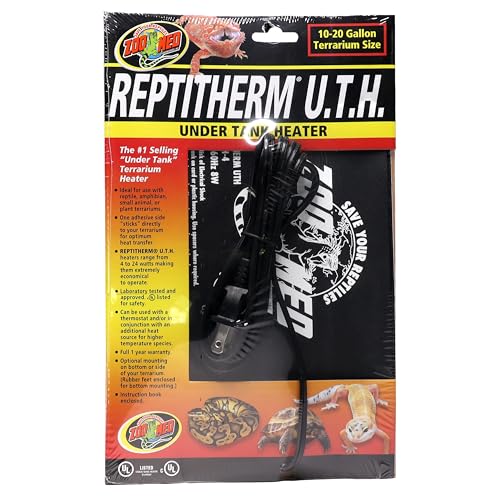
Zoo Med ReptiTherm Under Tank Heater
A reliable, widely-used UTH that provides consistent belly heat — the primary heating method leopard geckos need to thermoregulate.

Inkbird ITC-306A Digital Thermostat
A non-negotiable piece of equipment — this prevents your UTH from overheating and burning your gecko through the tank floor.

Pangea Reptile Premium Magnetic Hides
Holds temperature well on the warm side, easy to sanitize, and the magnetic lid makes checking on your gecko simple without stressing it.
Equipment Checklist
Everything you need to get started
Monthly Costs of Owning a Leopard Gecko
Once the setup is paid for, leopard geckos are one of the most affordable reptiles to maintain — typically $20–$40 per month. That's significantly cheaper than bearded dragons ($60–$100/month in food alone) or chameleons ($80–$150/month).
Feeder Insects
Leopard geckos eat live insects exclusively. The main staple feeders are:
- Mealworms — cheap, easy to store (~$3–$5 per 100 count)
- Crickets — nutritionally superior, slightly messier (~$4–$7 per 50 count)
- Dubia roaches — the gold standard feeder, excellent protein-to-fat ratio (~$8–$15 per 100 count)
- Hornworms and waxworms — treat feeders only; high fat content makes them unsuitable as staples
Adult leopard geckos eat 5–8 appropriately-sized insects every 2–3 days. Monthly feeder costs typically run $10–$20 depending on feeder choice and whether you breed your own colonies.
For a full breakdown of quantities and timing by age, see the Leopard Gecko Feeding Schedule by Age guide.
Supplements
Calcium and Vitamin D3 supplementation is non-negotiable for leopard geckos. Without proper calcium dusting on every meal, leopard geckos develop Metabolic Bone Disease (MBD) — a painful, debilitating, and preventable condition.
The **[Repashy Calcium Plus LoD](https://www.amazon.com/dp/B08B57H9MG?tag=krawlo-20 is a community favorite — it combines calcium, vitamins, and trace minerals in a single-dust formula. One container lasts several months and costs around $10–$15.
Monthly Cost Summary
| Expense | Monthly Cost |
|---|---|
| Feeder insects | $10–$20 |
| Calcium + vitamin supplements (amortized) | $2–$5 |
| Substrate replacement or cleaning supplies | $2–$5 |
| Electricity (heating pad) | $2–$5 |
| Monthly Total | $16–$35 |
Quick Facts
Monthly food cost
$10–$20
Mealworms, crickets, or dubia roaches
Supplement cost (amortized)
$2–$5/mo
Calcium + D3 dusted on every meal
Electricity (UTH)
$2–$5/mo
Low-wattage heater runs continuously
Substrate + cleaning
$2–$5/mo
Paper towel or periodic tile cleaning
Annual vet budget
$100–$200/yr
Wellness exam + emergency fund recommended
Total monthly average
$16–$35
After initial setup is complete
Where to Buy a Leopard Gecko (And What to Pay)
Where you buy your gecko determines both the price you pay and the gecko's long-term health outcomes. This decision is one of the most important a new keeper makes — and it's consistently underestimated.
Buying Sources Compared
| Source | Price Range | Pros | Cons |
|---|---|---|---|
| PetSmart / Petco | $20–$50 | Convenient, some return policies | Unknown lineage, variable husbandry |
| Local reptile store | $30–$100 | Can inspect in person, better staff knowledge | Limited morph selection |
| Reputable breeder | $40–$500+ | Health guarantees, lineage docs, socialized | Higher upfront cost |
| Reptile expos | $30–$300 | Wide selection, competitive prices | Seasonal availability |
| MorphMarket (online) | $30–$500+ | Huge selection, seller ratings visible | Shipping stress, can't inspect first |
Pro Tip: MorphMarket.com is the most trusted online marketplace for leopard geckos. Every listing shows seller ratings, review history, and genetic documentation. Always read the seller's reviews carefully before purchasing — the reputation system there is taken seriously by the breeding community.
Red Flags When Buying Any Leopard Gecko
Never buy a leopard gecko showing any of these signs:
- Visible ribs or hip bones (severely underweight)
- Swollen, soft, or misshapen limbs (possible MBD)
- Retained shed around the toes or tail tip
- Cloudy eyes outside of a pre-shed cycle
- Lethargy during the normally-active crepuscular hours
- Loose or discolored feces visible in the enclosure
A healthy gecko should have a plump, fat tail, clear eyes, and alertness when handled in dim light. The fat tail is the most visible indicator of nutritional condition.
Hidden Costs First-Time Owners Miss
Most online cost guides for leopard geckos dramatically undercount veterinary expenses. This section covers the costs that routinely blindside new owners in their first year.
Veterinary Care
A baseline wellness exam from a reptile-specialized exotic vet runs $50–$100 in most US cities. Reptile vets are not as common as dog and cat vets — research one in your area before you're in an emergency situation.
Common health issues and their realistic treatment costs:
- Cryptosporidiosis (Crypto): $100–$300+ in diagnostics; no reliable cure exists — this is why sourcing matters
- Metabolic Bone Disease: $100–$400 in diagnostics and calcium therapy
- Retained shed complications: $50–$200 if toes or tail tip are involved
- Respiratory infection: $100–$250 in exam fees and antibiotics
Budget at least $100–$200/year for veterinary costs, even if your gecko stays healthy. An emergency fund of $300–$500 is smart to have on hand from day one.
Equipment Upgrades
Many keepers start with a 20-gallon setup and upgrade within 12 months. Factor in potential enclosure size upgrades, a second thermostat probe, or a digital hygrometer as soft ongoing costs.
Common First-Time Mistakes That Cost Money
- Buying the gecko before the setup is ready — leads to stress and acute illness in the first week
- Using loose particle substrate like sand — causes intestinal impaction, which requires emergency vet care
- Skipping the thermostat — UTHs without temperature control can burn your gecko through the tank floor
- Using red or blue "night heat" bulbs — leopard geckos don't need light-based heating and these disrupt their circadian rhythm
- Overfeeding fatty treats like waxworms — leads to obesity and refusal of healthier staple feeders
Is a Leopard Gecko Worth the Cost?
For most people, yes — leopard geckos offer an exceptional experience-to-cost ratio among reptile pets. They're long-lived (many reaching 15–20 years in captivity), relatively handleable once acclimated, and one of the most thoroughly researched reptile species in captivity.
Compared to dogs or cats, even the high-end annual cost ($400–$600 in Year 1, $200–$400/year after) is extremely modest. Compared to other reptiles, they're significantly cheaper to maintain than bearded dragons or chameleons and require far less space than large monitor species.
Keeper-reported data from the reptile community consistently shows leopard geckos as one of the top species for first-time reptile owners — not because they're "easy," but because their care requirements are concrete and achievable. The Spruce Pets rates them among the most beginner-friendly reptile species available [3].
Want to understand what daily ownership actually looks like before committing? The guide on whether leopard geckos like to be held is a great next read — temperament and interaction style are a huge part of the ownership experience.
Pro Tip: The real investment isn't money — it's time spent learning proper care before your gecko arrives. A gecko kept on correct temperatures, fed appropriate insects, and seen by a reptile vet annually can live 15–20 years. That's exceptional longevity for a pet at this price point.
Ready to build your full setup? Check out the best enclosures, hides, and heaters for leopard geckos at the Leopard Gecko Care Hub — it covers every equipment pick in detail.
Recommended Gear
REPTI ZOO 22-Gallon Glass Reptile Terrarium
Front-opening doors and a secure screen top make feeding and maintenance far less stressful for both keeper and gecko.
Zoo Med ReptiTherm Under Tank Heater
A reliable, widely-used UTH that provides consistent belly heat — the primary heating method leopard geckos need to thermoregulate.
Inkbird ITC-306A Digital Thermostat
A non-negotiable piece of equipment — this prevents your UTH from overheating and burning your gecko through the tank floor.
Pangea Reptile Premium Magnetic Hides
Holds temperature well on the warm side, easy to sanitize, and the magnetic lid makes checking on your gecko simple without stressing it.

Repashy Calcium Plus LoD All-in-One Supplement
Combines calcium, Vitamin D3, and trace minerals in a single-dust formula, eliminating the need to buy and rotate multiple supplements.
Frequently Asked Questions
At PetSmart and Petco, leopard geckos typically sell for $20–$50 depending on location and current stock. These are almost always normal or high-yellow morphs. While convenient, chain pet store geckos often come with unknown lineage and variable husbandry histories compared to breeder animals — which can increase health risks in the first few months.
References & Sources
Related Articles

How Much Does a Corn Snake Cost in 2026? Detailed Price Guide and Budget Tips
Find out how much a corn snake costs in 2026, including initial setup and long-term care expenses. Plan your budget now and avoid surprises later.

How Much Does a Bearded Dragon Cost? (2026 Updated)
Learn how much a bearded dragon costs in 2026, from initial setup to ongoing expenses. Get detailed tips and budget-friendly advice.

How Much Does an Ackie Monitor Cost? (2026 Full Price Breakdown)
Find out how much an ackie monitor costs in 2026, from the animal price to full setup and monthly expenses. Get the complete cost breakdown before you buy.