
Florida Kingsnake Care: Complete Guide (2026)
Florida kingsnake care from setup to feeding — enclosure, temperatures, bold feeding response, and how they compare to corn snakes and MBKs for first-time buyers.

✓Recommended Gear
In this guide, we cover everything you need to know and recommend 7 essential products. Check prices and availability below.
TL;DR: Florida kingsnakes (Lampropeltis getula floridana) reach 4-5 ft and need a 4×2×1 ft enclosure with an 85-88°F warm side, 72-75°F cool side, and one appropriately-sized frozen-thawed mouse every 7-10 days. They're more aggressive feeders than corn snakes and rarely refuse food; hatchlings can be defensive but usually calm with 3-6 months of regular handling.
Florida kingsnakes (Lampropeltis getula floridana) are one of the hobby's best-kept secrets: a native US colubrid that eats aggressively, stays manageable in size, tolerates handling well, and produces one of the most visually striking banding patterns in the kingsnake family. Yet most beginner guides steer newcomers toward corn snakes or ball pythons — and the Florida king gets overlooked.
This guide fixes that. Here's what makes Florida kingsnakes genuinely different from other beginner snakes, what you need to set them up correctly, and how they compare directly to corn snakes and Mexican black kingsnakes so first-time buyers can make an informed decision.
Quick stats:
- Adult size: 3.5–6 ft (106–183 cm)
- Lifespan: 15–25 years with proper care
- Temperament: Bold, active, occasionally nippy as juveniles — calms with handling
- Difficulty: Beginner-friendly (feeding response is almost foolproof)
- UVB required: No (but low-level UVB is beneficial)
- Humidity: 50–70% (subtropical Florida environment)
What Makes Florida Kingsnakes Different
The Florida kingsnake is a subspecies of the eastern kingsnake (L. g. getula) endemic to the Florida peninsula and parts of southern Georgia. Two features make them stand out from their kingsnake relatives:
Banding pattern variation. Wild Florida kingsnakes display a distinctive chain-link or "flecked" pattern — dark brown or black ground color broken by yellow or cream crossbands that connect along the sides to form a chain. Some individuals are heavily flecked with yellow on each scale (a "speckled" appearance), while others show cleaner, bolder band definition. Captive breeding has produced specimens leaning toward either extreme. You won't find this specific pattern in Mexican black kingsnakes, which are uniformly glossy black, or most corn snake morphs.
Bold, aggressive feeding response. Florida kingsnakes are ophiophagous — snake-eaters — in the wild. They're immune to pit viper venom and actively hunt rattlesnakes, cottonmouths, and other snakes in their Florida habitat. That evolutionary background produces a snake with one of the most aggressive prey-drive responses in the colubrid world. In captivity, this translates to a snake that almost never refuses meals — a significant advantage for first-time snake keepers who worry about feeding strikes.
Pro Tip: Because Florida kingsnakes have such strong feeding responses, never free-hand feed them — always use feeding tongs. An overeager Florida king will absolutely tag a finger that smells like prey. This is instinct, not aggression, but it's best avoided from the start.
Florida Kingsnake vs. Corn Snake vs. Mexican Black Kingsnake
If you're deciding between these three popular beginner snakes, here's the honest comparison:
| Feature | Florida Kingsnake | Corn Snake | Mexican Black Kingsnake |
|---|---|---|---|
| Adult size | 3.5–6 ft | 3–5 ft | 3–4.5 ft |
| Temperament | Bold, active | Calm, docile | Calm, may be defensive as juvie |
| Feeding | Very aggressive (rarely refuses) | Reliable feeder | Reliable, occasionally picky |
| Humidity needs | 50–70% (subtropical) | 40–60% | 30–50% (drier) |
| Pattern | Yellow/brown chain-link | Variable (many morphs) | Solid glossy black |
| Feeding live prey? | Never — will overpower prey easily | Not needed | Not needed |
| Price | $60–$200 CB | $40–$150 CB | $100–$300 CB |
| Lifespan | 15–25 years | 15–20 years | 15–25 years |
Choose a Florida kingsnake if: You want a bold, visually striking snake with a nearly foolproof feeding response and don't mind an animal with more "personality" (occasional juvenile nippiness is part of the package).
Choose a corn snake if: You want the calmest, most docile beginner option with the widest morph selection and the easiest husbandry.
Choose a Mexican black kingsnake if: You prefer a smaller, blacker, lower-humidity kingsnake with a sleeker appearance and generally calmer adult temperament.
Enclosure Size and Setup
Adult minimum: 4 ft L × 2 ft W × 2 ft H (120 × 60 × 60 cm). Florida kingsnakes are active explorers and need room to move. A 4×2×2 PVC or wooden enclosure is the standard adult setup in the community.
Juveniles (under 18 inches) can start in a 20-gallon long (30" × 12" × 12") tank. Move to the adult enclosure by the time they reach 3 feet.
Enclosure Type
PVC or wooden front-opening enclosures are the top choice for kingsnakes:
- Retain heat and humidity far better than glass tanks
- Front-opening doors reduce overhead approach stress (snakes instinctively watch for aerial predators)
- Less condensation than glass in humid setups
Glass tanks with tight-fitting screen lids work but require more effort to maintain subtropical humidity. Avoid all-screen enclosures — they cannot hold adequate humidity for this species.
**[Reptile Sciences 4×2×2 PVC Enclosure](https://www.amazon.com/dp/B0DRSHBP5S?tag=krawlo-20 is a common community recommendation for adult kingsnakes.
Pro Tip: Florida kingsnakes are escape artists with above-average strength for their size. Verify every enclosure latch before placing your snake inside. A standard sliding glass terrarium clip is often not enough — add a separate lock clip. You will not find your Florida king sleeping on the couch; you'll find it wedged behind the refrigerator.
Hides (Two Required)
Provide two hides — one on the warm end, one on the cool end. This allows the snake to thermoregulate while feeling secure, reducing stress and defensive behavior.
Hide size: the snake should fit inside with its body touching the walls on at least two sides. Too large and it provides no security benefit.
Enclosure Setup Essentials
What you need to know
Adult minimum: 4 ft L × 2 ft W × 2 ft H (120 × 60 × 60 cm)
Juveniles (under 18 in) start in 20-gallon long tank, upgrade by 3 feet
PVC or wooden front-opening enclosures are best — retain heat and humidity
Avoid all-screen enclosures — cannot hold adequate humidity for this species
Provide two hides (one warm end, one cool end) for thermoregulation
Temperature Requirements
| Zone | Temperature |
|---|---|
| Warm hide / basking area | 85–88°F (29–31°C) |
| Cool side | 72–78°F (22–26°C) |
| Nighttime | 65–72°F (18–22°C) |
Florida kingsnakes don't need the extreme basking temperatures of heliothermic lizards, but the warm-side temperature is critical for digestion. A snake that can't reach 85°F cannot properly process meals — food will rot in the gut.
Heating Equipment
Use an under-tank heater (UTH) or radiant heat panel controlled by a thermostat — never plug heating equipment directly into the wall.
- Vivarium Electronics VE-100 Thermostat — proportional thermostat, preferred for under-tank heaters
- **[Zoo Med Repti Therm UTH](https://www.amazon.com/dp/B07KKHZPMG?tag=krawlo-20 — reliable UTH in multiple sizes
- An infrared temperature gun for verifying warm-hide floor temp — don't guess
If your home drops below 65°F at night, add a ceramic heat emitter (CHE) on a thermostat for ambient heat. No light-producing heat sources at night — Florida kingsnakes are crepuscular/nocturnal and don't need visible light after dark.
Pro Tip: Place the UTH under one-half to one-third of the enclosure floor — not centered. You want a genuine temperature gradient so the snake can choose its preferred body temperature throughout the day.
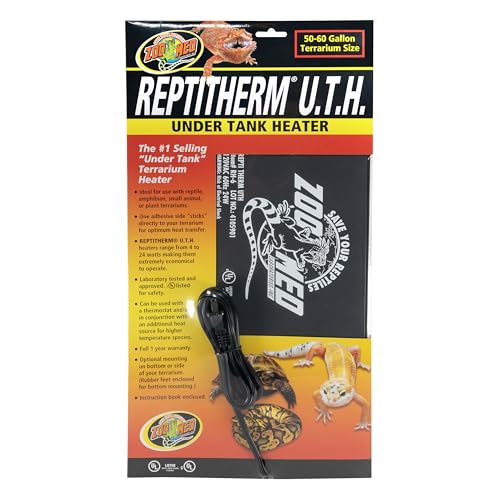
Zoo Med Repti Therm Under Tank Heater
Provides reliable belly heat for digestion on the warm side — essential for a snake that needs 85–88°F to process meals properly. Must be used with a thermostat.
Vivarium Electronics VE-100 Thermostat
Proportional thermostat that prevents temperature overshoot — the safest option for under-tank heaters. Protects your snake from thermal burns and prevents enclosure from overheating.
Temperature Zones
Warm Hide / Basking
85–88°F
(29–31°C)
Cool Side
72–78°F
(22–26°C)
Nighttime
65–72°F
(18–22°C)
Humidity Requirements
Target 50–70% relative humidity. Florida kingsnakes come from the subtropical Florida peninsula — palmetto scrublands, pine flatwoods, and marshy edges. This is significantly more humid than what most kingsnake care sheets specify (many lump all kingsnakes together and recommend 40–60%, which undershoots this subspecies).
Maintaining Humidity
- Substrate: Coco coir, cypress mulch, or a coco coir/topsoil blend holds moisture well and allows burrowing
- Humid hide: Fill one hide with damp sphagnum moss — this creates a high-humidity microclimate for shedding and helps prevent retained shed
- Light misting: Mist the cool side lightly every 1–2 days if humidity drops below 50%
- Water bowl: A large water dish (big enough for soaking) on the cool side naturally contributes ambient humidity
Monitor with a digital hygrometer — analog gauges from pet stores are notoriously inaccurate.

Cypress Mulch Reptile Substrate
Best substrate for Florida kingsnakes — holds subtropical humidity well, resists mold better than coco coir alone, allows burrowing, and looks naturalistic.

Sphagnum Moss (for Humid Hide)
Essential for the humid hide that supports clean sheds and provides a subtropical microclimate — retained shed is the most common health issue in low-humidity setups.
Digital Hygrometer Thermometer Combo
Florida kingsnakes need 50–70% humidity — the most specific humidity window in beginner colubrids. Analog gauges from pet stores are unreliable; a digital unit is accurate to ±3% RH.
Substrate
Best options for Florida kingsnakes:
| Substrate | Pros | Cons |
|---|---|---|
| Cypress mulch | Holds humidity well, natural look, easy to spot-clean | Occasional mold if oversaturated |
| Coco coir | Excellent moisture retention, resists mold, cheap | Can be dusty when dry |
| Topsoil/coco coir 60/40 blend | Best for burrowing, most naturalistic | Takes more preparation |
| Paper towels (quarantine only) | Easy to monitor parasites/health | Provides no environmental enrichment |
Avoid: Cedar or pine shavings (aromatic oils are toxic to snakes), calcium sand, reptile carpet.
Use 3–4 inches (8–10 cm) depth — Florida kingsnakes burrow regularly, especially during shed cycles and in winter months. Deep substrate lets them thermoregulate by going underground.
Spot-clean feces and urates within 24–48 hours of noticing them. Full substrate replacement every 3–4 months, or sooner if the enclosure smells or mold appears.
Feeding Florida Kingsnakes
This is the part that makes Florida kingsnakes genuinely beginner-friendly. Their ophiophagous prey drive makes them among the most aggressive feeders in the colubrid world. New hatchlings occasionally need scenting tricks, but adults almost never refuse prey.
What to Feed
Feed pre-killed or frozen/thawed mice and rats exclusively. Never feed live prey to a Florida kingsnake:
- Live rodents can bite and seriously injure your snake
- Florida kings are so powerful that prey doesn't survive long anyway
- Live feeding is unnecessary and causes animal suffering
| Snake Size | Prey Size | Guideline |
|---|---|---|
| Hatchling (< 10 in) | Pinky mouse | Prey diameter = 1.0–1.5× widest part of snake body |
| Juvenile (10–24 in) | Fuzzy or hopper mouse | Same rule |
| Subadult (2–3 ft) | Adult mouse or weanling rat | Same rule |
| Adult (3+ ft) | Small to medium rat | Appropriate rat size eliminates need for multiple mice |
Transitioning to rats is strongly recommended once your Florida king exceeds 3 feet — one appropriately-sized rat every 10–14 days is far more convenient than multiple mice.
Feeding Frequency
| Age | Frequency |
|---|---|
| Hatchlings (0–6 months) | Every 5–7 days |
| Juveniles (6–18 months) | Every 7 days |
| Adults (18+ months) | Every 10–14 days |
Always use tongs — never hand-feed a Florida kingsnake. Their strike response is fast and indiscriminate. Using a feeding container (a separate tub) is also good practice — it prevents the snake from associating the enclosure opening with feeding, which can reduce defensive striking.
Pro Tip: If your hatchling Florida king refuses frozen/thawed prey, try scenting with a small piece of lizard shed skin or tuna-water rinse on the mouse. Hatchlings in the wild often eat lizards first. Most grow out of this within a few feedings once they smell rodent regularly. Check our guide on taming a new reptile for handling protocols that also help reduce feeding-related defensiveness.
Feeding Response Warning
Florida kingsnakes in feeding mode don't discriminate well. Before handling your snake:
- Wash your hands with unscented soap (remove all prey animal scent)
- Wait 48 hours after a meal before handling — a recently-fed Florida king may regurgitate under stress
- If the snake is in strike position (S-shaped neck, tongue flicking rapidly), use a snake hook to gently move it before reaching in
Water and Hydration
Provide a water dish large enough for your snake to soak in. Florida kingsnakes soak voluntarily before shedding and during hot weather. The dish should be heavy enough not to tip (terra cotta flower pot saucers work well) and placed on the cool side.
Change water every 2–3 days and clean the dish with diluted chlorhexidine or F10SC weekly. Florida kingsnakes frequently defecate in their water bowl — check it daily.
Handling and Temperament
Juvenile Florida kingsnakes are often nippy. This is not aggression — it's prey-drive feeding response combined with defensive wariness in a new environment. It improves predictably with consistent, calm handling.
Taming Timeline
- Days 1–14: No handling. Let the snake eat one meal successfully and settle.
- Weeks 3–4: Begin handling sessions, 5–10 minutes, every 2–3 days. Use a snake hook for initial extraction if the snake is in defensive posture.
- Month 2+: Increase session length to 15–20 minutes as the snake calms. Most Florida kings become genuinely handleable within 60–90 days.
Adult Florida kingsnakes that have been regularly handled are typically calm, curious, and tolerant of extended handling sessions. They're active and exploratory — expect the snake to be constantly on the move rather than sitting still.
Pro Tip: Never grab a Florida kingsnake from above — they evolved to watch for raptor strikes. Always scoop from the side or below. A snake hook for the first few weeks dramatically reduces defensive strikes and builds trust faster than forcing contact.
Musk Warning
Like most colubrids, Florida kingsnakes will musk when stressed — releasing a foul-smelling cloacal secretion. Juveniles do this frequently. It's harmless but unpleasant. Wash hands afterward and don't react — stopping the session immediately rewards the behavior.
Shedding (Ecdysis)
Florida kingsnakes typically shed every 4–6 weeks as juveniles and 6–10 weeks as adults. Signs of pre-shed: opaque or "blue" eyes, dull skin, hiding more than usual, refusing food.
Don't feed during pre-shed. Most Florida kings won't eat anyway — skip the feeding and offer again 5–7 days after shed completion.
Supporting Healthy Sheds
- Maintain 50–70% humidity — most retained sheds trace back to low humidity
- Keep a humid hide with damp sphagnum moss available at all times
- Ensure there are rough surfaces (cork bark, slate tile, artificial branches) to help the snake rub against
- If shed is stuck after 24 hours, provide a 30-minute lukewarm soak. Retained eye caps require veterinary attention — do not try to peel them.
Common Health Issues
Respiratory Infection (RI)
Cause: Chronically low temperatures, high ammonia from infrequent spot-cleaning, or sudden temperature drops. Signs: Wheezing, mucus around nostrils or mouth, open-mouth breathing, lethargy. Prevention: Maintain warm side at 85–88°F, clean frequently, ensure enclosure is not drafty. Treatment: Requires a reptile vet and likely antibiotics. Do not wait — RIs in snakes escalate quickly.
Mites
Signs: Tiny moving black or red dots on your snake or in the water bowl. Snake soaking excessively is a key indicator. Treatment: Reptile-safe mite treatment (Reptile Spray by ZooMed or professional veterinary prescription). Strip and disinfect the entire enclosure. Treat snake and enclosure simultaneously — missing one breaks the life cycle.
Pro Tip: Quarantine ALL new snakes for 60–90 days in a separate room before introducing them near any other animals. Mites, cryptosporidium, and other parasites spread quickly and are far harder to eradicate than prevent.
Retained Shed
Most common in: Low-humidity setups, snakes without a humid hide. Most problematic when: Retained eye caps (spectacles) — these require veterinary removal. Prevention: Maintain 50–70% humidity and a permanent humid hide.
Regurgitation
Common causes: Handling too soon after feeding (wait 48 hours minimum), prey too large, temperature too low for digestion, parasites. Immediate action: Wait 7–10 days before offering food again. Reduce prey size. Verify temperatures. If it recurs: Veterinary fecal test for parasites — crypto (Cryptosporidium serpentis) causes chronic regurgitation and is serious.
Brumation (Optional)
Florida kingsnakes can brumate, though captive specimens often don't given stable indoor temperatures. If you want to brumate:
- October: Begin reducing photoperiod and allow temps to drop gradually
- November–February: Cool side at 55–60°F (13–15°C), no feeding
- March: Gradually warm back up, offer first meal after 1–2 weeks
Brumation is optional for pet-only keeping but is typically required to trigger breeding behavior. Healthy snakes only — never brumate a snake that has not been vet-checked and confirmed parasite-free.
Is a Florida Kingsnake Right for You?
Florida kingsnakes are an excellent choice if:
- You want a bold, active snake with strong visual appeal
- You want a reliable feeder — the feeding response rarely fails
- You're comfortable with a snake that has more personality (and occasionally acts on it)
- You can provide subtropical humidity (50–70%) — this is higher than many snake setups
They're less ideal if:
- You want a completely calm, always-handleable snake from day one → consider a corn snake or ball python instead
- You have other snakes and cannot maintain strict quarantine — Florida kings will eat other snakes, including other kingsnakes
- You cannot commit to the 15–25 year lifespan
For experienced keepers looking at the broader kingsnake genus, the Mexican black kingsnake offers a drier-climate alternative with a distinctive all-black appearance. Both subspecies share the ophiophagous prey drive and generally hardy nature of Lampropeltis getula.
Recommended Gear

PVC Snake Enclosure 4×2×2
The ideal adult Florida kingsnake enclosure — front-opening access reduces overhead-strike stress, PVC retains subtropical humidity far better than glass, and 4×2×2 gives the active snake adequate room.
Zoo Med Repti Therm Under Tank Heater
Provides reliable belly heat for digestion on the warm side — essential for a snake that needs 85–88°F to process meals properly. Must be used with a thermostat.
Vivarium Electronics VE-100 Thermostat
Proportional thermostat that prevents temperature overshoot — the safest option for under-tank heaters. Protects your snake from thermal burns and prevents enclosure from overheating.
Cypress Mulch Reptile Substrate
Best substrate for Florida kingsnakes — holds subtropical humidity well, resists mold better than coco coir alone, allows burrowing, and looks naturalistic.
Reptile Feeding Tongs (12-inch Stainless Steel)
Non-negotiable for Florida kingsnakes — their aggressive feeding response means hand-feeding will result in strikes. 12-inch tongs keep hands safely away from the strike zone.
Sphagnum Moss (for Humid Hide)
Essential for the humid hide that supports clean sheds and provides a subtropical microclimate — retained shed is the most common health issue in low-humidity setups.
Digital Hygrometer Thermometer Combo
Florida kingsnakes need 50–70% humidity — the most specific humidity window in beginner colubrids. Analog gauges from pet stores are unreliable; a digital unit is accurate to ±3% RH.
Frequently Asked Questions
Yes, with one caveat. Florida kingsnakes are hardy, reliable feeders that adapt well to captivity — genuinely beginner-friendly. The caveat is juvenile nippiness, which improves with consistent handling within 60–90 days. Keepers who want the calmest possible beginner snake should consider a corn snake first.
References & Sources
Related Articles

What Do Turtles Eat? A Complete Keeper's Guide
Wondering what turtles eat? Our complete guide covers the ideal diet for your pet turtle, from commercial foods and proteins to essential veggies and supplements.

Turtle vs Tortoise: 5 Key Differences Explained for Keepers
Confused about the turtle vs tortoise debate? Our expert guide breaks down their habitat, diet, shells, and anatomy to help you understand these amazing chelonians.

White-Lipped Python Care: The Complete Guide
White-lipped python care explained: rainbow iridescence, high-humidity tropical setup, feeding nippy juveniles, and everything that makes them unlike any other python. Start here.