
Common Musk Turtle Care Guide: Tank Setup, Diet & More
Everything you need to keep a common musk turtle (stinkpot) healthy — tank setup, water temps, diet, and handling tips in one guide.

✓Recommended Gear
In this guide, we cover everything you need to know and recommend 5 essential products. Check prices and availability below.
TL;DR: Common musk turtles (stinkpots) stay just 4-5 inches and need only a 20-40 gallon tank with 8-10 inches of water, a 72-78°F water temp, 85-90°F basking spot, and UVB lighting. They're carnivores fed pellets, earthworms, and feeder fish 5× per week — one of the most manageable aquatic turtles due to their small adult size.
You want a pet turtle but don't have room for a 75-gallon tank and a basking dock the size of a dinner table. The common musk turtle — also called the stinkpot — might be exactly what you're looking for. At just 4-5 inches fully grown, it's one of the smallest aquatic turtles in North America.
But "small" doesn't mean "easy." Stinkpots still need proper filtration, UVB lighting, and a diet heavier on protein than most people expect. This guide covers everything from tank setup to the infamous musk defense that gave this turtle its name.
Species Overview
The common musk turtle (Sternotherus odoratus) is a small, primarily aquatic turtle native to eastern North America. They're found from Florida to Ontario and from Texas to Wisconsin — one of the most widespread turtle species on the continent.
| Stat | Value |
|---|---|
| Scientific name | Sternotherus odoratus |
| Adult size | 4-5 inches (10-13 cm) carapace length |
| Lifespan | 30-50+ years |
| Diet | Omnivore (primarily carnivorous) |
| Temperament | Spunky, may bite — better observed than handled |
| Difficulty | Beginner-intermediate |
The "stinkpot" nickname comes from glands on their plastron (belly shell) that release a foul-smelling orange liquid when the turtle feels threatened. This defense mechanism is most common in wild-caught or new turtles — captive-bred animals that are handled regularly rarely musk.
Pro Tip: If you're buying your first musk turtle, always choose captive-bred over wild-caught. Captive-bred stinkpots are calmer, healthier, and far less likely to musk on you.
Common Musk Turtle At a Glance
Adult Size
4-5 inches
10-13 cm carapace length
Lifespan
30-50+ years
Diet
Primarily carnivorous
Difficulty
Beginner-intermediate
Temperament
Spunky, may bite
Tank Setup
A single adult musk turtle needs a minimum of 30 gallons, but 40 gallons is better. Despite their small size, stinkpots are active bottom-walkers and messy eaters — they produce more waste than you'd expect from a 4-inch turtle.
Tank Size Guidelines
| Scenario | Minimum Tank Size |
|---|---|
| 1 adult musk turtle | 30-40 gallons |
| 1 adult pair (M+F) | 55-75 gallons |
| Juvenile grow-out | 20 gallons (temporary) |
Never house two males together. Males are territorial and will fight, sometimes causing serious injuries.
Water Depth
This is where musk turtles differ from sliders and painted turtles. Stinkpots are poor swimmers and need shallow water where they can stand on the bottom and stretch their neck to breathe at the surface.
For adults, 6-10 inches of water depth works well. Hatchlings should start even shallower — 3-4 inches until they develop stronger swimming skills.
Pro Tip: Add submerged platforms, rocks, and driftwood at various heights so your turtle can walk along the bottom and easily reach the surface. Think of it as an underwater staircase, not a swimming pool.
Basking Area
Even though musk turtles spend most of their time underwater, they still need a dry basking spot above the water line. Many stinkpots won't bask as visibly as a red-eared slider, but they'll use it — especially under UVB light.
A floating dock or a rock shelf that breaks the water surface works fine. Make sure the turtle can climb onto it easily — stinkpots aren't great climbers.
**[Penn-Plax Turtle Topper Basking Platform](https://www.amazon.com/dp/B0D6QPQQ4F?tag=krawlo-20 sits above the tank rim, saving water space — ideal for smaller tanks.
Water Temperature and Heating
Keep water temperature between 72-78°F (22-26°C) for adults. Juveniles do better slightly warmer, around 78-80°F.
| Zone | Temperature |
|---|---|
| Water (adult) | 72-78°F (22-26°C) |
| Water (juvenile) | 78-80°F (26-27°C) |
| Basking spot | 90-95°F (32-35°C) |
| Ambient air above water | Mid-80s°F (28-30°C) |
Heating Equipment
Use a submersible aquarium heater with a built-in thermostat. Size it appropriately:
- 30-gallon tank: 100W heater
- 40-gallon tank: 150W heater
- 55+ gallon tank: 200W or dual 100W heaters
**[Eheim Jager Aquarium Heater](https://www.amazon.com/dp/B003M7P9YU?tag=krawlo-20 is the gold standard for aquatic turtle setups — accurate thermostat, shatterproof glass, and a lifetime reputation among fishkeepers.
Always use a heater guard to prevent burns. Musk turtles walk along the bottom and will bump into unprotected heaters.
For the basking spot, a 50W halogen flood bulb in a dome fixture provides both heat and visible light. Position it 8-10 inches above the basking platform to hit 90-95°F.
Temperature Zones
Water (Adult)
72-78°F
22-26°C
Water (Juvenile)
78-80°F
26-27°C
Basking Spot
90-95°F
32-35°C
Ambient Air
Mid-80s°F
28-30°C above water
Lighting and UVB
UVB lighting is recommended for musk turtles, even though they synthesize vitamin D3 more efficiently than many other turtle species. UVB supports calcium metabolism, immune function, and natural behavior.
Recommended UVB Setup
- Bulb: Zoo Med ReptiSun 5.0 T5 HO or Arcadia Forest 6% T5 HO
- Position: 13-14 inches above the basking spot (no glass or plastic between bulb and turtle)
- Target UVI: 3.0-4.0 in the basking zone
- Photoperiod: 12 hours on / 12 hours off year-round
**[Zoo Med ReptiSun T5 HO UVB Kit](https://www.amazon.com/dp/B00M9ONY1W?tag=krawlo-20 comes with fixture and bulb in one package — easy to set up over the basking area.
Replace UVB bulbs every 12 months. UV output drops before visible light does.
If you're not providing UVB, you must supplement with vitamin D3 and calcium powder on food — but UVB is strongly preferred. It's a more natural and reliable way to prevent metabolic bone disease.
UVB Lighting Setup
What you need to know
Use Zoo Med ReptiSun 5.0 T5 HO or Arcadia Forest 6% T5 HO bulbs
Position 13-14 inches above basking spot (no glass/plastic in between)
Target UVI of 3.0-4.0 in the basking zone
Run 12 hours on / 12 hours off year-round
Replace UVB bulbs every 12 months (UV output drops before visible light)
Filtration and Water Quality
This is the most important — and most underestimated — part of musk turtle care. Stinkpots are messy eaters with high-protein diets, which means more ammonia, more nitrates, and dirtier water than a comparable fish tank.
Filter Sizing
Your filter should handle 2-3 times the actual water volume of your tank. A 30-gallon tank with 20 gallons of water needs a filter rated for 40-60 gallons minimum.
- Best option: External canister filter (Fluval, Eheim, or SunSun brands)
- Budget option: Large hang-on-back filter rated well above your tank size
- Avoid: Small internal filters — they can't keep up with turtle waste
**[Fluval 207 Canister Filter](https://www.amazon.com/dp/B07JHG13WP?tag=krawlo-20 handles up to 45 gallons and provides excellent mechanical + biological filtration for a single musk turtle setup.
Water Maintenance
Even with a good filter, you need regular water changes:
- 30% water change weekly — use a siphon to vacuum waste from the bottom
- Dechlorinate all tap water before adding (chlorine kills beneficial filter bacteria and irritates turtle skin)
- Test water parameters monthly: ammonia and nitrite should always be 0 ppm, nitrates below 40 ppm
Pro Tip: Add Seachem Purigen to your canister filter — it absorbs dissolved organics and keeps water crystal clear between changes. Replace it every 2-3 months.
Substrate
The safest substrate for musk turtles is bare-bottom (no substrate at all). This makes cleaning easy and eliminates any risk of impaction.
There's genuine debate in the turtle-keeping community about substrate:
- Bare-bottom: Easiest to clean, zero impaction risk. Looks plain.
- Large river rocks: Too big to swallow, provides a natural look. Must be smooth with no sharp edges.
- Fine sand: Some keepers use it, but it can be ingested and may irritate eyes.
- Gravel: Avoid. Musk turtles are known to eat small gravel, which can cause fatal intestinal impaction.
If you want a natural look, use rocks larger than the turtle's head — big enough that there's zero chance of swallowing.
Diet and Feeding
Common musk turtles are primarily carnivorous and need a protein-heavy diet supplemented with commercial pellets and occasional vegetables.
What to Feed
Primary protein sources (rotate these):
- Earthworms (the single best food item — nutritious and universally loved)
- Crickets and dubia roaches
- Freeze-dried or frozen bloodworms
- Cut fish and shrimp (raw, unseasoned)
- Aquatic snails (natural prey in the wild)
Commercial pellets:
- **[Zoo Med ReptoMin Pellets](https://www.amazon.com/dp/B098TV18Q8?tag=krawlo-20 — the go-to pellet for aquatic turtles, nutritionally balanced
- Mazuri Aquatic Turtle Diet
- Omega One Turtle Pellets
Vegetables (offer, but don't worry if refused):
- Collard greens, dandelion greens, endive
- Squash, green beans, sweet potato (blanched)
Musk turtles are pickier about greens than sliders or painteds. Some individuals never touch vegetables. That's okay — their wild diet is almost entirely animal protein anyway.
Feeding Schedule
| Age | Protein/Pellets | Vegetables |
|---|---|---|
| Under 6 months | Daily — as much as eaten in 5-10 min | Offer daily (may ignore) |
| 6-12 months | Every other day | Offer daily |
| Adult (12+ months) | Every other day | Leave greens in tank constantly |
Supplements
- Place a cuttlebone in the tank — musk turtles will gnaw on it for calcium. Replace every 1-2 months. Remove the plastic backing before dropping it in.
- If you're not using UVB: dust protein foods with calcium + D3 powder at every feeding.
- With UVB: calcium without D3 at every feeding, D3 once a week.
Handling
Musk turtles are best appreciated as observation pets rather than handling pets. They can bite (and those bites hurt — their jaws are strong for their size), they have long flexible necks that can reach surprisingly far, and stressed individuals will musk on you.
If You Need to Handle
- Hold from the rear of the shell — their long necks can reach the front 2/3 of their body
- Support the body fully — don't dangle
- Keep sessions under 5 minutes
- Wash your hands thoroughly before and after — salmonella risk is real with all aquatic turtles
The musking behavior decreases significantly with regular, gentle interaction. But even "tame" stinkpots are not lap pets — they're far more entertaining to watch as they explore their tank.
Pro Tip: Feed your musk turtle from tweezers or feeding tongs. This builds positive associations with your presence without the stress of being picked up.
Common Health Issues
Most musk turtle health problems stem from poor water quality or inadequate UVB/calcium. Keep the water clean and the lights on, and you'll prevent the vast majority of issues.
Watch For
- Metabolic bone disease (MBD): Soft or deformed shell from insufficient calcium and/or UVB. Prevention: proper lighting + cuttlebone in the tank.
- Shell rot: Bacterial or fungal infection causing discolored, soft patches on the shell. Usually from dirty water. Prevention: strong filtration + weekly water changes.
- Respiratory infection: Wheezing, open-mouth breathing, discharge from nose. Often caused by water that's too cold. Prevention: maintain water temps above 72°F.
- Vitamin A deficiency: Swollen, puffy eyes — can't open them fully. Prevention: varied diet with organ meat and dark leafy greens.
- Parasites: Internal worms and flagellates, especially in wild-caught animals. Get a fecal exam from a reptile vet within the first month.
Find a reptile vet before you need one. The Association of Reptilian and Amphibian Veterinarians has a searchable directory.
Tank Mates
Musk turtles can coexist with certain fish, but the turtle will try to eat anything slow enough to catch.
Reasonable tank mate options:
- Fast, mid-water fish: Giant danios, white cloud mountain minnows, larger tetras
- Bottom-dwelling catfish: Bristlenose plecos (too armored to eat)
- Ghost shrimp: Cheap and replaceable — the turtle will eat some, treat it as enrichment
Avoid:
- Fancy goldfish (too slow — will be eaten or harassed)
- Small snails (natural prey)
- Other turtle species (different care needs, territorial conflicts)
- Aggressive fish like cichlids (they'll nip turtle feet)
Pro Tip: Any fish you put with a musk turtle is a potential snack. Stock "feeder-grade" species you won't cry over if they disappear.
Recommended Gear

Penn-Plax Turtle Topper Basking Platform
Above-tank basking platform that saves water space — ideal for smaller musk turtle setups.

Eheim Jager Aquarium Heater
Gold standard aquarium heater with accurate thermostat and shatterproof glass — trusted by fishkeepers for decades.

Zoo Med ReptiSun T5 HO UVB Kit
Complete UVB fixture plus bulb in one package — easy to set up over the basking area.
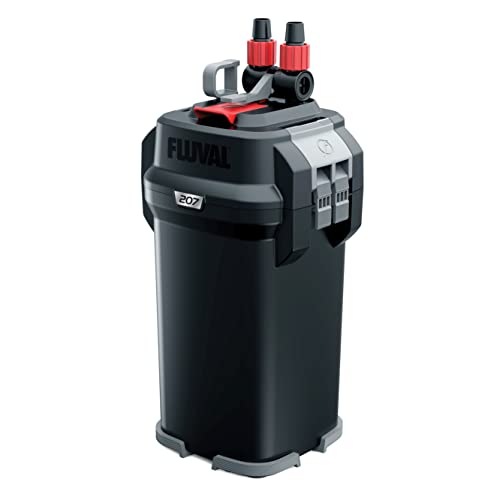
Fluval 207 Canister Filter
Handles up to 45 gallons with excellent mechanical and biological filtration — right-sized for a single musk turtle tank.
Zoo Med ReptoMin Turtle Pellets
The most widely recommended commercial pellet for aquatic turtles — nutritionally balanced and readily accepted.
Frequently Asked Questions
They're beginner-intermediate. The turtle is hardy, but maintaining water quality requires equipment and weekly maintenance. If you've kept tropical fish, you already have the skills.
References & Sources
Related Articles

Axolotl Common Diseases and Health Issues Explained
Learn about the most common diseases and health issues affecting axolotls, and how to keep them healthy and thriving.

What Do Turtles Eat? A Complete Keeper's Guide
Wondering what turtles eat? Our complete guide covers the ideal diet for your pet turtle, from commercial foods and proteins to essential veggies and supplements.

Turtle vs Tortoise: 5 Key Differences Explained for Keepers
Confused about the turtle vs tortoise debate? Our expert guide breaks down their habitat, diet, shells, and anatomy to help you understand these amazing chelonians.