
Axolotl Common Diseases and Health Issues Explained
Learn about the most common diseases and health issues affecting axolotls, and how to keep them healthy and thriving.

✓Recommended Gear
In this guide, we cover everything you need to know and recommend 5 essential products. Check prices and availability below.
TL;DR: The most common axolotl health problems are bacterial/fungal infections (white fluffy patches on gills or body), bloating from fluid accumulation, and parasitic infestations — nearly all caused by poor water quality or temperatures above 72°F. Keep water at 60–68°F with regular partial water changes, and quarantine new axolotls for 30 days before introducing them to an established tank. A salt bath or refrigeration protocol treats early fungal infections; persistent illness requires a vet experienced with aquatic amphibians.
Axolotls, with their unique appearance and fascinating regenerative abilities, are a popular choice among hobbyists and enthusiasts. However, like any pet, they can face health issues that require attention and care. This guide will help you understand the most common diseases and health issues affecting axolotls, and provide practical tips to keep your pet healthy and thriving.
Introduction
Axolotls, also known as the Mexican walking fish, are salamanders that have the remarkable ability to regenerate lost body parts. Despite their hardy nature, they can still fall ill if their environment or diet is not properly managed. Understanding the signs of illness and taking preventive measures can significantly improve your axolotl's quality of life. Let’s dive into the most common health issues you might encounter and how to address them.
What Is an Axolotl?
Before we discuss health issues, it’s important to know a bit about these fascinating creatures. Axolotls are a type of salamander native to the freshwater lakes of Mexico, particularly Lake Xochimilco. They are neotenic, meaning they retain their juvenile features throughout their lives, such as external gills and a finned tail. Axolotls can grow up to 12 inches long and live for 10-15 years with proper care. Learn more about axolotl pet care in our detailed guide.
Housing
A suitable housing environment is crucial for maintaining your axolotl's health. They require a spacious, well-filtered tank with stable water parameters. The tank should be at least 10 gallons for a single axolotl and larger for multiple pets. The water temperature should be kept between 60-64°F (15-18°C) to prevent stress and disease. Check out our guide on tank setup for axolotls for more detailed information.
Essential Tank Requirements
Minimum Tank Size
10 gallons
Larger for multiple axolotls
Water Temperature
60–64°F (15–18°C)
Critical for preventing stress and disease
Filtration
Well-filtered with stable parameters
Gentle water flow preferred
Axolotl Diet
A balanced diet is essential for your axolotl's health. They are carnivorous and can eat a variety of foods such as bloodworms, earthworms, and specially formulated axolotl pellets. Overfeeding can lead to obesity and other health issues. A good rule of thumb is to feed them every other day, or as needed based on their activity level and appetite. Find out what axolotls eat in this comprehensive article.
Common Diseases in Axolotl
Fluid Disorders, Genetic, and Nutritional Problems
Fluid Disorders
Axolotls can experience fluid disorders such as edema and ascites, which are characterized by abnormal fluid accumulation in the body. Edema is often a sign of kidney failure, while ascites can be caused by liver issues. If you notice your axolotl's body swelling, consult a vet immediately.
Genetic Problems
Genetic issues can arise in axolotls, especially those bred in captivity. Common genetic problems include deformities and reduced immune function. These issues are often more prevalent in inbred populations. To minimize the risk, purchase axolotls from reputable breeders who prioritize genetic diversity.
Nutritional Problems
Nutritional deficiencies or imbalances can lead to various health issues. For example, a lack of calcium can result in weak bones and poor regenerative capabilities. Overfeeding or poor diet can cause obesity and liver problems. Ensure your axolotl receives a varied and balanced diet to prevent these issues.
Wounds and Physical Damage
Injuries from Handling
Axolotls have delicate skin and are vulnerable to injuries from rough handling. It's best not to handle them unless absolutely necessary. Use a soft net and avoid touching their gills or gripping them too tightly. If you notice any wounds, clean the tank and monitor the injury for signs of infection or healing.
Abrasions from Decor
Tank decor can sometimes lead to abrasions or cuts on your axolotl. Avoid sharp objects and provide smooth surfaces for them to rest on. If your axolotl has a minor abrasion, it will usually heal on its own. However, if the wound appears infected or is not healing, seek veterinary advice.
Bacterial and Fungal Problems
Bacterial Infections
Bacterial infections are common in axolotls and can be caused by poor water quality or stress. Symptoms include reddening of the skin, lethargy, and loss of appetite. Treating bacterial infections often involves improving water conditions and using antibiotics prescribed by a vet. Regular tank maintenance is key to preventing these infections.
Fungal Infections
Fungal infections can occur if the tank is not kept clean or if the axolotl is stressed. White, cotton-like growths on the skin or gills are typical signs. Treatment involves improving water quality and using antifungal medications. Preventing fungal infections by maintaining a clean and healthy environment is crucial.
Parasites
External Parasites
External parasites, such as leeches and fish lice, can attach to your axolotl's skin. These parasites can cause irritation and lead to secondary infections. If you notice any parasites, you can treat the tank with a mild antiparasitic solution. Always consult a vet before using any medications.
Internal Parasites
Internal parasites can also affect axolotls, leading to digestive issues and poor overall health. Symptoms include a swollen belly, lethargy, and loss of appetite. You may need to use de-worming medications to treat internal parasites. Again, seek veterinary advice before starting any treatment.
List of Reportedly Safe and Unsafe Remedies/Treatments
Safe Remedies
- Salt Baths: A mild salt bath can help with minor skin issues and stress. Use aquarium salt and follow the recommended dosage.
- Antibacterial Agents: Products like MelaFix or Pimafix are safe for treating bacterial and fungal infections when used as directed.
- Antifungal Medications: Specific antifungal treatments can be used for fungal infections, but always under vet supervision.
Unsafe Remedies
- Copper-based Treatments: Copper is toxic to axolotls and should never be used.
- Human Medications: Many human medications are not safe for axolotls and can cause serious harm.
- Strong Chemical Cleaners: Avoid using strong chemicals to clean the tank as they can be harmful to your axolotl.
Checking Your Aquarium’s Water Parameters
Maintaining stable and appropriate water parameters is essential for your axolotl's health. Here’s a quick checklist of what to monitor:
| Parameter | Ideal Range |
|---|---|
| Temperature | 60-64°F (15-18°C) |
| pH | 7.0-7.6 |
| Ammonia | 0 ppm |
| Nitrite | 0 ppm |
| Nitrate | <20 ppm |
Regular testing and water changes are crucial. Use a reliable water test kit and perform partial water changes (about 20-30%) weekly to keep the tank clean and healthy.
Water Parameter Target Ranges
Temperature
60–64°F (15–18°C)
pH
7.0–7.6
Ammonia
0 ppm
Nitrite
0 ppm
Nitrate
<20 ppm
Verifying Your Tank Maintenance Practices
Proper tank maintenance is the foundation of good axolotl care. Here are some key practices to verify:
- Filter: Ensure your filter is appropriate for the tank size and kept clean. Axolotls prefer gentle water flow, so avoid powerful filters.
- Substrate: Use a smooth, fine-grained substrate to prevent injury. Larger gravel or rough substrates can damage their sensitive skin.
- Decor: Provide smooth, rounded decor items and avoid anything that could cause injury or entrapment.
- Feeding Schedule: Feed your axolotl every other day or as needed. Overfeeding can pollute the water and lead to health issues.
Regularly checking and adjusting these practices will help keep your axolotl healthy.
Tank Maintenance Best Practices
What you need to know
Use appropriately sized filter with gentle water flow; avoid powerful filters that stress axolotls
Choose smooth, fine-grained substrate to prevent injury to delicate skin
Provide rounded, smooth decor; avoid anything that could cause injury or entrapment
Feed every other day or as needed; overfeeding pollutes water and causes health issues
Examining Your Tank Environment
Your axolotl's tank environment can significantly impact its health. Here are some factors to consider:
- Water Quality: Poor water quality is a leading cause of health issues. Regularly test the water and perform partial water changes to maintain a clean environment.
- Lighting: Axolotls do not need special lighting, but they should have a consistent day/night cycle. Avoid direct sunlight and bright lights as they can cause stress.
- Temperature: Keep the water temperature within the ideal range to prevent stress and disease. Use a reliable aquarium heater and thermometer.
- Water Movement: Axolotls prefer calm water. Avoid strong currents that can stress them out.
Creating a stable and stress-free environment is key to preventing health issues.
Signs of Stress
Stress can weaken your axolotl's immune system and make it more susceptible to diseases. Common signs of stress include:
- Lethargy: Your axolotl may become inactive or float listlessly.
- Loss of Appetite: They might refuse to eat or show a reduced interest in food.
- Color Change: Stress can cause changes in skin color or pattern.
- Gill Flaring: Flaring of the gills is a sign of distress or poor water quality.
If you notice any of these signs, it’s important to address the underlying cause and provide a calm, stable environment.
Health Issues and Sickness
Swollen Gills
Swollen gills can be a sign of infection or poor water quality. If your axolotl’s gills appear puffy or discolored, test the water and clean the tank. You may also need to treat for infections with appropriate medications.
Gas Bubble Disease
Gas bubble disease is a condition where gas bubbles form in the axolotl's tissues. This can be caused by high levels of dissolved gases in the water. Symptoms include floating, difficulty swimming, and visible bubbles on the skin. To treat, reduce aeration, perform a water change, and ensure the water is well-cycled.
Infection of the Cloaca
Infection of the cloaca can occur due to poor water conditions or injury. Symptoms include swelling, redness, and discharge. Treatment involves cleaning the tank and using appropriate antibiotics. Consult a vet for a proper diagnosis and treatment plan.
Drooping Gills
Drooping gills can be a sign of poor health, stress, or low oxygen levels in the water. If your axolotl’s gills are drooping, check the water parameters and ensure the tank is well-oxygenated. Providing a clean and stress-free environment is crucial for recovery.
Lethargy and Inactivity
Lethargy and inactivity can be signs of various health issues, including infections, poor water quality, or stress. Monitor your axolotl's behavior and water parameters regularly. If the issue persists, consult a vet for further advice.
Preventive Measures
Preventing health issues is always better than treating them. Here are some practical tips:
- Regular Water Changes: Perform partial water changes weekly to keep the water clean and fresh.
- Balanced Diet: Feed a varied and balanced diet to ensure proper nutrition.
- Stable Environment: Maintain a consistent temperature, pH, and water flow to reduce stress.
- Avoid Overcrowding: Ensure each axolotl has enough space to move and rest.
- Regular Check-ups: Periodically check your axolotl for any signs of illness or injury.
By following these tips, you can help your axolotl live a long and healthy life.
Conclusion
Axolotls are rewarding pets, but they do require diligent care to thrive. Understanding the common diseases and health issues they face can help you provide the best possible care. Regularly monitor water parameters, maintain a balanced diet, and create a stable environment to keep your axolotl healthy and happy. If you have any concerns, don’t hesitate to consult a veterinarian who specializes in exotic pets.
We hope this guide helps you keep your axolotl in top condition. For more in-depth information on axolotl care, check out our Axolotl Pet Care Guide and Mexican Salamander Care Guide.
Recommended Gear

API Freshwater Master Test Kit
Regularly testing water parameters is essential to maintain a healthy environment for your axolotl.
Check Price on Amazon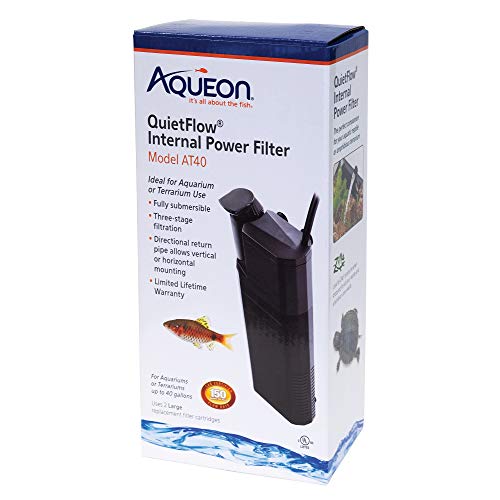
Aqueon QuietFlow Submersible Power Filter
This filter provides gentle water flow, which is suitable for axolotls and helps keep the tank clean.
Check Price on Amazon
Hikari Sinking Carnivore Pellets
These pellets are specially formulated for carnivorous aquatic animals and provide balanced nutrition for your axolotl.
Check Price on AmazonHygger Aquarium Water Siphon Vacuum Gravel Cleaner
Regular gravel cleaning is crucial to maintain a clean and healthy tank environment for your axolotl.
Check Price on AmazonMarineland Magniflow Power Filter
This filter is another great option for providing gentle water flow and efficient filtration in your axolotl's tank.
Check Price on AmazonFrequently Asked Questions
Axolotls are prone to bacterial and fungal infections, fluid disorders, and parasitic infestations. Keeping the water clean and maintaining a balanced diet can help prevent these issues.
References & Sources
- https://www.thesprucepets.com/axolotls-as-pets-1236714
- https://www.petmd.com/reptile/species/axolotl-ambystoma-mexicanum
- https://www.petmd.com/exotic/what-do-axolotls-eat
- https://www.petmd.com/fish/conditions/systemic/gas-bubble-disease-fish
- https://reptifiles.com/
- https://www.petmd.com/blogs/thedailyvet/dr-coates/2014/march/steps-follow-protect-yourself-animal-diseases-31444
Related Articles

Axolotl Water Temperature and Cooling: Essential Tips
Discover the ideal water temperature for axolotls and practical cooling methods to keep them healthy and thriving, all year round.

Axolotl Tank Setup: Beginner’s Guide to a Healthy Home
Learn how to create the perfect axolotl tank setup with practical tips and expert advice to keep your amphibian friend healthy and happy.

Common Musk Turtle Care Guide: Tank Setup, Diet & More
Everything you need to keep a common musk turtle (stinkpot) healthy — tank setup, water temps, diet, and handling tips in one guide.