
Axolotl Water Temperature and Cooling: Essential Tips
Discover the ideal water temperature for axolotls and practical cooling methods to keep them healthy and thriving, all year round.

✓Recommended Gear
In this guide, we cover everything you need to know and recommend 3 essential products. Check prices and availability below.
TL;DR: Axolotls require water kept strictly at 60–68°F (15.5–20°C) — temperatures above 72°F cause rapid heat stress and death within days. Cooling options include an aquarium chiller (most reliable, expensive), a fan blowing across the water surface (drops temp 5–8°F), or keeping the tank in the coolest room with frozen water bottles as emergency backup. Never use an aquarium heater in an axolotl tank.
Axolotls, with their unique appearance and fascinating regenerative abilities, are becoming increasingly popular pets. However, one of the most critical aspects of their care is maintaining the right water temperature. In this guide, we'll cover everything you need to know about axolotl water temperature and cooling, ensuring your pet remains healthy and happy.
Best Temperature for Axolotls?
Axolotls thrive in cool water. The ideal temperature range for these aquatic salamanders is between 60°F and 68°F (15.5°C to 20°C). Temperatures outside this range can cause stress, health issues, and even death. It’s crucial to keep your axolotl's environment stable and within this optimal range to ensure their well-being.
Axolotl Temperature Quick Reference
Optimal Range
60–68°F
15.5–20°C for thriving axolotls
Danger Zone
Below 57°F
Slows metabolism, increases disease risk
Egg Incubation
62–66°F
16.7–18.9°C for healthy development
Do Axolotls Feel Cold?
Axolotls are cold-blooded animals, which means their body temperature is regulated by the environment. They do not feel cold in the same way that warm-blooded animals do. However, they are sensitive to temperature changes and can become stressed or ill if the water is too cold or too warm. Consistent water temperatures are key to their health.
How Cold is too Cold?
While axolotls prefer cooler water, temperatures below 57°F (13.9°C) can be harmful. Extremely cold water can slow down their metabolism, leading to digestion problems and making them more susceptible to diseases. If you live in a cooler climate, it’s important to monitor the water temperature closely to avoid these issues.
The Importance of Temperature Acclimation
When introducing a new axolotl to your tank, or moving them to a different one, it’s essential to acclimate them to the new water temperature gradually. Sudden temperature changes can shock their system and lead to health problems. Here’s a simple method to acclimate your axolotl:
- Float the Bag: Place the sealed bag with your new axolotl in the tank for about 15 minutes to allow the water temperature to equalize.
- Add Tank Water: Open the bag and add a small amount of water from the tank every few minutes until the bag is about half full.
- Release Your Axolotl: Carefully net the axolotl and place it in the tank, avoiding any sudden movements.
Acclimating a New Axolotl
Float the Bag
15 minutesPlace the sealed bag with your new axolotl in the tank to allow water temperature to equalize
Add Tank Water Gradually
Open the bag and add small amounts of tank water every few minutes until the bag is about half full
Tip: Gradual mixing prevents temperature shock
Release Your Axolotl
Carefully net the axolotl and place it in the tank, avoiding sudden movements
Tip: Gentle handling minimizes stress during transition
Benefits of Cold Water
Cold water has several benefits for axolotls. It helps maintain their metabolism at a healthy rate, reduces the risk of bacterial and fungal infections, and keeps their immune system strong. Additionally, cooler water holds more dissolved oxygen, which is essential for their respiration. Here’s a quick look at how cold water benefits your axolotl:
| Benefit | Description |
|---|---|
| Metabolism | Cooler water slows down their metabolism, reducing stress and strain on their body. |
| Immunity | Cooler temperatures boost their immune system, making them less prone to diseases. |
| Oxygen Levels | Cold water holds more dissolved oxygen, which is vital for their respiratory health. |
Why Cold Water Is Critical for Axolotls
What you need to know
Cooler water slows metabolism, reducing stress and strain on the body
Cold temperatures boost immune system, making axolotls less prone to diseases
Cold water holds more dissolved oxygen, essential for healthy respiration
Can Axolotls Be Kept in a Pond?
While it’s technically possible to keep axolotls in a pond, it’s not recommended. Ponds can have unpredictable temperature fluctuations, which can be stressful for axolotls. Additionally, maintaining the correct water parameters in a pond is more challenging than in a controlled aquarium setting. If you’re considering a pond, it’s best to stick with more adaptable species like Chinese Water Dragons.
Egg Incubation Temps
If you’re planning to breed axolotls, the water temperature plays a crucial role in egg incubation. The ideal temperature for incubating axolotl eggs is between 62°F and 66°F (16.7°C to 18.9°C). This range promotes healthy development and reduces the risk of deformities. It’s also important to keep the water well-oxygenated during this period to ensure the eggs have the best chance of hatching successfully.
Tips for Egg Incubation
- Stable Temperature: Use a reliable aquarium heater to maintain a consistent temperature in the breeding tank.
- Clean Water: Regular water changes and a good filtration system are essential to keep the water clean and free from harmful bacteria.
- Oxygenation: Consider using an air stone or a gentle filter to keep the water well-oxygenated.
Cooling Methods for Axolotl Tanks
During warmer months, especially in summer, it’s crucial to keep your axolotl’s water temperature within the safe range. Here are some practical cooling methods you can use:
1. Chilled Water Bottles
Placing a chilled water bottle in the tank can help lower the water temperature. Fill a plastic bottle with water and freeze it, then wrap it in a thin cloth to prevent direct contact with your axolotl. Place the bottle in the tank, and it will gradually cool the water. Replace the bottle as needed.
2. Aquarium Chillers
For larger tanks or more precise temperature control, an aquarium chiller is a great investment. These devices can maintain the water temperature within a very narrow range, ensuring your axolotl stays comfortable. (Estimates only — actual prices on Amazon may vary.)
3. Fan or Air Conditioning
If your room temperature is naturally high, consider using a fan or air conditioning to cool the room. This can help lower the water temperature indirectly. Just make sure the tank is not directly exposed to drafts, as this can cause temperature fluctuations.
4. Shaded Areas and Deep Water
Provide shaded areas in the tank using plants or decorative elements. Axolotls can also seek deeper water, which tends to be cooler, to regulate their body temperature.
5. Ice Packs
Using ice packs can be a quick and effective way to cool the water. Place ice packs outside the tank, against the glass, to lower the temperature gradually. Avoid placing ice directly in the water, as it can cause sudden temperature drops.
Conclusion
Maintaining the right water temperature is crucial for the health and well-being of your axolotl. By using the methods outlined in this guide, you can ensure your pet stays happy and thriving, even during the warmer months. Always monitor the temperature closely and make adjustments as needed to keep your axolotl comfortable.
Reading Next
If you’re considering adding an axolotl to your collection, check out our Axolotl for Sale: Where to Buy + What to Know Before You Get One guide to find the best place to purchase one. For a comprehensive overview of axolotl care, including tank setup and feeding tips, read our Axolotl Pet Care Guide: Tank Setup, Feeding & Health Tips.
Recommended Gear

Aquarium Chiller
A reliable way to maintain the perfect water temperature for your axolotl, especially during hot summer months.
Check Price on Amazon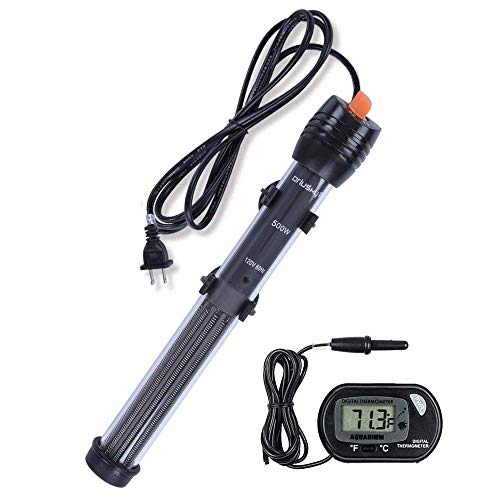
Aquarium Heaters
Essential for keeping the water temperature stable, especially when breeding axolotls.
Check Price on Amazon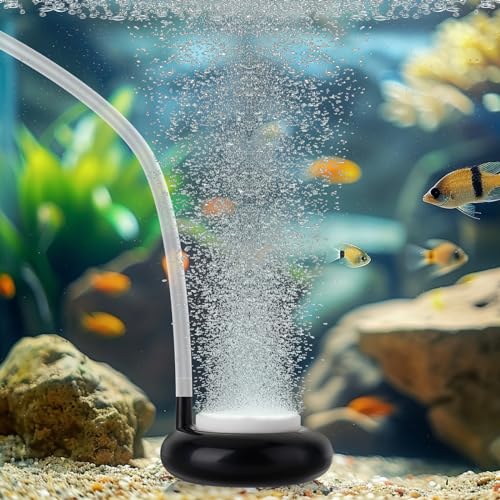
Air Stones
Helps keep the water well-oxygenated, which is crucial for your axolotl's respiratory health.
Check Price on AmazonFrequently Asked Questions
Axolotls have delicate skin and gills that can be easily damaged by human touch. Handling them can also stress them out, leading to health issues.
References & Sources
Related Articles

Axolotl Common Diseases and Health Issues Explained
Learn about the most common diseases and health issues affecting axolotls, and how to keep them healthy and thriving.

Axolotl Tank Setup: Beginner’s Guide to a Healthy Home
Learn how to create the perfect axolotl tank setup with practical tips and expert advice to keep your amphibian friend healthy and happy.

What Do Turtles Eat? A Complete Keeper's Guide
Wondering what turtles eat? Our complete guide covers the ideal diet for your pet turtle, from commercial foods and proteins to essential veggies and supplements.