Best Type of Pet Turtle: A Keeper's Top 7 Picks
Wondering what's the best type of pet turtle for you? Our expert guide reviews the top 7 species, covering size, care, and temperament to help you choose.


This article contains affiliate links. If you make a purchase through these links, we may earn a small commission at no extra cost to you. See our affiliate disclosure for details.
We recommend 4 picks here. Our top choice is the Penn-Plax Cascade Canister Filter — check price and availability below.
How we choose: we compare published specifications against the care requirements in veterinary and species-care literature, and weigh those against what long-time keepers report. We do not test products ourselves and we do not restate Amazon star ratings. The 6 sources behind this article are listed at the bottom.
Quick Comparison
- Primary Contribution
- Water Filtration
- Maintenance/Replacement
- Periodic filter cleaning (multi-year product life)
- Setup Difficulty
- Moderate (plumbing, priming)
- Typical Price Range
- $80-200
- Primary Contribution
- Basking & Drying Platform
- Maintenance/Replacement
- Occasional cleaning (multi-year product life)
- Setup Difficulty
- Easy (float & suction cups)
- Typical Price Range
- $15-40
- Primary Contribution
- UVB & Vitamin D3 Synthesis
- Maintenance/Replacement
- Annual bulb replacement (6-12 month life)
- Setup Difficulty
- Moderate (fixture required, placement)
- Typical Price Range
- $25-50
- Primary Contribution
- Complete Nutritional Staple
- Maintenance/Replacement
- Daily feeding (consumption-dependent life)
- Setup Difficulty
- Very Easy (daily feeding)
- Typical Price Range
- $10-30
Prices are estimates only. Actual prices on Amazon may vary.
Bringing a turtle into your home is an incredibly rewarding experience. These fascinating reptiles have been around for millions of years, and their quiet, watchful presence adds a unique sense of calm to any room. But finding the best type of pet turtle isn't a one-size-fits-all situation. The right turtle for a city apartment dweller is very different from the one for a family with a large backyard.
As a herpetological care specialist, I've helped countless new owners navigate this choice. The most common mistake I see is underestimating the commitment. Turtles can live for decades, and their needs are more complex than just a bowl of water and some lettuce. This guide is designed to walk you through the most popular and suitable pet turtle species, helping you make an informed choice for a happy, healthy relationship with your new shelled friend for years to come.
Before You Choose: Are You Truly Ready for a Turtle?
The idea of a pet turtle is charming, but the reality is a significant long-term commitment. Before you fall in love with a tiny turtle at a pet store, let's have a frank discussion about what turtle ownership really involves.
-
Lifespan: This isn't a two-year commitment. Many common pet turtles live for 20 to 50 years, and some even longer. A turtle you buy today could easily be with you when your kids head off to college. Are you prepared for that level of long-term care?
-
Space & Housing: That tiny, palm-sized turtle will grow. A general rule for aquatic turtles is that you'll need at least 10 gallons of tank volume per inch of shell length. A turtle that grows to 8 inches will require an 80-gallon aquarium, which is large, heavy, and a major feature in a room.
-
Costs: (Estimates only — actual prices on Amazon may vary.) The initial setup is the most expensive part. A proper enclosure with filtration, heating, and essential UVB lighting can easily cost between $300 and $800, depending on the size. Ongoing costs include electricity, replacement UVB bulbs (every 6-12 months), food, and potential vet bills.
-
The 4-Inch Rule: In the United States, it's illegal for any person or store to sell turtles with a shell length of less than four inches. This law was enacted in the 1970s to prevent the spread of Salmonella, particularly among children who were more likely to put small turtles in their mouths. This means you won't (or shouldn't) find those tiny hatchlings for sale. Any turtle you purchase will already have some size to it.
If you've considered these points and are ready for the journey, congratulations! Let's find the best type of pet turtle for your lifestyle.
Before You Choose: Key Readiness Factors
What you need to know
Lifespan: 20-50 years or longer — this is a decades-long commitment, not a short-term pet
Space: 10 gallons of tank per inch of shell length — an 8-inch turtle needs an 80-gallon aquarium
Costs: Initial setup $300-$800 (enclosure, filtration, heating, UVB lighting); ongoing expenses for electricity, bulb replacement (every 6-12 months), food, and veterinary care
Legal: 4-inch minimum applies in the US — you won't find hatchlings for sale due to Salmonella regulations
Turtle Setup Essentials
Everything you need to get started
Detailed Reviews
1. Penn-Plax Cascade Canister Filter
Best Overall
Penn-Plax Cascade Canister Filter
Pros
- •Offers powerful, multi-stage filtration for superior water clarity.
- •Suitable for various tank sizes, adapting to growth requirements.
- •Essential for breaking down waste and maintaining optimal water parameters.
- •Helps prevent common health issues related to poor water quality.
Cons
- •Can represent a significant initial investment for setup costs.
- •Requires periodic maintenance and cleaning of filter media.
- •May involve more complex setup compared to internal filters.
Bottom Line
Canister filters are crucial for maintaining pristine aquatic conditions for pet turtles, effectively handling the high bio-load these animals produce. The Cascade series provides robust, multi-stage filtration capable of supporting a range of tank sizes, ensuring a healthy habitat.
2. Zoo Med Turtle Dock
Best Value
Zoo Med Turtle Dock
Pros
- •Automatically adjusts to changing water levels for consistent access.
- •Provides a secure, dry platform for basking and thermoregulation.
- •Facilitates absorption of essential UVB rays to prevent shell rot.
- •Available in multiple sizes to accommodate growing turtles.
Cons
- •May occupy significant swimming space in smaller enclosures.
- •Suction cups can occasionally lose grip with highly active turtles.
- •Aesthetic may not integrate seamlessly with all naturalistic setups.
Bottom Line
A well-designed basking dock is indispensable for aquatic turtles, allowing them to fully dry off and regulate their body temperature. The Zoo Med Turtle Dock offers a stable, self-leveling platform crucial for both physical and psychological well-being.
3. Zoo Med ReptiSun 10.0 UVB Lamp
Premium Pick
Zoo Med ReptiSun 10.0 UVB Lamp
Pros
- •Emits crucial UVB wavelengths for vitamin D3 synthesis.
- •Essential for proper calcium metabolism and bone health.
- •Helps prevent debilitating conditions such as Metabolic Bone Disease (MBD).
- •A trusted brand widely recommended by reptile care specialists.
Cons
- •Requires a compatible fixture, adding to initial setup costs.
- •UVB output degrades over time, necessitating annual bulb replacement.
- •Glass bulbs can be fragile and prone to breakage if handled carelessly.
Bottom Line
Proper UVB lighting is a fundamental requirement for the health of most pet turtles, directly impacting their ability to process calcium. The ReptiSun 10.0 UVB lamp delivers the necessary spectrum to prevent serious health conditions like Metabolic Bone Disease.
4. Mazuri Aquatic Turtle Diet
Editor's Choice
Mazuri Aquatic Turtle Diet
Pros
- •Formulated by experts to provide balanced, complete nutrition.
- •Vet-recommended for supporting growth and overall health.
- •Convenient pellet form simplifies daily feeding routines.
- •Contains essential vitamins and minerals crucial for turtle well-being.
Cons
- •Some turtles may initially be hesitant to accept new pellet diets.
- •Overfeeding can quickly degrade water quality due to uneaten food.
- •Should ideally be supplemented with fresh greens or other appropriate items.
Bottom Line
A commercially formulated diet serves as the cornerstone of a healthy feeding regimen for aquatic turtles, supplying a comprehensive nutrient profile. Mazuri is a widely recognized and veterinarian-backed choice for consistent, balanced daily nutrition.
Our Ranking of the Best Pet Turtle Species
We've compiled this list based on size, temperament, and overall hardiness, with a special focus on species that thrive in a home environment. We'll explore some fantastic aquatic options and even a popular land-based turtle.
1. Common Musk Turtle (Stinkpot)
If you're looking for one of the Best Small Turtle for Beginners: 4 Easy-to-Care-For Picks, the Common Musk Turtle should be at the top of your list. Nicknamed "Stinkpot" for the musky odor they can release when threatened (a defense they rarely use in captivity), these are among the best pet turtles for keepers with limited space.
- Size: A petite 3 to 5 inches. Their small adult size is their biggest advantage.
- Habitat: Mostly aquatic. A 20-gallon long tank is often sufficient for a single adult. They are not strong swimmers and prefer a well-planted tank with lots of submerged logs and rocks to climb on to reach the surface. A gentle filter and a submersible heater to keep the water between 72-78°F are necessary. They also require a small basking spot with a low-wattage heat lamp and UVB light.
- Diet: Carnivorous. They eagerly accept high-quality commercial turtle pellets, supplemented with frozen or live foods like bloodworms, earthworms, and snails.
- Difficulty: Beginner. Their small size and simple needs make them an excellent entry-level choice.
2. Western Painted Turtle
Painted turtles are one of the most recognizable turtles in North America, and for good reason. Their shells feature beautiful red and yellow markings along the edge, making them a stunning display animal. They are active, curious swimmers and provide endless entertainment.
- Size: Males typically reach 5-7 inches, while females can grow larger, up to 10 inches.
- Habitat: Highly aquatic and active. You'll want a larger tank to give them room to swim—think a 55-gallon for a male and a 75-gallon or larger for a female. A powerful canister filter like the [Penn-Plax Cascade Canister Filter](https://www.amazon.com/dp/B0002DJ9NY?tag=krawlo-20 is a must, as they are messy. A warm basking spot (85-95°F) provided by a heat lamp and a quality UVB lamp are non-negotiable.
- Diet: Omnivorous. Young painted turtles are more carnivorous, but adults should have a diet split between commercial pellets and fresh leafy greens like romaine lettuce and dandelion greens.
- Difficulty: Beginner to Intermediate. Their needs are straightforward, but their larger size and the need for a robust setup make them a step up from a Musk Turtle.
3. Reeve's Turtle
A hardy and personable species from Asia, the Reeve's Turtle is another fantastic choice for those new to the hobby. They are known for their calm demeanor and often become quite tame, learning to recognize their owners and beg for food.
- Size: A manageable 5 to 7 inches, though some females can reach 9 inches.
- Habitat: Semi-aquatic. They enjoy swimming but also spend a fair amount of time on land. Provide a tank with a large, accessible land area and clean water kept around 70-76°F. Like other species, a basking spot and UVB are crucial for their health.
- Diet: Omnivorous. A balanced diet of turtle pellets, insects, worms, and leafy greens will keep them healthy. Offering a variety of foods is key. Our guide to the Best Turtle Food: A Complete Guide for Keepers can help you build the perfect menu.
- Difficulty: Beginner. Their adaptability and friendly nature make them one of the easiest and most rewarding pet turtles.
4. Mississippi Map Turtle
Map turtles get their name from the intricate, map-like lines on their shells. The Mississippi Map Turtle is distinguished by the crescent-shaped markings behind its eyes and the 'sawback' ridge running down its shell. They are alert, active, and a bit more skittish than other species.
- Size: Significant size difference between sexes. Males stay small at 4-6 inches, while females can become quite large, reaching 8-10 inches.
- Habitat: River dwellers by nature, they need excellent water quality and a strong current provided by a good filter. A large tank (75+ gallons for a female) is essential. They are dedicated baskers and will spend hours under their heat and UVB lamps, so a large, stable dock like the Zoo Med Turtle Dock is vital.
- Diet: Omnivorous, but with a preference for insects and mollusks. Females, with their larger heads and powerful jaws, are specially adapted to eat snails and clams. High-quality pellets should be the staple, supplemented with appropriate proteins.
- Difficulty: Intermediate. Their sensitivity to water quality and shy nature make them better suited for keepers with some experience.
5. African Sideneck Turtle
Looking for something a little different? African Sidenecks can't pull their heads straight back into their shells. Instead, they tuck them in sideways, leaving their charming, 'smiling' face visible. They are known for being very active and having great personalities.
- Size: Typically 7 to 10 inches.
- Habitat: Fully aquatic. They love to swim and require a tank of at least 55-75 gallons. Water temperature needs to be kept warmer than for North American species, ideally between 75-80°F. A basking area is still needed, but they may use it less frequently than map or slider turtles.
- Diet: Omnivorous. They'll thrive on a diet of quality pellets, but also enjoy insects, fish (in moderation), and some leafy greens.
- Difficulty: Beginner to Intermediate. Their care is fairly simple, but maintaining the warmer water temperature and a large tank is a key consideration.
6. Eastern Box Turtle
Our first terrestrial option! Box turtles are not aquatic and have very different care requirements. They get their name from their hinged shell, which allows them to close up almost completely when threatened. They are intelligent, long-lived, and can form strong bonds with their keepers.
- Size: A compact 5 to 7 inches.
- Habitat: Terrestrial. Do NOT house them in an aquarium. They need a large, humid enclosure like a 'turtle table' or a secure outdoor pen (in appropriate climates). The substrate should be a mix of soil, cypress mulch, and sphagnum moss that holds moisture well. They need a shallow water dish for soaking and drinking, but not a swimming area. A heat lamp and UVB light are still absolutely necessary.
- Diet: Omnivorous. A varied diet is crucial. About 50% should be protein from earthworms, slugs, snails, and high-quality moist turtle food, with the other 50% being fruits and vegetables like berries, mushrooms, and leafy greens.
- Difficulty: Intermediate to Advanced. Their specific humidity, temperature, and dietary needs are more complex than most aquatic species. They are a significant commitment but are incredibly rewarding.
A Special Mention: The Red-Eared Slider
No list of pet turtles would be complete without the Red-Eared Slider. They are, without a doubt, the most popular pet turtle in the world. However, they come with some serious considerations, which is why we've separated them from our main list of recommendations.
They are one of the Best Pet Turtle for Beginners: Our Top 4 Picks if you are prepared for their adult needs. The problem is that most people who buy them are not.
- The Problem with Size: That cute little green turtle grows into a large, 10-12 inch adult female that requires a 120-gallon aquarium. This is a massive, expensive setup that most casual keepers are not ready for.
- Longevity & Mess: They live for 30+ years and are incredibly messy, requiring heavy-duty filtration and frequent water changes.
- Invasive Species: Due to their hardiness and the sheer number of unwanted pets being released, Red-Eared Sliders have become a destructive invasive species in ecosystems worldwide, outcompeting native turtles. Never, ever release a pet turtle into the wild.
If you have the space, budget, and dedication, a Red-Eared Slider can be a wonderful, interactive pet. You can often find adults in need of a good home at reptile rescues.
Conclusion: The Best Turtle is the One You Can Care For
Choosing the best type of pet turtle is less about finding the 'perfect' species and more about honest self-assessment. The most beautiful, active turtle will not thrive if you can't provide it with the space and care it needs. A small, humble Common Musk Turtle in a well-maintained 20-gallon setup will be far happier and healthier than a large slider in a cramped, dirty tank.
Do your research, be realistic about your resources, and prepare their home before you bring them home. By matching a turtle's needs to your keeping abilities, you're setting the stage for a decades-long friendship with one of nature's most enduring creatures.
Our Final Verdict
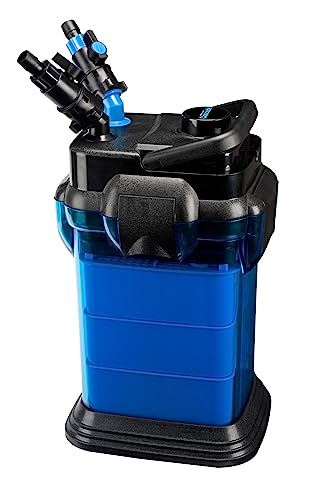
Penn-Plax Cascade Canister Filter
Canister filters are crucial for maintaining pristine aquatic conditions for pet turtles, effectively handling the high bio-load these animals produce. The Cascade series provides robust, multi-stage filtration capable of supporting a range of tank sizes, ensuring a healthy habitat.
Zoo Med Turtle Dock
A well-designed basking dock is indispensable for aquatic turtles, allowing them to fully dry off and regulate their body temperature. The Zoo Med Turtle Dock offers a stable, self-leveling platform crucial for both physical and psychological well-being.

Zoo Med ReptiSun 10.0 UVB Lamp
Proper UVB lighting is a fundamental requirement for the health of most pet turtles, directly impacting their ability to process calcium. The ReptiSun 10.0 UVB lamp delivers the necessary spectrum to prevent serious health conditions like Metabolic Bone Disease.
Frequently Asked Questions
The '4-inch rule' is a US federal law from 1975 that prohibits the sale of turtles with a carapace (shell) length of less than four inches. This regulation was put in place to curb Salmonella infections in children, who were more likely to handle small turtles improperly. It means you should only be able to buy turtles that are already at least four inches long.
References & Sources
- https://www.thesprucepets.com/types-of-pet-turtles-4788330
- https://www.petmd.com/reptile/aquatic-turtle-care-sheet
- https://www.petmd.com/reptile/types-aquatic-turtles
- https://www.thesprucepets.com/pet-aquatic-turtles-1237254
- https://reptifiles.com/do-turtles-make-good-pets/
- https://reptifiles.com/red-eared-slider-care/
Related Articles

What's the Best Type of Snake for a Pet? A Keeper's Guide
Ready for your first pet snake but not sure where to start? We break down the best type of snake for a pet, focusing on temperament, care, and size.

Best Type of Tortoise for a Pet: 5 Top Picks for Keepers
Looking for the best type of tortoise for a pet? We explore top species like the Russian, Hermann's, and Red-Footed tortoise to help you choose the right one.

Finding Your Perfect Scale-Mate: Best Pet Lizards for Beginners
Discover the best pet lizards for beginners! Our expert guide helps you choose the perfect scaled companion, covering popular species, care tips, and more.