Best Pet Turtle Breeds: Top 10 Choices for Keepers
Looking for the best pet turtle breeds? Our expert guide covers the top 10 species, from small aquatic turtles to friendly box turtles, for all experience levels.


This article contains affiliate links. If you make a purchase through these links, we may earn a small commission at no extra cost to you. See our affiliate disclosure for details.
We recommend 4 picks here. Our top choice is the Penn-Plax Cascade Canister Filter — check price and availability below.
How we choose: we compare published specifications against the care requirements in veterinary and species-care literature, and weigh those against what long-time keepers report. We do not test products ourselves and we do not restate Amazon star ratings. The 6 sources behind this article are listed at the bottom.
Quick Comparison
- Product Category
- Filtration
- Primary Benefit
- Water Quality (Ammonia/Nitrite Reduction)
- Estimated Price Range
- $80-150
- Key Maintenance Factor
- External setup, media replacement
- Product Category
- Lighting & Basking
- Primary Benefit
- Full Spectrum UVA/UVB/Heat
- Estimated Price Range
- $120-200
- Key Maintenance Factor
- Specific fixture, annual bulb replacement
- Product Category
- Feeding
- Primary Benefit
- Balanced Nutrition
- Estimated Price Range
- $15-40
- Key Maintenance Factor
- Daily feeding, occasional supplementation
- Product Category
- Enclosure
- Primary Benefit
- Large, Durable Habitat
- Estimated Price Range
- $100-300
- Key Maintenance Factor
- Large volume to fill/clean, sturdy placement
Prices are estimates only. Actual prices on Amazon may vary.
Bringing a turtle into your home is an exciting journey, but it's also a major commitment. Turtles can be fascinating, engaging pets, but the "best" breed for you depends entirely on your lifestyle, space, and experience level. Unlike a hamster or a fish, many turtles can live for several decades, becoming a lifelong companion.
This guide will walk you through the best pet turtle breeds, from small, manageable species perfect for new keepers to larger, more active turtles for those with more space. We'll cover their needs, temperaments, and what it really takes to give them a happy, healthy life. Let's dive in and find the perfect shelled friend for you.
Before You Choose: Are You Ready for a Turtle?
It's easy to fall in love with a tiny turtle at a pet store, but that tiny creature has big needs. Before you decide on a species, you need to be honest about whether you're prepared for the responsibility.
Lifespan: A Lifelong Commitment
This isn't a short-term pet. According to PetMD, many common pet turtles live for 20 to 40 years, with some species living even longer. A turtle you buy today could easily be with you when your kids go off to college. Are you prepared for that kind of long-term care? You'll need a plan for who will care for the turtle if you move, travel, or can no longer keep it.
The Setup: More Than Just a Tank
(Estimates only — actual prices on Amazon may vary.) A proper turtle habitat is a significant upfront investment, often costing $300-$800 or more. You can't just put a turtle in a small tank with some gravel. Aquatic turtles need:
- A Large Enclosure: The general rule is 10 gallons of water per inch of shell length. A turtle that grows to 8 inches needs at least an 80-gallon aquarium or, even better, a stock tank.
- Powerful Filtration: Turtles are messy eaters and produce a lot of waste. A high-quality canister filter rated for at least twice the size of your tank is essential to keep the water clean and safe.
- Essential Lighting & Heat: Turtles are cold-blooded and need external heat to regulate their body temperature. This requires two types of lights: a heat lamp for a basking area and a UVB light. UVB is non-negotiable; without it, turtles cannot process calcium and will develop painful, fatal Metabolic Bone Disease (MBD). A [combination heat/UVB bulb](https://www.amazon.com/dp/B0FFXL4S48?tag=krawlo-20 can simplify this.
- A Basking Dock: Your turtle needs a place to get completely out of the water to dry off, bask, and absorb UVB. The basking spot should be around 90-95°F.
The 4-Inch Law
In the United States, it is illegal for pet stores to sell turtles with a shell length of less than four inches. This law was enacted by the FDA in 1975 to curb Salmonella outbreaks in children, who were more likely to put small turtles in their mouths. While all reptiles can carry Salmonella, the risk is easily managed with proper handwashing. This law means you won't (or shouldn't) find tiny hatchlings for sale, which is a good thing—it gives you a better idea of the turtle's true needs.
Essential Turtle Setup Checklist
Everything you need to get started
Top Turtle Breeds at a Glance
Common Musk Turtle
3-5" | 30-50 yrs
Best for beginners; needs 20-gal tank
Western Painted Turtle
5-10" | 25-30 yrs
Beautiful markings; active swimmers (75-90 gal)
Reeve's Turtle
5-6" | 20-30 yrs
Social & hardy; good for smaller spaces (40 gal)
African Sideneck
8-12" | 25+ yrs
Unique neck; highly aquatic (75+ gal)
Detailed Reviews
1. Penn-Plax Cascade Canister Filter
Best Overall
Penn-Plax Cascade Canister Filter
Pros
- •Multi-stage filtration (mechanical, chemical, biological) for superior water clarity.
- •High flow rate capable of handling large water volumes.
- •External design allows for easy maintenance without disturbing the habitat.
- •Reduces ammonia and nitrite, promoting a healthy aquatic environment.
Cons
- •Requires periodic media replacement, adding to long-term costs.
- •Initial setup can be more complex than internal filters.
- •Can be bulky, requiring external space next to the enclosure.
Bottom Line
Essential for maintaining pristine aquatic conditions, this canister filter employs robust multi-stage filtration to efficiently remove waste and harmful toxins. Its powerful performance is crucial for the health and well-being of messy aquatic turtles.
2. Zoo Med PowerSun H.I.D. Metal Halide UVB Lamp
Premium Pick
Zoo Med PowerSun H.I.D. Metal Halide UVB Lamp
Pros
- •Provides full-spectrum UVA, UVB, and heat from a single bulb.
- •High UVB output crucial for vitamin D3 synthesis and calcium metabolism.
- •Longer lifespan and higher intensity compared to fluorescent UVB bulbs.
- •Promotes natural basking behavior and overall turtle health.
Cons
- •Higher initial cost compared to separate heat and UVB sources.
- •Requires a compatible HID fixture, increasing setup cost.
- •Must be replaced periodically (e.g., annually) to maintain effective UVB output.
Bottom Line
This all-in-one metal halide lamp delivers vital UVA, UVB, and heat, replicating natural sunlight conditions essential for turtle health. Its comprehensive output prevents common health issues like Metabolic Bone Disease by facilitating proper calcium absorption.
3. Mazuri Aquatic Turtle Diet
Editor's Choice
Mazuri Aquatic Turtle Diet
Pros
- •Nutritionally complete and balanced formula for aquatic turtles.
- •Trusted brand, frequently recommended by veterinarians and zoos.
- •Pellet form makes feeding easy and reduces water fouling.
- •Supports healthy growth, shell development, and immune function.
Cons
- •May not appeal to all turtles initially; requires adaptation.
- •Supplementation with fresh vegetables or protein might still be necessary for some species.
- •Can be more expensive than generic turtle foods.
Bottom Line
Developed with scientific rigor, this diet provides a balanced nutritional foundation crucial for the health of aquatic turtles. Its veterinarian-recommended status and comprehensive nutrient profile support robust growth and vitality.
4. Tuff Stuff Products Stock Tank
Best Value
Tuff Stuff Products Stock Tank
Pros
- •Provides significantly more space than comparably priced glass aquariums for adult turtles.
- •Durable construction, often made from heavy-duty, food-grade plastic.
- •Cost-effective solution for creating large, functional aquatic habitats.
- •Easier to clean and move than very large glass tanks.
Cons
- •Opaque sides prevent viewing turtles from the side.
- •Less aesthetically appealing than a traditional glass aquarium.
- •Requires a sturdy stand or floor placement due to water weight.
Bottom Line
An excellent, practical alternative to traditional aquariums, this stock tank offers ample, secure space crucial for the growth and well-being of adult aquatic turtles. Its robust and cost-effective design supports the "10 gallons per inch" rule for spacious housing.
Our Top 10 Pet Turtle Breeds
Now that you know what you're in for, let's look at some of the best pet turtle breeds available. We've ranked them based on their suitability for home-keeping, considering size, temperament, and care complexity.
1. Common Musk Turtle (Stinkpot)
If you're looking for a small turtle that's full of personality, the Common Musk Turtle is an outstanding choice. Their nickname, "Stinkpot," comes from the musky odor they can release when threatened, but this rarely happens in captivity with a happy turtle.
- Personality: Inquisitive, active, and not very shy. They are primarily aquatic and spend most of their time walking along the bottom of the tank, foraging for food.
- Size & Lifespan: One of the smallest pet turtles, they only reach 3-5 inches. They can live for 30-50 years.
- Diet: They are omnivores. A quality commercial pellet like Mazuri Aquatic Turtle Diet should be the staple, supplemented with protein like dried shrimp, bloodworms, and the occasional earthworm.
- Enclosure: A 20-gallon long tank is sufficient for a single adult, making them one of the few turtles that don't need a giant enclosure. They are poor swimmers, so provide plenty of driftwood and plants for them to climb on to reach the surface.
Their manageable size and relatively simple needs make the Musk Turtle one of the best pet turtles for beginners.
2. Western Painted Turtle
Painted turtles are among the most beautiful and widely recognized North American turtles. The Western Painted Turtle, with its bright red and yellow markings on its plastron (bottom shell), is a stunning and active pet.
- Personality: Generally friendly and curious. They become quite tame and will often swim to the glass to greet you, especially if they think you have food.
- Size & Lifespan: Females are larger, reaching 8-10 inches, while males stay around 5-7 inches. Their lifespan is typically 25-30 years.
- Diet: Omnivores with a strong preference for vegetation as they age. Youngsters eat more insects and protein. Offer a mix of pellets, leafy greens like romaine and dandelion greens, and occasional protein.
- Enclosure: These are active swimmers. A single male needs at least a 75-gallon tank, while a female requires 90 gallons or more. A spacious basking dock and powerful filtration are a must.
3. Reeve's Turtle
Originating from China and Japan, the Reeve's Turtle is a hardy, personable species that adapts well to captivity. Their smaller size and calm demeanor make them a popular choice.
- Personality: Known for being very friendly and social. They are one of the few species that can often be cohabitated successfully (with caution and adequate space). They are less timid than many other turtles.
- Size & Lifespan: A manageable 5-6 inches, though some can reach up to 9 inches. They typically live for 20-30 years.
- Diet: Omnivorous. They'll readily accept commercial pellets, insects, fish, and dark, leafy greens. Variety is key to their health.
- Enclosure: A 40-gallon breeder tank is a good starting point for a single adult. Like Musk Turtles, they appreciate a tank with lots of hiding spots and shallow areas.
4. African Sideneck Turtle
Looking for something a little different? The African Sideneck has a unique look, with a long neck that it tucks away to the side rather than pulling straight back. They are highly aquatic and entertaining to watch.
- Personality: Active, energetic, and curious. They are not aggressive and are a joy to watch as they swim and explore their habitat.
- Size & Lifespan: They grow to about 8-12 inches and can live for over 25 years.
- Diet: Primarily carnivorous, their diet should consist of pellets, worms, insects, and commercial fish. They are not big on vegetation.
- Enclosure: As very active swimmers, they need a large tank—at least 75 gallons for one adult. The water must be kept very clean, as they are prone to skin and shell infections in poor conditions. A powerful canister filter is non-negotiable. According to The Spruce Pets, clean water is the most critical aspect of their care.
5. Mississippi Map Turtle
Map turtles get their name from the intricate, map-like lines on their shells. The Mississippi Map Turtle is a common and fascinating species, but they have specific care requirements.
- Personality: They tend to be shy and easily spooked. They are not a "hands-on" turtle and are best enjoyed as display animals. With patience, they can learn to trust their keepers.
- Size & Lifespan: There is a significant size difference between sexes. Males stay a small 4-6 inches, while females can reach a substantial 10-12 inches. They live for 15-25 years.
- Diet: They are omnivores. Males prefer insects and pellets, while the larger females have powerful jaws for crushing snails and clams.
- Enclosure: Because they are skittish, they need a habitat with many hiding places. Excellent water quality and a very secure basking spot are crucial. A 75-gallon tank works for a male, but a female needs a 125-gallon tank or larger.
6. Eastern Box Turtle
If an aquatic setup seems too daunting, a box turtle might be for you. The Eastern Box Turtle is a terrestrial species with a beautiful, high-domed shell. They are essentially tiny land tortoises.
- Personality: Gentle, curious, and can become very personable. They are intelligent and can learn to recognize their owners. The Spruce Pets notes they are not good swimmers and should never be housed in a deep water setup.
- Size & Lifespan: They grow to 5-7 inches and have an incredibly long lifespan of 40-50 years, with some living to 100!
- Diet: Omnivores. They eat a mix of insects, worms, snails, mushrooms, berries, and leafy greens. A varied diet is crucial. For a full breakdown, check out our guide to the best turtle food.
- Enclosure: They do best in a secure outdoor pen with sun, shade, and a shallow water dish. If kept indoors, they need a large enclosure like a "turtle table" or a converted bookcase, not an aquarium. The substrate should be a mix of soil and cypress mulch that allows them to burrow.
7. Red-Eared Slider
No list of pet turtles is complete without the Red-Eared Slider. They are the most common pet turtle in the world. However, they come with a serious warning: they get big and require a lot of care.
- Personality: Active, bold, and voracious eaters. They are fun to watch but are also the species most frequently surrendered to rescues because owners are unprepared for their adult size.
- Size & Lifespan: This is the critical point. That cute little green turtle will grow into a 10-12 inch adult female (males are slightly smaller). They can live for 20-30 years.
- Diet: Omnivorous. They need a mix of pellets, leafy greens, and occasional protein.
- Enclosure: An adult Red-Eared Slider needs a massive habitat—100 gallons is the bare minimum. Many keepers use large stock tanks or build custom indoor ponds. Their filtration needs are immense.
8. Spotted Turtle
This is a beautiful, small species native to the eastern United States. Their black shell covered in bright yellow spots makes them highly sought after, but they are a protected species in many areas, so only purchase captive-bred individuals from reputable breeders.
- Personality: They are generally shy but can become accustomed to their keepers over time.
- Size & Lifespan: A small species, they only reach 4-5 inches. Their lifespan is long, often exceeding 50 years.
- Diet: Mostly carnivorous, they eat insects, worms, slugs, and crustaceans in the wild. In captivity, they do well on a diet of pellets, chopped fish, and worms.
- Enclosure: A 20-gallon long aquarium is suitable. They are semi-aquatic and need a setup that is about 50% land and 50% water. They enjoy a densely planted enclosure where they can hide.
9. Yellow-Bellied Slider
A close relative of the Red-Eared Slider, the Yellow-Bellied Slider shares many of the same characteristics and care requirements. They are a common beginner turtle in the southeastern US.
- Personality: Similar to Red-Eared Sliders, they are active and curious. They spend a large portion of their day basking.
- Size & Lifespan: Males reach 5-9 inches, while females grow larger at 8-13 inches. They can live for 30+ years.
- Diet: Omnivorous, shifting towards more vegetation as they mature. Provide pellets, leafy greens, and aquatic plants.
- Enclosure: Just like their red-eared cousins, they need a very large tank (75-125 gallons depending on sex) with powerful filtration and a warm basking spot.
10. Wood Turtle
The Wood Turtle is an intelligent and charismatic semi-aquatic turtle. Their sculpted shell and orange-red skin make them very attractive, but they are a species best suited for experienced keepers due to their intelligence and specific needs.
- Personality: They are known for being one of the most intelligent turtle species. They are inquisitive, active, and can become quite tame.
- Size & Lifespan: They reach a size of 6-9 inches and can live for 40-60 years.
- Diet: Omnivorous. They enjoy a varied diet of worms, insects, pellets, fruits, and vegetables.
- Enclosure: They need a large and complex environment. A "turtle table" or custom-built pen that offers both a significant land area for burrowing and a sizable water area for swimming is ideal. They are known to be escape artists, so the enclosure must be secure.
Conclusion: The Best Turtle is a Well-Cared-For Turtle
Choosing from the best pet turtle breeds is less about which one is "best" overall and more about which one is the best fit for you. A Common Musk Turtle in a proper 20-gallon setup is a far better pet than a Red-Eared Slider suffering in a 40-gallon tank.
Do your research, be realistic about the space and budget you have, and prepare for a long-term commitment. By understanding and meeting the specific needs of the species you choose, you'll be rewarded with a healthy, thriving, and fascinating companion for many years to come.
Our Final Verdict
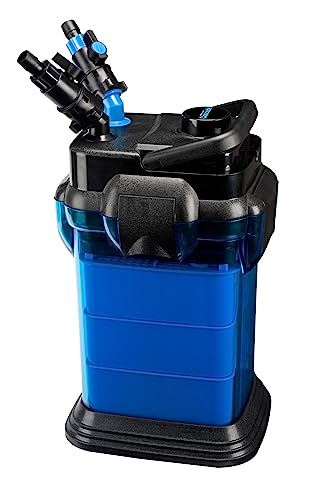
Penn-Plax Cascade Canister Filter
Essential for maintaining pristine aquatic conditions, this canister filter employs robust multi-stage filtration to efficiently remove waste and harmful toxins. Its powerful performance is crucial for the health and well-being of messy aquatic turtles.

Zoo Med PowerSun H.I.D. Metal Halide UVB Lamp
This all-in-one metal halide lamp delivers vital UVA, UVB, and heat, replicating natural sunlight conditions essential for turtle health. Its comprehensive output prevents common health issues like Metabolic Bone Disease by facilitating proper calcium absorption.
Mazuri Aquatic Turtle Diet
Developed with scientific rigor, this diet provides a balanced nutritional foundation crucial for the health of aquatic turtles. Its veterinarian-recommended status and comprehensive nutrient profile support robust growth and vitality.
Frequently Asked Questions
The 4-inch rule is a US federal law from 1975 that makes it illegal to sell turtles with a shell length under four inches. This was enacted to prevent the spread of Salmonella, particularly among children who were more likely to handle small turtles improperly. It's why you should only find larger, juvenile or adult turtles for sale from reputable dealers.
References & Sources
- https://www.petmd.com/reptile/aquatic-turtle-care-sheet
- https://www.thesprucepets.com/types-of-pet-turtles-4788330
- https://www.petmd.com/reptile/types-aquatic-turtles
- https://www.thesprucepets.com/before-you-get-a-box-turtle-1238462
- https://www.thesprucepets.com/mud-turtles-1238354
- https://www.petmd.com/reptile/how-long-do-turtles-and-tortoises-live
Related Articles

Best Pet Tortoise? 6 Breeds for Any Space & Budget
Looking for the best pet tortoise? We rank 6 top species by difficulty, size, and temperament so you can find your perfect shelled companion.

Best Pet Lizard Species: Top Picks for New & Experienced Keepers
Discover the best pet lizard species for your home! Our expert guide covers top choices like leopard geckos and bearded dragons, focusing on care, temperament, and suitability.

Finding Your Perfect Scale-Mate: Best Pet Lizards for Beginners
Discover the best pet lizards for beginners! Our expert guide helps you choose the perfect scaled companion, covering popular species, care tips, and more.