Best Starter Reptile Pet: 5 Top Picks for Beginners
Ready for your first reptile? Our guide reveals the 5 best starter reptile pet choices for beginners, focusing on easy care, handling, and setup costs.


This article contains affiliate links. If you make a purchase through these links, we may earn a small commission at no extra cost to you. See our affiliate disclosure for details.
We recommend 5 picks here. Our top choice is the BN-LINK Digital Heat Mat Thermostat Controller — check price and availability below.
How we choose: we compare published specifications against the care requirements in veterinary and species-care literature, and weigh those against what long-time keepers report. We do not test products ourselves and we do not restate Amazon star ratings. The 6 sources behind this article are listed at the bottom.
Quick Comparison
- Product Category
- Heating
- Key Function
- Temperature Regulation
- Requirement Level
- Essential Safety
- Estimated Price Range
- $20-30
- Installation/Setup
- Plug-and-Play (Probe)
- Product Category
- Lighting
- Key Function
- UVB Emission
- Requirement Level
- Species-Specific Health
- Estimated Price Range
- $40-60
- Installation/Setup
- Fixture Required
- Product Category
- Enclosure
- Key Function
- Habitat Provision
- Requirement Level
- Fundamental Housing
- Estimated Price Range
- $150-250
- Installation/Setup
- Assembly Required
- Product Category
- Feeding
- Key Function
- Complete Nutrition
- Requirement Level
- Species-Specific Diet
- Estimated Price Range
- $10-20
- Installation/Setup
- Mix with Water
- Product Category
- Monitoring
- Key Function
- Temp/Humidity Tracking
- Requirement Level
- Essential Monitoring
- Estimated Price Range
- $15-25
- Installation/Setup
- Battery Operation
Prices are estimates only. Actual prices on Amazon may vary.
Choosing your first reptile is an exciting journey, but it can also feel overwhelming. The world of herpetology is vast, filled with animals of every shape, size, and temperament. The key to a rewarding experience for both you and your new pet is picking a species that matches your lifestyle and experience level. So, what is the best starter reptile pet? While there's no single perfect answer for everyone, some species are overwhelmingly recommended by experts for their hardiness, manageable care, and calm dispositions.
This guide is here to help you navigate those first crucial steps. We'll break down what makes a reptile "beginner-friendly" and introduce you to our top five picks that have helped countless keepers fall in love with these incredible animals.
What Makes a Great Starter Reptile?
Before we dive into specific species, let's define our terms. A great starter reptile isn't just about being popular; it's about being a good fit for someone new to the hobby. We evaluate them based on four key criteria:
Temperament and Handling
A good beginner reptile should be relatively docile and tolerant of handling. While all reptiles can be stressed by excessive contact, some are naturally more placid. A calm demeanor reduces the risk of bites and makes routine maintenance and health checks far less stressful for you and the animal.
Adult Size and Space
That tiny baby lizard or snake in the pet store won't stay small forever. The best starter reptile pet will have a manageable adult size that doesn't require a room-sized enclosure. We're looking for animals that live comfortably in a reasonably sized [terrarium](https://www.amazon.com/dp/B07Y866155?tag=krawlo-20 that fits in a typical home.
Dietary Needs
Feeding is a huge part of reptile husbandry. For a first-time owner, a simple diet is a massive advantage. Species that thrive on readily available insects, commercial diets, or frozen-thawed rodents are much easier to care for than those requiring obscure or specialized foods.
Setup and Environment
Complex lighting, heating, and humidity requirements can be a major hurdle for new keepers. The ideal starter reptile is one that is tolerant of minor fluctuations and doesn't need an incredibly complex and expensive setup to thrive. While all reptiles need their environment managed, some are simply more forgiving than others.
What Makes a Great Starter Reptile?
What you need to know
Docile and tolerant of handling with low bite risk
Manageable adult size that fits typical home enclosures
Simple diet with readily available or commercial food sources
Forgiving setup with minimal lighting/heating complexity
Top 5 Best Starter Reptile Pets
Quick recommendations
Docile, 7-10 inches, no UVB lighting required, 15-20 year lifespan
Thrives at 72-78°F, commercial powdered diet, no live insects needed
Incredibly docile, rarely bites, manageable 3-5 feet, colorful morphs
Highly interactive, engaging behavior, varied insect & greens diet
Detailed Reviews
1. BN-LINK Digital Heat Mat Thermostat Controller
Best Overall
BN-LINK Digital Heat Mat Thermostat Controller
Pros
- •Ensures consistent temperature regulation for various heating devices.
- •Prevents dangerous overheating, enhancing reptile safety.
- •Digital display offers accurate and easy-to-read temperature monitoring.
- •Widely compatible with most heat mats, ceramic emitters, and heat lamps.
Cons
- •Requires careful probe placement for accurate readings.
- •May have a slight learning curve for first-time thermostat users.
- •Not designed for controlling ambient air temperature for an entire room.
Bottom Line
This digital thermostat provides precise temperature control for heating elements, crucial for maintaining a safe and stable reptile environment. It prevents overheating, safeguarding pets from burns and ensuring optimal thermal gradients.
2. Zoo Med ReptiSun 10.0 UVB T5 HO Lamp
Editor's Choice
Zoo Med ReptiSun 10.0 UVB T5 HO Lamp
Pros
- •Provides powerful and broad-spectrum UVB output necessary for D3 synthesis.
- •T5 High Output design offers effective UVB penetration over larger enclosures.
- •Crucial for the health of diurnal species, preventing common deficiencies.
- •Long lifespan, typically effective for 12 months before requiring replacement.
Cons
- •Requires a compatible T5 HO fixture, increasing initial setup cost.
- •Needs annual replacement, adding to ongoing maintenance expenses.
- •Not suitable for nocturnal or crepuscular species that require minimal UVB.
Bottom Line
This high-output T5 UVB lamp delivers strong, consistent UVB radiation essential for diurnal reptiles to synthesize Vitamin D3. Proper UVB exposure is vital for bone health and preventing metabolic bone disease in susceptible species.
3. REPTI ZOO 40 Gallon Reptile Glass Terrarium
Premium Pick
REPTI ZOO 40 Gallon Reptile Glass Terrarium
Pros
- •40-gallon breeder size is highly versatile for many beginner species.
- •Front-opening doors facilitate easy access and cleaning routines.
- •Glass construction maintains humidity effectively and offers clear viewing.
- •Secure lid prevents escapes while allowing for proper ventilation.
Cons
- •Can be heavy and fragile, making relocation challenging.
- •May not be sufficient as a permanent adult enclosure for larger species.
- •Requires additional investment in heating, lighting, and decor.
Bottom Line
This 40-gallon glass terrarium serves as a versatile enclosure suitable for many adult beginner reptile species or as a grow-out tank. Its front-opening design simplifies access for maintenance, cleaning, and interacting with inhabitants.
4. Pangea/Repashy Crested Gecko Food
Best Value
Pangea/Repashy Crested Gecko Food
Pros
- •Provides a complete and balanced diet, simplifying feeding for specific species.
- •Eliminates the need to source and maintain live insect feeders.
- •Easy to prepare by simply mixing with water to a smoothie consistency.
- •Ensures proper nutrition, supporting long-term health and growth.
Cons
- •Specifically formulated for fruit-eating geckos; not suitable for insectivores.
- •Requires regular preparation to ensure freshness.
- •Some geckos may show initial reluctance to accept new diets.
Bottom Line
These complete powdered diets offer a balanced nutritional solution for Crested Geckos, eliminating the need for live insects. They provide all essential fruits, proteins, vitamins, and minerals in an easy-to-prepare paste form.
5. Govee Digital Reptile Thermometer/Hygrometer
Budget Pick
Govee Digital Reptile Thermometer/Hygrometer
Pros
- •Offers accurate digital readings for both temperature and humidity.
- •Allows for precise monitoring of critical environmental parameters.
- •Prevents health issues associated with incorrect temperature or humidity levels.
- •Often includes features like remote monitoring or data logging for consistency.
Cons
- •Requires batteries, which need periodic replacement.
- •Optimal placement is crucial for obtaining representative readings.
- •One unit might not be sufficient for monitoring multiple zones in a large enclosure.
Bottom Line
This digital thermometer/hygrometer provides accurate, real-time measurements of temperature and humidity within a reptile enclosure. Reliable environmental monitoring is essential for ensuring appropriate conditions and preventing health issues.
Our Top 5 Best Starter Reptile Pets
Based on the criteria above, we've compiled a list of five reptiles that consistently prove to be fantastic introductions to the hobby. Each one has its unique charms, but all are known for being hardy and manageable.
1. Leopard Gecko (Eublepharis macularius)
It's no surprise that the Leopard Gecko is at the top of nearly every beginner list. These small, charismatic lizards from the arid grasslands of Asia and the Middle East are arguably the most popular starter reptile on the planet, and for good reason.
They are docile, rarely bite, and grow to a very manageable 7-10 inches. Unlike many other lizards, they don't require specialized UVB lighting, which simplifies their setup significantly. Their perpetually smiling faces and wide variety of colors (morphs) make them an incredibly appealing choice. For a deeper look, check out our complete Best Starter Lizards for Pets: A Beginner's Guide 2026.
| Care Factor | Leopard Gecko Details |
|---|---|
| Lifespan | 15-20 years |
| Adult Size | 7-10 inches |
| Enclosure | 20-gallon long aquarium or terrarium |
| Temperature | Hot spot of 88-92°F, cool side of 75°F |
| Diet | Insectivore (crickets, mealworms, dubia roaches) |
Setup and Care: A 20-gallon long tank is perfect for an adult. You'll need an [undertank heating mat](https://www.amazon.com/dp/B08C93ZGPJ?tag=krawlo-20 connected to a quality [thermostat](https://www.amazon.com/dp/B01I15S6OM?tag=krawlo-20 to control the ground temperature. Provide at least three hides: one on the warm side, one on the cool side, and a humid hide (filled with moist sphagnum moss) to help with shedding. Dust their insect feeders with calcium and multivitamin supplements to ensure proper nutrition.
2. Crested Gecko (Correlophus ciliatus)
If you want a pet you can keep comfortably at room temperature, the Crested Gecko is a phenomenal choice. Hailing from the forests of New Caledonia, these geckos were once thought to be extinct but have made a huge comeback in the pet trade. They are known for their eyelash-like crests, prehensile tails, and incredible jumping ability.
What makes them so great for beginners is their simple diet and temperature needs. They thrive at typical room temperatures (72-78°F) and eat a commercially prepared powdered diet that you just mix with water. No insects required, though they enjoy them as a treat!
| Care Factor | Crested Gecko Details |
|---|---|
| Lifespan | 15-20 years |
| Adult Size | 8 inches (including tail) |
| Enclosure | 18"x18"x24" vertical terrarium |
| Temperature | 72-78°F (standard room temperature) |
| Diet | Commercial Crested Gecko Diet (CGD) |
Setup and Care: Crested Geckos are arboreal, meaning they love to climb. A tall, vertical enclosure is a must. Fill it with plenty of foliage, vines, and branches for climbing and hiding. They need daily misting to maintain humidity levels between 60-80%, which also allows them to drink water droplets from the leaves. A [digital thermometer/hygrometer](https://www.amazon.com/dp/B07GR65CNT?tag=krawlo-20 is essential for monitoring their environment.
3. Corn Snake (Pantherophis guttatus)
For those looking to get their first snake, the Corn Snake is the undisputed champion. They are one of the most recommended snakes for beginners due to their incredibly docile nature, manageable size, and reluctance to bite. They are native to the southeastern United States and come in a breathtaking array of colors and patterns.
Corn Snakes are curious and active, making them enjoyable to watch, and they are generally very tolerant of handling once they feel secure. Their straightforward care requirements make them a forgiving first snake. If you're considering a slithery friend, our guide to the Best Starter Pet Snake: 5 Top Picks for a First-Timer can give you even more options.
| Care Factor | Corn Snake Details |
|---|---|
| Lifespan | 20+ years |
| Adult Size | 3-5 feet |
| Enclosure | 20-40 gallon terrarium (or 4'x2'x2' PVC) |
| Temperature | Hot spot of 85°F, cool side of 75°F |
| Diet | Carnivore (frozen/thawed mice) |
Setup and Care: A secure lid is non-negotiable, as snakes are notorious escape artists. A 40-gallon breeder tank is a great size for an adult. Use an undertank heater or a ceramic heat emitter connected to a thermostat to create the proper temperature gradient. Provide a couple of snug hides and a water bowl large enough for them to soak in. Feed them an appropriately sized frozen-thawed mouse every 7-14 days, depending on their age.
4. Bearded Dragon (Pogona vitticeps)
Bearded Dragons are a step up in care complexity compared to the others on this list, but their outgoing personalities and engaging behavior make them one of the most rewarding reptiles you can own. These Australian natives are known for their expressive "beards" and interactive nature, often seeming to watch their owners with curiosity.
They require more specialized equipment, specifically high-output UVB lighting and hotter basking temperatures. However, their care is very well-established, and they are so popular that a wealth of information and products are available. Their willingness to eat a varied diet of insects and greens can also be fun for owners.
| Care Factor | Bearded Dragon Details |
|---|---|
| Lifespan | 10-15 years |
| Adult Size | 16-24 inches |
| Enclosure | 4'x2'x2' (120-gallon) minimum for adults |
| Temperature | Basking spot of 100-110°F, cool side of 80°F |
| Diet | Omnivore (insects and leafy greens/vegetables) |
Setup and Care: An adult requires a minimum of a 4-foot by 2-foot enclosure. This is non-negotiable for their well-being. You will need a high-quality basking bulb to reach the high basking temperatures and, most importantly, a linear [T5 HO UVB tube light](https://www.amazon.com/dp/B08HCL4J8D?tag=krawlo-20 that spans at least half the length of the enclosure. This UVB is critical for calcium metabolism and preventing Metabolic Bone Disease. Their diet shifts from mostly insects as babies to mostly greens as adults.
5. Ball Python (Python regius)
Named for their tendency to curl into a tight ball when nervous, Ball Pythons are another classic starter snake. They are a small, stocky python from Africa, known for being shy, quiet, and very easy to handle. Their manageable size (3-5 feet) and slow-moving nature make them less intimidating than other pythons.
The biggest challenge for new keepers is often maintaining the high humidity they need (60-70%) and dealing with their occasional picky eating habits. However, with the right enclosure and a little patience, they make wonderful, long-lived companions. They also come in thousands of stunning genetic morphs.
| Care Factor | Ball Python Details |
|---|---|
| Lifespan | 30+ years |
| Adult Size | 3-5 feet |
| Enclosure | 4'x2'x2' (120-gallon) PVC enclosure |
| Temperature | Hot spot of 88-92°F, cool side of 76-80°F |
| Diet | Carnivore (frozen/thawed rodents) |
Setup and Care: While glass tanks can work, PVC enclosures are far better at holding the necessary heat and humidity. You'll need a heat mat or heat panel on a thermostat. Provide multiple tight, secure hides so they can feel safe. Use a humidity-retaining substrate like cypress mulch or coco husk and mist as needed. A reliable digital hygrometer is key to preventing respiratory infections and shedding issues.
A Note on Turtles and Tortoises
You might notice that turtles and tortoises are missing from our main list. While they are incredibly appealing, they often aren't the best starter reptile pet. Aquatic turtles require large tanks with powerful filtration systems, which is like adding aquarium maintenance on top of reptile care. Tortoises, like the popular Sulcata, grow to be enormous, destructive, and can live for over 80 years—a true lifetime commitment that most beginners are not prepared for.
Some smaller species, like the Greek Tortoise, can be manageable but still require outdoor space to thrive and represent a multi-decade responsibility. We recommend getting a few years of reptile experience before considering a chelonian.
The Financial Commitment: What to Expect
(Estimates only — actual prices on Amazon may vary.)
It's important to budget for more than just the cost of the animal. In fact, the initial setup is often the most expensive part. Be prepared for both upfront and ongoing costs.
- Initial Setup Cost: For a complete setup including the enclosure, heating, lighting, thermostat, substrate, and decor, you can expect to spend anywhere from $250 to $600. Species like Bearded Dragons that require larger enclosures and more advanced lighting will be at the higher end of that range.
- Ongoing Costs: You'll need to budget for food (insects, rodents, greens), replacement substrate, new UVB bulbs (which lose effectiveness and need replacing every 6-12 months), and potential vet bills. An annual check-up with an exotics vet is always a good idea.
Final Thoughts: Choosing Your First Reptile
The five species we've highlighted are proven winners for those new to reptile keeping. They are all hardy, handleable, and have straightforward care requirements that are well-documented online and in books. The absolute best starter reptile pet for you is the one you are most excited about and whose needs you can realistically meet for its entire lifespan. For a broader view of great options, our Best Reptiles to Have as Pets: A 2026 Keeper's Guide is a fantastic next read.
Do your research. Read care sheets from multiple reputable sources, watch videos, and even talk to other keepers online. When you bring home that Leopard Gecko or Corn Snake, you're not just getting a pet; you're starting a fascinating new hobby and taking responsibility for a unique and incredible life. Choose wisely, prepare thoroughly, and you'll have a companion for years to come.
Our Final Verdict

BN-LINK Digital Heat Mat Thermostat Controller
This digital thermostat provides precise temperature control for heating elements, crucial for maintaining a safe and stable reptile environment. It prevents overheating, safeguarding pets from burns and ensuring optimal thermal gradients.
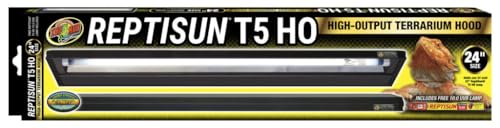
Zoo Med ReptiSun 10.0 UVB T5 HO Lamp
This high-output T5 UVB lamp delivers strong, consistent UVB radiation essential for diurnal reptiles to synthesize Vitamin D3. Proper UVB exposure is vital for bone health and preventing metabolic bone disease in susceptible species.
REPTI ZOO 40 Gallon Reptile Glass Terrarium
This 40-gallon glass terrarium serves as a versatile enclosure suitable for many adult beginner reptile species or as a grow-out tank. Its front-opening design simplifies access for maintenance, cleaning, and interacting with inhabitants.
Frequently Asked Questions
The Leopard Gecko is widely considered the best beginner lizard pet. They are small, docile, and don't require the special UVB lighting that many other lizards need, making their setup simpler and less expensive. Crested Geckos are another top choice due to their simple prepared diet and tolerance for room temperatures.
References & Sources
- https://reptifiles.com/advice-best-reptiles-for-beginners/
- https://reptilesmagazine.com/reptile-care-for-beginners/?srsltid=AfmBOoqHctng4XVXhwQUqfCZkkpKFsslr-ITDWkC1paLTgmRwIH75PQ1
- https://www.thesprucepets.com/best-pet-reptiles-for-beginners-1237230
- https://www.petmd.com/reptile/care/evr_rp_5-best-reptiles-and-amphibians-kids
- https://www.thesprucepets.com/types-of-reptile-pets-that-are-easy-for-kids-5199608
- https://www.thesprucepets.com/three-great-geckos-for-beginners-1238772
Related Articles

Best Starter Pet Snake: 5 Top Picks for a First-Timer
Looking for the best starter pet snake? Our expert guide ranks the top 5 beginner-friendly snakes on temperament, size, cost, and ease of care. Find your perfect first reptile!

Best Ackie Monitor Starter Kit for Beginners
Get the best Ackie monitor starter kit for a happy and healthy pet. Learn what to include and how to set up the perfect enclosure for your Ackie monitor.

Best Blue Tongue Skink Starter Kit: Ultimate Guide
Discover the best blue tongue skink starter kit with practical advice on enclosure, substrate, heat, lighting, and more!