Best Small Turtles for Pets: A Keeper's Top 5 Choices
Looking for the best small turtles for pets? Our expert guide covers the top 5 species that stay small, including their care, tank size, and temperament.


This article contains affiliate links. If you make a purchase through these links, we may earn a small commission at no extra cost to you. See our affiliate disclosure for details.
We recommend 4 picks here. Our top choice is the Penn-Plax Turtle Tanker & Basking Platform Kit — check price and availability below.
How we choose: we compare published specifications against the care requirements in veterinary and species-care literature, and weigh those against what long-time keepers report. We do not test products ourselves and we do not restate Amazon star ratings. The 6 sources behind this article are listed at the bottom.
Quick Comparison
- Primary Function
- Aquarium Kit
- Tank Size / Dietary Suitability
- 40 Gallon Tank (included)
- Key Health Contribution
- Safe habitat & basking
- Estimated Price Point
- $120-180
- Primary Function
- External Canister Filter
- Tank Size / Dietary Suitability
- Effective for up to 45-gallon tanks
- Key Health Contribution
- Disease prevention via clean water
- Estimated Price Point
- $160-220
- Primary Function
- UVB/Heat Lamp Kit
- Tank Size / Dietary Suitability
- For standard basking areas
- Key Health Contribution
- MBD prevention & thermoregulation
- Estimated Price Point
- $60-90
- Primary Function
- Commercial Pellet Diet
- Tank Size / Dietary Suitability
- All aquatic turtle species
- Key Health Contribution
- Growth & long-term vitality
- Estimated Price Point
- $15-25
Prices are estimates only. Actual prices on Amazon may vary.
The idea of a pet turtle often brings to mind a giant, lumbering reptile that needs a stock tank for a home. But what if you could enjoy the quiet charm of a turtle without needing a backyard pond? You can! The key is choosing a species that stays small. We're diving into the best small turtles for pets, perfect for keepers who want a fascinating reptile companion without the massive space commitment.
These compact chelonians are some of the most interesting reptiles you can keep, and their manageable size makes them a great entry point into the world of aquatic turtles. If you're exploring different kinds of companions, our Best Reptiles to Have as Pets: A 2026 Keeper's Guide can give you a wider view of your options.
Why Choose a Small Turtle?
Opting for a smaller turtle species has some serious advantages, especially for new keepers or those with limited space. It’s not just about convenience; it’s about providing a better quality of life for your pet over its very long lifespan.
First, there's the habitat. A Red-Eared Slider, a common but large pet turtle, needs a 75 to 125-gallon aquarium as an adult. That’s a massive, heavy, and expensive setup. In contrast, many of the best small turtles for pets can live happily in a 40-gallon tank. This makes finding space, affording the initial setup, and performing maintenance much more realistic for the average person.
Second, the cost of care is lower. A smaller tank requires a less powerful (and less expensive) filter, a smaller heater, and less water. While you should never skimp on quality equipment, the overall investment is significantly reduced.
Finally, maintenance is simpler. Performing a partial water change on a 40-gallon tank is a manageable weekly task. Doing the same on a 100-gallon tank is a major chore that can quickly become overwhelming. A smaller habitat means a cleaner environment for your turtle and less burnout for you.
Why Small Turtles Make Great Pets
What you need to know
Space-efficient: 40-gallon tanks vs. 75–125-gallon requirements for large species
Cost-effective: Lower equipment costs (filter, heater, water volume) and simpler maintenance
Sustainable care: Weekly water changes in smaller tanks prevent owner burnout and ensure healthier environments
Small Turtle Species Guide
Common Musk Turtle
3–5 inches
Beginner-friendly, 20–40 gal tank
Eastern Mud Turtle
3–5 inches
Hardy, 20–40 gal tank
Spotted Turtle
4–5 inches
Beautiful, needs cooler water, 40 gal tank
Reeves' Turtle
5–7 inches
Most personable, 40–55+ gal tank
Diamondback Terrapin
5–7 inches
Advanced only, requires brackish water, 55 gal tank
Detailed Reviews
1. Penn-Plax Turtle Tanker & Basking Platform Kit
Best Value
Penn-Plax Turtle Tanker & Basking Platform Kit
Pros
- •Includes a 40-gallon tank, suitable for many small turtle species.
- •Integrated basking platform promotes thermoregulation and health.
- •Provides a comprehensive initial setup for new keepers.
- •Designed specifically for aquatic turtles.
Cons
- •Requires additional equipment (filter, lighting, heater) not included.
- •The 40-gallon size might eventually be outgrown by certain species.
- •Limited aesthetic customization options due to integrated design.
Bottom Line
This kit offers a foundational habitat solution, specifically a 40-gallon tank with an essential built-in basking area. It serves as a practical entry point for new keepers establishing a suitable environment for small turtle species.
2. Fluval 207 Canister Filter
Premium Pick
Fluval 207 Canister Filter
Pros
- •Canister design provides superior mechanical, chemical, and biological filtration.
- •Rated for tanks up to 45 gallons, ensuring effective filtration for messy turtles.
- •Reduces maintenance frequency due to high filtration capacity.
- •Contributes to a healthier aquatic environment by maintaining water quality.
Cons
- •Higher initial cost compared to internal or hang-on-back filters.
- •Requires dedicated space for external placement.
- •Installation can be more complex than simpler filter types.
Bottom Line
The Fluval 207 is a high-performance canister filter providing multi-stage filtration crucial for maintaining pristine water conditions in turtle habitats. Its robust capacity effectively addresses the high bio-load associated with aquatic turtles, ensuring a cleaner, healthier environment.
3. Zoo Med Aquatic Turtle UVB & Heat Lighting Kit
Best Overall
Zoo Med Aquatic Turtle UVB & Heat Lighting Kit
Pros
- •Provides essential UVB for calcium metabolism and bone health.
- •Delivers crucial heat for proper thermoregulation and basking behavior.
- •All-in-one design simplifies setup and ensures both vital lighting components are present.
- •Specifically formulated for aquatic turtle health requirements.
Cons
- •UVB bulbs require regular replacement (typically every 6-12 months).
- •Kit might be more expensive than purchasing individual components.
- •Specific bulb wattage might need adjustment based on tank size and ambient temperature.
Bottom Line
This comprehensive lighting kit is indispensable for aquatic turtle health, supplying both the necessary UVB radiation for calcium absorption and vital heat for thermoregulation. Its all-in-one nature streamlines the provision of critical environmental conditions, preventing common health issues like metabolic bone disease.
4. Mazuri Aquatic Turtle Diet
Editor's Choice
Mazuri Aquatic Turtle Diet
Pros
- •Vet-recommended formula ensures balanced and complete nutrition.
- •Supports healthy growth and long-term vitality for aquatic turtles.
- •Pellet form makes feeding convenient and minimizes waste.
- •Specifically designed to meet the dietary needs of aquatic turtles.
Cons
- •Should be supplemented with fresh foods to provide dietary variety.
- •Specific pellet size must be chosen based on the turtle's age and size.
- •Higher cost than some lower-quality commercial brands.
Bottom Line
Mazuri Aquatic Turtle Diet is a highly respected, vet-recommended staple food providing comprehensive nutrition for the healthy development and maintenance of aquatic turtles. Its balanced formulation supports growth and prevents deficiencies when incorporated into a varied diet.
Our Top 5 Best Small Turtles for Pets
Ready to meet the contenders? We’ve selected these species based on their adult size, availability as captive-bred animals, and overall suitability for home care. Remember, every turtle is a decades-long commitment, so choose wisely!
1. Common Musk Turtle (Sternotherus odoratus)
Also known as the "Stinkpot," the Common Musk Turtle is arguably the number one choice for a small pet turtle. They get their nickname from a musky fluid they can release when frightened, but this rarely happens in captivity with a well-adjusted pet.
These turtles are highly aquatic and spend most of their time walking along the bottom of the tank, foraging for food. They are not strong swimmers, so they appreciate plenty of driftwood, plants, and decor to climb on to reach the surface.
- Adult Size: 3 to 5 inches
- Tank Size: A 20-gallon long is a good start, but a 40-gallon breeder tank provides ample space for an adult.
- Care Highlights: They are primarily carnivorous, thriving on a diet of quality turtle pellets, bloodworms, and chopped earthworms. A basking spot is still necessary, though they use it less than other species. Keep water temperatures between 72-78°F and the basking spot around 85°F.
- Temperament: Inquisitive and active, they are very fun to watch but are generally hands-off pets.
2. Eastern Mud Turtle (Kinosternon subrubrum)
Closely related to musk turtles, Mud Turtles are another fantastic small species. They look very similar, with a dark, smooth carapace (top shell). They share the habit of bottom-walking and are also not the most graceful swimmers.
Like their musky cousins, they are hardy and relatively easy to care for, making them one of the best small turtles for pets who are just starting their journey.
- Adult Size: 3 to 5 inches
- Tank Size: A 20-gallon long is the minimum for an adult, with a 40-gallon being preferable.
- Care Highlights: Their diet is nearly identical to a Musk Turtle's. They enjoy commercial pellets, insects, and worms. A basking area with UVB and heat is essential, along with clean, heated water (74-78°F).
- Temperament: Can be a bit shy, but often become more outgoing as they get used to their keepers.
3. Spotted Turtle (Clemmys guttata)
The Spotted Turtle is undeniably one of the most beautiful small turtles in the world. Their smooth, black shell is adorned with bright yellow polka dots. However, their beauty comes with more specific care requirements and important legal considerations.
Spotted Turtles are a protected species in many parts of their native range. You must ensure you are buying from a reputable, captive breeder and check your state and local laws. Never take one from the wild. Due to their specific needs, they are best for keepers with some previous reptile experience.
- Adult Size: 4 to 5 inches
- Tank Size: A 40-gallon breeder-style tank is a great choice for an adult.
- Care Highlights: They need cooler water than other species (around 70-75°F) but still require a warm basking spot (85-90°F). They are omnivores, eating pellets, insects, and aquatic plants. Water quality is extremely important for this species.
- Temperament: Active and intelligent. They are known for being personable and are a joy to observe.
4. Reeves' Turtle (Mauremys reevesii)
A bit larger than the others on this list, the Reeves' Turtle still qualifies as a small and manageable pet. What they lack in tiny stature, they make up for in personality. They are known for being incredibly personable and friendly, often swimming to the glass to greet their owners.
Their carapace features three distinct keels (ridges) running down its length, giving them a unique, almost prehistoric look. They are more active swimmers than mud or musk turtles and will use all the space you give them.
- Adult Size: 5 to 7 inches
- Tank Size: Due to their size and activity level, a 40-gallon tank is the absolute minimum, but a 55-gallon or larger is highly recommended.
- Care Highlights: Omnivorous, they need a balanced diet of pellets, protein, and leafy greens. Standard water temps of 75-80°F and a basking spot of 90°F are perfect.
- Temperament: Curious, engaging, and one of the few turtle species that may tolerate gentle handling. Their outgoing nature makes them a favorite among many keepers.
5. Diamondback Terrapin (Malaclemys terrapin)
Diamondback Terrapins are stunningly beautiful turtles with intricate patterns on their shell and skin. They stay relatively small, but they come with one very important, non-negotiable requirement: brackish water.
These turtles live in coastal marshes where freshwater meets the ocean. To thrive in captivity, they need salt added to their water to create a brackish environment. This specialized need makes them suitable only for dedicated, experienced keepers, but they are too remarkable not to include as an honorable mention.
- Adult Size: 5 inches (males) to 7 inches (females)
- Tank Size: A 55-gallon tank is a good starting point for an adult.
- Care Highlights: The key is brackish water, which requires a hydrometer to measure salt content (specific gravity of 1.010-1.018). Their diet consists of specialized commercial pellets, crustaceans, and fish. Without proper salinity, they are prone to shell and skin problems.
- Temperament: Active, alert, and fantastic swimmers.
Setting Up Your Small Turtle's Habitat
No matter which species you choose, the basic habitat components are the same. Getting this right from the start is the key to a healthy turtle.
(Estimates only — actual prices on Amazon may vary.)
A complete turtle starter kit can cost between $200-$400, but is a great investment.
- Tank: A 40-gallon breeder tank is a versatile and ideal size for most of the adult turtles on this list. The 'breeder' dimensions give more surface area, which is great for these semi-aquatic animals.
- Filtration: This is the most important piece of equipment. Turtles are messy eaters and produce a lot of waste. You need a canister filter rated for at least double your tank's volume. For a 40-gallon tank, a filter rated for 80-100 gallons is appropriate.
- Lighting: You need two types of light. A heat lamp to create a basking spot of 85-95°F, and a UVB light that spans the length of the tank. UVB is essential for your turtle to process calcium and prevent Metabolic Bone Disease, which is debilitating and often fatal.
- Heating: The water itself must be heated. An adjustable submersible aquarium heater will keep the water in the ideal 72-80°F range, depending on your chosen species.
- Basking Dock: Your turtle needs a place to get completely out of the water to dry off and bask under the lights. Floating docks or above-tank basking platforms are great options.
A Note on Wild-Caught vs. Captive-Bred
We mentioned this with the Spotted Turtle, but it applies to all species. You should only ever purchase a captive-bred turtle from a reputable breeder or reptile store.
Wild-caught turtles are bad for several reasons. First, they are often loaded with internal and external parasites that are difficult and expensive to treat. Second, the stress of being captured and transported can cause them to fail to thrive and eventually die. Finally, collecting turtles from the wild harms native ecosystems and can threaten vulnerable populations.
Always insist on a captive-bred animal. You'll get a healthier, better-adjusted pet and support responsible practices in the hobby.
Is a Small Turtle the Right Pet for You?
Even the best small turtles for pets are a significant, long-term responsibility. While their small size makes their care more manageable, they still depend on you for a clean, properly heated, and well-filtered environment for the next 20 to 40 years.
If you're prepared for the commitment and find joy in creating a perfect little ecosystem, these compact reptiles offer a window into a fascinating and ancient world. They are quiet, interesting, and rewarding pets for the right person. For a broader look at different turtle species, check out our guide on the Best Turtles to Have as Pets: 10 Top Choices for Keepers.
Our Final Verdict

Penn-Plax Turtle Tanker & Basking Platform Kit
This kit offers a foundational habitat solution, specifically a 40-gallon tank with an essential built-in basking area. It serves as a practical entry point for new keepers establishing a suitable environment for small turtle species.
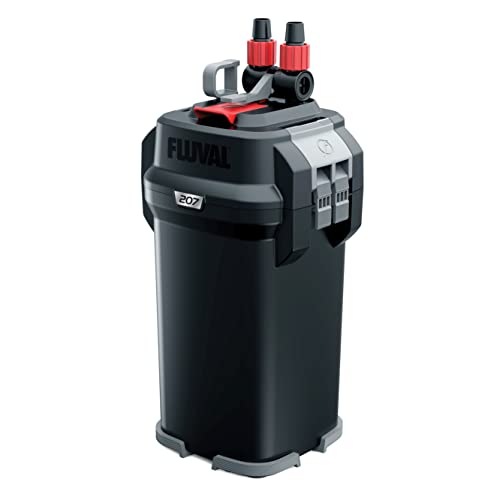
Fluval 207 Canister Filter
The Fluval 207 is a high-performance canister filter providing multi-stage filtration crucial for maintaining pristine water conditions in turtle habitats. Its robust capacity effectively addresses the high bio-load associated with aquatic turtles, ensuring a cleaner, healthier environment.

Zoo Med Aquatic Turtle UVB & Heat Lighting Kit
This comprehensive lighting kit is indispensable for aquatic turtle health, supplying both the necessary UVB radiation for calcium absorption and vital heat for thermoregulation. Its all-in-one nature streamlines the provision of critical environmental conditions, preventing common health issues like metabolic bone disease.
Frequently Asked Questions
The Common Musk Turtle (Stinkpot) is widely considered the easiest and best small turtle for beginners. They are hardy, stay very small (3-5 inches), and their care requirements are straightforward. Their highly aquatic nature also means they are very active and fun to watch in their environment.
References & Sources
- https://www.petmd.com/reptile/aquatic-turtle-care-sheet
- https://www.thesprucepets.com/types-of-pet-turtles-4788330
- https://www.petmd.com/reptile/types-aquatic-turtles
- https://www.thesprucepets.com/pet-aquatic-turtles-1237254
- https://www.thesprucepets.com/spotted-turtles-as-pets-4773456
- https://reptifiles.com/spotted-turtle-care-sheet/
Related Articles

10 Best Small Reptile Pets for Apartments (2026)
Compare ten of the best small reptile pets for apartments and compact enclosures by adult size, habitat needs, handling, lifespan, and beginner difficulty.

Best Small Snakes for Pets: A Keeper's Top 6 Picks
Looking for the best small snakes for pets? Our expert guide ranks the top 6 species by temperament, size, and care, helping you find your perfect scaly friend.

Best Turtles to Have as Pets: 10 Top Choices for Keepers
Thinking of getting a pet turtle? Our guide covers the 10 best turtles to have as pets, with care tips for beginners and experts on size, lifespan, and habitat.