Best Small Snakes for Pets: A Keeper's Top 6 Picks
Looking for the best small snakes for pets? Our expert guide ranks the top 6 species by temperament, size, and care, helping you find your perfect scaly friend.


This article contains affiliate links. If you make a purchase through these links, we may earn a small commission at no extra cost to you. See our affiliate disclosure for details.
We recommend 4 picks here. Our top choice is the Digital Thermometer/Hygrometer — check price and availability below.
How we choose: we compare published specifications against the care requirements in veterinary and species-care literature, and weigh those against what long-time keepers report. We do not test products ourselves and we do not restate Amazon star ratings. The 6 sources behind this article are listed at the bottom.
Quick Comparison
- Primary Function
- Environmental Monitoring
- Essential for Safety
- No
- Affects Enclosure Humidity
- Measures Only
- Requires Additional Device for Functionality
- No
- Primary Function
- Enclosure Heating
- Essential for Safety
- No (requires thermostat)
- Affects Enclosure Humidity
- Indirect, Minimal
- Requires Additional Device for Functionality
- Yes (Thermostat)
- Primary Function
- Heating Control & Safety
- Essential for Safety
- Yes
- Affects Enclosure Humidity
- None
- Requires Additional Device for Functionality
- Yes (Heating Element)
- Primary Function
- Bedding & Enrichment
- Essential for Safety
- No
- Affects Enclosure Humidity
- Can Decrease (when dry), Can Mold (when wet)
- Requires Additional Device for Functionality
- No
Prices are estimates only. Actual prices on Amazon may vary.
Thinking about getting a pet snake but don't have the space for a giant? You're in the right place. The world of reptiles is full of amazing, manageable, and best of all, small snakes perfect for home keeping. Forget the 20-foot pythons you see on TV; we're talking about charming, docile species that fit comfortably into your life and living room.
As a herp care specialist, I've helped countless new keepers find their first scaly companion. The key is choosing a snake that not only stays small but also has a calm temperament and simple care needs. In this guide, we'll slither through the top contenders for the title of "best small snakes for pets," giving you the confidence to make a great choice. From the classic Corn Snake to the burrowing Rosy Boa, let's find the perfect small snake for you.
Factors to Consider Before Choosing a Small Snake
A snake is a long-term commitment, often 15-20 years or more. Before you fall in love with a specific species, it’s crucial to understand what makes a good pet snake for your situation. Here are the key factors we'll use to judge our top picks.
Temperament
This is arguably the most important factor for a new keeper. You want a snake that is generally calm, tolerant of handling, and reluctant to bite. A defensive snake can be stressful to care for, turning husbandry tasks like feeding and cleaning into a nerve-wracking ordeal. We're prioritizing docile, even-tempered species in our list.
Adult Size
"Small" is relative, but for our purposes, we're focusing on snakes that generally stay under 4 feet long. A smaller size means a smaller, more manageable enclosure that doesn't take over an entire room. It also means handling is easier and less intimidating.
Hardiness
Hardy snakes are resilient and can tolerate minor mistakes in husbandry that a beginner might make. They aren't overly sensitive to slight fluctuations in temperature or humidity and are generally robust eaters. This quality makes the learning process much more forgiving.
Cost
(Estimates only — actual prices on Amazon may vary.) The initial investment includes the snake itself plus the full setup. The cost of the snake can range from $50 for a common morph to several hundred for a designer one. The setup (enclosure, heating, thermostat, substrate, hides, water dish) will likely cost between $200 and $400. We'll focus on snakes that don't require overly specialized or expensive equipment.
Feeding Response
Some snakes are notoriously picky eaters, which can be a major source of anxiety for their owners. We're looking for snakes with a strong, reliable feeding response. All the snakes on our list readily accept frozen-thawed (f/t) rodents, which is much more convenient and humane than feeding live prey.
5 Key Factors for Choosing Your First Small Snake
What you need to know
Temperament is the most important factor — choose calm, docile species reluctant to bite
Focus on snakes that stay under 4 feet for manageable enclosure size and easier handling
Hardy species forgive minor husbandry mistakes, making the learning process less stressful
Expect $200–400 for full setup (enclosure, heating, thermostat, substrate, hides)
Snakes with strong feeding response reduce stress — all recommended species accept frozen-thawed rodents
Corn Snake at a Glance
Adult Size
3–4 feet
Slender body feels lighter than same-length thicker snakes
Lifespan
20+ years
Long-term commitment with proper care
Temperament
Docile, curious
Hatchlings jumpy at first; calm quickly with handling
Feeding
Excellent response
Hatchlings: pinky mice every 5–7 days; adults: 1 mouse every 10–14 days
Skill Level
Beginner-friendly
Quintessential starter snake with forgiving care needs
Rosy Boa at a Glance
Adult Size
2–3 feet
Stout, muscular body; truly small snake
Lifespan
20+ years
Excellent longevity in captivity
Temperament
Exceptionally docile
One of least likely to bite; balls up when frightened
Feeding
Strong but slow metabolism
Hatchlings: pinky mouse every 7–10 days; adults: small mouse every 3–4 weeks
Special Trait
Loves to burrow
Requires 2–3 inches of deep substrate; handles well
Corn Snake Enclosure Setup Checklist
Everything you need to get started
Detailed Reviews
1. Digital Thermometer/Hygrometer
Editor's Choice
Digital Thermometer/Hygrometer
Pros
- •Monitors both temperature and humidity crucial for reptile health.
- •Provides accurate, real-time data for precise environmental control.
- •Essential for replicating natural habitat conditions for ectothermic reptiles.
- •Helps prevent common beginner husbandry mistakes related to environmental fluctuations.
Cons
- •Requires battery replacement, adding to long-term maintenance.
- •Placement is crucial for accurate readings, potentially needing multiple units for larger enclosures.
- •May not include advanced features like data logging or remote monitoring.
Bottom Line
This essential device provides keepers with precise, real-time data on their snake's enclosure temperature and humidity. It is fundamental for maintaining the specific environmental gradients vital for a reptile's metabolic functions and overall health.
2. Under Tank Heater (UTH)
Best Value
Under Tank Heater (UTH)
Pros
- •Delivers crucial belly heat, aiding digestion and metabolism.
- •Mimics natural heat from warm surfaces for burrowing and nocturnal species.
- •Can create a beneficial thermal gradient within the enclosure.
- •Space-efficient, attaching to the underside of the tank.
Cons
- •Requires a thermostat for safe and accurate operation.
- •Ineffective through thick substrates, limiting substrate depth in heated areas.
- •Does not raise ambient air temperature significantly.
Bottom Line
An Under Tank Heater provides a localized warm spot vital for reptile digestion and thermoregulation. Its use is critical for mimicking natural heating patterns, particularly for ground-dwelling or nocturnal snakes, but always requires precise thermostat control.
3. Thermostat for Reptile Heater
Best Overall
Thermostat for Reptile Heater
Pros
- •Prevents overheating, eliminating burn risks to reptiles and fire hazards.
- •Maintains precise and stable temperatures within the enclosure.
- •Extends the lifespan of heating elements by preventing constant maximum output.
- •Absolutely essential for the safe operation of any reptile heating device.
Cons
- •Adds an extra cost to initial setup.
- •Requires careful calibration and placement of the probe.
- •Some models may have limited wattage capacity, requiring specific heater compatibility.
Bottom Line
This device is paramount for the safe operation of any reptile heating element, precisely regulating output to prevent dangerous overheating. Its role in protecting both the animal and the home cannot be overstated, making it an indispensable part of responsible reptile keeping.
4. Aspen Shavings Substrate
Budget Pick
Aspen Shavings Substrate
Pros
- •Excellent for burrowing species, encouraging natural behaviors.
- •Low dust content minimizes respiratory irritation for snakes and keepers.
- •Highly absorbent, simplifying spot cleaning and odor control.
- •Readily available and a cost-effective option for many common species.
Cons
- •Not suitable for high-humidity environments, molds quickly if wet.
- •Can be ingested during feeding, potentially leading to impaction if not managed.
- •Requires frequent replacement in humid setups or with messy eaters.
Bottom Line
Aspen shavings provide an ideal, naturalistic bedding for many popular small snake species that enjoy burrowing. Its low dust and absorbent qualities make it easy to maintain, though it is best suited for arid to moderate humidity setups.
Our Top 6 Best Small Snakes for Pets
Now for the main event! We've ranked the best small snakes that combine manageable size, docile nature, and easy care. These are the species we confidently recommend to friends, family, and fellow keepers.
1. Corn Snake (Pantherophis guttatus)
It’s impossible to talk about the best pet snakes for beginners without putting the Corn Snake at the top of the list. They are, for many, the quintessential starter snake. They're active, curious, and come in a dazzling array of colors and patterns (called morphs).
Temperament: Corn Snakes are known for their docile, easy-going nature. Hatchlings can be a bit jumpy, but they quickly calm down with regular, gentle handling. They are inquisitive snakes and will often actively explore when you have them out.
Size & Lifespan: Most adults average 3 to 4 feet. They are a slender-bodied snake, so they feel much smaller and lighter than a thicker-bodied snake of the same length. With proper care, they can live for 20 years or more.
Enclosure Setup:
- Tank: A 20-gallon long tank is suitable for a juvenile, but an adult will need an enclosure measuring at least 36"x18"x18", like a [40-gallon breeder tank](https://www.amazon.com/dp/B0928Q92S7?tag=krawlo-20 Ensure it has a secure, locking lid, as they are notorious escape artists.
- Heating: You'll need to create a temperature gradient. The warm side should be 85°F, best achieved with an under-tank heater regulated by a thermostat. The cool side can be ambient room temperature (around 75°F).
- Substrate: [Aspen shavings](https://www.amazon.com/dp/B0009KJ0A2?tag=krawlo-20 are a popular and effective choice. They hold burrows well and are easy to spot-clean. Cypress mulch is another option, especially if you need to bump up humidity.
- Hides & Clutter: Provide at least two hides—one on the warm side and one on the cool side. Fill the rest of the space with fake plants, branches, and cork bark to make your snake feel secure.
Feeding: Corn Snakes have a fantastic feeding response. Hatchlings eat pinky mice every 5-7 days, graduating to larger prey items as they grow. An adult will eat one appropriately-sized mouse (about 1-1.5x the thickest part of their body) every 10-14 days.
2. Rosy Boa (Lichanura trivirgata)
The Rosy Boa is a hidden gem in the reptile world. Native to the American Southwest and Mexico, these snakes are calm, slow-moving, and exceptionally beautiful with their trademark stripes. Their placid nature makes them one of the best small pet snakes you can find.
Temperament: Rosy Boas are famously docile. They are one of the least likely snakes to bite and tend to move in a slow, deliberate way when handled. When frightened, their first instinct is to ball up and hide their head, not to strike. This makes them a fantastic choice for keepers who might be a little nervous at first.
Size & Lifespan: These are truly small snakes, with most adults reaching only 2 to 3 feet in length. They have a stout, muscular body. They can easily live over 20 years in captivity.
Enclosure Setup:
- Tank: A 10-gallon tank works for a baby, but a 20-gallon long or a 36"x18"x18" front-opening enclosure is a perfect permanent home for an adult.
- Heating: They prefer it a bit warmer. Provide a hot spot of 88-90°F using a heat mat or overhead lamp. The cool side should be around 75°F. Because they are from arid regions, they don't need high humidity.
- Substrate: Aspen shavings or a sand/soil mix work very well. Rosy Boas love to burrow, so provide a deep layer of substrate (2-3 inches).
- Hides & Clutter: Two hides are a must. Some rocks and a sturdy branch for climbing and basking will also be appreciated.
Feeding: Rosy Boas have a strong feeding response once established. However, they have a much slower metabolism than a Corn Snake. Hatchlings eat a pinky mouse every 7-10 days, while adults may only eat a small adult mouse every 3-4 weeks. It's very important not to overfeed them.
3. Garter Snake (Thamnophis sirtalis)
If you want a pet snake that is active during the day (diurnal), a Garter Snake is an excellent pick. Often called "garden snakes," these are the familiar, harmless snakes many of us grew up seeing in our backyards. In captivity, they are active, inquisitive, and fun to watch.
Temperament: Wild Garter Snakes can be defensive, but captive-bred individuals are generally handleable. They are fast and energetic, which can be a bit much for a first-time handler, but they rarely bite. Their main defense mechanism is to release a smelly musk, but this behavior usually fades with regular handling.
Size & Lifespan: Most common garter species stay between 2 and 3 feet. They are very slender, similar to a Corn Snake. Their lifespan is typically 10-15 years.
Enclosure Setup:
- Tank: Garter snakes are very active. A 20-gallon long tank is a good minimum for a single adult. Unlike other snakes on this list, Garters can be cohabitated (kept in groups), but you must increase the enclosure size accordingly. If you keep more than one, make sure they are of a similar size to prevent cannibalism.
- Heating: A basking spot of 85-90°F is ideal, which can be provided by a low-wattage heat lamp. The rest of the enclosure can be in the mid-70s. UVB lighting isn't strictly required but is beneficial for their overall health and activity.
- Substrate: Aspen, cypress mulch, or a bioactive soil mix all work well. A large, heavy water bowl is a must, as many Garter Snakes love to swim and soak.
Feeding: This is where Garters differ from the rest. While some will take mice, their natural diet consists of fish and worms. Many keepers feed a varied diet of chopped nightcrawlers and tilapia or salmon filets (cut into strips). Scenting pinky mice with fish can often convince them to take rodents, which provides more complete nutrition. This unique diet can be a pro or a con depending on what you're comfortable with.
4. Kingsnakes & Milksnakes (Genus Lampropeltis)
We're grouping these two together because their care is nearly identical. Kingsnakes and Milksnakes are close cousins to the Corn Snake and are part of the "New World Colubrid" family. They are famous for their vibrant color bands and patterns, often mimicking venomous coral snakes (a form of Batesian mimicry). Popular choices include the California Kingsnake, Mexican Black Kingsnake, and the Sinaloan Milksnake.
Temperament: Generally, they are very good-natured. Like Corn Snakes, they can be flighty as babies but become confident and calm with age and handling. Kingsnakes have a reputation for being more "food-driven" than other species, sometimes mistaking a finger for a meal, but this is usually a bluff and not an aggressive bite.
Size & Lifespan: Size varies by species. California Kingsnakes average 3-4 feet, while a Pueblan Milksnake might only reach 2.5 feet. They are also slender snakes. Lifespans of 15-20 years are common.
Enclosure Setup:
- Tank: Their setup is identical to a Corn Snake's. A 20-gallon long for a young snake, upgrading to a 40-gallon breeder (36"x18"x18") for an adult. A secure lid is non-negotiable.
- Heating: Provide a warm side of 85-88°F using a regulated heat mat and a cool side in the mid-70s.
- Substrate: Aspen shavings are perfect for these species. They love to burrow and tunnel through it.
- A Very Important Note: Kingsnakes and Milksnakes are ophiophagus, which means they eat other snakes. They MUST be housed alone. Never, ever put two of them in the same enclosure.
Feeding: These snakes are famous for being incredible eaters. They will rarely, if ever, refuse a meal. Hatchlings start on pinky mice every 5-7 days, moving up in size as they grow. Adults will take an appropriately sized mouse every 10-14 days.
5. Kenyan Sand Boa (Gongylophis colubrinus)
If you want a truly unique and low-maintenance pet, the Kenyan Sand Boa is a top-tier choice. These tiny boas are fossorial, meaning they spend most of their time burrowed under the sand. Their googly eyes and stubby tails give them an undeniable charm.
Temperament: Sand Boas are extremely docile. They are very reluctant to bite and are slow-moving when above the substrate. Their primary activity is burrowing, which is fascinating to watch. They are great for someone who wants a pet that is easy to handle and doesn't require a ton of interaction.
Size & Lifespan: They are one of the smallest pet snakes available. Males are tiny, often staying under 18 inches. Females are larger, reaching up to 2.5 feet. They live for 20+ years.
Enclosure Setup:
- Tank: Their enclosure needs are minimal. A 10-gallon tank is sufficient for a male's entire life. A female will be comfortable in a 20-gallon long. Floor space is much more important than height.
- Heating: They need a hot spot of around 90-95°F. Since they are burrowers, an under-tank heater is the best way to provide this belly heat. The cool side can be around 80°F.
- Substrate: This is the most important part of their setup. You need a deep (3-4 inches) layer of substrate they can burrow in. [Aspen shavings](https://www.amazon.com/dp/B0009KJ0A2?tag=krawlo-20 are an excellent choice. Avoid sand, as it can cause respiratory issues and impaction if ingested.
Feeding: They are ambush predators, waiting under the substrate for prey to walk by. They eat frozen-thawed mice appropriate for their size. Babies eat a pinky mouse every 7-10 days, while adults eat every 2-3 weeks. Sometimes you have to wiggle the mouse on the substrate surface to entice them to strike.
6. Ball Python (Python regius)
Now, some might argue a Ball Python isn't a "small" snake, but hear me out. While they are thicker and heavier than the colubrids on this list, their manageable length, combined with their puppy-dog tame personality, makes them a staple of the hobby and a valid consideration. They are certainly one of the best animals for pets in the reptile category.
Temperament: The Ball Python is named for its defensive habit of curling into a tight, shy ball rather than striking. They are slow-moving, placid, and incredibly tolerant of handling, making them a favorite for people of all experience levels.
Size & Lifespan: Males are smaller, averaging 3-4 feet. Females can reach 4-5 feet. They are a heavy-bodied snake, so a 4-foot ball python feels much more substantial than a 4-foot corn snake. They are known for their longevity, regularly living 30 years or more.
Enclosure Setup:
- Tank: This is where their needs differ. Because of their humidity requirements, a glass tank with a screen top can be difficult to manage. A PVC or plastic tub enclosure, like those used in rack systems, is often a better choice. A minimum size for an adult is 48"x24"x12".
- Heating & Humidity: This is the most challenging part of their care. They need a hot spot of 88-92°F and ambient humidity of 55-65%. This often requires a combination of a heat mat and a ceramic heat emitter or radiant heat panel, all controlled by thermostats. Misting the enclosure may be necessary.
- Hides: Tight, enclosed spaces are critical for Ball Pythons. Provide at least two snug hides that the snake can barely squeeze into to make them feel secure.
Feeding: Ball Pythons have a reputation for being picky eaters, sometimes going on frustrating hunger strikes. However, a healthy, well-established Ball Python in a proper setup will usually eat consistently. They eat f/t rats, with babies starting on rat pups every 7 days and adults eating a small rat every 14-21 days.
What to Look for in a Healthy Snake
No matter which species you choose, you should always buy a captive-bred snake from a reputable breeder or reptile store. Here’s what to look for:
- Clear Eyes: The eyes should be clear and bright, not cloudy or sunken (unless they are in shed).
- Clean Vent: The vent (the opening on their underside) should be clean with no swelling or smeared feces.
- No Respiratory Issues: Listen for any wheezing or clicking sounds when the snake breathes. Look for any bubbles or mucus around the mouth or nostrils.
- Firm Body: The snake should feel firm and muscular, not flaccid or bony. You shouldn't be able to easily feel its spine.
- Active and Alert: A healthy snake should be alert to its surroundings, with a flicking tongue and active movements when handled.
Choosing one of the best small snakes for pets is a fantastic entry into the rewarding world of reptile keeping. Species like the Corn Snake, Rosy Boa, and Garter Snake offer a captivating and manageable experience. By providing the right environment and care, you'll have a fascinating companion for many years to come.
Our Final Verdict
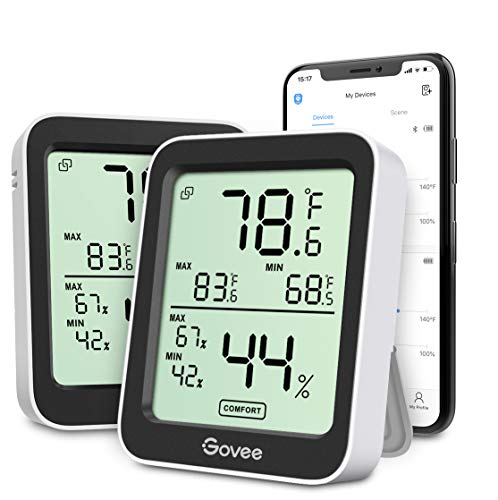
Digital Thermometer/Hygrometer
This essential device provides keepers with precise, real-time data on their snake's enclosure temperature and humidity. It is fundamental for maintaining the specific environmental gradients vital for a reptile's metabolic functions and overall health.
Under Tank Heater (UTH)
An Under Tank Heater provides a localized warm spot vital for reptile digestion and thermoregulation. Its use is critical for mimicking natural heating patterns, particularly for ground-dwelling or nocturnal snakes, but always requires precise thermostat control.

Thermostat for Reptile Heater
This device is paramount for the safe operation of any reptile heating element, precisely regulating output to prevent dangerous overheating. Its role in protecting both the animal and the home cannot be overstated, making it an indispensable part of responsible reptile keeping.
Frequently Asked Questions
For most beginners, the Corn Snake is considered the best small pet snake. They are incredibly docile, hardy, easy to care for, and come in a wide variety of beautiful colors. Rosy Boas are a very close second due to their extremely calm nature and small size.
References & Sources
- https://www.thesprucepets.com/snakes-4162043
- https://reptifiles.com/snake-care-sheets/
- https://www.petmd.com/reptile/popular-pet-snake-species
- https://www.petmd.com/reptile/slideshows/best-captive-bred-snakes-stay-small
- https://www.thesprucepets.com/pet-snake-species-5268240
- https://www.thesprucepets.com/snake-species-1239472
Related Articles

10 Best Small Reptile Pets for Apartments (2026)
Compare ten of the best small reptile pets for apartments and compact enclosures by adult size, habitat needs, handling, lifespan, and beginner difficulty.

Best Small Turtles for Pets: A Keeper's Top 5 Choices
Looking for the best small turtles for pets? Our expert guide covers the top 5 species that stay small, including their care, tank size, and temperament.

Best Snakes to Keep as Pets: A 2026 Keeper's Guide
Looking for the best snakes to keep as pets? Our expert guide covers the top choices for beginners and beyond, focusing on temperament, size, and care.