Pet Salamanders: 4 Best Species for Beginners (2026)
Compare four of the best pet salamanders for beginners, including tiger and spotted salamanders, axolotls, and fire-bellied newts, with care and habitat needs.


This article contains affiliate links. If you make a purchase through these links, we may earn a small commission at no extra cost to you. See our affiliate disclosure for details.
We recommend 4 picks here. Our top choice is the Zoo Med Eco Earth Coconut Fiber Substrate — check price and availability below.
How we choose: we compare published specifications against the care requirements in veterinary and species-care literature, and weigh those against what long-time keepers report. We do not test products ourselves and we do not restate Amazon star ratings. The 6 sources behind this article are listed at the bottom.
Quick Comparison
- Product Category
- Substrate
- Primary Care Focus
- Habitat Humidity & Burrowing
- Application Frequency
- Periodic (as needed)
- Amphibian Interaction
- Environmental enrichment
- Product Category
- Enclosure
- Primary Care Focus
- Safe & Accessible Habitat
- Application Frequency
- One-time setup (with regular cleaning)
- Amphibian Interaction
- Observation & security
- Product Category
- Water Treatment
- Primary Care Focus
- Water Quality & Detoxification
- Application Frequency
- Every water change
- Amphibian Interaction
- Health & safety (internal)
- Product Category
- Live Food
- Primary Care Focus
- Nutritional Intake & Feeding Behavior
- Application Frequency
- Regular feeding
- Amphibian Interaction
- Natural feeding response
Prices are estimates only. Actual prices on Amazon may vary.
Salamanders are some of the most fascinating and beautiful amphibians you can keep. With their vibrant colors, gentle nature, and unique behaviors, they offer a different kind of pet ownership experience. It's less about handling and more about creating a thriving, miniature ecosystem. But what is the best pet salamander for your home?
Choosing the right one comes down to a few key factors: hardiness, habitat needs, and your own expectations. Some are bold and curious, while others are shy and secretive. This guide will walk you through our top picks for 2026, helping you find the perfect amphibian companion for your experience level.
What Makes a Great Pet Salamander?
Unlike a lizard or snake, a salamander's skin is incredibly sensitive and permeable. This means they are strictly observational pets. The best pet salamander species are generally those that are hardy, adapt well to a captive environment, and have relatively straightforward care needs.
Here’s what we look for when recommending a salamander:
- Hardiness: Can it tolerate minor fluctuations in its environment without getting sick? Beginners especially benefit from a species that is more forgiving as they learn.
- Temperament: Is it bold and active, or will it spend all its time hiding? A salamander that you see regularly is often more rewarding.
- Availability: Is the species commonly and ethically captive-bred? We strongly advocate for captive-bred animals to protect wild populations and ensure a healthier pet.
- Care Requirements: Are its needs for temperature, humidity, and food easy for the average keeper to provide?
Based on these criteria, let's dive into the top contenders for the best pet salamander.
What Makes a Great Pet Salamander?
What you need to know
Hardiness — tolerates minor environmental fluctuations without getting sick
Temperament — bold, active species are more rewarding than shy hiders
Availability — choose captive-bred animals to protect wild populations
Care Requirements — temperature, humidity, and feeding should be manageable
Our Top 4 Best Pet Salamanders
Quick recommendations
Large, charismatic, bold personality that recognizes keepers — forgiving of small husbandry errors
Classic appearance with iconic yellow spots, perfect for tranquil forest-floor biotopes
Unique fully aquatic species with permanent smile — surprisingly interactive and hardy when needs are met
Small, active, inexpensive — engaging to watch in semi-aquatic paludarium setup
Detailed Reviews
1. Zoo Med Eco Earth Coconut Fiber Substrate
Best Overall
Zoo Med Eco Earth Coconut Fiber Substrate
Pros
- •Excellent humidity retention crucial for amphibian skin health.
- •Promotes natural burrowing behaviors, enriching the habitat.
- •Naturally resistant to mold, maintaining a hygienic enclosure.
- •Safe and practical, suitable for terrestrial salamander species.
Cons
- •Requires consistent moistening to maintain optimal humidity levels.
- •Can be messy during maintenance or when pets actively burrow.
- •Needs periodic replacement, contributing to ongoing costs.
Bottom Line
This coconut fiber substrate is an optimal choice for terrestrial salamander habitats, providing superior humidity retention and encouraging natural behaviors. Its inherent mold resistance contributes to a healthy and safe environment essential for amphibian well-being.
2. Exo Terra Glass Terrarium (18x18x12)
Premium Pick
Exo Terra Glass Terrarium (18x18x12)
Pros
- •Provides excellent cross-ventilation, crucial for amphibian respiratory health.
- •Features a waterproof base, ideal for maintaining high humidity setups without leaks.
- •Equipped with convenient front-opening doors for easy, stress-free maintenance.
- •Secure construction ensures the safety and containment of active salamanders.
Cons
- •Glass construction makes the unit heavy and less portable.
- •Fixed dimensions may not be optimal for all salamander species or growth stages.
- •Initial purchase cost can be higher compared to simpler plastic alternatives.
Bottom Line
This glass terrarium offers a robust and secure habitat solution, designed with features that cater to the specific needs of high-humidity amphibian environments. Its practical design allows for convenient husbandry while minimizing disturbance to the inhabitants.
3. Zoo Med ReptiSafe Water Conditioner
Editor's Choice
Zoo Med ReptiSafe Water Conditioner
Pros
- •Instantly neutralizes chlorine and chloramines, rendering tap water safe.
- •Essential for protecting the highly sensitive and permeable skin of amphibians.
- •Reduces environmental stress on aquatic and semi-aquatic salamanders.
- •Simple and quick application during routine water changes.
Cons
- •Requires consistent application with every single water change.
- •Does not actively remove heavy metals, which may necessitate additional filtration.
- •Potential for over-dosing if not measured precisely, possibly affecting water chemistry.
Bottom Line
This water conditioner is vital for ensuring tap water is safe for amphibians by swiftly neutralizing toxic chlorine and chloramines. It is an indispensable product for maintaining the health of salamanders whose permeable skin is highly susceptible to waterborne irritants.
4. Josh's Frogs Live Earthworms
Best Value
Josh's Frogs Live Earthworms
Pros
- •Highly nutritious and rich in essential calcium for amphibian skeletal health.
- •Stimulates natural hunting instincts and promotes active feeding behaviors.
- •Readily accepted as a staple food by a wide variety of pet salamander species.
- •Provides crucial environmental enrichment through live prey interaction.
Cons
- •Requires proper storage and ongoing care to maintain viability.
- •Live food may be considered less convenient than prepared or frozen alternatives.
- •May not be suitable as the sole food source for all specialized salamander diets.
Bottom Line
Live earthworms are an excellent staple diet for most pet salamanders, providing crucial nutrition and encouraging natural behaviors. Their high palatability and calcium content make them a superior choice for promoting amphibian vitality.
Our Top 4 Best Pet Salamanders
Here are our favorite salamanders, from the robust Tiger Salamander to the ever-popular Axolotl. Each has its own unique charm and set of care requirements.
1. Tiger Salamander (Ambystoma tigrinum)
Best for: Beginners wanting a large, charismatic salamander.
When people think of a classic pet salamander, the Tiger Salamander often comes to mind. They are one of the largest terrestrial salamanders in North America, reaching lengths of 8 to 14 inches. Their dark bodies are covered in beautiful, irregular yellow or olive spots, making them incredibly striking.
What truly makes them a candidate for the best pet salamander is their personality. Tiger Salamanders are known for being bold, curious, and having a voracious appetite. They will often learn to recognize their keepers and come to the front of the enclosure expecting food. Their size and hardiness make them much more forgiving of small husbandry errors than more delicate species.
Habitat: As a burrowing species, a deep, moist substrate is non-negotiable. A 15-20 gallon long aquarium is a good start. Use at least 4-6 inches of a substrate like coconut fiber earth or organic topsoil (without pesticides or fertilizers). Provide a large, shallow water dish for soaking and several hiding spots like cork bark or caves. Keep the temperature cool, between 65-75°F.
Feeding: These are enthusiastic eaters. A diet of earthworms, nightcrawlers, and occasional crickets or dubia roaches is ideal. Young salamanders should be fed every other day, while adults can be fed 2-3 times per week.
2. Spotted Salamander (Ambystoma maculatum)
Best for: Keepers who love a classic look and a more naturalistic setup.
The Spotted Salamander is another fantastic Ambystoma species. They are slightly smaller and more slender than their Tiger cousins, typically reaching 6-8 inches. Their appearance is iconic: a deep black or blue-black body with two rows of bright yellow spots. They are living art!
While still quite hardy, Spotted Salamanders are noticeably more shy than Tigers. They spend the majority of their time burrowed in the substrate or hidden away. You'll most likely see them out and about during the evening or after you've misted their enclosure. This makes them a more secretive but equally rewarding pet for someone who enjoys a tranquil, forest-floor biotope.
Habitat: Their setup is very similar to a Tiger Salamander's. A 10 or 15-gallon tank with deep, damp substrate works well. Sphagnum moss can be mixed in or spread on top to help maintain high humidity (around 70-80%). They absolutely require multiple hides to feel secure. Cool temperatures are a must, ideally staying below 75°F.
Feeding: Their diet consists of the same foods as a Tiger Salamander, just in smaller portions. Earthworms, small nightcrawlers, and crickets are all excellent choices. Because they are less active, it's important not to overfeed them to prevent obesity.
3. Axolotl (Ambystoma mexicanum)
Best for: Someone wanting a unique, fully aquatic 'salamander'.
The Axolotl is a true oddball and an internet superstar. While technically a type of mole salamander, they are neotenic, meaning they remain in their larval, fully aquatic form for their entire lives. With their feathery external gills and permanent 'smile', they have an undeniable charm.
Keeping Axolotls is more like fishkeeping than typical salamander care. They require a cycled aquarium and strict water quality management. They are surprisingly hardy when their needs are met, but the initial setup requires patience and knowledge of the nitrogen cycle. They are arguably the most interactive species on this list, often swimming up to the glass to greet you. If you're looking for an aquatic pet that isn't a fish, the Axolotl is one of the best choices available.
Habitat: A 20-gallon long tank is the minimum for one adult. A bare-bottom tank is safest, as they can swallow gravel and become impacted. If you use substrate, it must be very fine sand. Excellent filtration with low flow is key, as is keeping the water cold—ideally 60-68°F. Higher temperatures can cause stress and illness.
Feeding: Their diet should consist of high-quality sinking carnivore pellets, frozen bloodworms, and chopped earthworms. They find food by smell, so don't be alarmed by their clumsy hunting.
4. Fire-Bellied Newt (Cynops orientalis)
Best for: Beginners looking for a small, active, semi-aquatic amphibian.
(Note: Newts are a type of salamander, but the term is often used for smaller, semi-aquatic species.)
Fire-Bellied Newts are small, lively, and inexpensive, making them a popular entry-level choice. They typically grow to about 3-4 inches. Their top side is a bumpy, dark brown or black, but their underside is a brilliant red or orange, which they flash to ward off predators. They're not a pet for handling due to mild skin toxins, but they are incredibly active and fun to watch.
They require a semi-aquatic setup, also called a paludarium. This means you need to provide both a water area and a land area. Watching them move between the two environments is a huge part of their appeal. Their care is relatively simple, making them a great introduction to the world of amphibians for those who do their research.
Habitat: A 10-gallon tank can comfortably house a small group. The setup should be about 2/3 water and 1/3 land. You can use sloped gravel or a floating turtle dock to create the land portion. The water should be filtered with a gentle filter and kept clean. Like other salamanders, they prefer cool room temperatures.
Feeding: They will readily eat a variety of foods, including frozen bloodworms, brine shrimp, and small chopped earthworms. Some will also learn to eat sinking newt pellets.
Essential Salamander Habitat Setup
Creating the right environment is the most important part of keeping a healthy salamander. While specifics vary, the core principles of temperature, moisture, and security are universal.
Enclosure
For terrestrial species like Tigers and Spotteds, a glass aquarium with a secure mesh lid is the standard. A longer, wider tank is better than a tall one to maximize floor space. A [Exo Terra Glass Terrarium](https://www.amazon.com/dp/B004S79FE8?tag=krawlo-20 is an excellent choice due to its front-opening doors and deep, waterproof base.
- Tiger Salamander: 15-20 gallon long minimum
- Spotted Salamander: 10-15 gallon long minimum
- Axolotl: 20 gallon long minimum (aquatic)
- Fire-Bellied Newt: 10 gallon (semi-aquatic)
Substrate
Substrate is critical for terrestrial salamanders. It holds the humidity they need to breathe through their skin and allows them to perform their natural burrowing behaviors. Never use gravel, sand (for most species), or wood chips, as these can be drying or cause deadly impactions.
Good choices include:
- Coconut Fiber: Holds moisture well and resists mold.
- Organic Topsoil: Ensure it's free of any chemicals.
- Sphagnum Moss: Great for mixing in or as a top layer to boost humidity.
Your substrate should be deep (4-6+ inches) and kept consistently damp, like a wrung-out sponge, but never waterlogged.
Temperature and Humidity Comparison
This is where many new keepers go wrong. Salamanders are not tropical animals. Heat is their enemy. Most species thrive at cool room temperatures and can be stressed or killed by the heat from a basking lamp. Always use a digital thermometer and hygrometer to monitor your enclosure.
| Species | Temperature Range | Humidity Level |
|---|---|---|
| Tiger Salamander | 65-75°F | 70-80% |
| Spotted Salamander | 65-72°F | 70-80% |
| Axolotl | 60-68°F (Water) | 100% (Aquatic) |
| Fire-Bellied Newt | 65-72°F | 80%+ (Semi-aquatic) |
Handling: A Hands-Off Approach
It must be stressed: salamanders are not pets for handling. Their skin is extremely delicate and permeable. The oils, salts, and lotions on our hands can be absorbed directly into their bloodstream and cause serious harm. Furthermore, the heat from our hands can be very stressful for these cool-temperature animals. While some, like Tiger Salamanders, may tolerate very brief and infrequent handling (with clean, damp hands), it should be avoided whenever possible.
Think of them as you would a pet fish. The joy comes from watching them in the beautiful, functional habitat you've created for them. This hands-off reality makes them a better fit for some owners than others, and it's an important consideration when deciding on the best pet salamander for you. While some keepers might want a more hands-on pet like one of the best lizard for kids, the observational nature of salamanders is a reward in itself.
The Final Verdict
So, what is the best pet salamander? For the vast majority of people, the Tiger Salamander takes the top spot. Its combination of size, hardiness, and a bold personality makes it a truly engaging pet that is more forgiving for a beginner. It's the perfect entry point into the world of terrestrial salamanders.
However, if you're captivated by a fully aquatic world, the Axolotl is a unique and rewarding choice, provided you're prepared for the water maintenance. And for those who love a classic, secretive forest creature, the Spotted Salamander is an unmatched display animal.
Ultimately, choosing an amphibian is about matching an animal's needs to your ability and desire to meet them. By doing thorough research and preparing their habitat in advance, you can provide a wonderful home for any of these incredible creatures. To learn more about other options, check out our guide to the best amphibian pets for a broader look at the hobby.
Our Final Verdict

Zoo Med Eco Earth Coconut Fiber Substrate
This coconut fiber substrate is an optimal choice for terrestrial salamander habitats, providing superior humidity retention and encouraging natural behaviors. Its inherent mold resistance contributes to a healthy and safe environment essential for amphibian well-being.

Exo Terra Glass Terrarium (18x18x12)
This glass terrarium offers a robust and secure habitat solution, designed with features that cater to the specific needs of high-humidity amphibian environments. Its practical design allows for convenient husbandry while minimizing disturbance to the inhabitants.
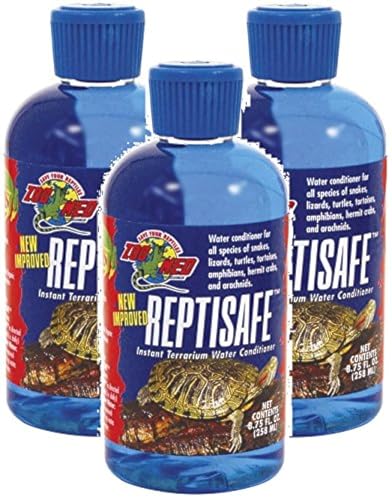
Zoo Med ReptiSafe Water Conditioner
This water conditioner is vital for ensuring tap water is safe for amphibians by swiftly neutralizing toxic chlorine and chloramines. It is an indispensable product for maintaining the health of salamanders whose permeable skin is highly susceptible to waterborne irritants.
Frequently Asked Questions
For beginners, Tiger Salamanders are often considered the best pet salamander due to their hardiness, large size, and bold personalities. Spotted Salamanders and Axolotls are also fantastic choices with slightly different care requirements.
References & Sources
- https://www.petmd.com/exotic/tiger-salamander-care-sheet
- https://dubiaroaches.com/blogs/amphibian-care/tiger-salamander-care-sheet?srsltid=AfmBOor1sKZb5GjYJNpJEhVxw5KAYKaDsYdgDRM8J4_GQt7EFY5uiEtK
- https://www.thesprucepets.com/tiger-salamanders-1237303
- https://www.thesprucepets.com/axolotls-as-pets-1236714
- https://www.petmd.com/exotic/fire-bellied-newt-care-sheet
- https://www.thesprucepets.com/fire-bellied-newts-as-pets-1237297
Related Articles

What Are the 5 Best Pet Toads for Beginners? (2026)
Looking for the best pet toads for your home? Our 2026 guide covers the top 5 easiest and most interesting species for beginners, with complete care tips.

Best Frogs for Beginners: 10 Easy-to-Care-For Pet Frogs
Ready for your first amphibian? Our guide to the best frogs for beginners covers 10 hardy, easy-to-care-for species, perfect for new keepers. Find your new pet!

Best Heat Lamp for Pacman Frog: 7 Top Choices (2026)
Find the best heat lamp for your pacman frog. We cover top picks, temperature ranges, common mistakes, and exactly how to keep your frog warm and healthy.