What Are the 5 Best Pet Toads for Beginners? (2026)
Looking for the best pet toads for your home? Our 2026 guide covers the top 5 easiest and most interesting species for beginners, with complete care tips.


This article contains affiliate links. If you make a purchase through these links, we may earn a small commission at no extra cost to you. See our affiliate disclosure for details.
We recommend 4 picks here. Our top choice is the Exo Terra Plantation Soil — check price and availability below.
How we choose: we compare published specifications against the care requirements in veterinary and species-care literature, and weigh those against what long-time keepers report. We do not test products ourselves and we do not restate Amazon star ratings. The 5 sources behind this article are listed at the bottom.
Quick Comparison
- Category
- Substrate
- Primary Function
- Humidity & Burrowing
- Application/Form
- Loose Coconut Fiber
- Key Benefit for Toads
- Natural Environment
- Estimated Price
- $15-25
- Category
- Water Safety
- Primary Function
- Water Detoxification
- Application/Form
- Concentrated Liquid
- Key Benefit for Toads
- Skin Protection
- Estimated Price
- $8-15
- Category
- Feeding/Supplements
- Primary Function
- Calcium Supplementation
- Application/Form
- Fine Powder
- Key Benefit for Toads
- Bone Health
- Estimated Price
- $10-18
- Category
- Enclosure
- Primary Function
- Housing & Habitat
- Application/Form
- Glass Terrarium
- Key Benefit for Toads
- Secure Living Space
- Estimated Price
- $80-120
Prices are estimates only. Actual prices on Amazon may vary.
Often overlooked for their more colorful frog cousins, toads are some of the most hardy, low-maintenance, and interesting amphibians you can keep. Forget fairytale princes; the real magic of a toad is its down-to-earth charm and surprisingly engaging personality. If you're looking for an amphibian that's more about observation than hands-on interaction, finding the best pet toad for your lifestyle can be an incredibly rewarding experience.
Unlike many delicate frog species, toads are built tough. Their terrestrial nature and robust bodies make them more forgiving of minor husbandry errors, which is a huge plus for first-time amphibian keepers. They are masters of camouflage, expert ambush predators, and have a quiet dignity that's captivating to watch. This guide will walk you through our top 5 best pet toads for 2026, plus everything you need to provide them with a long, healthy life.
What Makes a Great Pet Toad?
When we talk about the "best pet toads," we're generally looking at a few key characteristics: hardiness, temperament, and ease of care. A great beginner toad should be adaptable, readily available as captive-bred, and have straightforward habitat requirements.
- Hardiness: Toads are generally more resilient than frogs. Their skin is thicker and less permeable, making them less susceptible to dehydration. This doesn't mean you can neglect their humidity, but it does provide a bit of a buffer.
- Temperament: Most toads are placid and calm. They spend their days burrowed or sitting quietly, becoming more active at dusk and dawn. They aren't aggressive, though they may pee on you as a defense mechanism if you surprise them!
- Ease of Care: The best pet toads thrive in simple setups. They don't require the complex, high-humidity, or aquatic environments that many tree frogs or dart frogs need. Their dietary needs are also simple to meet with commercially available feeder insects.
Why Toads Make Great Pets
What you need to know
Hardiness: Thicker, less permeable skin makes them more forgiving of minor humidity fluctuations compared to frogs
Temperament: Most toads are placid, calm, and non-aggressive—they spend daylight burrowed, becoming active at dusk
Ease of Care: Simple terrestrial habitat requirements without complex aquatic setups or extreme humidity needs
Complete Pet Toad Setup Checklist
Everything you need to get started
Detailed Reviews
1. Exo Terra Plantation Soil
Best Overall
Exo Terra Plantation Soil
Pros
- •Exceptional humidity retention crucial for amphibian hydration.
- •Supports natural burrowing, enriching the toad's environment.
- •Made from compressed coconut fiber, safe and non-toxic for amphibians.
- •Contributes to a naturalistic terrarium aesthetic.
Cons
- •Requires regular misting to maintain optimal humidity levels.
- •Can become compacted over time, needing occasional loosening or replacement.
- •Generates some fine dust when dry during initial setup.
Bottom Line
This natural coconut fiber substrate excels at maintaining the high humidity essential for amphibian health while promoting natural burrowing behaviors. Its composition ensures a safe, non-toxic environment for all pet toad species.
2. Zoo Med ReptiSafe Water Conditioner
Editor's Choice
Zoo Med ReptiSafe Water Conditioner
Pros
- •Instantly neutralizes chlorine, chloramines, and heavy metals in tap water.
- •Essential for safeguarding the sensitive skin of amphibians from irritants.
- •Suitable for use in drinking water, misting, and full enclosure water features.
- •Convenient and quick to apply with every water change.
Cons
- •An ongoing consumable expense for consistent water treatment.
- •Does not remove nitrates or other complex water impurities.
- •Requires correct dosage to be effective, which may vary by water source.
Bottom Line
An indispensable solution for preparing tap water, this conditioner immediately neutralizes harmful chlorine and chloramines that are toxic to amphibian skin. It ensures water is safe for both drinking dishes and misting, protecting sensitive toads.
3. Fluker's Calcium with D3 Reptile Supplement
Premium Pick
Fluker's Calcium with D3 Reptile Supplement
Pros
- •Prevents Metabolic Bone Disease (MBD) by providing essential calcium.
- •Includes Vitamin D3 to facilitate proper calcium absorption.
- •Easy to apply by dusting directly onto feeder insects.
- •Supports strong bone growth and overall amphibian health.
Cons
- •Requires consistent application with most feedings, adding a step to routines.
- •Not a replacement for a varied diet; must be used in conjunction with appropriate feeder insects.
- •Over-supplementation can be harmful, necessitating careful dosage.
Bottom Line
Crucial for the long-term health of pet toads, this supplement provides vital calcium and Vitamin D3 to prevent Metabolic Bone Disease. Regular dusting of feeder insects is a fundamental practice for ensuring proper skeletal development and well-being.
4. Exo Terra Glass Terrarium (10 Gallon)
Best Value
Exo Terra Glass Terrarium (10 Gallon)
Pros
- •Provides adequate living space for a single average-sized pet toad.
- •Front-opening doors allow for convenient access and reduced stress during maintenance.
- •Full screen top ensures proper ventilation and allows for UVB/heating lamp placement.
- •Durable glass construction offers clear viewing and retains heat well.
Cons
- •May be too small for larger toad species or housing multiple animals.
- •Glass construction is heavy and can be fragile if mishandled.
- •Requires additional purchases for lighting, heating, and decor to complete the setup.
Bottom Line
This 10-gallon glass terrarium offers sufficient space for a single adult of most beginner toad species, providing a secure and accessible habitat. Its design features front-opening doors for easy maintenance and a mesh top for essential air circulation.
Our Top 5 Best Pet Toads for 2026
After years of keeping and researching amphibians, we've compiled this list of the best pet toads that are well-suited for home keeping. We're focusing on species that are commonly available, have manageable sizes, and possess that unique toad charm.
1. American Toad (Anaxyrus americanus)
The classic. The American Toad is arguably the best pet toad for any beginner. They are incredibly common throughout North America, but you should always purchase a captive-bred animal. They are calm, incredibly hardy, and have a classic warty appearance that is surprisingly endearing. Their nocturnal croaking is soft and pleasant.
- Size: 2 to 3.5 inches
- Lifespan: 10-15 years, with some living even longer in captivity!
- Temperament: Very calm and docile. They learn to recognize their keeper and may even take food from tongs.
2. Fire-Bellied Toad (Bombina orientalis)
Okay, technically these are 'toad-like frogs,' but their care and appearance place them firmly on our list. Fire-Bellied Toads are small, active, and semi-aquatic. Their main draw is their stunning underside: a bright red or orange pattern that they flash when threatened. They are one of the few toads that are active during the day, making them fascinating to watch as they swim and explore.
- Size: 1.5 to 2 inches
- Lifespan: 10-15 years
- Temperament: Active and curious. They are best kept in groups and provide a lot of activity in their aquatic-focused enclosures.
3. Tomato Toad (Dyscophus guineti)
Looking for a splash of color? The Tomato Toad is a fantastic choice. These plump, round toads range from a dull orange to a brilliant, deep red, especially the males. They are terrestrial burrowers, so you might not see them all the time, but their impressive appearance when they do emerge makes it worthwhile. They're a bit more exotic but still one of the best pet toads for those with a little experience.
- Size: 2.5 inches (males) to 4 inches (females)
- Lifespan: 6-10 years
- Temperament: Extremely docile and slow-moving. They prefer to stay hidden but are not typically flighty.
4. Southern Toad (Anaxyrus terrestris)
Similar in care and temperament to their American Toad cousins, the Southern Toad is another excellent North American native. They are distinguished by the prominent knobs or crests on their head. Like the American Toad, they are hardy, easy to feed, and make a fantastic, low-stress pet for observation. They are true terrestrial toads that appreciate deep substrate for burrowing.
- Size: 1.5 to 3 inches
- Lifespan: 5-10 years
- Temperament: Docile and shy, but will become accustomed to their keeper's presence over time.
5. Fowler's Toad (Anaxyrus fowleri)
Rounding out our list is the Fowler's Toad, another North American native that is perfectly suited for captivity. They are slightly smaller and often more grayish or greenish in coloration compared to the American Toad. Their care is virtually identical, making them a wonderful and hardy choice. They are known for being quite active in the evenings, providing plenty of opportunities for observation.
- Size: 2 to 3 inches
- Lifespan: 5+ years
- Temperament: Generally calm, can be a bit more active and jumpy than American Toads.
Essential Pet Toad Supply Checklist
(Estimates only — actual prices on Amazon may vary.)
Before you bring home your new pet, you'll need to get its enclosure set up. A proper habitat is the most critical factor in keeping your toad healthy. Here’s a simple checklist of what you'll need, with estimated costs around $100-$200 for a complete setup.
- Enclosure: A standard 10-gallon glass aquarium with a secure mesh lid is perfect for a single adult of most species listed here. For Fire-Bellied Toads, a similar sized tank set up with a significant water area is needed.
- Substrate: Coconut fiber (like Exo Terra Plantation Soil) is the gold standard. It holds humidity well and is perfect for burrowing. It should be at least 3-4 inches deep.
- Water Dish: A large, shallow, and heavy water dish is a must. Your toad will soak in it to stay hydrated. The dish should be easy for the toad to get in and out of. Look for a [non-porous ceramic or resin bowl](https://www.amazon.com/dp/B0002AR4BG?tag=krawlo-20
- Heating: In most homes, supplemental heating is necessary. An [under-tank heat mat](https://www.amazon.com/dp/B08C93ZGPJ?tag=krawlo-20 placed on the side of the tank is the best option to create a gentle temperature gradient.
- Hides: Provide at least two hiding spots—one on the warm side and one on the cool side. [Cork bark flats](https://www.amazon.com/dp/B0CGKM2SCT?tag=krawlo-20 or half-log hides work great.
- Water Conditioner: Tap water contains chemicals that are toxic to amphibians. You must treat all water with a [reptile water conditioner](https://www.amazon.com/dp/B094D9RM9J?tag=krawlo-20 like ReptiSafe.
- Feeder Insects & Supplements: A steady supply of crickets or dubia roaches and a quality calcium with D3 supplement are non-negotiable.
Setting Up the Perfect Toad Habitat
Creating the right environment is simple but crucial. Your goal is to mimic their natural environment, which for most of these toads is a temperate forest floor.
Temperature and Humidity
Most toads thrive at room temperature but benefit from a slight temperature gradient. This allows them to self-regulate their body temperature.
| Species | Daytime Temperature (F) | Humidity | Notes |
|---|---|---|---|
| American/Fowler's/Southern | 65-75°F with a 80°F warm spot | 60-70% | Avoid temps over 85°F. |
| Fire-Bellied Toad | 70-78°F | 70-80% | They are more sensitive to heat. |
| Tomato Toad | 72-80°F | 65-80% | Appreciate higher humidity. |
Achieve this by placing a heat mat on one-third of the tank's side. Never place it underneath, as toads burrow to escape heat, not to find it. Mist the enclosure with dechlorinated water daily to keep humidity up. You can check out our guide on the best heat lamps for reptiles comparison for more advanced heating options if needed.
Substrate and Decor
Use a substrate that allows for burrowing and holds moisture. Coconut fiber is perfect. Avoid gravel, sand, or anything that could be ingested. Add some leaf litter and cork bark for security. Live plants like Pothos can be a great addition, but ensure they are amphibian-safe.
What to Feed Your Pet Toad
Toads are insectivores. Their diet in captivity should consist of a variety of gut-loaded insects. "Gut-loading" simply means feeding the insects nutritious foods before offering them to your toad.
- Staple Diet: Live [crickets](https://www.amazon.com/dp/B01017N5LC?tag=krawlo-20 [dubia roaches](https://www.amazon.com/dp/B008D95M30?tag=krawlo-20 and earthworms are excellent staples.
- Treats: Waxworms or mealworms can be offered occasionally but are high in fat.
- Supplementation: Dust the feeder insects with a calcium powder containing vitamin D3 at every other feeding for adults. This prevents Metabolic Bone Disease (MBD), a serious and common health issue. Young, growing toads should be supplemented at every feeding.
- Feeding Schedule: Adult toads can be fed 2-3 times per week. Offer as many insects as they will eat in about 15 minutes. It's better to underfeed slightly than to overfeed.
Pet Toad Handling and Safety
This is a critical topic. Toads are generally pets for observation, not for handling. Their skin is sensitive and can absorb oils and chemicals from our hands. More importantly, most toads, including American Toads, have glands (parotoid glands) behind their eyes that secrete a mild toxin called bufotoxin.
While not dangerous to touch for most people, this toxin can cause significant irritation if it gets in your eyes or mouth. It can also be harmful to other pets if they were to mouth or ingest the toad. Always wash your hands with soap and water immediately after any necessary contact.
If you must move your toad, gently scoop it up from underneath rather than grabbing it from above. This is less stressful for the animal. Keeping handling to an absolute minimum is key to having one of the best animals to have as pets: a 2026 keeper's guide that thrives on its own terms.
Health, Cleaning, and Veterinary Care
A clean enclosure is vital for preventing bacterial and fungal infections. Spot-clean waste daily and change the water in the dish every day. A full substrate change should be done every 1-2 months.
Even the best pet toads can get sick. Be vigilant for signs of illness:
- Lethargy or unusual hiding
- Loss of appetite
- Weight loss
- Redness or sores on the skin (especially the belly, a sign of "Red Leg")
- Swelling or bloating
If you notice any of these signs, it's time to contact an exotic animal veterinarian. It's a good idea to locate a qualified vet in your area before you even get your pet. Regular check-ups are not typically necessary unless you suspect a problem.
By providing a secure, clean environment and a proper diet, you are setting your pet toad up for a long and healthy life. These fascinating creatures offer a unique window into the amphibian world, and their simple needs make them some of the best pet toads for enthusiasts of all levels.
Our Final Verdict
Exo Terra Plantation Soil
This natural coconut fiber substrate excels at maintaining the high humidity essential for amphibian health while promoting natural burrowing behaviors. Its composition ensures a safe, non-toxic environment for all pet toad species.
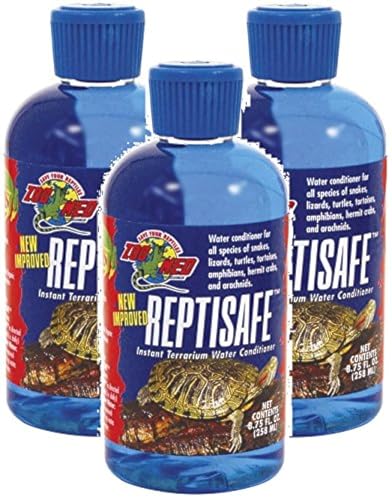
Zoo Med ReptiSafe Water Conditioner
An indispensable solution for preparing tap water, this conditioner immediately neutralizes harmful chlorine and chloramines that are toxic to amphibian skin. It ensures water is safe for both drinking dishes and misting, protecting sensitive toads.

Fluker's Calcium with D3 Reptile Supplement
Crucial for the long-term health of pet toads, this supplement provides vital calcium and Vitamin D3 to prevent Metabolic Bone Disease. Regular dusting of feeder insects is a fundamental practice for ensuring proper skeletal development and well-being.
Frequently Asked Questions
For beginners, the American Toad (Anaxyrus americanus) is widely considered the best pet toad. They are incredibly hardy, have a calm temperament, are easy to care for, and readily adapt to life in a simple terrarium setup.
References & Sources
- https://dubiaroaches.com/blogs/amphibian-care/eastern-american-toad-care-sheet?srsltid=AfmBOopUctIiEtATE8DDZvin3YvZ2hJeA2sGBBrUJdoC5cVpVgVqonKF
- https://www.petmd.com/reptile/pet-toad-care-sheet
- https://www.thesprucepets.com/frogs-as-pets-1236811
- https://www.petmd.com/exotic/fire-bellied-toad-care-sheet
- https://www.thesprucepets.com/frogs-and-toads-4162035
Related Articles

Pet Salamanders: 4 Best Species for Beginners (2026)
Compare four of the best pet salamanders for beginners, including tiger and spotted salamanders, axolotls, and fire-bellied newts, with care and habitat needs.

Best Frogs for Beginners: 10 Easy-to-Care-For Pet Frogs
Ready for your first amphibian? Our guide to the best frogs for beginners covers 10 hardy, easy-to-care-for species, perfect for new keepers. Find your new pet!

Best Heat Lamp for Pacman Frog: 7 Top Choices (2026)
Find the best heat lamp for your pacman frog. We cover top picks, temperature ranges, common mistakes, and exactly how to keep your frog warm and healthy.