Best Frogs for Beginners: 10 Easy-to-Care-For Pet Frogs
Ready for your first amphibian? Our guide to the best frogs for beginners covers 10 hardy, easy-to-care-for species, perfect for new keepers. Find your new pet!


This article contains affiliate links. If you make a purchase through these links, we may earn a small commission at no extra cost to you. See our affiliate disclosure for details.
We recommend 4 picks here. Our top choice is the Exo Terra Glass Terrarium (20-Gallon, Tall) — check price and availability below.
How we choose: we compare published specifications against the care requirements in veterinary and species-care literature, and weigh those against what long-time keepers report. We do not test products ourselves and we do not restate Amazon star ratings. The 6 sources behind this article are listed at the bottom.
Quick Comparison
- Product Category
- Housing
- Primary Use Case
- Vertical habitat
- Supports Frog Behaviors
- Climbing
- External Equipment Needed
- Heating/Lighting
- Estimated Price Range
- $80-150
- Product Category
- Heating
- Primary Use Case
- Belly heat
- Supports Frog Behaviors
- Digestion (ground)
- External Equipment Needed
- Thermostat
- Estimated Price Range
- $15-30
- Product Category
- Substrate
- Primary Use Case
- Moisture retention
- Supports Frog Behaviors
- Burrowing
- External Equipment Needed
- None
- Estimated Price Range
- $10-20
- Product Category
- Water Safety
- Primary Use Case
- Water detoxification
- Supports Frog Behaviors
- Safe hydration
- External Equipment Needed
- None
- Estimated Price Range
- $10-15
Prices are estimates only. Actual prices on Amazon may vary.
Frogs are fascinating pets. From their vibrant colors to their unique behaviors, they offer a window into the wild right in your own home. But with so many species available, choosing your first amphibian can feel overwhelming. That's why we've put together this definitive guide to the best frogs for beginners.
A great beginner frog is typically hardy, has straightforward care requirements, and is relatively forgiving of minor mistakes a new keeper might make. We'll focus on species that don't require overly complex setups or highly specific environmental controls. You'll learn which frogs are easy to feed, which have calm temperaments, and what you'll need to help them thrive.
Whether you're drawn to the comical, round Pacman Frog or the charming White's Tree Frog, there's a perfect amphibian waiting for you. Let's hop in and find the right fit for your lifestyle and experience level.
Our Top 10 Best Frogs for Beginners
Here are our top picks for beginner-friendly frogs, ranked based on their hardiness, ease of care, and overall suitability for new keepers.
1. White's Tree Frog (Litoria caerulea)
Also known as the Dumpy Tree Frog, the White's Tree Frog is arguably the number one best frog for beginners. They are robust, calm, and incredibly charming with their perpetual "smile" and chubby build. Their laid-back nature makes them one of the few frogs that can tolerate gentle, infrequent handling.
- Care Level: Easy
- Temperament: Docile and calm
- Size: 4 to 5 inches
- Diet: Crickets, roaches, and other live insects
These frogs aren't overly demanding. A vertical [20-gallon terrarium](https://www.amazon.com/dp/B0GBSM4TPM?tag=krawlo-20 is a great start. Provide plenty of branches and foliage for climbing. They need a temperature gradient from 75-85°F and humidity between 50-60%. Their relaxed attitude and simple needs make them a joy for new owners.
| Feature | Requirement | Notes |
|---|---|---|
| Temperature | 75-85°F | A low-wattage heat lamp is effective. |
| Humidity | 50-60% | Mist daily with dechlorinated water. |
| Enclosure | 20-gallon (vertical) | More height is better than more floor space. |
| Substrate | Coconut fiber or sphagnum moss | Must hold moisture well. |
2. Pacman Frog (Ceratophrys cranwelli)
Pacman Frogs, or Horned Frogs, are terrestrial ambush predators with a huge appetite and an even bigger mouth. They spend most of their time burrowed into their substrate, waiting for a meal to wander by. Their sedentary lifestyle makes them one of the best frogs for beginners who want a low-maintenance but impressive-looking pet.
- Care Level: Easy
- Temperament: Sedentary, but can be aggressive if startled
- Size: 4 to 6 inches
- Diet: Insects, and occasionally small rodents (as a treat)
(Estimates only — actual prices on Amazon may vary.) A simple [10-gallon tank](https://www.amazon.com/dp/B0BGG7Z3N9?tag=krawlo-20 is sufficient for an adult, as they don't move much. The most critical part of their care is providing a deep, moist substrate like coconut fiber that they can burrow into completely. Keep temperatures in the 75-82°F range and humidity high (60-80%). They are strictly hands-off pets; their powerful bite is something to respect!
3. Tomato Frog (Dyscophus antongilii)
Bright, round, and fascinating to watch, Tomato Frogs are another excellent terrestrial choice. They are named for their brilliant red-orange color, which warns predators that their skin secretes a sticky, though harmless, substance when threatened. They are burrowers, much like Pacman frogs, but are a bit more active, especially at night.
- Care Level: Easy
- Temperament: Shy and calm
- Size: 2.5 to 4 inches
- Diet: Crickets, worms, and other invertebrates
A 10 or 20-gallon tank with a deep layer of moisture-retaining substrate works perfectly. They enjoy a humid environment (65-80%) and stable temperatures between 70-78°F. Tomato Frogs are wonderful for beginners because they are quite hardy and their needs are easy to meet. You get the visual appeal of a colorful frog without the complexity of more delicate species.
4. Oriental Fire-Bellied Toad (Bombina orientalis)
Despite their name, these are technically frogs, not toads. Fire-Bellied Toads are semi-aquatic, active, and social, making them a highly entertaining pet. Their backs are a vibrant green and black, while their bellies are a startling red and black. This coloration serves as a warning, as they secrete a mild toxin from their skin when stressed.
- Care Level: Easy
- Temperament: Active and social (best kept in groups)
- Size: 1.5 to 2 inches
- Diet: Small crickets, worms, and flightless fruit flies
These little frogs are among the best frogs for beginners due to their hardiness and engaging behavior. They require a semi-aquatic setup, often called a paludarium, with about half land and half water. A standard [10-gallon aquarium](https://www.amazon.com/dp/B0BGG7Z3N9?tag=krawlo-20 can comfortably house a small group. It’s crucial to use dechlorinated water and have a good filter. Their daytime activity makes them a constant source of amusement.
5. American Green Tree Frog (Hyla cinerea)
Native to the southeastern United States, the American Green Tree Frog is a small, vibrant, and active species. They are readily available and inexpensive, making them a popular entry-level choice. While they are more delicate than a White's Tree Frog, their care is still very manageable for a dedicated beginner.
- Care Level: Easy to Intermediate
- Temperament: Active and flighty
- Size: 1.5 to 2.5 inches
- Diet: Small crickets, moths, and other insects
A tall enclosure, like a [10 or 15-gallon vertical tank](https://www.amazon.com/dp/B0FCXPQS9L?tag=krawlo-20 is necessary to accommodate their climbing habits. They thrive with plenty of branches, vines, and broad-leafed plants. Like other tree frogs, they need a temperature gradient (72-80°F) and moderate humidity. Their lively nature is a big plus for owners who want to see their pets exploring their habitat.
6. Pixie Frog (Pyxicephalus adspersus)
Don't let the cute name fool you; the Pixie Frog is one of the largest frog species in the world, with males reaching up to 9 inches! They are similar to Pacman Frogs in their sedentary, burrowing nature and impressive appetite. Their sheer size and simple care make them a favorite for keepers who want a truly substantial amphibian.
- Care Level: Easy
- Temperament: Generally calm, but can be territorial
- Size: 4 inches (females) to 9 inches (males)
- Diet: Insects, rodents, and even other amphibians
Because of their size, a male Pixie will eventually need a 40-gallon breeder tank. They need a deep substrate for burrowing and a large, clean water dish to soak in. Temperatures should be kept between 75-85°F. Their care is straightforward, but their powerful jaws and potential size are a major commitment. They are one of the best frogs for beginners who have done their research and have the space.
7. Gray Tree Frog (Hyla versicolor/chrysoscelis)
Gray Tree Frogs are masters of camouflage, able to change their color from gray to green to brown to match their surroundings. They are a common native species in North America and are known for being incredibly hardy and adaptable.
- Care Level: Easy
- Temperament: Nocturnal and shy
- Size: 1.5 to 2 inches
- Diet: Crickets, moths, and other flying insects
Similar to the American Green Tree Frog, they need a tall enclosure with lots of climbing opportunities. A 15-gallon vertical tank is a good choice. They are very tolerant of a range of temperatures (65-75°F) but do require decent humidity. Their adaptability makes them a forgiving choice for new keepers learning to manage a vivarium's climate. While you may have seen guides on the best pet lizards for beginners, these frogs offer a similar low-maintenance entry into the world of cold-blooded pets.
8. Amazon Milk Frog (Trachycephalus resinifictrix)
With their beautiful blue-and-white marbled pattern and striking blue mouths, Amazon Milk Frogs are showstoppers. They get their name from the milky-white substance they secrete when threatened. They are a larger tree frog species that is becoming increasingly popular for its beauty and manageable care.
- Care Level: Easy to Intermediate
- Temperament: Nocturnal, can be bold
- Size: 2.5 to 4 inches
- Diet: Crickets, roaches, and other larger insects
As a larger tree frog, they need a spacious vertical enclosure, like a [20-gallon tall tank](https://www.amazon.com/dp/B0GBSM4TPM?tag=krawlo-20, for a pair. High humidity (60-80%) is a must, along with a temperature range of 75-85°F. They also need a large water bowl. Their care is a small step up from a White's Tree Frog, making them a great 'ambitious' beginner frog.
9. Dart Frogs (Dendrobatidae family)
Poison Dart Frogs are jewels of the amphibian world. In captivity, they are not poisonous, as they derive their toxicity from their wild diet. They are small, active during the day (diurnal), and come in a dazzling array of colors. Their care is more involved, focusing on creating a complete bioactive ecosystem.
- Care Level: Intermediate
- Temperament: Active, shy, best observed
- Size: 0.5 to 2 inches
- Diet: Flightless fruit flies, springtails, and isopods
While their climate needs are specific (high humidity, stable temps), the modern bioactive terrarium makes their care more about initial setup than daily fuss. A well-planted [10-gallon vivarium](https://www.amazon.com/dp/B09MQBB6CP?tag=krawlo-20 with a culture of springtails and isopods can be a self-sustaining ecosystem. They are considered one of the best frogs for beginners who are interested in the art of vivarium building, not just the animal itself. They represent a more significant initial investment in time and equipment.
10. Red-Eyed Tree Frog (Agalychnis callidryas)
This is the frog everyone pictures when they think of a tropical amphibian. With their huge red eyes, green bodies, blue sides, and orange feet, they are iconic. However, they are more delicate than other frogs on this list and are easily stressed.
- Care Level: Intermediate to Advanced
- Temperament: Nocturnal, shy, easily stressed
- Size: 2 to 3 inches
- Diet: Crickets and other live insects
We include them here with a caution: they are for the ambitious beginner who has done extensive research. They require a tall, well-ventilated enclosure, high humidity, and a specific temperature range. They are strictly display animals. Their beauty is undeniable, but species like the White's Tree Frog or Amazon Milk Frog offer a similar tree frog experience with much more room for error. Thinking about other beginner-friendly reptiles? Check out our guide to the best pet snakes for beginners for more options.
Top Picks for Beginners
Quick recommendations
Robust, calm, tolerates gentle handling—ideal for new keepers
Sedentary, simple setup, minimal space needed
Active, social, and hardy—great for engaging observation
Bright red-orange, hardy burrower, simple care requirements
Arboreal (White's Tree Frog) vs Terrestrial (Pacman Frog)
Side-by-side comparison
| Feature | Arboreal (White's Tree Frog) | Terrestrial (Pacman Frog) |
|---|---|---|
| Care Level | Easy | Easy |
| Enclosure | 20-gallon vertical | ★10-gallon minimum |
| Handling | ★Tolerates gentle handling | Hands-off (powerful bite) |
| Activity Level | Laid-back, stationary | Sedentary, hidden in substrate |
| Temperature | 75–85°F | 75–82°F |
| Best For | Owners who want to observe and occasionally handle | Space-limited setups with impressive visual appeal |
Our Take: Choose arboreal if you want handleability; choose terrestrial if you need compact, low-interaction setup.
Detailed Reviews
1. Exo Terra Glass Terrarium (20-Gallon, Tall)
Best Overall
Exo Terra Glass Terrarium (20-Gallon, Tall)
Pros
- •Front-opening doors provide easy access for maintenance and feeding.
- •Top screen offers excellent ventilation, crucial for air circulation.
- •Waterproof base allows for high humidity setups and semi-aquatic features.
- •Tall design is ideal for arboreal species like tree frogs.
Cons
- •Glass construction can be heavy and fragile.
- •20-gallon size might be small for larger or multiple adult tree frogs long-term.
- •Requires additional heating and lighting equipment.
Bottom Line
This specialized glass terrarium provides an optimal vertical habitat for arboreal frog species. Its design prioritizes easy care access, ventilation, and humidity retention, making it a solid foundation for a beginner setup.
2. Zoo Med ReptiTherm Under Tank Heater
Editor's Choice
Zoo Med ReptiTherm Under Tank Heater
Pros
- •Provides consistent, gentle heat from below the enclosure.
- •Aids in the digestion of ground-dwelling frog species.
- •Easy to install on the outside bottom of a terrarium.
- •Suitable for maintaining ambient temperatures for specific frog types.
Cons
- •Requires a thermostat for safe operation and temperature regulation.
- •Not suitable as a primary heat source for arboreal species needing overhead heat.
- •Cannot be submerged in water or used inside the enclosure.
Bottom Line
This under-tank heater offers essential belly heat for ground-dwelling amphibians, promoting healthy digestion and maintaining ambient temperatures. Crucially, it must be used with a thermostat to prevent dangerous overheating.
3. Josh's Frogs Coco Cradle Substrate
Best Value
Josh's Frogs Coco Cradle Substrate
Pros
- •Made from natural coconut fiber, providing a safe environment.
- •Excellent at retaining moisture, contributing to high humidity levels.
- •Supports natural burrowing behavior for many frog species.
- •Helps maintain a stable, moist ecosystem for amphibian health.
Cons
- •Can dry out if not regularly moistened, requiring frequent misting.
- •May require replacement periodically to prevent bacterial buildup.
- •Fine particles can sometimes cling to food items or frogs.
Bottom Line
This coconut fiber substrate is a versatile and safe choice for beginner frog setups, effectively holding humidity and supporting natural behaviors like burrowing. Its moisture-retention properties are key to maintaining the stable, humid environment most amphibians need.
4. Seachem Prime Water Conditioner
Premium Pick
Seachem Prime Water Conditioner
Pros
- •Instantly neutralizes chlorine and chloramine in tap water.
- •Makes tap water safe for misting and water bowls immediately.
- •Highly concentrated, requiring only a small amount per treatment.
- •Also detoxifies ammonia, nitrite, and nitrate, providing extra safety.
Cons
- •Small bottles can be expensive for very large volumes of water over time.
- •Does not remove heavy metals, which might require a separate product.
- •Primarily for water treatment, not a substitute for proper filtration/water changes.
Bottom Line
Seachem Prime is a highly effective water conditioner that instantly detoxifies harmful chemicals found in tap water, making it safe for amphibian use. Its concentrated formula ensures efficient neutralization of chlorine and chloramine, critical for frog health.
Buying a Pet Frog: Your Essential Checklist
(Estimates only — actual prices on Amazon may vary.)
Before you bring your new friend home, you'll need to have their environment completely set up. Here are the essentials you’ll need to buy, with costs generally ranging from $150 to $300 for a complete basic setup.
-
The Enclosure: This is the most important purchase. The size and orientation (horizontal or vertical) depend entirely on the species. A [10-gallon glass tank](https://www.amazon.com/dp/B09MQBB6CP?tag=krawlo-20 is a minimum for most terrestrial frogs, while tree frogs need a taller, [20-gallon vertical tank](https://www.amazon.com/dp/B0GBSM4TPM?tag=krawlo-20.
-
Substrate: This is the 'bedding' for the tank. For burrowing frogs like Pacmans, coconut fiber is perfect. For tree frogs, a mix of [sphagnum moss](https://www.amazon.com/dp/B00M2Z5T0W?tag=krawlo-20 and coco fiber holds humidity well.
-
Heating and Lighting: Most frogs need a stable temperature. An [under-tank heater](https://www.amazon.com/dp/B08C98KNWR?tag=krawlo-20 controlled by a thermostat is great for ground-dwellers. A low-wattage heat lamp is better for tree frogs. A simple LED or low-level UVB light can help with plant growth and establishing a day/night cycle.
-
Water Dish and Sprayer: A large, non-porous water dish is crucial. Frogs absorb water through their skin and need a clean place to soak. A spray bottle for daily misting is essential for maintaining humidity. ALWAYS use dechlorinated or spring water.
-
Decor (Hides and Foliage): This provides security and enrichment. For ground frogs, a half-log or cork bark hide is great. For tree frogs, you'll need plenty of vines, branches, and artificial or live plants to create a climbing paradise. Just like the choices in our 5 Best Gecko Pets for Beginners guide, providing a proper environment is key to a healthy animal.
Choosing one of the best frogs for beginners is a rewarding first step into the world of amphibian keeping. By starting with a hardy species and providing the right care from day one, you're setting yourself up for years of enjoyment with your new pet.
Our Final Verdict

Exo Terra Glass Terrarium (20-Gallon, Tall)
This specialized glass terrarium provides an optimal vertical habitat for arboreal frog species. Its design prioritizes easy care access, ventilation, and humidity retention, making it a solid foundation for a beginner setup.
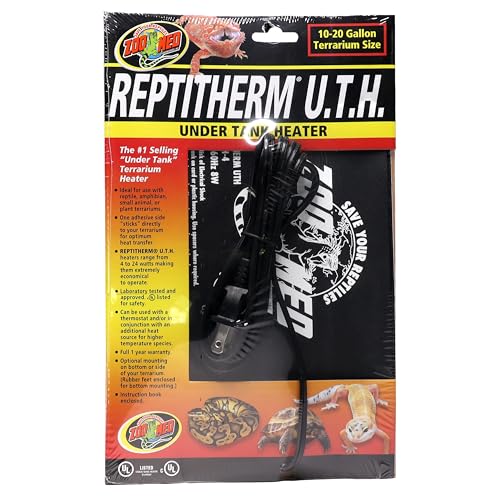
Zoo Med ReptiTherm Under Tank Heater
This under-tank heater offers essential belly heat for ground-dwelling amphibians, promoting healthy digestion and maintaining ambient temperatures. Crucially, it must be used with a thermostat to prevent dangerous overheating.

Josh's Frogs Coco Cradle Substrate
This coconut fiber substrate is a versatile and safe choice for beginner frog setups, effectively holding humidity and supporting natural behaviors like burrowing. Its moisture-retention properties are key to maintaining the stable, humid environment most amphibians need.
Frequently Asked Questions
The White's Tree Frog (Litoria caerulea) is widely considered the best frog for beginners. They are very hardy, docile, tolerate gentle handling better than most frogs, and have relatively simple care requirements for temperature and humidity.
References & Sources
- https://www.petmd.com/reptile/care/evr_rp_frog-care-101-what-you-need-know-you-get-frog
- https://www.thesprucepets.com/frogs-as-pets-1236811
- https://reptilesmagazine.com/five-great-beginner-pet-frogs/?srsltid=AfmBOorbtUX2B6olksMnlEgZ_6BDBxakrsVRKSp8lSoyvH43f3TQX1O9
- https://www.petmd.com/reptile/species/best-pet-frogs
- https://www.thesprucepets.com/whites-tree-frog-1236816
- https://www.petmd.com/reptile/pacman-frog-care-sheet
Related Articles

10 Best Frogs to Keep as Pets: Your Expert Care Guide
Looking for the best frogs to keep as pets? Our expert guide covers the top 10 species, offering practical care tips for both beginners and experienced keepers.

10 Best Frogs to Have as Pets: A Keeper's Comprehensive Guide
Looking for the best frogs to have as pets? Dive into our comprehensive guide on top species, their care, and how to choose the perfect amphibian companion for your home.

Best Food for African Dwarf Frogs: A Feeding Guide
Discover the best food for African dwarf frogs — from frozen bloodworms to live blackworms — plus feeding tips, schedules, and what to avoid.