Best Kenyan Sand Boa Food: Complete Feeding Guide
Find out the best Kenyan sand boa food, correct prey sizes, feeding schedules, and how to fix common feeding problems for a healthy, thriving snake.


This article contains affiliate links. If you make a purchase through these links, we may earn a small commission at no extra cost to you. See our affiliate disclosure for details.
We recommend 4 picks here. Our top choice is the Frozen Pinky Mice (Bulk Pack) — check price and availability below.
How we choose: we compare published specifications against the care requirements in veterinary and species-care literature, and weigh those against what long-time keepers report. We do not test products ourselves and we do not restate Amazon star ratings. The 4 sources behind this article are listed at the bottom.
Quick Comparison
- Target Snake Size
- Hatchling & Juvenile
- Product Function
- Primary Food (Mouse Pinky)
- Primary Nutritional Benefit
- Complete Nutrition (Growth)
- Bulk Purchase Option
- Yes
- Direct Feeding Safety
- Yes (Frozen Prey)
- Target Snake Size
- Adult (Standard)
- Product Function
- Primary Food (Adult Mouse)
- Primary Nutritional Benefit
- Complete Nutrition (Maintenance)
- Bulk Purchase Option
- Yes
- Direct Feeding Safety
- Yes (Frozen Prey)
- Target Snake Size
- All Sizes
- Product Function
- Feeding Accessory
- Primary Nutritional Benefit
- N/A (Tool)
- Bulk Purchase Option
- No
- Direct Feeding Safety
- Yes (Keeper Protection)
- Target Snake Size
- Large Adult Females
- Product Function
- Alternative Food (Rat Pinky)
- Primary Nutritional Benefit
- High Protein (Variety)
- Bulk Purchase Option
- Yes
- Direct Feeding Safety
- Yes (Frozen Prey)
Prices are estimates only. Actual prices on Amazon may vary.
Kenyan sand boas are one of the easiest snakes to feed. They're small, enthusiastic eaters, and they rarely go on hunger strikes the way some other snakes do. But feeding them correctly still matters — the right prey size, feeding schedule, and technique all make a real difference in your snake's long-term health.
This guide covers everything you need to know about the best Kenyan sand boa food, from prey type and size to feeding frequency and common problems.
What Do Kenyan Sand Boas Eat in the Wild?
In the wild, Kenyan sand boas (Eryx colubrinus) live in the dry savannas and semi-arid scrublands of East Africa. They spend most of their time buried in sand or loose soil, waiting to ambush prey. Their natural diet includes small mammals, lizards, and occasionally small birds.
In captivity, replicating this diet is surprisingly easy. You don't need to source exotic prey or spend a fortune. Mice — and occasionally small rats — cover everything your sand boa needs nutritionally.
For a deeper look at their full care requirements, check out the Kenyan Sand Boa Care: The Complete Guide on Krawlo.
Prey Size Guide by Snake Stage
Hatchling (8–10")
Pinky mouse
Soft, easy to swallow
Juvenile (10–18")
Fuzzy to hopper mouse
Good stepping-stone size
Sub-adult (18–24")
Hopper to adult mouse
Slightly larger, more protein
Adult female (24–35")
Adult mouse or rat pinky
Higher protein option available
Adult male (18–24")
Hopper to small adult mouse
Males stay smaller than females
Feeding Frequency by Age
Hatchlings (0–6 mo)
Every 5–7 days
Juveniles (6–12 mo)
Every 7 days
Sub-adults (1–2 yr)
Every 7–10 days
Adults (2+ years)
Every 10–14 days
How to Thaw Frozen Prey
Move to Fridge
OvernightTransfer frozen prey from freezer to fridge the night before feeding
Room Temperature
~30 minutesTake it out on feeding day and let it sit at room temperature
Warm Water Bath
10–15 minutesPlace in sealed plastic bag and submerge in warm (not hot) water
Check Temperature
Prey should feel warm to the touch, around 100°F, before offering to snake
Tip: Properly warmed prey triggers better feeding response via heat-sensing organs
Why Frozen Prey is Better
What you need to know
Safety first — Live mice can bite and scratch your snake, risking serious infection
Convenience — Buy frozen prey in bulk and store for months without maintenance
Consistency — Frozen prey behaves the same every time for reliable feeding responses
Ethics — Pre-killed prey spares the feeder animal unnecessary suffering
Detailed Reviews
1. Frozen Pinky Mice (Bulk Pack)
Best Overall
Frozen Pinky Mice (Bulk Pack)
Pros
- •Ideal prey size for hatchling and juvenile Kenyan sand boas.
- •Provides complete and balanced nutrition for young snakes.
- •Bulk purchasing offers cost savings and consistent supply.
- •Long shelf life when properly stored in a freezer.
Cons
- •Not suitable for adult Kenyan sand boas due to small size.
- •Requires dedicated freezer space for storage.
- •Availability can vary in local pet stores, often requiring online orders.
Bottom Line
Pinky mice are an essential dietary staple for young Kenyan sand boas, offering complete nutrition in an appropriately small size. Purchasing these in bulk ensures a reliable and cost-effective food source for growing snakes.
2. Frozen Adult Mice (Bulk Pack)
Editor's Choice
Frozen Adult Mice (Bulk Pack)
Pros
- •Staple food providing complete nutrition for adult Kenyan sand boas.
- •Pre-killed frozen prey eliminates the risk of injury to the snake.
- •Conveniently available in bulk for consistent and long-term feeding.
- •Offers a long shelf life, simplifying food management and storage.
Cons
- •Too large for hatchling and juvenile sand boas.
- •Requires adequate freezer space for storage.
- •Risk of overfeeding to smaller adult males if portion sizes are not managed.
Bottom Line
Frozen adult mice are a cornerstone of the adult Kenyan sand boa diet, providing balanced nutrition and safety compared to live feeders. Bulk purchasing offers convenience and ensures a steady supply for mature snakes.
3. Reptile Feeding Tongs
Premium Pick
Reptile Feeding Tongs
Pros
- •Enhances keeper safety by preventing accidental bites during feeding.
- •Eliminates human scent transfer to prey, encouraging natural feeding response.
- •Provides a secure grip for precise placement of frozen/thawed prey.
- •Durable metal construction ensures longevity and ease of cleaning.
Cons
- •Represents an additional upfront cost for essential equipment.
- •Low-quality tongs may have a weak grip, leading to dropped prey.
- •Requires cleaning and sanitization after each use to maintain hygiene.
Bottom Line
Reptile feeding tongs are an indispensable tool for safe and hygienic feeding, protecting the keeper while ensuring the snake readily accepts its meal. Metal tongs with a firm grip are recommended for handling various prey sizes.
4. Frozen Rat Pinkies (Bulk Pack)
Best Value
Frozen Rat Pinkies (Bulk Pack)
Pros
- •Provides a leaner, higher-protein nutritional profile suitable for larger boas.
- •Offers valuable dietary variety to prevent feeding boredom and nutritional deficiencies.
- •A safe and nutritionally complete alternative to adult mice.
- •Buying in bulk ensures a cost-effective and consistent supply for specialized needs.
Cons
- •Only suitable for larger adult female Kenyan sand boas due to size and nutritional content.
- •May be less readily available than mouse feeders in some regional markets.
- •Can be more expensive per item than mouse pinkies or adult mice.
Bottom Line
Frozen rat pinkies offer an excellent, protein-rich dietary alternative for larger female Kenyan sand boas, promoting variety and specialized nutrition. They are a safe and convenient bulk-purchased option to supplement or substitute adult mice.
The Best Kenyan Sand Boa Food: Frozen/Thawed Mice
The single best food for Kenyan sand boas is frozen/thawed mice. Here's why:
- Complete nutrition — Whole prey provides protein, fat, calcium, and essential vitamins in the right ratios for a snake's body.
- Safe and convenient — Frozen prey eliminates the risk of live mice injuring your snake.
- Easy to source — You can buy them in bulk online or from most pet stores.
- Long shelf life — Properly stored frozen feeders last months in the freezer.
For hatchlings and smaller juveniles, pinky mice (newborn mice) and fuzzy mice are the perfect starting point. Larger adult females can graduate to adult mice or even small rat pinkies as they grow.
Male sand boas stay small — typically 18 to 24 inches. Females grow larger, reaching 24 to 35 inches. This size difference means females will eventually need larger prey than males, even at the same age.
Mice vs. Rats: Which Is Better?
For most Kenyan sand boas, mice are the staple prey item. But rats can play a role for larger females. Here's a quick comparison:
| Prey Type | Best For | Notes |
|---|---|---|
| Pinky mice | Hatchlings, juveniles | Soft, easy to swallow, low fat |
| Fuzzy mice | Juveniles, small adults | Good stepping-stone size |
| Hopper mice | Sub-adults | Slightly larger, more protein |
| Adult mice | Adult females | Standard adult prey |
| Rat pinkies | Large adult females | Higher protein, leaner than adult mice |
Rats are slightly higher in protein and lower in fat than mice of the same size. Some keepers switch large females to rat pinkies for a leaner, more varied diet. That said, mice work perfectly well for the entire lifespan of your snake — it's genuinely optional.
Prey Size: Getting It Right Every Time
Prey size is one of the most important variables in feeding your sand boa correctly. Too small, and your snake won't feel satisfied. Too large, and you risk regurgitation, stress, or injury.
The golden rule: Feed prey that's roughly the same diameter as the widest part of your snake's body — or slightly smaller.
Here's a general size guide by snake stage:
| Snake Stage | Snake Length | Recommended Prey |
|---|---|---|
| Hatchling | 8–10 inches | Pinky mouse |
| Juvenile | 10–18 inches | Fuzzy to hopper mouse |
| Sub-adult | 18–24 inches | Hopper to adult mouse |
| Adult female | 24–35 inches | Adult mouse or rat pinky |
| Adult male | 18–24 inches | Hopper to small adult mouse |
When in doubt, go slightly smaller rather than larger. Sand boas have strong feeding responses and won't go hungry with a slightly smaller meal. You can always offer an extra feeding in a week if needed.
Feeding Schedule: How Often Is Too Often?
Kenyan sand boas don't need to eat every day — and overfeeding is one of the most common mistakes new keepers make. Obesity is a real health risk for sand boas, especially females.
| Age | Feeding Frequency |
|---|---|
| Hatchlings (0–6 months) | Every 5–7 days |
| Juveniles (6–12 months) | Every 7 days |
| Sub-adults (1–2 years) | Every 7–10 days |
| Adults (2+ years) | Every 10–14 days |
Adult males in particular should be fed on the less frequent end of this schedule. They have slower metabolisms and gain weight easily. An obese male sand boa is at risk for heart and liver problems down the line.
Adult females can handle slightly more frequent meals, especially during the breeding season or if they're recovering from egg production. But even females don't need to eat every week once they're fully grown.
Quick tip: If your snake turns away from prey or ignores it entirely, don't force the issue. A healthy sand boa can go several weeks without food without any harm. Skipping a meal occasionally is completely normal.
Frozen vs. Live Prey: Why Frozen Always Wins
We strongly recommend [frozen/thawed feeders](https://www.amazon.com/dp/B0G8TTK5LR?tag=krawlo-20 over live prey every time. Here's the breakdown:
Safety first. Live mice can bite and scratch your snake. Even a minor wound can get infected and turn into a serious, expensive vet visit. It's simply not worth the risk.
Convenience. You can buy frozen prey in bulk and store it in the freezer for months. No need to maintain a separate colony or make emergency trips to the pet store.
Consistency. Frozen prey behaves the same every time. Live prey moves unpredictably, which can stress some snakes or cause them to miss their strike.
Ethics. Pre-killed prey spares the feeder animal unnecessary suffering.
The only real downside is that some snakes — particularly wild-caught adults — may refuse frozen prey at first. But most captive-bred Kenyan sand boas accept frozen/thawed without any fuss from day one.
How to Thaw Frozen Prey Safely
Never microwave frozen prey. Microwaves create hot spots that can burn your snake's mouth and esophagus internally. Here's the right method:
- Move the frozen prey from the freezer to the fridge the night before feeding.
- On feeding day, take it out and let it sit at room temperature for about 30 minutes.
- For extra warmth, place it in a sealed plastic bag and submerge it in warm (not hot) water for 10–15 minutes.
- The prey should feel warm to the touch — around 100°F — before you offer it.
Kenyan sand boas locate prey using heat-sensing pit organs near their mouth. Properly warmed prey is much more likely to trigger a feeding response than cold or lukewarm prey.
How to Feed Your Kenyan Sand Boa
Sand boas are ambush hunters. They don't chase prey — they wait, coiled under the substrate, and strike when prey moves close. You can work with this instinct during feeding sessions.
Step-by-step feeding technique:
- Use [reptile feeding tongs](https://www.amazon.com/dp/B0CKSSDZD1?tag=krawlo-20 — never your bare hands. This prevents accidental bites and keeps your hand scent away from the prey.
- Hold the thawed prey by the tail end with the tongs.
- Gently wiggle it near your snake's head to mimic natural movement.
- Let your snake strike and constrict, then release the tongs and step back.
- Give your snake privacy — watch from a distance and let them eat undisturbed.
Feeding in the enclosure vs. a separate container: This is a common debate among snake keepers. For Kenyan sand boas, feeding in the enclosure works well. They're docile and rarely develop defensive feeding responses. A separate container can be useful for newly acquired snakes or ones that show stress during feeding, but it's not a requirement.
Common Feeding Problems and How to Fix Them
Even easy feeders have off days. Here are the most common issues and straightforward solutions.
Refusal to Eat
Food refusal is normal and usually temporary. The most common causes:
- Shedding cycle — Snakes in shed (blue/opaque eyes) almost always stop eating. Wait until the shed is complete, then offer food again.
- Breeding season — Males often go off food in late fall and winter due to hormonal changes. This is natural.
- New home stress — A newly acquired snake may refuse food for 2–4 weeks. Give them time to settle in.
- Wrong temperature — If your hot spot isn't hitting 90–95°F, digestion slows and appetite drops. Check your heating setup.
If your sand boa refuses food for more than 6 weeks with no obvious cause and seems lethargic, a visit to a reptile vet is a good idea.
Regurgitation
Regurgitation (bringing up a meal) is more serious than simple refusal. Common causes include:
- Prey too large — Downsize immediately for the next several feedings.
- Handling too soon after eating — Wait at least 48 hours after a meal before any handling.
- Temperature problems — Incorrect temperatures prevent proper digestion.
After a regurgitation, wait a full 2 weeks before offering food again. Give your snake's digestive system time to recover. Offer a prey item one to two sizes smaller than usual for the next 3–4 feedings.
Refusing Frozen Prey
Some sand boas — especially adults that were previously fed live — may need convincing to accept frozen/thawed prey. Try these techniques:
- Scenting — Rub a live mouse's scent across the surface of the thawed prey.
- Brain scenting — Lightly pierce the skull of the thawed prey to release scent. Not glamorous, but highly effective.
- Warm it up more — Make sure the prey is thoroughly warmed to at least 100°F.
- Wiggle it more — Extra movement mimics live prey and triggers a feeding response.
Patience pays off here. Most snakes make the switch within a few attempts.
Feeding Hatchling Kenyan Sand Boas
Hatchlings can occasionally be tricky feeders. Here's what works:
- Always start with pinky mice — they're soft, small, and easy for a young snake to manage.
- Feed every 5–7 days to support fast growth.
- If a hatchling refuses, try offering prey in a small, enclosed container like a deli cup with ventilation holes. The confined space can trigger a feeding response.
- Don't panic if a new hatchling skips the first 1–3 feedings. They often absorb their egg yolk for nutrition in the first week or two after hatching.
If you're new to keeping snakes and want to compare how sand boas stack up against other beginner species, the Best Pet Snakes for Beginners: 10 Top Picks Ranked is a great resource.
Do Kenyan Sand Boas Need Supplements?
Unlike lizards and other reptiles, snakes generally don't need calcium or vitamin supplements added to their prey. Whole prey animals already deliver the nutrition your snake needs in the correct ratios.
The exception: if a vet has diagnosed a specific deficiency, they may recommend occasional supplementation. But for the average, healthy, captive-bred Kenyan sand boa eating whole prey on a regular schedule, supplementation isn't necessary.
Don't dust prey or add anything to feeders unless a vet specifically advises it. The simplest diet is often the best diet.
Where to Buy Feeder Mice
(Estimates only — actual prices on Amazon may vary.)
You have two main options: local pet stores or online bulk suppliers.
- Pet stores — Convenient for occasional purchases. Expect to pay around $1–3 per mouse depending on size and location.
- Online bulk orders — Much more economical if you have multiple snakes or want to stock the freezer. Buying 50–100 frozen mice at once can cut your per-mouse cost significantly.
Look for reputable suppliers who freeze prey quickly after harvest — this preserves both freshness and nutritional value. Avoid prey with heavy freezer burn or ice crystals inside the packaging.
For a good starting option, check out [bulk frozen feeder mice](https://www.amazon.com/dp/B0G8TTK5LR?tag=krawlo-20 on Amazon.
Final Thoughts
Kenyan sand boas are genuinely uncomplicated when it comes to feeding. Give them properly sized, frozen/thawed mice on a consistent schedule, use tongs, and let them eat undisturbed. That's really all there is to it.
The most common mistakes — overfeeding, offering prey that's too large, or handling too soon after meals — are all easy to avoid once you know what to watch for. Get those basics right, and your sand boa will reward you with excellent health, consistent feeding responses, and a long, thriving life.
For more on keeping sand boas alongside similar species, see our guide on Arabian Sand Boa Care: The Complete Guide for Keepers.
Our Final Verdict
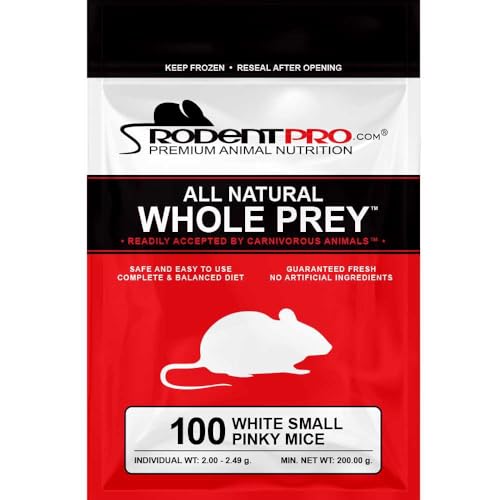
Frozen Pinky Mice (Bulk Pack)
Pinky mice are an essential dietary staple for young Kenyan sand boas, offering complete nutrition in an appropriately small size. Purchasing these in bulk ensures a reliable and cost-effective food source for growing snakes.
Frozen Adult Mice (Bulk Pack)
Frozen adult mice are a cornerstone of the adult Kenyan sand boa diet, providing balanced nutrition and safety compared to live feeders. Bulk purchasing offers convenience and ensures a steady supply for mature snakes.

Reptile Feeding Tongs
Reptile feeding tongs are an indispensable tool for safe and hygienic feeding, protecting the keeper while ensuring the snake readily accepts its meal. Metal tongs with a firm grip are recommended for handling various prey sizes.
Frequently Asked Questions
Hatchling Kenyan sand boas should be fed every 5–7 days. They grow fast and need consistent nutrition during their first year. As they reach juvenile size (around 6 months), you can stretch feedings to every 7 days, then every 10–14 days once they're fully grown adults.
References & Sources
- https://reptifiles.com/kenyan-sand-boa-care-sheet/
- https://www.thebiodude.com/blogs/snake-caresheets/kenyan-sand-boa-care-and-bioactive-maintenance?srsltid=AfmBOoqwoeAq9v6vkQXMxV_R-T1b11S60vJ7Jf5qXX0Ctnf9qpAO6ch5
- https://dubiaroaches.com/blogs/snake-care/kenyan-sand-boa-care-sheet?srsltid=AfmBOooKN9NEtwF6NbsbGi0W8xuggR4DaR6WErToGe6y6mzFRx5u8_xx
- https://community.morphmarket.com/t/feeding-techniques/41540
Related Articles

Best Kenyan Sand Boa Lighting: Complete Setup Guide
Discover the best Kenyan sand boa lighting setup — from UVB options to photoperiod schedules. Everything you need for a healthy, thriving sand boa.

Best Kenyan Sand Boa Heating: Complete Setup Guide
Find the best Kenyan sand boa heating options for your setup. Learn ideal temps, heat sources, thermostat picks, and mistakes to avoid in 2026.

Best Kenyan Sand Boa Substrate: Top Picks Compared
Find the best Kenyan sand boa substrate for healthy, active burrowers. Compare sand mixes, coco coir, and bioactive options with expert setup tips.