Arabian Sand Boa Care: The Complete Guide for Keepers
Discover the essential tips and tricks for caring for an Arabian sand boa, including housing, feeding, handling, and more.


✓Recommended Gear
TL;DR: Arabian sand boas are small (15–26 inches), burrowing snakes that thrive in a 10–20 gallon enclosure with 4–6 inches of loose sand or coconut fiber substrate, a warm side of 85–90°F, and a cool side of 70–75°F. They are nocturnal and rarely seen during the day, spending most time buried — provide a water dish but keep the enclosure dry overall to mimic their arid desert habitat. Feed pre-killed or frozen-thawed pinky to small mice every 7–10 days for adults.
If you’re considering adding an Arabian sand boa to your reptile family, you’re in for a treat! These small, docile snakes are perfect for both beginners and experienced keepers. In this guide, we’ll cover everything you need to know to provide the best possible care for your Arabian sand boa. Let’s dive in!
Arabian Sand Boa Care (Erycinae sp.)
Arabian sand boas, scientifically known as Eryx jayakari, are a fascinating species of snake native to the deserts of the Arabian Peninsula. They are relatively easy to care for, making them a popular choice for reptile enthusiasts. Before we get into the specifics, it’s important to understand the basic needs of these snakes.
Key Points for Arabian Sand Boa Care
- Housing: A secure, well-ventilated enclosure that mimics their natural desert habitat.
- Substrate: Deep sand or a sand-like material for burrowing.
- Heating: A warm side and a cool side to create a temperature gradient.
- Feeding: Prey items like mice, which are appropriate for their size.
- Handling: Gentle and infrequent to avoid stress.
Shopping List
Before you bring your Arabian sand boa home, you’ll need to gather a few essential items to ensure they have a comfortable and healthy environment. Here’s a list to help you get started:
- Enclosure: A 10-20 gallon tank is sufficient for adults.
- Substrate: Playground sand or specialized desert sand, at least 6-8 inches deep.
- Heating: Heat lamp or under-tank heater.
- Thermometer: To monitor temperature accurately.
- Humid Hide: A moist hide for shedding.
- Feeding Tongs: To safely offer prey items.
- Water Dish: A shallow dish for drinking.
- Decorations: Hides and smooth rocks for enrichment.
Arabian Sand Boa Setup Checklist
Everything you need to get started
Arabian Sand Boa Enclosure Size
Choosing the right enclosure size is crucial for your Arabian sand boa’s well-being. These snakes are not very active and prefer a smaller space where they feel secure and can easily find their hiding spots.
- Juveniles: A 5-10 gallon tank is ideal.
- Adults: A 10-20 gallon tank is sufficient.
Remember, a larger enclosure can be used, but it should not be overly spacious to prevent your snake from feeling stressed.
Lighting & UVB for Arabian Sand Boas
Arabian sand boas do not require UVB lighting to thrive, as they are primarily nocturnal and burrow in sand. However, providing a low-level UVB can still be beneficial for their overall health and can help with calcium absorption.
- Daytime Lighting: A simple low-wattage incandescent bulb can provide ambient light and help maintain a day/night cycle.
- Optional UVB: If you choose to use UVB, a 5.0 UVB bulb should suffice.
(Estimates only — actual prices on Amazon may vary.)
Arabian Sand Boa Temperatures & Heating
Maintaining the correct temperature gradient is essential for your Arabian sand boa. These snakes are ectothermic, meaning they rely on external heat sources to regulate their body temperature.
- Warm Side: 88-92°F (31-33°C)
- Cool Side: 75-80°F (24-27°C)
- Night Temperature: No cooler than 75°F (24°C)
Use a heat lamp or under-tank heater to achieve these temperatures. Always use a thermostat to ensure the temperature remains consistent and safe.
| Temperature Zone | Ideal Range (°F) | Ideal Range (°C) |
|---|---|---|
| Warm Side | 88-92 | 31-33 |
| Cool Side | 75-80 | 24-27 |
| Night Temperature | 75-78 | 24-26 |
Arabian Sand Boa Humidity Levels
Arabian sand boas are adapted to dry, arid environments, so they don’t need high humidity. However, a slight increase in humidity is necessary during shedding to prevent issues.
-
General Humidity: 30-40%
-
Shedding Humidity: 50-60%
-
Humid Hide: Place a humid hide on the cool side of the enclosure. Use a damp paper towel or sphagnum moss to create a moist environment.
Substrate Options for Arabian Sand Boas
The right substrate is crucial for your Arabian sand boa’s health and natural behavior. They are burrowing snakes and need a substrate that allows them to dig and hide.
- Playground Sand: An affordable and widely available option that works well.
- Specialized Desert Sand: Slightly more expensive but can mimic their natural habitat more closely.
- Reptile Carpet: A good alternative if you want a substrate that’s easier to clean.
Avoid substrates like cedar or pine shavings, as they can be harmful to your snake’s respiratory system.
Decorating Your Arabian Sand Boa Enclosure
While Arabian sand boas are not very active, they still benefit from a well-decorated enclosure. This not only makes the terrarium more visually appealing but also provides mental stimulation and hiding spots.
- Decorative Rocks: Smooth, flat rocks that your snake can hide under.
- Hides: Ceramic or resin hides that blend into the desert environment.
- Plants: Artificial plants can add a touch of green without the risk of mold.
Make sure all decorations are securely placed to prevent them from collapsing and injuring your snake.
Feeding Your Arabian Sand Boa
Arabian sand boas are carnivorous and primarily feed on small mammals. Here’s a feeding schedule to keep in mind:
-
Juveniles: Feed every 5-7 days with appropriately sized pinky mice.
-
Adults: Feed every 10-14 days with small to medium-sized mice.
-
Feeding Method: Use feeding tongs to offer prey items. This helps prevent accidental bites and reduces stress.
| Age | Prey Size | Feeding Frequency |
|---|---|---|
| Juveniles | Pinkies | Every 5-7 days |
| Adults | Small mice | Every 10-14 days |
Always monitor your snake’s weight and adjust feeding frequency as needed to maintain a healthy body condition.
Feeding Schedule
Juvenile Frequency
Every 5–7 days
Pinky mice
Adult Frequency
Every 10–14 days
Small to medium mice
Feeding Method
Use feeding tongs
Prevents accidental bites & stress
Handling Wait Time
48 hours post-feeding
Avoid regurgitation risk
Arabian Sand Boa Handling Tips
Handling your Arabian sand boa can be a rewarding experience, but it’s important to do it correctly to avoid stress and potential injury.
- Handle Gently: Support your snake’s body and avoid sudden movements.
- Frequency: Start with brief handling sessions (1-2 minutes) and gradually increase the duration as your snake becomes more comfortable.
- Avoid Handling After Feeding: Wait at least 48 hours after feeding to handle your snake, as this can cause regurgitation.
If your snake feels threatened, it may bury itself in the sand. This is a natural behavior, so don’t force it out. Give it some time to feel secure before trying again.
References
For more detailed information on sand boas, check out our Kenyan Sand Boa Care: The Complete Guide and Sand Boa Care: Complete Guide (All Species).
Recommended Gear
10-Gallon Aquarium Terrarium Kit
This kit provides a secure, well-ventilated space perfect for juvenile Arabian sand boas.
Check Price on Amazon
Playground Sand
Deep, clean, and affordable, playground sand is an excellent choice for mimicking the desert environment.
Check Price on AmazonRepti Zoo Ceramic Heat Emitter
This heat emitter provides consistent warmth and is safe for use with reptiles.
Check Price on Amazon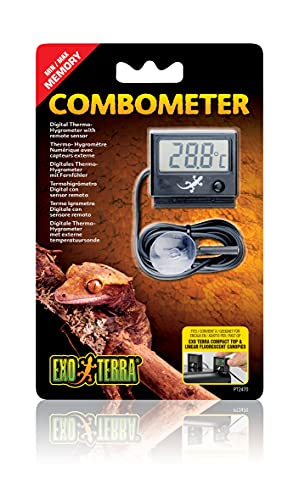
Exo Terra Reptile Thermometer & Hygrometer
A reliable thermometer and hygrometer are essential for maintaining the correct temperature and humidity levels.
Check Price on AmazonZoo Med ReptiWoods Natural Terrarium Decor
These natural wood decorations add aesthetic value and provide secure hiding spots for your Arabian sand boa.
Check Price on AmazonFrequently Asked Questions
Arabian sand boas are relatively easy to care for. They have simple habitat requirements and are docile, making them great for beginners.
References & Sources
- https://reptifiles.com/kenyan-sand-boa-care-sheet/
- https://reptifiles.com/sandfish-care-guide/
- https://reptifiles.com/sandfish-care-guide/scincus-species/
- https://reptifiles.com/sandfish-care-guide/sandfish-temperatures-uvb-humidity/
- https://reptifiles.com/uromastyx-care-sheet/
- https://reptifiles.com/ocellated-skink-care/
Related Articles

Boa Sand: The Ultimate Guide for a Healthy Reptile Environment
Learn everything you need to know about boa sand, including the best types, substrate preparation, and how to create a perfect environment for your sand boa. Check out our comprehensive guide!

Dumeril’s Boa Care: A Complete Guide for Enthusiasts
Learn everything you need to know about Dumeril's Boa care, from enclosure setup to feeding and handling, in this comprehensive guide.

African Fat Tail Gecko Care: The Complete Guide
Master african fat tail gecko care with this complete guide covering housing, humidity, heating, diet, and the beginner mistakes that send geckos to the vet.