Dumeril’s Boa Care: A Complete Guide for Enthusiasts
Learn everything you need to know about Dumeril's Boa care, from enclosure setup to feeding and handling, in this comprehensive guide.


✓Recommended Gear
TL;DR: Dumeril's boas (Acrantophis dumerili) are native to Madagascar, growing up to 7 feet with a generally docile temperament that makes them manageable for intermediate keepers — hatchlings cost $500–$1,000. Adults need a 4'×2'×2' enclosure with a hot spot of 90–95°F (32–35°C), a cool side of 75–80°F, and 60–70% humidity maintained with misting and a humid hide. They eat frozen/thawed rodents and benefit from regular handling to maintain their calm temperament.
Introduction to Dumeril's Boa (Acrantophis dumerili)
Dumeril’s Boa, scientifically known as Acrantophis dumerili, is a fascinating and unique snake species native to Madagascar. These boas are known for their gentle nature and striking appearance, making them a popular choice among reptile enthusiasts. However, they require specific care to thrive in captivity. This guide will walk you through everything you need to know to provide the best care for your Dumeril's Boa.
Enclosure and Housing
Choosing the Right Enclosure
When it comes to housing your Dumeril’s Boa, size matters. An adult Dumeril’s Boa needs an enclosure that is at least 4 feet long, 2 feet wide, and 2 feet tall. For a hatchling, a smaller 10-20 gallon tank will suffice. The key is to ensure your boa has enough space to move around and feel comfortable.
Substrate and Bedding
The substrate you use can significantly impact your boa’s health. Paper towels are a good option for hatchlings and sick snakes, as they are easy to clean and manage. For adults, consider using aspen shavings, cypress mulch, or coconut fiber. These substrates are safe, absorbent, and help maintain humidity.
Furniture and Decor
Furniture in the enclosure should mimic the natural habitat of your Dumeril’s Boa. Include hiding spots like caves, natural-looking hides, and branches for climbing. This not only makes the enclosure aesthetically pleasing but also provides your boa with mental stimulation.
Temperature and Humidity
Maintaining the right temperature and humidity levels is crucial for your Dumeril’s Boa’s health. The enclosure should have a temperature gradient, with a hot spot of around 90-95°F (32-35°C) and a cooler side of 75-80°F (24-27°C). A drop to the low 70s (21-23°C) at night is acceptable.
Humidity levels should be around 60-70%. This can be achieved by misting the enclosure or using a humid hide box filled with damp sphagnum moss. Monitoring these conditions with a digital hygrometer and thermometer is highly recommended.
Enclosure Setup Essentials
Everything you need to get started
Lighting and Heating
Light Cycle
Dumeril’s Boas are primarily nocturnal, but they still benefit from a regular light cycle. Provide 12 hours of light and 12 hours of darkness to simulate their natural environment. An LED or fluorescent light can be used for this purpose, but it should not generate too much heat.
Heating Elements
In addition to a basking spot, you'll need to maintain an ambient temperature throughout the enclosure. Under-tank heaters and ceramic heat emitters are excellent choices. Place the heat source on one side of the tank to create a temperature gradient.
Safety Tips
Always use a thermostat to regulate the temperature and prevent overheating. Regularly check the enclosure to ensure there are no hot spots that could cause burns to your boa. It’s also a good idea to have a backup heating source in case of power outages.
Temperature & Humidity Requirements
Hot Spot
90–95°F (32–35°C)
Cool Side
75–80°F (24–27°C)
Night Temperature
Low 70s (21–23°C)
Humidity Level
60–70%
Light Cycle
12 hours light / 12 hours dark
Feeding and Nutrition
Diet
Dumeril’s Boas are carnivorous and primarily feed on rodents. Hatchlings can start with pinky or fuzzie mice, while adults can handle larger prey like rats or small rabbits. Feed them every 7-10 days, and adjust the frequency based on their growth and health.
Feeding Schedule
| Age | Prey Type | Frequency |
|---|---|---|
| Hatchlings | Pinky/Fuzzy Mice | Every 5-7 days |
| Juveniles | Small/Adult Mice | Every 7-10 days |
| Adults | Rats/Small Rabbits | Every 10-14 days |
Prey Size and Quantity
The size of the prey should not exceed the width of your boa’s head. Overfeeding can lead to obesity and health issues, so it’s important to monitor their weight and adjust their diet accordingly.
Feeding Tips
Always feed your Dumeril’s Boa in a separate feeding container to prevent them from associating your hand with food. This can help reduce the risk of accidental bites during handling. Thaw frozen prey items completely before feeding them to your boa.
Feeding Schedule by Age
What you need to know
Hatchlings: Pinky/fuzzy mice every 5–7 days
Juveniles: Small/adult mice every 7–10 days
Adults: Rats/small rabbits every 10–14 days
Prey size must not exceed the width of your boa's head
Always feed in a separate container to prevent food-hand association and accidental bites
Handling and Interaction
Handling Frequency
Dumeril’s Boas are generally docile and can be handled regularly once they are comfortable in their new environment. Start with short handling sessions, gradually increasing the duration as your boa becomes more accustomed to you.
Handling Techniques
When handling your Dumeril’s Boa, support their entire body, especially their head and neck. Avoid handling them immediately after feeding, as this can cause regurgitation. Also, give them a few days to settle in after you bring them home before handling them.
Behavioral Cues
Pay attention to your boa’s body language. If they flatten their body or flick their tongue rapidly, they may be feeling stressed or defensive. In such cases, it’s best to give them some space and try again later.
Health and Wellness
Common Health Issues
Dumeril’s Boas can suffer from various health issues, including respiratory infections, mites, and inadequate shedding. Regular veterinary check-ups and a clean enclosure can help prevent these problems.
Shedding
Your boa will shed its skin periodically. The process can be stressful, so ensure the humidity levels are optimal. You can provide a moisture box filled with damp sphagnum moss to help with shedding. If shedding is incomplete, a warm bath can help remove stuck skin.
Parasites
Mites and other parasites can be a problem for Dumeril’s Boas. Regularly check for signs of mites, such as small black dots around the enclosure. If you notice any, consult a veterinarian for appropriate treatment.
Breeding and Reproduction
Breeding Season
Dumeril’s Boas typically breed in the spring and summer months. If you plan to breed them, ensure both snakes are healthy and of appropriate age and size. Females should be at least 3 years old and weigh around 2.5 kg.
Breeding Setup
Create a breeding enclosure that is slightly larger than the regular enclosure. Maintain a temperature gradient and increase humidity slightly to encourage breeding. Provide a hide box for the female to feel secure during the process.
Gestation and Birthing
The gestation period for Dumeril’s Boas is around 6-8 months. The female will give birth to live young, typically 6-12 hatchlings. Ensure the post-breeding enclosure is clean and has the appropriate temperature and humidity levels.
Species Overview
Natural Habitat
Dumeril’s Boas are native to Madagascar, where they inhabit a variety of environments, including forests, savannas, and near rivers. They are adapted to both humid and drier conditions, which makes them versatile in captivity.
Appearance
These boas are known for their beautiful, iridescent scales and distinctive coloration. They can range from brown to gray with darker patterns, and the iridescence is more pronounced in certain lighting conditions.
Size and Lifespan
Dumeril’s Boas can grow up to 7 feet in length, with males generally being smaller than females. They have a lifespan of 20-30 years in captivity, making them a long-term commitment.
Dumeril's Boa at a Glance
Native Region
Madagascar
Adult Size
Up to 7 feet
Lifespan
20-30 years
Temperament
Docile, manageable for intermediate keepers
Conclusion
Caring for a Dumeril’s Boa is a rewarding experience, but it requires attention to detail and a commitment to providing the best possible environment. By following the guidelines in this care sheet, you’ll be well on your way to ensuring your boa thrives. Remember, regular check-ups, a clean enclosure, and a consistent care routine are key to your boa’s health and happiness.
If you have any questions or need further information on reptile care, feel free to explore our other guides, such as African Fat-Tailed Gecko Care: The Complete Guide and Ball Python Humidity Levels: Complete Care Guide.
Recommended Gear
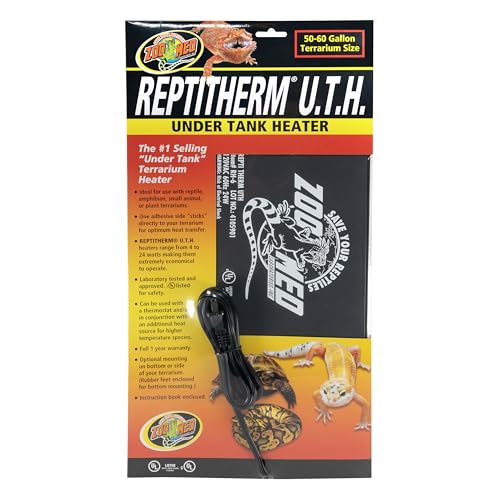
Zoo Med Repti Therm Under Tank Heater
It helps maintain a consistent temperature gradient in the enclosure, essential for your boa's health.
Check Price on Amazon
Exo Terra Reptile Humid Hide Box
This humid hide box provides a moist environment for shedding, making the process easier and more comfortable for your boa.
Check Price on AmazonFluker's Mice and Rats Feeder Pack
A reliable source of frozen rodents, perfect for a consistent and nutritious diet for your Dumeril’s Boa.
Check Price on AmazonExo Terra Medium Natural Terrarium
This terrarium provides ample space and naturalistic features that are ideal for housing a Dumeril’s Boa.
Check Price on AmazonFrequently Asked Questions
Dumeril’s Boas require a spacious enclosure with a temperature gradient, appropriate humidity levels, and hiding spots. They should be fed a diet of rodents and handled regularly to maintain their health and happiness.
References & Sources
Related Articles

Boa Sand: The Ultimate Guide for a Healthy Reptile Environment
Learn everything you need to know about boa sand, including the best types, substrate preparation, and how to create a perfect environment for your sand boa. Check out our comprehensive guide!

Arabian Sand Boa Care: The Complete Guide for Keepers
Discover the essential tips and tricks for caring for an Arabian sand boa, including housing, feeding, handling, and more.

African Fat Tail Gecko Care: The Complete Guide
Master african fat tail gecko care with this complete guide covering housing, humidity, heating, diet, and the beginner mistakes that send geckos to the vet.