Best Kenyan Sand Boa Heating: Complete Setup Guide
Find the best Kenyan sand boa heating options for your setup. Learn ideal temps, heat sources, thermostat picks, and mistakes to avoid in 2026.


This article contains affiliate links. If you make a purchase through these links, we may earn a small commission at no extra cost to you. See our affiliate disclosure for details.
We recommend 6 picks here. Our top choice is the Under-Tank Heater (UTH) — check price and availability below.
How we choose: we compare published specifications against the care requirements in veterinary and species-care literature, and weigh those against what long-time keepers report. We do not test products ourselves and we do not restate Amazon star ratings. The 3 sources behind this article are listed at the bottom.
Quick Comparison
- Primary Heat Source
- Yes (belly heat)
- Coverage Area
- ~1/3 of enclosure floor
- Wattage Requirement
- 8-24W depending on enclosure
- Thermostat Required
- Yes (non-negotiable)
- Best Use Case
- Single enclosures, all sizes
- Price Tier
- $$
- Primary Heat Source
- Yes (belly heat)
- Coverage Area
- Custom per roll length
- Wattage Requirement
- Low (per foot of tape)
- Thermostat Required
- Yes (recommended)
- Best Use Case
- Rack systems 6+ enclosures
- Price Tier
- $$
- Primary Heat Source
- No (ambient only)
- Coverage Area
- Room/enclosure ambient
- Wattage Requirement
- 100-250W per bulb
- Thermostat Required
- Yes (recommended)
- Best Use Case
- Cool room supplemental
- Price Tier
- $
- Primary Heat Source
- No (ambient only)
- Coverage Area
- Lid/ceiling area
- Wattage Requirement
- 50-100W per panel
- Thermostat Required
- Yes (recommended)
- Best Use Case
- Large enclosures, ambient humidity control
- Price Tier
- $$$
- Primary Heat Source
- No (control only)
- Coverage Area
- N/A
- Wattage Requirement
- N/A
- Thermostat Required
- N/A
- Best Use Case
- All heat sources
- Price Tier
- $$
- Primary Heat Source
- No (monitoring only)
- Coverage Area
- N/A
- Wattage Requirement
- N/A
- Thermostat Required
- N/A
- Best Use Case
- Temperature verification
- Price Tier
- $
Prices are estimates only. Actual prices on Amazon may vary.
Kenyan sand boas are one of the most rewarding snakes you can keep — but only if you get their heating right. These small, burrowing snakes come from the hot, dry savannas of East Africa. They're built for warmth. Get the temperature wrong, and your boa won't eat, won't digest properly, and could get seriously sick.
This guide walks you through the best Kenyan sand boa heating options, from under-tank heaters to thermostats and everything in between. By the end, you'll know exactly what to buy and how to set it up.
Why Heating Matters So Much for Kenyan Sand Boas
Kenyan sand boas are ectotherms — they can't generate their own body heat. They depend entirely on their environment to stay warm. In the wild, they burrow into sun-warmed sand and absorb heat through their bellies.
In captivity, you need to replicate that belly heat. This is the key difference between Kenyan sand boas and many other reptiles: they need heat from below, not above. A basking lamp alone won't cut it for these burrowing snakes.
The right temperature gradient lets your snake:
- Digest meals properly
- Keep its immune system functioning
- Feel secure enough to eat consistently
- Move between warm and cool zones to self-regulate
Without proper heat, even a healthy boa can go off food for months or develop a respiratory infection. It's that important.
Temperature Zones for Kenyan Sand Boas
Warm Side (Surface)
88–92°F
31–33°C — most critical zone
Cool Side
70–75°F
21–24°C
Ambient Air
75–80°F
24–27°C
Nighttime Minimum
65°F
18°C — never drop below
Thermostat Types Compared
Side-by-side comparison
| Feature | On/Off (Simple) | Proportional |
|---|---|---|
| How It Works | Cuts power when temp is reached | ★Reduces wattage as temp nears set point |
| Temperature Stability | Wide fluctuations | ★Gradual, steady control |
| Best For | Low-wattage UTHs only | ★UTHs and heat tape |
| Price Range | ★$30–50 | $50–100 |
Our Take: Proportional thermostats provide safer, more consistent heating for Kenyan sand boas.
Heat Mat Setup Guide
Attach the UTH
Apply the under-tank heater to the outside bottom of the glass enclosure on the warm side, covering about one-third of the floor.
Tip: Use glass-bottom enclosures; avoid carpet or direct wood contact
Connect to Thermostat
Plug the UTH into your thermostat outlet, never directly into the wall. The thermostat controls heat delivery.
Tip: Always use a thermostat — never run a UTH unregulated
Place the Probe
Position the thermostat temperature probe inside the enclosure on the warm-side substrate surface.
Tip: Check surface temperature with an infrared gun; air temp can differ significantly from surface temp
Detailed Reviews
1. Under-Tank Heater (UTH)
Best Overall
Under-Tank Heater (UTH)
Pros
- •Replicates natural belly heating
- •Reliable brands available (Zoo Med, Fluker's, Ultratherm)
- •Can be paired with thermostat for safety
- •Most practical option for single enclosures
Cons
- •Requires thermostat to be safe (can reach 120°F+ unregulated)
- •Must not be placed on carpet or wood
- •Effectiveness depends on substrate depth
Bottom Line
Thin adhesive pad that attaches to the outside bottom of the enclosure, warming substrate from below — exactly how sand boas thermoregulate in the wild. The gold standard for Kenyan sand boa heating.
2. Heat Tape
Best Value
Heat Tape
Pros
- •Much more economical per square foot
- •Lower wattage than most UTHs
- •Easier to regulate with thermostat
- •Ideal for rack systems and multiple enclosures
Cons
- •More complex setup than standard UTH
- •Less practical for single enclosure
- •Requires cutting to proper size
Bottom Line
Flexible heating element sold by the roll that you cut to size. More economical per square foot than individual UTHs and runs at lower wattage, making it easier to regulate.
3. Ceramic Heat Emitter (CHE)
Budget Pick
Ceramic Heat Emitter (CHE)
Pros
- •Boosts ambient air temperature in cool rooms
- •Long-lasting (years of use)
- •Good as secondary heat source
- •Works well during winter months
Cons
- •Not replacement for belly heat
- •Can dry out air more than radiant heat panels
- •Requires proper fixture rated for wattage
Bottom Line
Bulb-shaped element that produces heat but no visible light, screwing into a standard fixture. Useful for boosting ambient air temperature but not a replacement for belly heat.
4. Radiant Heat Panel (RHP)
Premium Pick
Radiant Heat Panel (RHP)
Pros
- •Efficient and long-lasting
- •Gentle on humidity
- •No visible light, natural feel
- •Works well for larger enclosures
Cons
- •Premium pricing
- •Less practical for smaller enclosures
- •Primarily for supplemental ambient heating
Bottom Line
Premium option that mounts inside the enclosure lid and radiates heat downward. Efficiently warms ambient air without drying it out, ideal for larger enclosures with screen tops.
5. Inkbird Reptile Thermostat
Best Overall
Inkbird Reptile Thermostat
Pros
- •Proportional control reduces wattage as temperature nears set point
- •Prevents dangerous thermal burns from unregulated heat sources
- •Widely recommended and trusted by the community
- •Accurate temperature maintenance
Cons
- •More expensive than simple on/off thermostats
- •Requires proper probe placement for accuracy
Bottom Line
Proportional thermostat that cycles power on and off (or modulates output) to maintain set temperature. Widely recommended in the hobby for accuracy and reasonable price point — non-negotiable safety equipment.
6. Infrared Temperature Gun
Best Value
Infrared Temperature Gun
Pros
- •Instant readings on demand
- •Inexpensive and widely available
- •Perfect for daily spot checks
- •Shows actual surface temperature (not air temp)
Cons
- •Requires frequent manual checks
Bottom Line
Point-and-shoot tool that provides instant surface temperature readings. Essential for monitoring actual belly heat that your snake experiences, not just air temperature.
Understanding Kenyan Sand Boa Temperature Requirements
Before you pick a heat source, you need to know your target numbers.
| Zone | Temperature |
|---|---|
| Warm side surface | 88–92°F (31–33°C) |
| Cool side | 70–75°F (21–24°C) |
| Ambient air | 75–80°F (24–27°C) |
| Nighttime low | No lower than 65°F (18°C) |
The warm-side surface temperature is the most critical number here. Your boa will spend most of its time burrowed in the warm end, absorbing heat through its belly. If that surface temp drops below 85°F, digestion slows dramatically.
Here's something many new keepers miss: always check surface temperature, not just air temperature. They can be very different, especially when you have several inches of substrate over a heat mat. Use an infrared temperature gun or a digital probe thermometer placed directly on the substrate surface.
Do Kenyan Sand Boas Need UVB?
The short answer is no — not strictly. Kenyan sand boas are primarily nocturnal and fossorial snakes. They spend most of their time underground and have evolved without significant UV exposure.
Some experienced keepers do provide very low-level UVB lighting (a 2.0 or 5.0 bulb) on a natural day/night cycle, and there's growing evidence it may support long-term health. But it's optional, not essential.
If you decide to add a low-wattage UVB bulb, just make sure it doesn't push your ambient temperature too high. These snakes don't need hot air — they need warm ground.
Best Heat Sources for Kenyan Sand Boas
Under-Tank Heaters (UTHs) — The Gold Standard
An under-tank heater, or UTH, is the most popular and practical heat source for Kenyan sand boas. These thin adhesive pads attach to the outside bottom of your enclosure and warm the substrate from below — exactly how sand boas thermoregulate in the wild.
What to look for in a UTH:
- Size: Cover roughly one-third of the enclosure floor on the warm side
- Wattage: Match to your enclosure (a 10-gallon needs ~8W; a 20-gallon needs 16–24W)
- Reliability: Zoo Med, Fluker's, and Ultratherm are consistently recommended by the community
A quality [under-tank heater for reptiles](https://www.amazon.com/dp/B08C93ZGPJ?tag=krawlo-20 is usually the first thing experienced keepers reach for. Always pair it with a thermostat — more on that in a moment.
(Estimates only — actual prices on Amazon may vary.)
One important note: never place a UTH directly on carpet or wood surfaces. Glass-bottom enclosures work best. If you're using a plastic tub, leave a small air gap between the heater and the tub floor to prevent overheating.
Heat Tape
Heat tape is a flexible heating element sold by the roll. You cut it to the size you need. It's a favorite among breeders managing multiple enclosures because it's much more economical per square foot than individual UTHs.
[Reptile heat tape](https://www.amazon.com/dp/B07XTPMQWB?tag=krawlo-20 runs at lower wattage than most UTHs, which makes it easier to regulate with a thermostat. If you're setting up a rack system or planning to expand your collection, heat tape is worth the investment.
For a single enclosure? A standard UTH is simpler to work with. Heat tape really shines when you're heating six or more tubs at once.
Ceramic Heat Emitters (CHEs)
A ceramic heat emitter is a bulb-shaped element that produces heat but no visible light. It screws into a standard fixture and radiates heat downward.
CHEs are useful for boosting ambient air temperature in cooler rooms or during winter months. They're not a replacement for belly heat, but they work well alongside a UTH to prevent the cool end from dropping too low on cold nights.
[Ceramic heat emitters for reptiles](https://www.amazon.com/dp/B096JWWQMC?tag=krawlo-20 typically last for years and are a solid secondary heat source. Just make sure you use them with a fixture rated for the wattage.
(Estimates only — actual prices on Amazon may vary.)
Radiant Heat Panels (RHPs)
Radiant heat panels mount inside the enclosure lid and radiate heat downward. They're popular with arboreal species but can work well for Kenyan sand boas in larger enclosures — especially when you want to warm the ambient air without drying it out the way a CHE can.
Radiant heat panels are a premium option. They're efficient, long-lasting, and gentle on humidity. If you have a larger enclosure with a screen top, they're worth considering as a supplemental heat source.
(Estimates only — actual prices on Amazon may vary.)
Why a Thermostat Is Non-Negotiable
This is the most important thing you'll read in this guide: never run a heat source without a thermostat.
UTHs and heat tape can reach dangerously high temperatures without regulation — sometimes exceeding 120°F. At those temps, your boa can suffer severe thermal burns. The worst part? The burns often happen on the snake's underside, hidden beneath the substrate, and you won't notice until it's too late.
A thermostat controls your heat source by cycling it on and off — or modulating its output — to maintain your set temperature. It's not optional. It's safety equipment.
| Thermostat Type | How It Works | Best For |
|---|---|---|
| On/off (simple) | Cuts power when temp is reached | Low-wattage UTHs |
| Proportional | Reduces wattage as temp nears set point | UTHs and heat tape |
| PID (digital) | Extremely precise control | Breeding racks, advanced setups |
For most single-enclosure Kenyan sand boa keepers, a proportional thermostat is the sweet spot. The [Inkbird reptile thermostat](https://www.amazon.com/dp/B08Y5JDYFY?tag=krawlo-20 is widely recommended in the hobby for its accuracy and reasonable price point.
Always place the thermostat probe on the surface of the warm side of the substrate — not taped to the glass or hanging in the air. That's the actual temperature your snake experiences.
Setting Up Your Heat Mat Correctly
Here's a simple step-by-step for a proper UTH setup:
- Attach the UTH to the outside bottom of the glass enclosure. Position it on the warm side, covering about one-third of the floor.
- Connect the UTH to your thermostat — plug the UTH into the thermostat's outlet, not directly into the wall.
- Place the thermostat probe inside the enclosure on the warm-side substrate surface. Tape it lightly in place or weigh it down with a bit of substrate.
- Set the thermostat to your target: 88–90°F.
- Add substrate to at least 3–4 inches depth. Wait 30–60 minutes and verify surface temp with a temperature gun.
- Adjust as needed. More substrate = cooler surface reading. Dial up the thermostat slightly if needed.
Substrate depth is something a lot of first-time keepers overlook. It genuinely affects how much heat reaches the surface. Check your temps after adding the full depth of substrate, not before.
Choosing the Right Substrate for Heat Transfer
Kenyan sand boas need to burrow — it's not optional for them. They burrow to feed, to hide, and to thermoregulate. Your substrate choice affects how effectively belly heat reaches your snake.
The most popular options:
- Aspen shavings — widely available, holds burrows well, transmits belly heat efficiently. A great all-around choice.
- Dry sand/soil mix — more naturalistic, holds heat well, and allows very natural burrowing behavior.
- Dry coconut fiber — works if kept very dry, but can retain moisture and develop mold issues.
For a full breakdown of substrate options and enclosure setup, check out our complete Kenyan sand boa care guide — it covers everything from enclosure sizing to feeding schedules.
Aim for at least 3–4 inches of depth on the warm side. Less than that and your boa can't burrow comfortably, which causes stress.
Nighttime Temperatures: Do You Need to Change Anything?
In East Africa, desert nights can be surprisingly cool. But Kenyan sand boas burrow deep and retain body heat from the warm ground. In captivity, you don't need to do much as long as your room stays above 65°F overnight.
If your room stays above 65°F: Your thermostat handles everything automatically. No changes needed.
If your room drops below 65°F at night: Add a ceramic heat emitter on a separate thermostat set to maintain 68–70°F ambient temperature. This way your UTH isn't trying to compensate for a frigid room.
The warm-side substrate should stay above 80°F overnight at minimum. Most proportional thermostats manage this easily. Check your min/max thermometer readings in the morning for the first few weeks to confirm everything is stable.
Common Heating Mistakes to Avoid
No thermostat. This is by far the most dangerous mistake. Low-wattage UTHs can still reach temperatures that cause burns. There's no safe way to run a heat source without one.
Measuring air temp instead of surface temp. Air thermometers don't tell you what your snake actually feels against its belly. Use a temp gun or a probe directly on the substrate surface.
Heat mat too small. If your UTH only covers a tiny patch, your boa can't properly thermoregulate. One-third of the enclosure floor is the minimum.
No temperature gradient. Your boa needs a genuine cool side to escape to. If the whole enclosure runs 85–90°F, your snake is trapped in heat and will stress. Confirm your cool side reads 70–75°F.
Wrong enclosure material. UTHs perform best under glass. Plastic tubs need a small air gap between the heat mat and the tub to prevent dangerous hotspots.
Temperature Monitoring: Your Two Essential Tools
Don't try to manage this by feel. Invest in two simple tools:
- Infrared temperature gun — point and shoot for instant surface readings. Perfect for daily spot checks. [Reptile temp guns](https://www.amazon.com/dp/B0BN317X6Z?tag=krawlo-20 are inexpensive and incredibly useful.
- Digital probe thermometer with min/max memory — keep the probe on the warm-side surface. Check the overnight minimum each morning for the first few weeks of a new setup.
Together, these two tools give you a complete picture of your enclosure's thermal environment. Check temps daily when you first set up, then weekly once everything is stable.
If you're also setting up heating for other reptile species, our guide to the best reptile heating pad options covers picks that work well across multiple setups — including some that overlap with what works for Kenyan sand boas.
Getting the best Kenyan sand boa heating setup right from day one makes everything else easier. Your snake will eat reliably, shed cleanly, and stay active — all the signs of a genuinely thriving animal.
Our Final Verdict
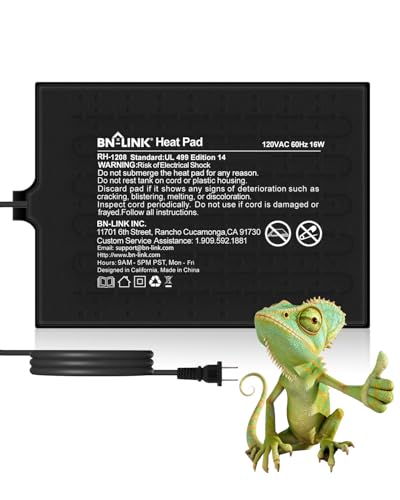
Under-Tank Heater (UTH)
Thin adhesive pad that attaches to the outside bottom of the enclosure, warming substrate from below — exactly how sand boas thermoregulate in the wild. The gold standard for Kenyan sand boa heating.

Heat Tape
Flexible heating element sold by the roll that you cut to size. More economical per square foot than individual UTHs and runs at lower wattage, making it easier to regulate.
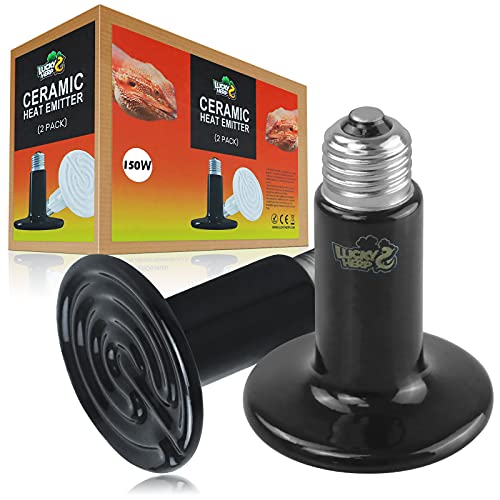
Ceramic Heat Emitter (CHE)
Bulb-shaped element that produces heat but no visible light, screwing into a standard fixture. Useful for boosting ambient air temperature but not a replacement for belly heat.
Frequently Asked Questions
An under-tank heater (UTH) paired with a proportional thermostat is the gold standard for Kenyan sand boas. These fossorial snakes thermoregulate primarily through belly heat, so heat from below is far more effective than overhead lighting or basking lamps. Size the UTH to cover about one-third of the enclosure floor on the warm side.
References & Sources
Related Articles

Best Kenyan Sand Boa Lighting: Complete Setup Guide
Discover the best Kenyan sand boa lighting setup — from UVB options to photoperiod schedules. Everything you need for a healthy, thriving sand boa.

Best Kenyan Sand Boa Food: Complete Feeding Guide
Find out the best Kenyan sand boa food, correct prey sizes, feeding schedules, and how to fix common feeding problems for a healthy, thriving snake.

Best Kenyan Sand Boa Substrate: Top Picks Compared
Find the best Kenyan sand boa substrate for healthy, active burrowers. Compare sand mixes, coco coir, and bioactive options with expert setup tips.