7 Best Feeder Insects for Bearded Dragons (2026 Ranked)
The best feeder insects for bearded dragons, ranked by protein, Ca:P ratio, and gut-loading value. Compare 7 top picks and build the right feeding rotation.


This article contains affiliate links. If you make a purchase through these links, we may earn a small commission at no extra cost to you. See our affiliate disclosure for details.
We recommend 7 picks here. Our top choice is the Dubia Roaches (Live Feeders) — check price and availability below.
How we choose: we compare published specifications against the care requirements in veterinary and species-care literature, and weigh those against what long-time keepers report. We do not test products ourselves and we do not restate Amazon star ratings. The 4 sources behind this article are listed at the bottom.
Quick Comparison
- Protein (dry weight)
- ~22%
- Fat (dry weight)
- ~7%
- Calcium:Phosphorus Ratio
- 1:3 (gut-load dependent)
- Moisture Content
- ~66%
- Requires Calcium Dusting
- Yes
- Best Life Stage
- All ages — staple
- Price Range
- $$
- Protein (dry weight)
- ~17%
- Fat (dry weight)
- ~9%
- Calcium:Phosphorus Ratio
- 1.5:1 (naturally favorable)
- Moisture Content
- ~61%
- Requires Calcium Dusting
- No (minimal)
- Best Life Stage
- All ages — rotation
- Price Range
- $$
- Protein (dry weight)
- ~21%
- Fat (dry weight)
- ~6%
- Calcium:Phosphorus Ratio
- 1:9 (requires dusting)
- Moisture Content
- ~74%
- Requires Calcium Dusting
- Yes — every feeding
- Best Life Stage
- All ages — backup
- Price Range
- $
- Protein (dry weight)
- ~9%
- Fat (dry weight)
- ~3%
- Calcium:Phosphorus Ratio
- ~1:3 (high moisture feeder)
- Moisture Content
- ~85%
- Requires Calcium Dusting
- Yes
- Best Life Stage
- All ages — occasional treat
- Price Range
- $$$
- Protein (dry weight)
- ~64%
- Fat (dry weight)
- ~10%
- Calcium:Phosphorus Ratio
- ~1:2 (very low fat)
- Moisture Content
- ~76%
- Requires Calcium Dusting
- Yes
- Best Life Stage
- All ages — rotation
- Price Range
- $$$
- Protein (dry weight)
- ~22%
- Fat (dry weight)
- ~7%
- Calcium:Phosphorus Ratio
- 1:3 (similar to dubia)
- Moisture Content
- ~66%
- Requires Calcium Dusting
- Yes
- Best Life Stage
- All ages — FL/HI staple
- Price Range
- $$
- Protein (dry weight)
- ~19%
- Fat (dry weight)
- ~18%
- Calcium:Phosphorus Ratio
- ~1:4 (high fat treat)
- Moisture Content
- ~58%
- Requires Calcium Dusting
- Yes
- Best Life Stage
- Adults only — rare treat
- Price Range
- $
Prices are estimates only. Actual prices on Amazon may vary.
The feeder insect you choose is not just a protein source — it is the primary vehicle for calcium, hydration, fat, and micronutrients for the first 12–18 months of a bearded dragon's life, and a critical dietary component for adults. Pick the wrong insect (or manage the right one incorrectly), and metabolic bone disease, obesity, or nutritional deficiency follows within months.
This guide focuses exclusively on feeder insects — a level of detail that our broader best bearded dragon food roundup does not cover. You will get actual protein, fat, and calcium-to-phosphorus data for each insect, a gut-loading protocol, a rotation schedule by life stage, and a clear list of insects your dragon should never eat.
Why Insects Matter (and How Much)
Bearded dragons are true omnivores, but the insect-to-vegetable ratio changes dramatically between life stages:
- Juveniles (0–12 months): 70–80% insects, fed 2–3x daily. Rapid skeletal growth demands high protein — hatchlings can grow from 4 inches to 14+ inches in their first year.
- Sub-adults (12–18 months): 50% insects, fed 1–2x daily. Transition phase — protein demand begins to drop.
- Adults (18+ months): 20% insects, offered every other day. The diet inverts: greens and vegetables take over as the primary macronutrient source. Feeding adults like juveniles causes fatty liver disease.
Insects are also where calcium supplementation matters most. Most feeder insects have an unfavorable calcium-to-phosphorus (Ca:P) ratio — often 1:3 to 1:9 — meaning they actively draw calcium from your dragon's skeleton unless dusted with calcium powder before feeding. Only black soldier fly larvae have a naturally favorable Ca:P ratio (approximately 1.5:1) that contributes calcium rather than depleting it.
For the full dietary breakdown including greens, supplements, and feeding schedules, see our best bearded dragon food guide.
Feeding Ratios by Life Stage
Juveniles (0–12 mo)
70–80% insects
Fed 2–3x daily
Sub-adults (12–18 mo)
50% insects
Fed 1–2x daily
Adults (18+ mo)
20% insects
Fed every other day
Top Insects: Nutrition Snapshot
Dubia Roaches
22% protein, Ca:P 1:3
Best staple
BSFL
17% protein, Ca:P 1.5:1
Best calcium
Silkworms
64% protein, Ca:P ~1:2
Highest protein
Crickets
21% protein, Ca:P 1:9
Most available
Detailed Reviews
1. Dubia Roaches (Live Feeders)
Best Staple Insect
Dubia Roaches (Live Feeders)
Pros
- •~22% protein, superior fat-to-protein ratio vs. crickets
- •No smell, no noise — dramatically easier to maintain than crickets
- •Cannot climb smooth surfaces — zero escape risk in standard containers
- •Excellent gut-load retention — nutritional investment carries over reliably
- •Long lifespan — colonies are easy and cost-effective to maintain
Cons
- •Illegal in Florida and Hawaii — residents must use alternatives
- •Must be ordered online — not available in most physical pet stores
- •Some dragons show initial hesitation when switching from crickets (novelty effect passes within a week)
Bottom Line
Dubia roaches (*Blaptica dubia*) are the gold-standard staple feeder insect for bearded dragons. They deliver approximately 22% protein by dry weight, have a favorable fat-to-protein ratio compared to crickets, hold gut-load nutrients for longer than any other commonly available feeder, and are almost impossible to escape from a smooth-sided container. There is no chirping, minimal odor, and virtually no maintenance burden beyond keeping them alive in a ventilated bin at 85–90°F (29–32°C) with fresh food and moisture. For keepers outside Florida and Hawaii (where dubias are legally restricted), they should be the primary feeder insect for both juvenile and adult bearded dragons. Their Ca:P ratio of roughly 1:3 is not ideal on its own, so calcium dusting remains necessary — but the overall nutritional profile surpasses crickets and most other common feeders by a significant margin.
2. Black Soldier Fly Larvae (Nutrigrubs / Calciworms / Phoenix Worms)
Best for Calcium
Black Soldier Fly Larvae (Nutrigrubs / Calciworms / Phoenix Worms)
Pros
- •Natural Ca:P ratio of ~1.5:1 — a true net calcium source without dusting
- •Soft body — ideal for hatchlings and dragons recovering from illness
- •High palatability — rarely refused on first introduction
- •Lauric acid content supports immune health
- •Long shelf life at room temperature — require no specialized housing
Cons
- •Lower protein (~17%) than dubias — should not be used as the only feeder
- •Pupate quickly at warm room temperatures — use within 1–2 weeks of delivery
- •Cost per calorie is higher than crickets or superworms
Bottom Line
Black soldier fly larvae (BSFL), sold commercially as Nutrigrubs, Calciworms, or Phoenix Worms, are the only common feeder insect with a naturally favorable calcium-to-phosphorus ratio — approximately 1.5:1. Every other popular feeder requires calcium supplementation to correct an unfavorable Ca:P balance; BSFL provides a net calcium benefit on its own. This makes them uniquely valuable in every feeding rotation, particularly for rapidly growing juveniles and adult females during breeding season. They contain roughly 17% protein and 9% fat, and their soft, wriggling bodies are accepted enthusiastically by almost every bearded dragon on first offer. They also contain lauric acid (a medium-chain fatty acid with documented antimicrobial properties), which provides an immune-system benefit beyond simple macro nutrition. One caution: BSFL should supplement a higher-protein staple like dubias rather than replace them entirely, since 17% protein is on the lower end for a primary feeder.
3. Crickets (Acheta domesticus)
Most Available
Crickets (Acheta domesticus)
Pros
- •Available at virtually every pet store — best emergency or backup option
- •Lowest cost per feeder insect of any option reviewed
- •High movement triggers strong prey drive and feeding response
- •Accepted by essentially all bearded dragons without hesitation
Cons
- •Ca:P ratio of ~1:9 — requires calcium dusting at every single feeding without exception
- •Strong ammonia odor — requires a dedicated ventilated cricket keeper
- •Escape readily — a single gap means a house full of crickets
- •Die within 1–2 weeks if not carefully maintained and fed
- •Loud chirping — unsuitable for bedrooms and light sleepers
Bottom Line
Crickets have been the default feeder insect for bearded dragons for decades, and their primary advantage remains what it has always been: availability. You can walk into almost any pet store in North America and leave with a bag of crickets in five minutes. Their nutritional profile, however, is a significant step down from dubias. The calcium-to-phosphorus ratio of roughly 1:9 means that every undusted cricket actively pulls calcium out of your dragon's skeletal system. They also require careful maintenance — crickets die quickly, smell strongly, escape reliably through any gap in their enclosure, and chirp continuously. Despite all of this, crickets remain a perfectly workable feeder when managed correctly: gut-load for a minimum of 24 hours before feeding, dust with calcium powder at every single feeding without exception, and remove uneaten crickets from the enclosure within 30 minutes. For keepers in Florida or Hawaii who cannot legally keep dubias, well-managed crickets are the most practical staple alternative.
4. Hornworms (Tobacco Hornworm / Manduca sexta)
Best Hydration Treat
Hornworms (Tobacco Hornworm / Manduca sexta)
Pros
- •~85% moisture — best hydration feeder insect available
- •Minimal fat (~3%) — low-calorie treat option for adult dragons
- •Vivid movement triggers prey drive — excellent for stimulating appetite
- •Soft body — easy for dragons of all sizes to consume
- •Virtually no odor and very easy to contain
Cons
- •Low protein (~9%) — not a nutritional staple, treats only
- •Grow extremely fast — must be used within days or refrigerated
- •High cost per feeder relative to nutritional value
- •Only available online from specialty suppliers in most regions
Bottom Line
Hornworms (*Manduca sexta*) are the best hydration feeder insect available for bearded dragons. At approximately 85% moisture content, they are among the most water-dense live feeders you can offer — a significant benefit for dragons that resist drinking from standing water or for animals recovering from dehydration or illness. Their protein content is comparatively low at around 9%, and their fat content is minimal at about 3%, making them a light, easily digestible treat rather than a caloric staple. Hornworms grow rapidly after arrival (from roughly 1 inch to over 3–4 inches within 1–2 weeks at room temperature), so they need to be used quickly or refrigerated to slow growth. The vivid green color and large size trigger an exceptionally strong prey response in most bearded dragons, making them invaluable for re-stimulating the appetite of sick or finicky animals. Use them as an occasional treat — once or twice weekly alongside staple feeders — rather than as a primary food source.
5. Silkworms (Bombyx mori)
Best Nutrition Profile
Silkworms (Bombyx mori)
Pros
- •~64% protein by dry weight — highest protein content of any common feeder
- •Low fat — excellent for dragons prone to obesity or on restricted diets
- •Soft, easily digestible body — safe for hatchlings and sick animals
- •No offensive odor and completely contained — no escape risk
- •Sericin protein may provide additional anti-inflammatory benefits
Cons
- •Highest cost per feeder of any insect reviewed
- •Require mulberry leaves or silkworm chow — cannot be maintained without specialized food
- •Limited shelf life — must be used within days to a week of arrival
- •Availability is inconsistent — specialty order only
Bottom Line
Silkworms (*Bombyx mori*) have the highest protein content of any commonly available feeder insect — approximately 64% by dry weight — combined with low fat and a soft, easily digestible body that makes them suitable for dragons of all ages, including hatchlings and recovering animals. Unlike some high-protein feeders, silkworms do not carry excessive fat, which makes them a premium rotation feeder for keepers who want to maximize nutrition without contributing to obesity. They also produce sericin (a protein from their silk), which has been noted in some nutritional research for its anti-inflammatory properties — though the practical significance in bearded dragon feeding is unclear. The primary drawbacks are cost and availability: silkworms are more expensive than any other feeder reviewed here, they require a specific diet (mulberry leaves or commercially produced silkworm chow), and they cannot be maintained without that food source. They are best purchased in small batches as needed and used within one week.
6. Discoid Roaches (Blaberus discoidalis)
Best for Florida/Hawaii
Discoid Roaches (Blaberus discoidalis)
Pros
- •Legal in all US states including Florida and Hawaii
- •Nutritional profile nearly identical to dubia roaches (~22% protein)
- •More active movement than dubias — triggers stronger prey response
- •Suitable for home colony breeding — reproduce reliably in captivity
- •Long lifespan — colonies are cost-effective over time
Cons
- •Faster movement makes containment slightly more challenging than dubias
- •Defensive secretion occasionally causes initial aversion in some dragons
- •Less widely available than dubias — primarily specialty online suppliers
- •Some dragons habituate slowly if switched from dubias
Bottom Line
Discoid roaches (*Blaberus discoidalis*) are the legal alternative to dubia roaches for bearded dragon keepers in Florida and Hawaii, where dubias are classified as an invasive species and prohibited. Their nutritional profile is nearly identical to dubias — approximately 22% protein, 7% fat, and comparable Ca:P ratio — making them a true like-for-like substitute rather than a compromise. The key difference is behavioral: discoid roaches are a faster-moving, more active feeder, which some dragons find more stimulating but which also makes them slightly harder to contain. They can also produce a defensive secretion when stressed that a small number of dragons find off-putting on first introduction. For keepers outside of Florida and Hawaii, dubias are still the recommended primary feeder due to wider availability, but discoid roaches are an excellent choice for anyone seeking to maintain a home colony regardless of state restrictions.
7. Superworms (Zophobas morio)
Best Adult Treat
Superworms (Zophobas morio)
Pros
- •High palatability — accepted eagerly by essentially all adult dragons
- •Low cost and widely available online and in pet stores
- •Can be maintained for months in dry substrate without feeding
- •Useful as hand-taming incentive due to high prey-drive trigger
Cons
- •~18% fat — highest fat content of any feeder reviewed, treat only
- •Not suitable for juveniles — tough chitin poses impaction risk
- •Regular feeding contributes to obesity and fatty liver disease in adults
- •Bite if cornered — should be fed with tongs, not loose in the enclosure
Bottom Line
Superworms (*Zophobas morio*) are high-fat beetle larvae with strong palatability — most bearded dragons accept them enthusiastically — but their nutritional profile limits them to the role of a treat feeder rather than a staple. At approximately 19% protein and 18% fat, their fat content is more than double that of dubia roaches. Regular superworm feeding in adult dragons contributes to fatty liver disease, obesity, and weight management problems. The size is also a consideration: superworms are only appropriate for adult bearded dragons (18+ months) because their tough chitin exoskeleton poses an impaction risk for juveniles. Limit superworms to 3–5 per feeding session, no more than once or twice per week, as a variety treat or behavioral enrichment item alongside a primary staple of dubias. Their high palatability does make them useful as a target food for hand-taming reluctant animals.
Feeder Insect Nutrition Comparison
| Insect | Protein (dry wt.) | Fat (dry wt.) | Ca:P Ratio | Moisture | Best Use |
|---|---|---|---|---|---|
| Dubia Roach | ~22% | ~7% | 1:3 | ~66% | Staple |
| BSFL | ~17% | ~9% | 1.5:1 | ~61% | Rotation |
| Cricket | ~21% | ~6% | 1:9 | ~74% | Backup |
| Hornworm | ~9% | ~3% | ~1:3 | ~85% | Treat |
| Silkworm | ~64% | ~10% | ~1:2 | ~76% | Rotation |
| Discoid Roach | ~22% | ~7% | ~1:3 | ~66% | FL/HI Staple |
| Superworm | ~19% | ~18% | ~1:4 | ~58% | Adult Treat |
Data sourced from ReptiFiles Feeder Insect Nutrition Chart and Dubia Roaches Feeder Guide.
Our Top 7 Ranked Feeder Insects
1. Dubia Roaches — Best Staple Insect
Dubia roaches are the optimal primary feeder for bearded dragons in the vast majority of the United States. No other widely available feeder insect matches their combination of protein quality, gut-load retention, ease of maintenance, and keeper practicality.
Size them correctly: the insect should be no wider than the space between your dragon's eyes. For hatchlings, that means small ¼-inch dubias. For adult dragons, medium or large dubias up to 1 inch. Always offer in a smooth-sided bowl they cannot escape from, or hand-feed with tongs.
Gut-load for 24 hours before feeding: fresh collard greens, dandelion greens, sweet potato, and squash are ideal. Avoid citrus, avocado, and high-oxalate foods in the gut-load — what goes into the insect goes into your dragon.
Calcium dust every feeding for juveniles. Adults: dust 3–4x per week.
2. Black Soldier Fly Larvae — Best for Calcium
BSFL should be in every bearded dragon feeding rotation, period. The naturally favorable Ca:P ratio of 1.5:1 is not replicated by any other common feeder insect. Offer 5–10 per feeding session as a calcium-boosting accompaniment to your primary staple.
For hatchlings transitioning from pinhead crickets, the small size and soft body of BSFL make them an ideal bridge feeder. For adult females during breeding season — when calcium demand spikes dramatically to support egg production — rotating BSFL in 2–3x per week is an effective way to maintain calcium balance without over-relying on supplements.
Store in a cool location (60–65°F / 15–18°C) to slow pupation. At room temperature they will transform into flies within 1–2 weeks.
3. Crickets — Most Available
Crickets remain the feeder of last resort for good reason. Their availability is unbeatable, but their management overhead is high and their nutritional shortcomings require consistent correction. The 1:9 Ca:P ratio is the critical number: it means that feeding undusted crickets is actively harmful to your dragon's skeletal system. Never skip dusting with crickets — not even once.
If you maintain a cricket colony at home, 100-count tubs kept in a ventilated bin at 75–80°F (24–27°C) with egg cartons for hiding and fresh produce for hydration will survive long enough to be useful. Remove dead crickets daily — they decompose quickly and can cause the whole tub to die off.
4. Hornworms — Best Hydration Treat
No feeder insect delivers hydration as effectively as hornworms. Their 85% moisture content makes them the tool of choice when your dragon is showing early signs of dehydration — sunken eyes, wrinkled skin folds, concentrated urates — or when you need to supplement water intake in a dragon that refuses to drink from a bowl.
Purchase in small quantities and use within 4–5 days at room temperature. Alternatively, refrigerate at 50°F (10°C) to pause growth for up to one week. Offer a maximum of 2–3 at a time; the high moisture content means they are very low in caloric density.
5. Silkworms — Best Nutrition Profile
Silkworms are the most nutritionally impressive feeder insect on this list — 64% protein by dry weight is remarkable — but their practical limitations make them a premium rotation item rather than a daily staple. Source them from a reputable reptile supplier and use within 5–7 days of delivery. Feed them mulberry leaves or packaged silkworm chow during their holding period; they will not survive on anything else.
For keepers managing hatchlings with very specific protein requirements, or females recovering from egg production, silkworms are an outstanding short-term nutrition booster. They work especially well when combined with BSFL in the same rotation: the protein density of silkworms plus the calcium advantage of BSFL creates a nutritionally excellent combination.
6. Discoid Roaches — Best for Florida/Hawaii
If you live in Florida or Hawaii and have been relying on crickets as your primary feeder because dubias are illegal, discoid roaches are the solution. The nutritional profiles of discoid and dubia roaches are functionally identical, and discoid roaches are legal in every US state including Florida and Hawaii.
Some dragons show initial hesitation when first introduced to discoid roaches, particularly if they have been raised on crickets. Wiggle one in front of the dragon's face with tongs, or place 3–4 in a shallow feeding dish and allow the dragon to hunt naturally. Most dragons accept discoid roaches within 3–5 feeding sessions.
7. Superworms — Best Adult Treat
Superworms are the french fry of the feeder insect world: high palatability, questionable nutrition, easily overdone. The 18% fat content makes them inappropriate as a regular feeder for adult dragons and entirely unsuitable for juveniles (whose digestive systems are not well equipped for the tough chitin exoskeleton). Reserve superworms for adults, limit them to 3–5 per session, and offer them no more than once or twice per week.
Their value comes from the extremely strong prey drive they trigger — almost no bearded dragon can resist a large, wriggling superworm. This makes them ideal as a hand-taming tool, as a high-value reward during socialization sessions, or for restarting the appetite of a dragon in a pre-brumation feeding slump.
Do not offer superworms freely in the enclosure. They can and will bite a sleeping dragon. Always use tongs or a feeding dish.
Gut-Loading Protocol
Gut-loading is the single highest-leverage action you can take to improve feeder insect nutrition. Feeder insects purchased from suppliers are typically kept on low-quality grain-based diets — their nutritional content at purchase time is a fraction of what it should be. Loading them with nutrient-dense food for 24 hours before feeding transforms them from a mediocre protein source to a highly nutritious one.
Ideal gut-load foods:
- Collard greens, mustard greens, dandelion greens
- Sweet potato, butternut squash, carrots
- Bee pollen (add a pinch to the gut-load food for extra micronutrients)
- Commercial gut-load product (see our best insect gut load guide for top picks)
Avoid in gut-load:
- Citrus fruits (too acidic)
- Spinach and oxalate-heavy greens (the oxalates pass through to your dragon)
- Avocado (toxic to many insects and to bearded dragons)
- Cat food or dog food (high fat, wrong fat profile)
For crickets and dubias, 24 hours of gut-loading is the minimum. 48 hours produces a meaningfully better result. BSFL and silkworms sold by reputable suppliers are typically already well-loaded and can be fed within a few hours of arrival.
Feeder Rotation Schedule by Age
| Life Stage | Primary Feeder | Rotation Feeders | Treats | Feeding Frequency |
|---|---|---|---|---|
| 0–6 months | Dubias (small) or crickets | BSFL, silkworms | Hornworms (rarely) | 2–3x daily |
| 6–12 months | Dubias (medium) | BSFL, silkworms | Hornworms (1–2x/week) | 2x daily |
| 12–18 months | Dubias | BSFL, crickets | Hornworms, silkworms | 1–2x daily |
| 18+ months | Dubias (every other day) | BSFL, discoid roaches | Superworms (max 5, 1–2x/week), hornworms | Every other day |
A well-managed adult bearded dragon feeding rotation might look like this: Monday (dubias + BSFL), Wednesday (dubias), Friday (dubias + BSFL), Sunday (dubias + 2 hornworms). This gives your dragon variety, consistent protein, and regular calcium loading without overloading on fat or reducing dietary interest.
Insects You Should Never Feed
Some insects are not just nutritionally poor — they are actively dangerous or lethal.
Fireflies (lightning bugs): Fireflies contain lucibufagin, a cardiotoxic compound that causes rapid cardiac arrest in lizards. A single firefly can kill an adult bearded dragon within hours. Never offer fireflies or any bioluminescent insect under any circumstances.
Wild-caught insects from your yard or garden: Wild-caught insects carry two layered risks. First, they may have been exposed to pesticides, herbicides, or lawn treatments. Second, they may be carriers of internal parasites that are not present in captive-raised feeder colonies. Never collect crickets, grasshoppers, or other insects from outside to feed your dragon.
Mealworms (as a staple): Mealworms (Tenebrio molitor) have an extremely poor Ca:P ratio (approximately 1:25), a thick chitin shell that poses impaction risk in juveniles, and low protein content relative to their fat content. They are not dangerous in the way fireflies are, but they should not be a meaningful part of a bearded dragon's diet. See our best worms for bearded dragons guide for a comparison of worm feeders if you want to include worms in your rotation.
Avocado-fed insects: Any insects that have been fed avocado in their gut-load period should not be offered. Avocado contains persin, which is toxic to many reptiles. The toxin can be transmitted through the insect's gut contents.
Colony Breeding: Is It Worth It?
For keepers with three or more bearded dragons, or for anyone who feeds multiple reptiles, breeding a home dubia or discoid roach colony is one of the highest-value investments in the hobby.
Basic dubia colony setup:
- 20-gallon plastic tote with ventilated lid
- Temperature: 85–90°F (29–32°C) — a heat mat under one side works well
- Egg cartons stacked vertically for surface area and hiding spots
- Gut-load rotation: fresh greens 2–3x per week, commercial dry food available at all times
- Starting colony: 100 females + 20–30 males produces a self-sustaining supply within 3–4 months
Dubia roaches produce live young (ootheca carried internally) every 60–70 days at breeding temperatures. A well-managed colony of 500 adults will produce several hundred small nymphs per month — enough to supply 1–2 adult bearded dragons without any ongoing purchase costs.
Final Recommendations
Building the ideal feeder insect rotation is straightforward once you understand what each insect brings to the table:
- Primary staple: Dubia roaches (or discoid roaches for FL/HI keepers)
- Calcium rotation: Black soldier fly larvae — 2–3x per week alongside dubias
- Backup: Crickets (with rigorous gut-loading and calcium dusting) when dubias are unavailable
- Hydration treat: Hornworms for water supplementation and appetite stimulation
- Protein boost: Silkworms for hatchlings and breeding females
- Adult treat: Superworms for hand-taming and appetite stimulation in adults — strictly limited
Consistency matters more than perfection. A dragon fed well-gut-loaded, calcium-dusted dubias five days per week will outperform one that gets a theoretically optimal but inconsistently managed diet every time. Set up a rotation you can actually maintain, and your dragon will reflect it in their health, color, and energy.
For supplements to pair with your feeder rotation, see our best bearded dragon food guide. For worm-specific comparisons, see our best worms for bearded dragons. For the gut-load products that make this all work, see best insect gut load.
Our Final Verdict
Dubia Roaches (Live Feeders)
Dubia roaches (*Blaptica dubia*) are the gold-standard staple feeder insect for bearded dragons. They deliver approximately 22% protein by dry weight, have a favorable fat-to-protein ratio compared to crickets, hold gut-load nutrients for longer than any other commonly available feeder, and are almost impossible to escape from a smooth-sided container. There is no chirping, minimal odor, and virtually no maintenance burden beyond keeping them alive in a ventilated bin at 85–90°F (29–32°C) with fresh food and moisture. For keepers outside Florida and Hawaii (where dubias are legally restricted), they should be the primary feeder insect for both juvenile and adult bearded dragons. Their Ca:P ratio of roughly 1:3 is not ideal on its own, so calcium dusting remains necessary — but the overall nutritional profile surpasses crickets and most other common feeders by a significant margin.
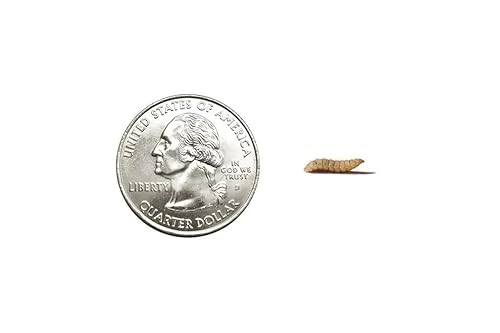
Black Soldier Fly Larvae (Nutrigrubs / Calciworms / Phoenix Worms)
Black soldier fly larvae (BSFL), sold commercially as Nutrigrubs, Calciworms, or Phoenix Worms, are the only common feeder insect with a naturally favorable calcium-to-phosphorus ratio — approximately 1.5:1. Every other popular feeder requires calcium supplementation to correct an unfavorable Ca:P balance; BSFL provides a net calcium benefit on its own. This makes them uniquely valuable in every feeding rotation, particularly for rapidly growing juveniles and adult females during breeding season. They contain roughly 17% protein and 9% fat, and their soft, wriggling bodies are accepted enthusiastically by almost every bearded dragon on first offer. They also contain lauric acid (a medium-chain fatty acid with documented antimicrobial properties), which provides an immune-system benefit beyond simple macro nutrition. One caution: BSFL should supplement a higher-protein staple like dubias rather than replace them entirely, since 17% protein is on the lower end for a primary feeder.

Crickets (Acheta domesticus)
Crickets have been the default feeder insect for bearded dragons for decades, and their primary advantage remains what it has always been: availability. You can walk into almost any pet store in North America and leave with a bag of crickets in five minutes. Their nutritional profile, however, is a significant step down from dubias. The calcium-to-phosphorus ratio of roughly 1:9 means that every undusted cricket actively pulls calcium out of your dragon's skeletal system. They also require careful maintenance — crickets die quickly, smell strongly, escape reliably through any gap in their enclosure, and chirp continuously. Despite all of this, crickets remain a perfectly workable feeder when managed correctly: gut-load for a minimum of 24 hours before feeding, dust with calcium powder at every single feeding without exception, and remove uneaten crickets from the enclosure within 30 minutes. For keepers in Florida or Hawaii who cannot legally keep dubias, well-managed crickets are the most practical staple alternative.
Frequently Asked Questions
Dubia roaches are the best all-around feeder insect for bearded dragons. They deliver approximately 22% protein by dry weight, have a far superior fat-to-protein ratio compared to crickets, cannot escape smooth containers, produce no smell or noise, and hold gut-load nutrients longer than any other common feeder. For Florida and Hawaii residents where dubias are illegal, discoid roaches have an essentially identical nutritional profile and are legal in all 50 states. Pair dubias or discoids with black soldier fly larvae as a rotation feeder to cover calcium without over-relying on supplementation.
References & Sources
Related Articles

Finding the Best Place to Buy Feeder Insects Online: Your Ultimate Guide
Discover the top online retailers for feeder insects to ensure your reptile pets get fresh, nutritious meals. Our guide covers crickets, mealworms, roaches, and more, helping you find reliable sources with great prices and shipping.

Best Feeder Insects for Reptiles: Dubia Roaches & More
Discover the best feeder insects for reptiles, including Dubia roaches, crickets, and BSFL. We compare nutrition and gut-loading to help you choose.

Best Insects for Crested Geckos: 6 Feeder Options Ranked (2026)
CGD alone is not enough. Crested geckos need live insects 1-2x per week — here are the 6 best feeder options ranked by protein, calcium, and practicality.