Best Ball Python Humidity: A Complete Guide
Struggling to find the best ball python humidity? Our expert guide demystifies ideal levels, setup, and maintenance for a healthy, thriving snake. Get it right!


This article contains affiliate links. If you make a purchase through these links, we may earn a small commission at no extra cost to you. See our affiliate disclosure for details.
We recommend 5 picks here. Our top choice is the Digital Hygrometer/Thermometer Combo (Govee) — check price and availability below.
How we choose: we compare published specifications against the care requirements in veterinary and species-care literature, and weigh those against what long-time keepers report. We do not test products ourselves and we do not restate Amazon star ratings. The 6 sources behind this article are listed at the bottom.
Quick Comparison
- Product Category
- Measurement Equipment
- Primary Function
- Monitor humidity levels
- Ideal Humidity Level Achieved
- Measures 55-65%
- Mold Resistance
- N/A
- Best Used With
- All enclosures
- Price Range
- $$
- Product Category
- Substrate
- Primary Function
- Retain and maintain humidity
- Ideal Humidity Level Achieved
- Maintains 55-65%
- Mold Resistance
- Naturally resistant
- Best Used With
- Proper ventilation control
- Price Range
- $
- Product Category
- Substrate
- Primary Function
- Retain and maintain humidity
- Ideal Humidity Level Achieved
- Maintains 55-65%
- Mold Resistance
- Moderate
- Best Used With
- Proper ventilation control
- Price Range
- $
- Product Category
- Substrate Additive
- Primary Function
- Boost humidity during sheds
- Ideal Humidity Level Achieved
- Spike to 70-80%
- Mold Resistance
- Requires monitoring
- Best Used With
- Primary substrate base
- Price Range
- $
- Product Category
- Equipment
- Primary Function
- Automate moisture delivery
- Ideal Humidity Level Achieved
- Maintains 55-65%
- Mold Resistance
- Risk if overused
- Best Used With
- Good substrate + ventilation
- Price Range
- $$
Prices are estimates only. Actual prices on Amazon may vary.
Getting the environment right for your ball python is the most important part of reptile keeping. While temperature often gets the spotlight, humidity is just as critical for your snake's health. Think of it as the invisible force that ensures they can breathe easily, shed their skin perfectly, and stay hydrated.
But what is the best ball python humidity? If you've spent any time on forums, you've probably seen a dozen different answers. It can be confusing! That's why we've created this definitive guide. We'll cut through the noise and give you the practical, science-backed information you need to create the perfect moisture balance for your pet.
From ideal percentages to the best substrates and tools, you'll learn everything you need to know to manage your terrarium's humidity like a pro. Your ball python will thank you for it.
Why Humidity is Crucial for Ball Pythons
Ball pythons (Python regius) come from the warm, tropical regions of Central and West Africa. They spend a lot of their time in burrows or termite mounds where the air is consistently moist, even during the dry season. Replicating this environment is not just a suggestion; it's essential for their well-being.
Proper humidity plays three key roles:
-
Respiratory Health: Like us, snakes have a mucous membrane lining their respiratory tract. When the air is too dry, this lining can dry out, making them vulnerable to respiratory infections (RIs). An RI is a serious and potentially fatal condition, so maintaining proper humidity is your first line of defense.
-
Healthy Shedding (Ecdysis): Your snake needs a layer of moisture between its old and new skin to shed successfully. Without enough humidity, the old skin becomes dry and brittle, leading to a difficult, patchy shed (dysecdysis). This can result in retained eye caps, tail constrictions, and a lot of stress for your snake.
-
Hydration: While they get most of their water from their water bowl, ball pythons can also lose moisture to the air through a process called transcutaneous water loss. Proper humidity helps reduce this loss, keeping them well-hydrated.
Why Humidity Matters for Ball Pythons
What you need to know
Prevents respiratory infections by keeping mucous membranes moist and healthy
Enables healthy shedding—snakes need moisture between old and new skin to avoid dysecdysis
Reduces transcutaneous water loss and maintains proper hydration
Ball Python Humidity Target Ranges
Ideal Ambient Humidity
55–65%
Primary target range for daily maintenance
Shed Cycle Spike
70–80%
Provide temporary increase when eyes turn cloudy/blue
Low Humidity Risk Zone
Below 50%
Risk of respiratory infections, dysecdysis, dehydration
High Humidity Risk Zone
Above 85%
Risk of scale rot, mold, and mildew in wet environments
Hygrometer Types: Which Should You Buy?
Side-by-side comparison
| Feature | Digital Hygrometer | Analog Dial Hygrometer |
|---|---|---|
| Accuracy | ★Reliable and consistent readings | Notoriously inaccurate |
| Durability | ★Long-lasting performance | Prone to failure |
| Modern Features | ★Many have Bluetooth for phone monitoring | Basic dial only |
| Enclosure Visibility | ★Clear digital display | Stick-on dial (often obscured) |
Our Take: Always use a digital hygrometer/thermometer combo—analog dials are unreliable for managing humidity.
Humidity Management Setup Essentials
Everything you need to get started
Detailed Reviews
1. Digital Hygrometer/Thermometer Combo (Govee)
Best Overall
Digital Hygrometer/Thermometer Combo (Govee)
Pros
- •Accurate digital readings
- •Bluetooth models allow remote monitoring via phone
- •One of the most important investments for humidity control
- •Modern versions widely available
Cons
- •More expensive than analog options
Bottom Line
Essential tool for accurate humidity monitoring. Govee models feature Bluetooth connectivity for phone monitoring, making real-time tracking simple and reliable for maintaining proper enclosure conditions.
2. Zoo Med's Forest Floor (Cypress Mulch)
Best Value
Zoo Med's Forest Floor (Cypress Mulch)
Pros
- •Naturally mold-resistant
- •Holds humidity very well
- •Popular and reliable choice
- •Suitable for 3-4 inch deep layers
Bottom Line
A top-tier substrate choice for ball pythons that naturally resists mold while holding moisture exceptionally well. Creates the moisture reservoir needed to maintain stable humidity levels.
3. Eco Earth (Coconut Husk/Fiber)
Best Value
Eco Earth (Coconut Husk/Fiber)
Pros
- •Sold in convenient compressed brick form
- •Highly absorbent
- •Great for burrowing behavior
- •Effective moisture retention
Bottom Line
Compressed coconut fiber substrate that is highly absorbent and excellent for humidity retention. Allows snakes to burrow naturally while maintaining the moisture layer needed for healthy humidity levels.
4. Sphagnum Moss
Premium Pick
Sphagnum Moss
Pros
- •Can be mixed with primary substrate
- •Can create dedicated high-humidity hides
- •Provides moisture boost during shed cycles
- •Allows flexible placement for microenvironments
Cons
- •Should not be used as only humidity source
- •Risk of overhumidity if used excessively
Bottom Line
A humidity supercharger that can be mixed into primary substrate or used in dedicated humidity hides. Provides concentrated moisture spikes, especially valuable during shedding cycles.
5. Reptile Fogger (Automatic Misting System)
Best for Dry Climates
Reptile Fogger (Automatic Misting System)
Pros
- •Provides consistent moisture automation
- •Reduces manual misting labor
- •Helpful for very dry climates
- •Allows set-and-forget humidity management
Cons
- •Should not be primary humidity control method
- •Requires proper substrate and ventilation to work effectively
- •Constant misting can risk scale rot if used alone
Bottom Line
An automated system that provides consistent moisture without manual misting effort. Most useful in dry climates when combined with proper substrate and ventilation controls.
The Ideal Ball Python Humidity Range
Let's get straight to the numbers. According to herpetological experts and trusted sources like ReptiFiles, the ideal ambient humidity level for a ball python is between 55% and 65%.
It's also beneficial to provide occasional spikes of higher humidity, up to 70-80%, especially when you notice your snake is going into its shed cycle (their eyes will look cloudy or 'blue'). This mimics the natural fluctuations they would experience in the wild.
Maintaining this range is a constant balancing act. Too low is dangerous, but too high can also cause problems. A consistently soggy or wet environment can lead to scale rot, a nasty bacterial or fungal infection of the skin. It also encourages the growth of mold and mildew in the enclosure, which can cause its own set of respiratory issues. The goal is moist air, not a wet cage.
The Dangers of Low Humidity
Letting your enclosure's humidity drop below 50% for extended periods is a recipe for trouble. Here’s what can happen:
- Respiratory Infections (RIs): This is the biggest risk. You might notice wheezing, clicking sounds, open-mouth breathing, or mucus around the nostrils. RIs require a vet visit and antibiotics.
- Bad Sheds (Dysecdysis): The classic sign of low humidity. The skin will come off in small pieces instead of one complete shed. This can lead to retained eye caps (which can cause blindness) and bands of stuck shed that can cut off circulation to the tail tip.
- Dehydration: A chronically dehydrated snake will appear lethargic, have wrinkled skin, and may refuse to eat.
The Dangers of High Humidity
While less common if you have proper ventilation, excessively high humidity (constantly above 85%) with wet surfaces is also harmful:
- Scale Rot (Vesicular Dermatitis): This infection causes blisters and discoloration on the snake's belly scales. It thrives in damp, unsanitary conditions.
- Mold and Mildew: A constantly wet environment is a breeding ground for fungus and bacteria, which can cause respiratory distress and other health problems for you and your snake.
How to Measure Humidity Accurately
You can't manage what you don't measure. Guessing your humidity levels just won't work. You need a reliable tool to give you constant, accurate readings.
Digital vs. Analog Hygrometers
Skip the cheap, stick-on analog dial hygrometers that often come in pet store kits. They are notoriously inaccurate and prone to failure. You absolutely need a digital hygrometer.
A quality [digital hygrometer/thermometer combo](https://www.amazon.com/dp/B07GR65CNT?tag=krawlo-20 is one of the most important investments you'll make. Many modern versions, like those from Govee, even have Bluetooth, allowing you to monitor the enclosure's conditions from your phone.
Proper Placement
Where you place your hygrometer probe matters. Don't just stick it to the glass in a random spot. For the most accurate overview of your enclosure's conditions, you should have two:
- Warm Side: Place one probe about 2 inches above the substrate on the warm side.
- Cool Side: Place the second probe about 2 inches above the substrate on the cool side.
This setup tells you the humidity throughout the terrarium, ensuring there isn't a dangerously dry spot. The reading on the cool side will typically be slightly higher, and this is the primary number you should monitor to stay within that 55-65% range.
How to Increase and Maintain Humidity
Achieving the best ball python humidity is all about your setup. If you're constantly struggling to keep levels up, it's a sign that something fundamental in your enclosure needs to be adjusted. Here are the key factors, from most to least important.
1. Choose the Right Substrate
Your choice of substrate is the number one factor in maintaining humidity. Some materials are great at holding moisture, while others dry out almost instantly.
To maintain humidity, you'll need a thick layer of a suitable substrate, ideally 3-4 inches deep. This creates a reservoir of moisture. You can keep the top layer dry to the touch while the layers underneath remain damp. When you pour water into the corners of the enclosure, it gets absorbed by the lower layers and slowly evaporates, creating ambient humidity.
Here are the top substrate choices:
- Cypress Mulch: A fantastic option that is naturally mold-resistant and holds humidity very well. [Zoo Med's Forest Floor](https://www.amazon.com/dp/B0002AQDYA?tag=krawlo-20 is a popular and reliable brand.
- Coconut Husk/Fiber: Often sold as compressed bricks (like Eco Earth), coco fiber is another excellent choice. It’s absorbent and great for burrowing.
- Sphagnum Moss: This is a humidity supercharger. You can mix [sphagnum moss](https://www.amazon.com/dp/B0CL4L8M1V?tag=krawlo-20 in with your primary substrate or create a dedicated "humidity hide" packed with damp moss. This gives your snake a place to go for a blast of moisture, especially during shed.
For a more in-depth comparison, check out our complete guide on the best substrate for ball pythons.
2. Limit Ventilation (Especially on Glass Tanks)
Glass tanks with full mesh lids are designed for desert animals and are notoriously bad at holding humidity. The open screen allows all the moisture to escape.
If you have a glass tank, you'll need to cover 80-90% of the screen top. You can use a sheet of PVC, plexiglass, or even heavy-duty aluminum foil (HVAC tape is great for sealing the edges). This simple modification is often a complete game-changer for humidity control.
Enclosures made from PVC or other plastics are much better at maintaining stable humidity, as they have limited, well-placed vents instead of a wide-open top. If you're looking to buy a new cage, this is a major reason why many experienced keepers—including those at MorphMarket—recommend PVC enclosures.
3. Use a Large, Heavy Water Bowl
A large, heavy water bowl serves two purposes. It provides fresh water for drinking and soaking, and its large surface area contributes to ambient humidity through evaporation. Place the water bowl on the warm side of the enclosure to increase the evaporation rate, but check it daily to ensure it stays full and clean.
4. Mist When Necessary
Misting can be a useful tool, but it shouldn't be your primary method for humidity control. Constant misting creates wet surfaces, which can lead to scale rot. Think of misting as a way to give a temporary boost, not as a permanent solution.
If you do mist, focus on spraying the substrate to re-moisten it, rather than the walls of the enclosure or the snake itself. If you live in a very dry climate, an automatic misting system or a [reptile fogger](https://www.amazon.com/dp/B07VVNP7F3?tag=krawlo-20 can be a helpful tool to provide consistent moisture without manual effort. However, it should be used in conjunction with a good substrate and proper ventilation, not as a crutch for a poor setup.
Tying It All Together: A Healthy Snake is a Happy Snake
Mastering humidity might seem complex at first, but once you have the right setup, it becomes simple to maintain. It all boils down to a few key principles: a moisture-retaining substrate, appropriate ventilation, and accurate measurement.
By providing the right environment, you're not just preventing illness; you're allowing your ball python to thrive. You'll be rewarded with a healthy, active snake that has perfect, complete sheds every time. It's a sign of a well-cared-for animal and a testament to your excellent husbandry skills. Taking the time to get this right is one of the best things you can do for the long lifespan of your ball python.
Our Final Verdict
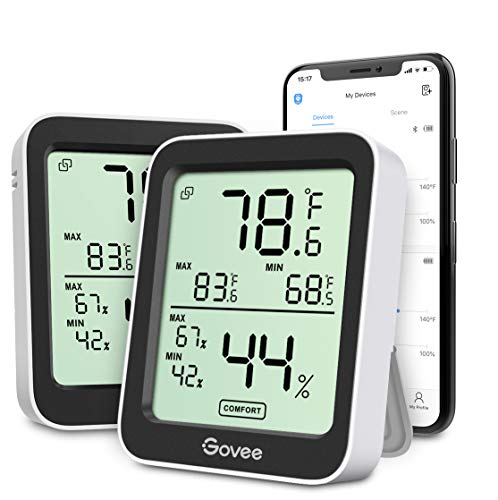
Digital Hygrometer/Thermometer Combo (Govee)
Essential tool for accurate humidity monitoring. Govee models feature Bluetooth connectivity for phone monitoring, making real-time tracking simple and reliable for maintaining proper enclosure conditions.

Zoo Med's Forest Floor (Cypress Mulch)
A top-tier substrate choice for ball pythons that naturally resists mold while holding moisture exceptionally well. Creates the moisture reservoir needed to maintain stable humidity levels.
Eco Earth (Coconut Husk/Fiber)
Compressed coconut fiber substrate that is highly absorbent and excellent for humidity retention. Allows snakes to burrow naturally while maintaining the moisture layer needed for healthy humidity levels.
Frequently Asked Questions
No, 40% humidity is too low for a ball python. Consistently low levels like this will lead to dehydration, respiratory infections, and incomplete sheds (dysecdysis). The recommended baseline is 55-65%.
References & Sources
- https://reptifiles.com/ball-python-care-guide/ball-python-humidity-temperatures/
- https://community.morphmarket.com/t/humidity-levels/40133
- https://www.petmd.com/reptile/ball-python-care-sheet
- https://community.morphmarket.com/t/ball-python-humidity/44631
- https://reptifiles.com/ball-python-care-guide/ball-python-terrarium-size-lighting/
- https://reptifiles.com/wp-content/uploads/2020/11/Ball-Python-Care-Sheet-PDF-1.pdf
Related Articles

6 Best Ball Python Substrates: Humidity, Safety & Bioactive Options (2026)
Choosing the right substrate is critical for ball python humidity. We researched 6 top options — from coconut fiber to cypress mulch — to find the best for your snake.

Best Ball Python Starter Kit: Essential Supplies Explained
Discover the essential supplies you need to create the perfect habitat for your new ball python. Learn what to look for in a starter kit and avoid common mistakes.

Best Ball Python Breeders: Top 5 in 2026
Discover the top 5 best ball python breeders in 2026, known for their quality, ethics, and community support. Perfect for beginners and experienced keepers alike.