
Tomato Frog Diet Guide: What to Feed & How Often
Complete tomato frog feeding guide: feeder insect rankings, weekly meal rotation, obesity prevention, gut-loading, supplements, and how much to feed at every life stage.

✓Recommended Gear
In this guide, we cover everything you need to know and recommend 7 essential products. Check prices and availability below.
TL;DR: Tomato frogs eat primarily live insects such as crickets, dubia roaches, and waxworms, with adults feeding every 2–3 days and juveniles daily. All feeder insects should be gut-loaded 24–48 hours before feeding and lightly dusted with calcium and vitamin D3 supplements. Avoid overfeeding — obesity is a common health issue in captive tomato frogs.
Tomato frogs (Dyscophus antongilii and D. guineti) are deceptively straightforward to feed — they will lunge at almost anything that moves and fits in their mouth. That enthusiasm is also their biggest health liability. Obesity is the #1 preventable health problem in captive tomato frogs, and it stems directly from overfeeding high-fat insects without structure.
This guide goes beyond "feed crickets every other day." You'll get a complete feeder insect nutrition comparison ranked specifically for ambush-feeding frogs, a 7-day weekly meal rotation schedule, life-stage feeding charts, and practical obesity prevention strategies backed by keeper data. For general husbandry including enclosure and temperature, see our tomato frog care guide.
How Tomato Frogs Eat in the Wild
Understanding wild feeding behavior is the foundation of a captive diet plan. In Madagascar, tomato frogs are nocturnal ambush predators. They sit motionless on the forest floor and wait for prey to wander within tongue range — insects, invertebrates, and occasionally small vertebrates.
Key behavioral facts that shape captive feeding:
- They don't chase prey. Static or slow-moving prey is ignored. Live prey triggers the strike response.
- They eat episodically, not daily. Rain and prey availability in Madagascar are seasonal and unpredictable.
- Their metabolism is slower than similarly-sized active frogs. A Pac-Man frog burns more energy than a tomato frog at the same temperature.
- Gorge-and-fast cycles are natural. Daily feeding mimics the abundance of a wet season indefinitely, leading to fat accumulation.
This last point is critical. Many keepers copy feeding schedules designed for more active frogs like tree frogs. Tomato frogs need a more conservative schedule.
Pro Tip: Watch your tomato frog from the side. A healthy specimen should look like a round tomato — not a deflated balloon, not so rotund it can't tuck its legs under itself. If you can see visible fat rolls behind the front legs, reduce feeding frequency immediately.
Feeder Insect Rankings: Nutrition Compared
Not all feeder insects are equal. Here's how the most common feeders stack up for an ambush predator with a slow metabolism:
| Feeder Insect | Protein (% DM) | Fat (% DM) | Ca:P Ratio | Verdict for Tomato Frogs |
|---|---|---|---|---|
| Dubia roaches | 54% | 7% | 1:3 | Excellent staple — high protein, moderate fat |
| Black soldier fly larvae (BSFL) | 42% | 29% | 1.5:1 | Best calcium ratio; limit to 30% of diet due to fat |
| Crickets | 62% | 16% | 1:9 | Good protein but poor calcium — must supplement |
| Earthworms | 60% | 7% | 1:1.5 | Excellent variety feeder, naturally hydrating |
| Mealworms | 52% | 35% | 1:7 | High fat — treat only, 1-2x per month max |
| Waxworms | 15% | 55% | 1:7 | Very high fat — occasional treat only |
| Hornworms | 9% | 3% | 1:3 | Low fat, high moisture — useful during shedding |
| Superworms | 40% | 32% | 1:5 | High fat — offer no more than 1x per week |
Take-away: Dubia roaches and earthworms are the ideal staple duo for tomato frogs. They provide protein without excessive fat loading. BSFL adds excellent calcium. Crickets are widely available and acceptable — but require consistent calcium dusting to compensate for their poor Ca:P ratio.
What Tomato Frogs Can Eat (Master List)
Staple Feeders (feed regularly)
- **[Dubia roaches](https://www.amazon.com/dp/B008D95M30?tag=krawlo-20 — best overall staple; soft-bodied, nutritious, non-smelly, easy to keep
- Crickets — widely available, good for behavioral enrichment via movement; gut-load before feeding
- Earthworms / red wigglers — excellent nutritional variety; move slowly and trigger ambush response reliably
- Black soldier fly larvae (BSFL / Nutrigrubs) — best calcium-to-phosphorus ratio; great for preventing MBD
Variety / Enrichment Feeders (offer 1-2x per month)
- Hornworms — high moisture content; useful during shed cycles or if frog is mildly dehydrated
- Silkworms — high protein, low fat; excellent nutritional profile but harder to source
- Superworms — more movement triggers a strong strike response; limit due to fat content
- Discoid roaches — legal alternative to dubia in Florida; comparable nutrition profile
Treat Feeders (use sparingly — 1x per month or less)
- Waxworms — extremely high fat; use as training treats or to condition underweight frogs only
- Mealworms — high fat, tough chitin shell can be hard to digest; limit to adults
- Butterworms — high fat; useful for encouraging reluctant feeders
Foods to NEVER Feed
- Wild-caught insects — carry pesticides, herbicides, and parasites
- Fireflies / lightning bugs — toxic to frogs; even one can be fatal
- Insects collected from treated lawns or gardens
- Pinky mice — occasionally mentioned online but unnecessary and fat-loading for an ambush frog
- Fish from grocery stores — wrong nutrition profile and potential for thiaminase issues
- Fruit or plant matter — tomato frogs are strict carnivores
Pro Tip: Dubia roaches are banned for sale in Florida due to invasive species concerns. Florida keepers can substitute discoid roaches (Blaberus discoidalis) — similar nutrition, cannot survive outdoors in most of the US. Check local regulations before ordering live feeders.
Feeding Schedule by Life Stage
This is where most keepers go wrong. Tomato frogs are frequently overfed because keepers apply amphibian feeding schedules designed for faster metabolisms.
Juvenile (under 3 months / under 1.5 inches)
Frequency: Every day or every other day Prey size: Pinhead crickets, fruit flies (Drosophila), small BSFL (no larger than the space between the eyes) Amount: 5-8 prey items per feeding
Juveniles need consistent nutrition for bone development and growth. Daily feeding at this stage is appropriate — juveniles are in active growth phase and will not overeat as readily as adults.
Subadult (3-9 months / 1.5-2.5 inches)
Frequency: Every other day Prey size: Small crickets, small dubia nymphs, small earthworm pieces (up to the space between the eyes) Amount: 5-7 prey items per feeding
This is the transition stage. Subadults are still growing but their metabolism begins to slow. Every-other-day feeding prevents early fat accumulation.
Adult (9+ months / 2.5+ inches)
Frequency: 2-3 times per week — NOT daily Prey size: Up to the width of the frog's mouth; adult dubias, full crickets, full earthworms Amount: 4-6 prey items per feeding (or 2-3 larger prey like adult dubias)
Pro Tip: If your adult tomato frog lunges at the feeding tongs the moment you open the enclosure, that's behavioral conditioning — not genuine hunger. Healthy adult tomato frogs do not need to eat every day. Feeding on demand leads directly to obesity and associated organ dysfunction.
| Life Stage | Age | Frequency | Prey Size | Amount |
|---|---|---|---|---|
| Juvenile | Under 3 months | Daily to every other day | Pinhead crickets, fruit flies | 5-8 prey |
| Subadult | 3-9 months | Every other day | Small crickets/dubias | 5-7 prey |
| Adult | 9+ months | 2-3x per week | Up to mouth width | 4-6 prey |
Feeding Schedule by Life Stage
Juvenile
Daily or every other day
5-8 prey items; under 3 months old
Subadult
Every other day
5-7 prey items; 3-9 months old
Adult
2-3 times per week
4-6 prey items; 9+ months old
Weekly Meal Rotation Schedule
Variety prevents nutritional imbalance and is more naturalistic than a single feeder forever. This 7-day rotation works for an adult tomato frog:
| Day | Feeder | Notes |
|---|---|---|
| Monday | Dubia roaches (3-4) | Dust with calcium (no D3 if using UVB) |
| Tuesday | Rest day | No food |
| Wednesday | Crickets (5-6) | Gut-loaded; dust with calcium |
| Thursday | Rest day | No food |
| Friday | Earthworms (2-3) | No supplement needed — naturally mineralized |
| Saturday | Rest day | No food |
| Sunday | BSFL / variety feeder | Multivitamin dust this feeding |
This gives 4 feeding days and 3 rest days per week — consistent with the 2-3x per week adult schedule. Rotate the "variety" feeder Sunday slot between silkworms, hornworms (during shed), and BSFL to keep nutritional diversity high.
Gut-Loading: What It Is and Why It Matters
A feeder insect is only as nutritious as what it recently ate. An empty cricket that just arrived from the pet store has minimal nutritional value — it's mostly water and chitin. Gut-loading means feeding your feeder insects highly nutritious foods for 24-48 hours before offering them to your frog.
Best Gut-Load Foods
Vegetables (offer freely):
- Collard greens, dandelion greens, mustard greens
- Sweet potato (raw or cooked, no salt)
- Butternut squash
- Carrots
- Bok choy
Avoid for gut-loading:
- Spinach and beet greens (high oxalates block calcium absorption)
- Iceberg lettuce (nearly no nutrition)
- Citrus fruits (stresses insects)
Commercial Gut-Load Options:
- Repashy Bug Burger — complete dry gut-load with correct Ca:P ratio; just add water
- **[Fluker's High-Calcium Cricket Diet](https://www.amazon.com/dp/B08BSR4S3J?tag=krawlo-20 — good for cricket maintenance between fresh produce
Pro Tip: Set up a simple gut-load container — a deli cup with egg carton cardboard for hiding. Add fresh collard greens Sunday night. Transfer gut-loaded insects directly to the frog's enclosure Monday morning. The whole system takes 5 minutes once set up.
Supplementation: Calcium and Vitamins
In the wild, tomato frogs get their calcium from prey that has itself eaten calcium-rich plants, and from the soil and moisture they encounter. In captivity, that calcium chain is broken — we have to supplement it.
Calcium Supplementation
Dust feeders with calcium at every feeding. Use the appropriate form based on your lighting setup:
| Setup | Calcium Type | Frequency |
|---|---|---|
| No UVB lighting | Calcium with D3 | Every feeding |
| Low-level UVB (5.0 or equivalent) | Calcium without D3 | Every feeding + D3 1x/week |
Method: Place 4-6 feeder insects in a small container with a pinch of calcium powder. Shake gently until insects are lightly coated (not caked). Drop into enclosure immediately.
Recommended calcium products:
- **[Repashy Supercal NoD](https://www.amazon.com/dp/B0B57KL69G?tag=krawlo-20 — pure calcium carbonate, ultrafine powder, sticks well to insects
- **[Rep-Cal Calcium with D3](https://www.amazon.com/dp/B0B57KL69G?tag=krawlo-20 — for setups without UVB; includes vitamin D3
Multivitamin Supplementation
Offer a multivitamin 1x per week — not every feeding. Over-supplementation with fat-soluble vitamins (A, D3, E) can be toxic.
Recommended:
- **[Repashy Supervite](https://www.amazon.com/dp/B0D6DNJR63?tag=krawlo-20 — comprehensive multivitamin, well-respected formulation
- Herptivite — alternative with slightly different vitamin A source (beta-carotene)
Pro Tip: Vitamin A deficiency causes "short tongue syndrome" — the frog's tongue shortens and becomes less sticky, causing it to miss prey repeatedly. If you notice chronic misses in a previously accurate feeder, add a dedicated vitamin A supplement (as retinol, not just beta-carotene) for 2-3 weeks.
Obesity Prevention: The #1 Keeper Error
Tomato frogs store fat deposits primarily in the groin area (thighs), flanks, and around the forelimbs. Mild fat reserves are healthy. Excessive fat leads to:
- Fatty liver disease — impairs immune function and organ health
- Reduced mobility — the frog cannot position itself to strike accurately
- Reproductive issues in females — excessive fat interferes with egg development
- Shortened lifespan — obese tomato frogs consistently show shorter captive lifespans
How to Assess Body Condition
Look at your tomato frog from above:
- Underweight: Visible hip bones, concave flanks, sunken eyes — increase feeding frequency temporarily
- Healthy: Round, plump body that tapers smoothly to the hind legs; no visible bones; eyes bright and full
- Overweight: Rolls of fat visible behind the front legs; frog struggles to fully retract limbs; sides bulge markedly beyond the tympana (eardrums)
Obesity Recovery Protocol
If your tomato frog is visibly overweight:
- Cut feeding to 1x per week for 4-6 weeks
- Eliminate waxworms and mealworms entirely during recovery
- Replace crickets with dubia roaches or earthworms (lower fat)
- Reassess body condition every 2 weeks
- Return to normal 2-3x/week schedule once body condition normalizes
Do NOT fast adult tomato frogs for more than 2 weeks without consulting a reptile vet — unlike ball pythons, extended fasting can cause health complications in amphibians.
Feeding Method and Technique
Live Prey Only
Tomato frogs are visual ambush predators that key on movement. Dead prey is almost never accepted. Always feed live insects.
Free-Roam vs. Tong Feeding
Free-roam: Drop feeders directly into the enclosure and let the frog hunt. This is more naturalistic and provides behavioral enrichment. Remove any uneaten insects after 20-30 minutes — crickets especially will stress the frog and may nibble on it during molting.
Tong feeding: Useful for large feeders like adult dubias or earthworms. Hold the prey item near the frog and wiggle it slowly. Tomato frogs will strike accurately with minimal prey movement.
Water Dechlorination
Tomato frogs absorb water through their skin. Always use dechlorinated water in their dish and for misting. Plain tap water contains chlorine and chloramine that damage amphibian skin over time.
- Use **[reptile water conditioner](https://www.amazon.com/dp/B094D9RM9J?tag=krawlo-20 drops
- Or let tap water sit uncovered for 24+ hours (removes chlorine but not chloramine)
- A small water filter pitcher is a reliable long-term solution
Feeding Problems and Solutions
Frog Refuses to Eat
Tomato frogs are generally enthusiastic feeders. Food refusal lasting more than 2 weeks warrants investigation:
| Cause | Signs | Fix |
|---|---|---|
| Temperature too low | Lethargy, slow movement | Raise ambient to 72-78°F |
| Recent shedding | Skin peeling, partial shed | Wait — frogs often fast during shed |
| Prey too large | Strike + spit out | Reduce prey to width between eyes |
| Stress | Hiding all day, rapid breathing | Reduce disturbance, check for drafts |
| Brumation response (seasonal) | Gradual appetite decline in winter | Offer food every 2 weeks, vet check if >4 weeks |
| Illness | Weight loss + lethargy + unusual posture | Reptile vet immediately |
Frog Misses Prey Repeatedly
Accuracy issues suggest:
- Vitamin A deficiency → add retinol-based vitamin A supplement
- Eye injury → examine eyes for cloudiness or discharge; vet consult
- Temperature too low → cold frogs have slower muscle response times
Frog Eats Substrate
Tomato frogs occasionally ingest loose substrate with prey. If using coconut fiber, impaction risk is low — the fiber passes through. Impaction becomes serious risk with gravel, decorative rocks, or sand. Use a feeding dish or feeding tongs to minimize substrate ingestion.
Pro Tip: For frogs that consistently ingest substrate, switch to tong-feeding or temporarily move the frog to a bare-bottom feeding container (deli cup with paper towel) for the feeding session, then return it to the main enclosure. 5-minute process, zero substrate ingestion risk.
Feeding Juveniles vs. Adults: Key Differences
Juvenile tomato frogs have different needs than adults — they're growing rapidly and their bones are mineralizing:
- Feed daily to every other day (adults: 2-3x/week)
- Prey must be small — no larger than the space between the eyes
- Use calcium with D3 more liberally if no UVB is present
- Vitamin A is especially critical during growth phase — consistent multivitamin supplementation matters more here
- Juveniles can safely eat relatively more BSFL than adults due to active growth needing calcium
Do not apply adult feeding restrictions to juveniles under 6 months. Growing frogs have a legitimate need for more frequent feeding.
For a full comparison of frog diets across species, see our Pac-Man frog care guide — the horned frogs have even higher caloric needs and a notably different feeding approach despite similar hunting style.
Setting Up a Feeder Insect Colony
Long-term tomato frog keepers benefit from maintaining their own feeder insects. The two most practical home colonies:
Dubia Roach Colony
- Container: 30-gallon plastic tub with ventilated lid
- Heat: 85-90°F (heat mat on side of bin)
- Food: Collard greens, sweet potato, dry dog food, Repashy Bug Burger
- Setup time: 3-4 months before colony is self-sustaining
- Yield: A medium colony of 200 adults produces enough nymphs for 1-2 frogs indefinitely
Cricket Colony (if you prefer crickets)
- Harder to maintain than dubias — cricket colonies produce ammonia odor and require more management
- Better option for most keepers: Order crickets in bulk from online suppliers (Josh's Frogs, Ghann's Crickets) and gut-load for 48 hours before feeding
For complete enclosure and terrarium setup guidance, see our frog terrarium setup guide.
Recommended Gear

Live Dubia Roaches (Medium)
Best staple feeder for tomato frogs — soft-bodied, high protein, moderate fat, no odor, easy to keep.
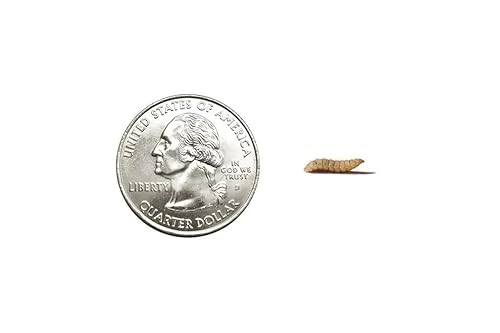
Black Soldier Fly Larvae (Nutrigrubs)
Best calcium-to-phosphorus ratio of any feeder insect — cuts calcium supplementation burden significantly.

Repashy Supercal NoD Calcium Supplement
Ultrafine calcium carbonate that coats insects evenly — the go-to calcium supplement for frog keepers with UVB setups.
Repashy Supervite Multivitamin
Comprehensive multivitamin including vitamin A (retinol form) — critical for preventing short tongue syndrome in tomato frogs.
Repashy Bug Burger Gut Load
Complete hydrating gut-load with correct Ca:P ratio — dramatically boosts nutritional value of crickets and roaches.

Reptile Water Conditioner
Removes chlorine and chloramine from tap water — essential for amphibians who absorb water through their skin.
Rep-Cal Calcium with D3
For setups without UVB lighting — provides D3 alongside calcium so frogs can properly absorb and use dietary calcium.
Frequently Asked Questions
Tomato frogs eat live insects exclusively — dubia roaches, crickets, black soldier fly larvae, and earthworms are the best staples. They are strict carnivores and will not eat plant matter. All prey should be live, gut-loaded, and dusted with calcium.
References & Sources
- https://www.thebiodude.com/blogs/frog-caresheets/tomato-frog-care-sheet-and-maintenance?srsltid=AfmBOopTUJEmCMMjn-Hz2N8hBJhVE27pVbi6yZyJpBKxsdE6oCthKOXm
- https://reptilesmagazine.com/tomato-frog-care-sheet/?srsltid=AfmBOoqrXlArdCM3NGCrPaKTQrc2nUvqHScd7h4K-KARI6CM0ySKYJAN
- https://dubiaroaches.com/blogs/amphibian-care/tomato-frog-care-sheet?srsltid=AfmBOorDrayXBXmgTWZWB8SEFHNSotpzAQTDKxFE3jXvLRzHOJV78cYF
- https://www.thesprucepets.com/caring-for-tomato-frogs-5114718
Related Articles

Frog Terrarium Setup: The Complete Guide
This guide contains affiliate links. Build the perfect frog terrarium — species-specific setup matrix, drainage layer science, live plants, and a full shopping list by frog type.

Axolotl Diet Feeding Guide: What, When & How to Feed
Discover what to feed your axolotl, the best feeding schedule, and how to ensure a balanced, nutritious diet. Perfect for beginners and experienced keepers.

Pacman Frog Care Guide: Essential Tips for New Owners
Discover everything you need to know about Pacman frog care, from setting up their habitat to feeding and health tips.