Tomato Frog Care: Complete Guide for Beginners
Tomato frog care guide -- enclosure, temperature, humidity, live insect diet, and handling tips for this bright red Madagascan display frog.


✓Recommended Gear
TL;DR: Tomato frogs (Dyscophus antongilii) are chunky burrowing frogs from Madagascar — vivid red-orange females reaching 3.5–4 inches, smaller brown males 2–2.5 inches — that live 6–10+ years in captivity and are primarily display animals that dislike handling. They need a terrestrial enclosure (18×18×12 inches minimum for one frog), temperatures of 65–80°F, humidity of 60–80%, and a diet of live insects (crickets, dubia roaches, earthworms) offered 2–3 times per week. When threatened, tomato frogs secrete a white, sticky substance that can cause allergic reactions in some people.
The tomato frog (Dyscophus antongilii and related species) lives up to its name -- females are a vivid, almost absurdly bright red-orange, looking like a small tomato with legs. Males are duller (pale orange to brown). These chunky, burrowing frogs from Madagascar are among the most striking display frogs in the hobby.
They are relatively easy to care for, making them a good intermediate step for keepers who've started with White's tree frogs and want something different. They are primarily display animals -- they do not enjoy handling.
Quick Facts: Tomato Frog
| Feature | Detail |
|---|---|
| Scientific name | Dyscophus antongilii (and D. insularis, D. guineti) |
| Adult size | Females: 3.5-4 inches; Males: 2-2.5 inches |
| Lifespan | 6-10+ years in captivity |
| Activity | Nocturnal/crepuscular |
| Temperament | Sedentary; dislikes handling; defensive (white secretion) |
| Beginner-friendly? | Intermediate -- primarily display animal |
Enclosure
Tomato frogs are terrestrial and don't need height -- floor space matters:
- Single frog: 18"x18"x12" or 10-gallon equivalent
- Pair: 20-gallon long or 18"x24"x12" footprint
Decorate with cork bark hides, large flat rocks, and leaf litter. Tomato frogs will burrow into substrate and spend much of their time partially hidden.
Enclosure Setup Essentials
Everything you need to get started
Temperature
Tomato frogs prefer moderate temperatures:
- Daytime: 72-80 degrees F (22-27 degrees C)
- Night: 65-72 degrees F
- Do not exceed: 85 degrees F
Most homes provide adequate temperatures without supplemental heating. A [low-wattage ceramic heat emitter](https://www.amazon.com/dp/B096JWWQMC?tag=krawlo-20 on one side handles cool rooms.
Temperature & Humidity
What you need to know
Daytime: 72–80°F | Night: 65–72°F (never exceed 85°F)
Target humidity: 70–90% RH via misting 1–2 times daily
Use moisture-retentive substrate; allow partial drying between mistings
Monitor with digital hygrometer; most homes don't need supplemental heating
White secretion from stress can cause allergic reactions — minimize handling
Humidity
Target 70-90% relative humidity:
- Mist 1-2 times daily
- Moisture-retentive substrate (coconut fiber, topsoil)
- Digital hygrometer
- Allow partial drying between mistings
Substrate
Deep, moisture-retentive substrate for burrowing:
- Coconut fiber + organic topsoil (3-4 inches deep)
- Leaf litter on top (magnolia, oak leaves)
Tomato frogs will burrow into substrate and create small depressions to sit in.
Feeding
Tomato frogs are enthusiastic, opportunistic feeders:
Primary feeders: [Live crickets](https://www.amazon.com/dp/B09Y7K26DZ?tag=krawlo-20 dubia roaches, earthworms
Treat feeders: Waxworms (rarely)
Frequency: Every other day to every 2-3 days; 4-6 appropriately sized insects
Important: Tomato frogs will attempt to eat anything that fits in their mouth, including cage mates and objects -- be careful with tank decor and never house with smaller frogs.
Supplementation: Calcium at every feeding; multivitamin every 2 weeks.
Feeding Essentials
What you need to know
Primary feeders: live crickets, dubia roaches, earthworms (4–6 per feeding)
Feed every other day to every 2–3 days (adjust for size)
Dust all insects with calcium powder at every feeding
Multivitamin supplementation every 2 weeks
Never house with smaller frogs — tomato frogs will eat cage mates
Water
Provide a shallow water dish with dechlorinated water -- use [reptile water conditioner](https://www.amazon.com/dp/B094D9RM9J?tag=krawlo-20 Change daily. Tomato frogs absorb water through their skin; clean water is essential.
Handling: A Defensive Warning
Tomato frogs should NOT be handled regularly. When stressed, they produce a sticky white skin secretion that can cause allergic reactions in sensitive individuals. Some people experience mild skin irritation; those with latex allergies should be especially cautious.
For understanding amphibian stress signals, see our reptile handling guide.
Common Health Issues
- Retained skin (dysecdysis): From low humidity -- increase misting
- Red-leg disease: Bacterial infection from poor water quality -- vet required
- Obesity: Overfeeding; limit feeding frequency
- Chemical exposure: Amphibians are extremely sensitive to residues on hands, sprays, and cleaning products
Avoid beginner mistakes with our lizard owner mistakes guide.
Recommended Gear
Glass Terrarium 18x18x12
Footprint-focused enclosure for this terrestrial burrowing frog
Check Price on AmazonCoconut Fiber Reptile Substrate
Moisture-retentive burrowing substrate -- 3-4 inches deep
Check Price on Amazon
Live Feeder Crickets
Primary feeder -- always live prey for this visual hunter
Check Price on Amazon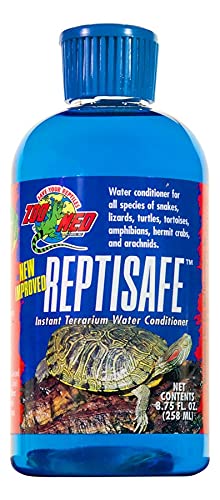
Reptile Water Conditioner
Removes chlorine -- essential for amphibian health
Check Price on AmazonDigital Hygrometer
Monitor humidity -- target 70-90%
Check Price on AmazonFrequently Asked Questions
They produce a sticky defensive secretion that can cause irritation or allergic reactions, especially in people with latex sensitivity. Wash hands after contact.
References & Sources
Related Articles

Pac-Man Frog Care Guide: Everything You Need to Know
Complete Pac-Man frog care guide covering habitat setup, feeding, humidity, temperature, and health tips for beginners and experienced keepers.

White's Tree Frog Care: Complete Beginner's Guide
Everything you need to know about White's tree frog care -- enclosure setup, temperature, humidity, diet, and handling for this docile, beginner-friendly species.

Zig-Zag Salamander Care: Complete Guide for Beginners
Discover everything about zig-zag salamander care: enclosure setup, temperature, feeding, and health tips for this charming North American herp species.